
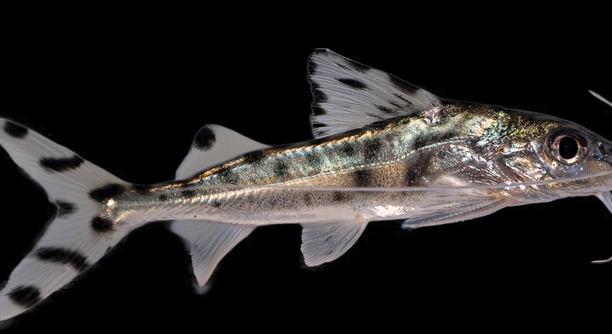
Pictus catfish are popular freshwater fish admired for their active behavior and striking appearance. However, they sometimes refuse to eat, which can concern their owners. Understanding why this happens helps maintain their health and well-being in captivity.
Several factors may cause pictus catfish to refuse food, including poor water quality, stress, improper diet, illness, tank mates, environmental changes, or insufficient acclimation. Each factor impacts the fish’s appetite and behavior, requiring specific attention for resolution.
Knowing these reasons will help fish owners provide better care and create a comfortable environment for their pictus catfish. Addressing these issues promotes their overall health and longevity.
Water Quality Issues
Poor water quality is a common reason pictus catfish stop eating. These fish are sensitive to changes in their environment, especially ammonia, nitrite, and nitrate levels. High levels of these chemicals cause stress and illness, leading to a loss of appetite. Maintaining clean water with regular partial water changes is essential. Testing the water frequently helps catch problems early. Sudden changes in pH or temperature can also disrupt their feeding habits. Consistent water parameters create a stable environment where pictus catfish feel safe to eat. Avoid overcrowding the tank, as this increases waste and stresses the fish. Filtration plays a big role in keeping the water healthy. Removing uneaten food and debris promptly also helps maintain water quality. A well-kept tank encourages natural feeding behavior and supports overall health.
Testing water parameters regularly is key to preventing feeding problems in pictus catfish.
A clean, stable tank environment supports appetite and reduces stress. Consistent care is vital for their well-being.
Stress and Environmental Changes
Stress from environmental changes often causes pictus catfish to refuse food. Moving the fish to a new tank, changing tank decorations, or adding new tank mates can create anxiety. Pictus catfish rely on a stable environment to feel secure. Sudden changes disrupt their routine, making them less likely to eat. Bright lights, loud noises, or strong water currents can also stress them out. It is important to introduce any changes gradually and allow the fish time to adjust. Providing hiding spots, such as caves or plants, can help reduce stress. Monitoring the fish closely after any change helps detect signs of distress early. Reducing stress encourages natural feeding habits and promotes a healthier fish.
Minimizing stress helps pictus catfish regain their appetite. Creating a calm environment is essential.
Providing shelter and keeping the tank conditions stable allows pictus catfish to feel secure and eat regularly.
Improper Diet
Pictus catfish need a balanced diet to stay healthy and eat regularly. Feeding them only one type of food can lead to poor appetite and nutritional deficiencies. Variety is important to meet their dietary needs.
A diet rich in protein, such as sinking pellets, frozen or live foods like bloodworms and brine shrimp, works well for pictus catfish. They enjoy scavenging at the bottom of the tank, so sinking food is best. Avoid overfeeding, which can cause water quality issues and reduce their interest in food. Feeding small amounts once or twice daily keeps them healthy and encourages regular eating habits.
Supplements like vegetables or algae wafers can add variety but should not replace protein-rich foods. Monitoring their diet and making adjustments as needed helps maintain their appetite and overall health.
Illness and Health Problems
Health problems are a common reason pictus catfish refuse food. Infections, parasites, or injuries can cause discomfort and loss of appetite. Early detection is important to prevent worsening conditions.
Signs of illness include lethargy, unusual swimming patterns, spots or lesions, and rapid breathing. If these appear, isolating the fish and consulting a vet or aquatic specialist is necessary. Treating the illness promptly with appropriate medication supports recovery and encourages eating.
Maintaining good water quality and proper nutrition helps prevent many health issues. Regular observation of your pictus catfish will catch problems early, making treatment easier and more effective. Keeping them healthy improves their chances of returning to normal eating habits.
Tank Mates
Aggressive or overly active tank mates can intimidate pictus catfish. This stress may cause them to hide and refuse food. Choosing peaceful companions helps reduce anxiety and encourages feeding.
Ensure tank mates are compatible in size and temperament. Avoid species that chase or nip at pictus catfish to maintain a calm environment.
Acclimation Problems
Improper acclimation to a new tank can cause pictus catfish to stop eating. Sudden changes in water conditions and temperature shock the fish, making them stressed and unwilling to eat. Gradual acclimation allows their bodies to adjust smoothly, reducing stress.
Slowly introducing the fish to new water by mixing tank water over time supports a better transition. Keeping the environment stable during this period is crucial to encourage normal feeding behavior.
Environmental Factors
Low oxygen levels or incorrect lighting can affect pictus catfish’s appetite. These factors create discomfort, reducing their interest in food. Ensuring proper aeration and a suitable light-dark cycle supports their natural behavior and appetite.
FAQ
Why is my pictus catfish not eating but still swimming around?
If your pictus catfish is swimming but not eating, it could be experiencing mild stress or water quality issues. Sometimes, fish stay active despite appetite loss. Check water parameters for ammonia, nitrites, or sudden pH changes. Also, review tank conditions such as temperature and lighting. If these are stable, observe for signs of illness or stress. Providing hiding spots and reducing disturbances can help your fish feel secure and regain appetite.
How long can pictus catfish go without eating?
Pictus catfish can survive for about one to two weeks without food, depending on their health and environment. However, prolonged fasting weakens their immune system and increases susceptibility to disease. It’s important to identify and fix the underlying cause quickly to prevent long-term harm. Regular feeding with a balanced diet ensures good health and active behavior.
Can pictus catfish eat flakes or pellets?
Yes, pictus catfish can eat sinking pellets specially formulated for carnivorous or bottom-feeding fish. Flakes may not be ideal because they float and the fish prefer to feed at the bottom. Choose high-quality pellets with protein as the main ingredient. Supplement their diet occasionally with frozen or live foods like bloodworms or brine shrimp to keep them interested and well-nourished.
What signs indicate my pictus catfish is sick?
Common signs of illness include loss of appetite, lethargy, erratic swimming, clamped fins, spots or lesions on the body, and rapid breathing. If you notice any of these, test your water quality and isolate the fish if possible. Prompt treatment with appropriate medication improves recovery chances. Observing your fish daily helps catch problems early before they become severe.
How often should I feed my pictus catfish?
Feeding once or twice a day in small amounts is usually sufficient. Overfeeding can cause leftover food to decay, harming water quality and stressing the fish. Feed only what your catfish can consume within a few minutes. A consistent feeding schedule supports their digestion and encourages regular eating habits.
Will pictus catfish eat plants in my tank?
Pictus catfish are primarily carnivorous and rarely eat live plants. However, they may occasionally nibble on soft or decaying plant matter. Most of their diet should be protein-based foods. Healthy plants can provide shelter but typically are not a food source for these fish.
Can stress from tank mates cause loss of appetite?
Yes, aggressive or territorial tank mates can stress pictus catfish and cause them to stop eating. Stress reduces their immune response and increases vulnerability to illness. Ensuring peaceful companions and enough hiding places reduces stress and promotes normal feeding.
What water parameters are best for pictus catfish?
Pictus catfish thrive in temperatures between 72°F and 79°F (22°C–26°C), with a pH of 6.5 to 7.5. Stable water hardness and low ammonia and nitrite levels are essential. Regular water testing and maintenance keep conditions ideal, helping your fish stay healthy and eat well.
Can sudden changes in water conditions cause feeding issues?
Yes, sudden shifts in temperature, pH, or water chemistry can shock pictus catfish. This stress can reduce their appetite or cause them to stop eating temporarily. Always introduce changes gradually and monitor the fish closely during adjustments to prevent problems.
How can I encourage a picky pictus catfish to eat?
Offering a variety of foods, including live or frozen options, can stimulate appetite. Feeding during low light or quieter times may help if the fish is shy. Ensuring a calm, stable environment with hiding spots also encourages feeding. Avoid overfeeding and keep water quality high to support a healthy appetite.
Is it normal for pictus catfish to refuse food sometimes?
Yes, occasional fasting can be normal, especially after stress, illness, or environmental changes. Short-term refusal usually resolves once conditions improve. Persistent refusal requires checking water quality, diet, and health to identify underlying issues.
Should I quarantine new pictus catfish before adding them to my tank?
Quarantining new fish is highly recommended. It helps prevent introducing diseases and allows observation of their health. A quarantine period of two to four weeks in a separate tank reduces stress on both new and existing fish, promoting a healthier community.
Can lighting affect pictus catfish’s appetite?
Bright or constant lighting can stress pictus catfish, causing them to hide and stop eating. Providing a natural day-night cycle with moderate lighting helps them feel secure. Using floating plants or shaded areas can also reduce light intensity and encourage feeding.
What should I do if my pictus catfish stops eating after adding new tank mates?
New tank mates may cause stress, making your catfish stop eating. Observe the interactions closely. Providing additional hiding spots and reducing aggressive behaviors can help. If stress persists, consider separating the fish until your pictus catfish resumes normal feeding.
Are live foods better for pictus catfish than frozen or pellets?
Live foods often stimulate feeding more effectively because they mimic natural prey. However, frozen foods and high-quality pellets provide balanced nutrition and are safer from parasites. Offering a mix of live, frozen, and pellet foods ensures a varied diet and encourages regular eating.
Can poor filtration cause pictus catfish to refuse food?
Poor filtration leads to poor water quality, which stresses fish and reduces appetite. Efficient filtration removes waste and maintains oxygen levels. Regularly cleaning and maintaining filters supports a healthy environment, encouraging pictus catfish to eat normally.
Is it okay if my pictus catfish eats less during breeding?
During breeding, pictus catfish may reduce their food intake naturally. This behavior is normal and temporary. Ensure water quality remains high and provide nutritious foods to support their health during this time. Appetite should return to normal after breeding activities end.
Pictus catfish are wonderful additions to many freshwater aquariums, but like all fish, they can experience challenges that affect their appetite. Understanding the reasons why they might refuse to eat helps fish keepers provide better care. Factors such as water quality, stress, diet, illness, tank mates, acclimation, and environmental conditions all play a role in their feeding habits. Each factor should be considered carefully when a pictus catfish stops eating. This approach ensures the fish’s health and comfort in its home.
Maintaining clean water is one of the most important steps to keep pictus catfish eating regularly. Poor water quality can quickly lead to stress or illness, both of which reduce appetite. Regular water testing, proper filtration, and timely water changes create a stable environment that supports their natural behavior. Stress is another key factor that can cause a loss of appetite. Changes in tank mates, decorations, lighting, or sudden moves can make these fish feel unsafe. Providing hiding spots and introducing changes slowly helps pictus catfish adjust and regain their appetite. A varied and balanced diet is also essential. Offering sinking pellets rich in protein, supplemented with live or frozen foods, ensures they get the nutrients they need. Overfeeding or poor diet choices can lead to reduced interest in food and other health issues.
If illness is suspected, it is important to act quickly. Early signs like lethargy, unusual swimming, or physical changes should never be ignored. Proper treatment and quarantine help prevent the spread of disease and support recovery. Watching your fish daily and maintaining a consistent routine can help detect problems before they become serious. Understanding your pictus catfish’s behavior and environment allows you to create the best conditions for them to thrive. Taking these steps improves their appetite and overall well-being, leading to a healthier and happier fish.

Hello,
If you enjoy the content that we create, please consider saying a "Thank You!" by leaving a tip.
Every little bit helps us continue crafting quality advice that supports the health, happiness, and well-being of pets around the world, for pets of all shapes, sizes, and species.
We really appreciate the kindness and support that you show us!