
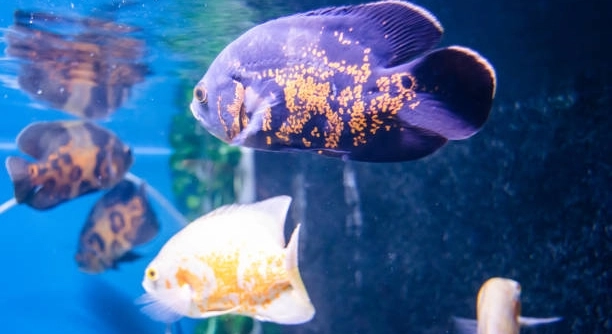
Oscar fish are known for their vibrant colors, but when they suddenly turn pale, it can be concerning. This article explores possible reasons for this color change and how you can address it to keep your fish healthy.
The most common causes for Oscar fish turning pale include stress, poor water quality, improper diet, illness, or environmental changes. These factors can affect their natural coloration, signaling underlying issues that require attention for the fish’s well-being.
Understanding the reasons behind the color change will help you better care for your Oscar fish. From water quality adjustments to diet tips, there are steps you can take to restore their vibrant hues.
Stress and Anxiety in Oscar Fish
Stress is one of the most common reasons why Oscar fish can suddenly turn pale. Fish are sensitive creatures, and even small changes in their environment can lead to stress. New tank mates, loud noises, or sudden temperature shifts can cause them to feel uneasy, which affects their coloration.
Oscar fish thrive in stable and peaceful environments. If they are constantly exposed to stress, their immune system weakens, making them more prone to illness. Monitoring their behavior can also help detect if stress is the cause. A stressed fish may swim erratically, hide more often, or even lose its appetite.
It’s important to maintain a peaceful aquarium, free from sudden disturbances. You should also ensure the tank is large enough to provide plenty of space for your fish to feel safe. Keeping things consistent will reduce the chances of your Oscar fish becoming stressed and will help maintain their vibrant color.
Poor Water Quality
Oscar fish are sensitive to water conditions. Dirty or improperly maintained tanks can lead to pale coloration. Regular water changes and proper filtration can keep the water clean and healthy for your fish.
Oscar fish need clean water to stay healthy. If ammonia or nitrate levels rise in the tank, it can cause health problems and stress. Poor water quality leads to weak immune systems, making fish more vulnerable to disease. It’s essential to monitor water parameters like pH, temperature, and hardness to avoid these issues.
A filtration system suited to the size of your tank is crucial in keeping the water clean. Regular water changes, approximately 25% weekly, will help remove waste buildup and prevent harmful toxins from accumulating. By maintaining a clean environment, you’ll keep your Oscar fish healthier and more colorful.
Improper Diet
Oscar fish require a varied diet to maintain their health and vibrant colors. If your fish’s diet lacks the necessary nutrients, it can result in dull, pale skin. A balanced diet consisting of high-quality pellets, live foods, and occasional vegetables is essential.
Poor feeding practices or a diet too focused on one type of food may not provide the vitamins and minerals that Oscar fish need. Deficiencies, especially in carotenoids (which contribute to bright coloring), can cause them to lose their color.
Ensure that you feed your Oscar fish a diet that includes both protein and plant matter. Regularly offering live foods such as worms, shrimp, and small fish can enhance their natural coloring. A varied diet helps improve their health and vibrancy over time.
Illness and Infection
Oscar fish can pale due to illness or infection, which can result from bacteria, parasites, or fungal outbreaks. These conditions often make your fish appear stressed and weak. Keeping an eye on symptoms will help identify any underlying health issues.
Infections or diseases like ich or fin rot often lead to pale skin, loss of appetite, or abnormal swimming patterns. If your Oscar fish is acting lethargic or showing visible signs of infection, such as lesions or white spots, it’s crucial to address the issue quickly.
Immediate treatment is necessary to prevent the spread of infection. Using an appropriate medicated treatment based on the diagnosis can help. Also, maintaining good water quality and minimizing stress can aid in the recovery of an infected fish. A healthy environment is key to preventing future illnesses.
Environmental Changes
Oscar fish are sensitive to changes in their environment. Shifting water temperatures, new equipment, or moving the tank can cause stress and lead to pale coloring. Stability is crucial for their well-being.
Whenever you make changes to the tank, whether it’s adjusting the temperature or introducing new decorations, your fish may show signs of distress. Moving the tank to a new location or altering the water conditions too quickly can cause confusion and discomfort.
To help your fish adjust, try making gradual changes. Allow them to acclimate slowly to any changes in water temperature or tank setup. By keeping their environment stable and predictable, your Oscar fish will feel more secure and maintain their vibrant hues.
Aging
As Oscar fish age, their coloration can naturally fade. Older fish often lose the vibrancy they once had, which is a normal part of their life cycle. While not always a cause for concern, it’s important to monitor their overall health.
If your Oscar fish is aging, slight fading in color is to be expected. This is not usually related to illness or stress. However, ensuring they receive proper care, including a balanced diet and clean water, can help them stay healthy as they age.
Aging fish may become less active and show signs of slower movement. Keep an eye on their behavior to differentiate between natural aging and other potential health issues.
Tank Size and Space
Oscar fish require ample space to thrive. If their tank is too small, they can become stressed, which can cause pale skin. A cramped environment leads to poor water quality and a lack of swimming space, which both contribute to color loss.
Having a tank that is at least 75 gallons is ideal for an Oscar fish. Without enough space, they may feel cornered and uncomfortable, leading to anxiety and pale skin. Larger tanks also allow better water circulation, reducing the risk of harmful toxins building up.
In addition to tank size, make sure the tank has adequate filtration to keep the water clean. A bigger tank with better conditions ensures a healthier, more vibrant Oscar fish.
FAQ
Why did my Oscar fish suddenly turn pale?
Sudden color changes in Oscar fish are often caused by stress, poor water quality, or illness. Stress can arise from sudden changes in their environment, such as new tank mates, loud noises, or temperature fluctuations. Poor water quality, with high ammonia or nitrate levels, can also lead to color loss. Additionally, illness or infection can cause pale coloration as the fish’s immune system weakens. Identifying the cause and addressing it promptly will help restore your Oscar’s color.
How do I improve the water quality for my Oscar fish?
To improve the water quality, make sure to perform regular water changes, at least 25% of the tank volume every week. Invest in a reliable filtration system suited for your tank size to ensure proper filtration. Regularly test water parameters, including pH, ammonia, nitrites, and nitrates, and keep them within safe ranges. It’s also essential to remove any uneaten food or waste promptly, as it can lead to a build-up of harmful toxins.
Can Oscar fish get their color back after turning pale?
Yes, Oscar fish can regain their vibrant color if the underlying cause is addressed. For example, if the issue is stress, improving the tank environment and reducing disturbances can help them return to their original color. If poor water quality or illness is the problem, correcting these issues and providing treatment will restore their color over time. Consistent care and a healthy environment are key to bringing back the vibrant hues.
What type of diet is best for my Oscar fish?
Oscar fish require a varied diet for optimal health and vibrant coloring. A balanced diet should include high-quality pellets, which provide essential nutrients, along with live or frozen foods like worms, shrimp, and small fish for protein. Occasional vegetable matter, such as spinach or zucchini, can help provide additional nutrients. Make sure to feed them appropriately-sized food to prevent overfeeding and maintain a healthy weight.
Can I add new fish to the tank with my Oscar?
Introducing new fish can be stressful for your Oscar, especially if the tank is already established. It’s crucial to quarantine new fish for at least two weeks to ensure they are healthy and free from disease. When adding new fish, ensure they are compatible with your Oscar’s temperament and size. Aggressive fish should be avoided, as Oscars can be territorial and may harm smaller or more passive species. Monitor the tank carefully for signs of stress or aggression.
How can I tell if my Oscar fish is sick?
Oscar fish display various signs when they are sick. Pale skin, lack of appetite, abnormal swimming patterns, and isolation are common indicators of illness. Other symptoms include bloated bodies, white spots (ich), fin rot, or visible lesions on the skin. If any of these symptoms appear, it’s important to isolate the fish, check the water parameters, and start treatment as soon as possible. A trip to an aquatic vet may also be necessary if the problem persists.
What water temperature is ideal for an Oscar fish?
Oscar fish thrive in temperatures ranging from 75°F to 80°F (24°C to 27°C). Keeping the water temperature within this range promotes healthy metabolism and digestion, while also ensuring they remain active and vibrant. Rapid temperature fluctuations can stress the fish and lead to pale skin, so it’s important to maintain a consistent temperature. Use a reliable aquarium heater and thermometer to monitor and regulate the tank temperature.
Why is my Oscar fish hiding all the time?
Oscar fish may hide when they are stressed, unwell, or trying to escape a dominant tank mate. If your fish is consistently hiding, it could be due to poor water conditions, environmental changes, or an illness. Make sure the tank is properly filtered, and the water parameters are optimal. If your Oscar is not eating and remains in hiding, check for any visible signs of illness or injury. Ensuring a peaceful tank environment can also reduce stress and encourage more activity.
Can water changes cause my Oscar fish to turn pale?
Water changes are beneficial for maintaining good water quality, but if done improperly, they can cause stress. Rapid changes in water temperature, pH, or other parameters can shock the fish, leading to pale coloring. Always make sure the new water is properly conditioned, and temperature and pH are similar to the tank’s current levels. Gradual water changes are better than large, sudden ones, as they minimize the risk of stress.
What should I do if my Oscar fish has a fungal infection?
If your Oscar fish has a fungal infection, you should immediately isolate it in a quarantine tank to prevent the spread of the infection. Fungal infections typically appear as white, cotton-like growths on the skin or fins. You can treat fungal infections with antifungal medications available at pet stores or online. Make sure to follow the treatment instructions carefully, and ensure the water quality in the main tank is optimal to prevent further health issues.
Final Thoughts
Oscar fish are beautiful and vibrant creatures, but when they suddenly turn pale, it can be concerning. Understanding the reasons behind this color change is key to helping them return to their healthy, colorful state. Stress, poor water quality, and illness are common causes of pale Oscar fish, and they all require different approaches to resolve. By paying close attention to the conditions in your tank, you can create a healthier environment that supports the well-being of your fish.
It’s important to remember that maintaining a stable environment is crucial for the health of your Oscar fish. This includes providing proper water filtration, performing regular water changes, and monitoring water quality. The right diet is also essential, as it helps to keep your fish healthy and vibrant. If your Oscar fish is showing signs of illness, addressing the issue quickly can prevent it from getting worse. Regular observation and quick action are important to avoid long-term health problems.
Lastly, if your Oscar fish continues to show signs of stress or illness despite taking the necessary steps, it may be time to consult with an aquatic veterinarian. They can offer advice or treatments that could help your fish recover. While pale coloration may be temporary in some cases, it’s always best to be proactive in addressing the root causes. With proper care, your Oscar fish will hopefully regain their vibrant colors and enjoy a long, healthy life in your aquarium.

Hello,
If you enjoy the content that we create, please consider saying a "Thank You!" by leaving a tip.
Every little bit helps us continue crafting quality advice that supports the health, happiness, and well-being of pets around the world, for pets of all shapes, sizes, and species.
We really appreciate the kindness and support that you show us!