
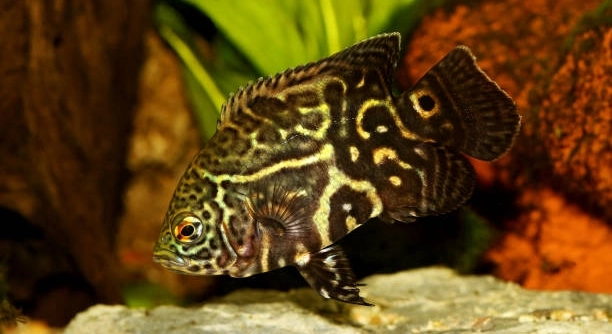
Oscar fish are known for their active swimming, but sometimes they refuse to swim. This behavior can be puzzling for fish owners. Understanding the potential causes behind this reluctance can help keep your fish happy and healthy.
Oscar fish may refuse to swim for several reasons, including water quality issues, stress, illness, or unsuitable tank conditions. Other factors like environmental changes, aggression from tank mates, or even old age can contribute to this behavior.
Addressing these potential causes will guide you in creating the ideal environment for your Oscar fish. By understanding the factors at play, you can ensure your fish remain active and content in their home.
Water Quality Problems
One of the most common reasons an Oscar fish might refuse to swim is poor water quality. Oscars are sensitive to changes in their environment, especially water conditions. If the water is too dirty, too warm, or has improper pH levels, your fish may feel stressed or uncomfortable. This can lead to lethargy or the refusal to swim. Water quality problems often stem from improper filtration, infrequent water changes, or overfeeding. Oscars need clean, well-maintained water to thrive.
If the water parameters aren’t balanced, an Oscar fish might start to show signs of distress. High ammonia, nitrites, or nitrates can cause irritation. It’s essential to test your tank water regularly using reliable test kits. Keeping the water temperature between 74°F and 81°F is ideal for Oscars, and regular water changes of 20% to 30% each week will help maintain a healthy environment.
A clean tank not only prevents disease but also encourages your fish to swim and engage. Ensuring proper filtration is a key step to keeping the water oxygenated and safe for your Oscar. Regular testing and maintenance are necessary to keep your Oscar fish happy and active.
Stress Factors
Stress can cause an Oscar fish to stop swimming and behave unusually.
Environmental changes, such as new decorations or frequent rearrangements, can stress out Oscars. They also feel stressed from loud noises, sudden movements, or bright lighting. Moving the tank or adding new fish can disrupt their routine and make them feel unsafe. If your Oscar isn’t swimming, stress could be the cause.
Illness or Injury
Oscar fish may stop swimming if they are feeling unwell or injured. Common signs of illness include a lack of appetite, visible lesions, or abnormal swimming patterns. If you notice any of these symptoms, it’s best to examine your fish closely for signs of infection or injury.
Many illnesses, such as bacterial infections or parasites, can make your Oscar feel weak, leading to decreased activity. Injuries, often caused by tank mates or environmental factors, can also prevent your fish from swimming. When the body is healing, they might prefer staying in one spot to recover.
If you suspect your Oscar is sick or injured, quarantine them in a separate tank to prevent the spread of any possible infection. Make sure the water quality is optimal, and consider treating them with medications specifically designed for the condition you’re observing. If symptoms persist, it’s always a good idea to consult with a veterinarian experienced in fish care.
Tank Mates and Aggression
Tank mates can be a significant factor in an Oscar’s reluctance to swim.
Oscars are known for their aggressive behavior, especially toward smaller fish. If tank mates are harassing your Oscar, it might avoid swimming to stay out of sight or retreat to a corner. Aggression can cause stress and make your fish feel unsafe, leading to inactivity. It’s important to choose tank mates carefully, keeping in mind the temperament of your Oscar.
Adding fish that are similar in size or peaceful species can help. Ensure the tank has enough space and hiding spots for your Oscar to feel secure. It’s also important to observe their interactions closely. If aggression persists, you might need to remove the aggressive fish or rearrange the tank to break up territorial spaces. When your Oscar feels safe, it’s more likely to swim and explore.
Poor Tank Conditions
Sometimes, Oscars refuse to swim due to poor tank conditions. Overcrowding or unsuitable tank decorations can limit their movement. Inadequate space to swim freely often leads to stress, causing them to stop swimming. Regular tank cleaning and providing enough room for your Oscar to move comfortably are essential.
If the tank is too small or lacks hiding spots, your Oscar may feel trapped, which contributes to its reluctance to swim. The lack of space can also make it hard for them to establish a territory, leading to anxiety. Giving them more room will encourage more activity.
Age and Natural Behavior
As Oscars age, they naturally become less active.
Older Oscars often slow down and swim less due to their natural aging process. While this is normal, it’s still important to monitor their behavior to ensure they aren’t suffering from illness or stress. Keep their environment comfortable and stable to help them feel more at ease.
FAQ
Why isn’t my Oscar fish swimming much?
There are several potential reasons why your Oscar might not be swimming much. Poor water quality is a leading cause, as Oscars are sensitive to high ammonia, nitrites, or poor oxygen levels. Stress from sudden changes in the tank, aggressive tank mates, or even loud noises can also make them feel unsafe, leading to inactivity. Additionally, illness or injury can result in a lack of movement. Ensure the tank water is clean, the temperature is right, and your fish’s environment is calm to encourage swimming.
How can I tell if my Oscar is stressed?
Stress in Oscar fish can show up in different ways. If your fish is swimming less, hiding more often, or darting around erratically, these can all be signs of stress. You may also notice a lack of appetite or unusual behavior like rubbing against objects in the tank. Stress can come from many factors, including poor water conditions, changes in the environment, or aggression from tank mates. Regularly checking your tank’s parameters and observing your Oscar’s behavior can help identify the source of the stress.
What temperature should my Oscar’s tank be?
The ideal water temperature for an Oscar fish is between 74°F and 81°F (23°C to 27°C). Oscars are tropical fish and thrive in warmer water. If the water is too cold, they may become sluggish and reluctant to swim. Maintaining a stable temperature is crucial. Rapid temperature fluctuations can also stress your Oscar, leading to health problems or inactivity.
Can Oscar fish be kept with other fish?
Yes, but it’s important to choose the right tank mates. Oscars are known for their aggression, especially toward smaller fish. They can be kept with other large, robust fish that can handle the same water conditions and space requirements. Avoid placing them with delicate or small species, as they may become targets for bullying. It’s also a good idea to ensure your tank is large enough to provide sufficient space for all fish to coexist peacefully.
How do I improve water quality for my Oscar fish?
Improving water quality involves regular maintenance and monitoring. Ensure your filter is working effectively and replace it when necessary. Conduct weekly water changes of 20% to 30% to keep the water fresh and clear. Regularly test for ammonia, nitrites, and nitrates, and keep these levels within safe ranges. Additionally, don’t overfeed your Oscar, as uneaten food can quickly pollute the water. Proper filtration, water changes, and feeding habits are key to maintaining a healthy environment.
How do I know if my Oscar is sick?
Sick Oscars may show signs such as a lack of appetite, abnormal swimming behavior, or physical changes like lesions, discoloration, or swollen areas. They might also hide more often or appear lethargic. If you notice these symptoms, it’s important to check the water quality immediately and consider isolating the fish in a separate tank. If the symptoms persist, you should consult with a vet or an expert in fish health to diagnose and treat the issue.
Can I prevent my Oscar from becoming stressed?
While you can’t completely eliminate stress, there are ways to reduce it. Keep the water clean and at the right temperature. Avoid frequent changes to the tank setup or water conditions, as Oscars can be sensitive to alterations. Provide hiding spots to make your Oscar feel secure and offer plenty of space to swim. Also, choose peaceful tank mates that won’t harass your Oscar. Consistency in their environment helps reduce stress over time.
What are the signs of a healthy Oscar fish?
A healthy Oscar will be active, swimming confidently and exploring the tank. They will have clear eyes, smooth scales, and vibrant coloring. A healthy Oscar also eats regularly and displays normal swimming behavior. If your fish is eating well, swimming actively, and doesn’t show signs of distress, it’s a good indication that it is in good health. Regular monitoring and care will help maintain these healthy behaviors.
Should I separate an injured Oscar from others?
Yes, if your Oscar has an injury, it’s best to move it to a separate tank to avoid further harm. Other tank mates might become aggressive toward an injured Oscar, making the situation worse. A separate tank provides a safe space for recovery and also prevents potential infections from spreading to other fish. Ensure the water quality in the quarantine tank is optimal and monitor the injury closely to track healing progress.
Can Oscar fish recover from illness or injury?
Yes, Oscar fish can recover from many illnesses or injuries if they receive the proper care. Timely intervention, like adjusting water quality, administering medication, and providing a stress-free environment, can significantly improve their chances of recovery. Injuries that don’t involve major damage to vital organs often heal over time with rest. However, it’s essential to monitor their condition closely, and if there’s no improvement, consult with a fish expert or veterinarian.
Final Thoughts
Oscar fish are fascinating creatures with unique personalities, but like all pets, they require proper care and attention. If your Oscar isn’t swimming or showing signs of abnormal behavior, it’s important to take a closer look at their environment. Factors such as water quality, stress, illness, and tank conditions all play a role in their overall health. By regularly maintaining their tank and ensuring their needs are met, you can help keep your Oscar active and happy. Understanding what might be causing them to refuse to swim is the first step in resolving the issue and getting them back to their usual self.
A key part of maintaining a healthy Oscar is keeping their tank in optimal condition. Regular water changes, proper filtration, and ensuring the water temperature is ideal for your fish are all critical for preventing common health problems. Stress from things like changes in their environment or aggression from other fish can also lead to inactivity. Monitoring your Oscar for signs of illness or injury is important too, as these issues can often lead to a lack of movement. By watching for these signs and taking action early, you can help your Oscar recover quickly and return to swimming happily.
If your Oscar continues to refuse to swim despite addressing these potential causes, it may be a good idea to consult with a veterinarian who specializes in fish care. Sometimes, more specific treatments are needed that can’t be addressed by general tank maintenance alone. Whether it’s a health issue or environmental stress, understanding and resolving the problem early is essential for your Oscar’s well-being. Remember, with the right care and attention, your Oscar can thrive and enjoy a long, healthy life.

Hello,
If you enjoy the content that we create, please consider saying a "Thank You!" by leaving a tip.
Every little bit helps us continue crafting quality advice that supports the health, happiness, and well-being of pets around the world, for pets of all shapes, sizes, and species.
We really appreciate the kindness and support that you show us!