
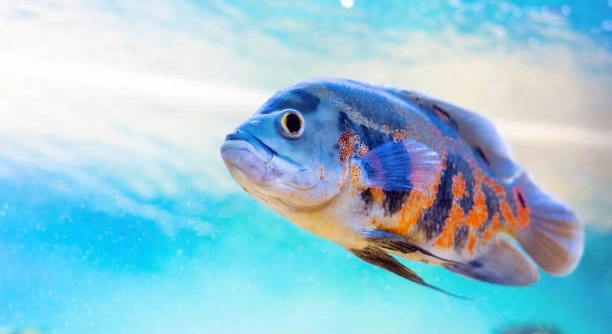
Oscar fish are fascinating creatures, but sometimes they avoid interacting with their owners. If you’re wondering why this happens, it’s important to understand the reasons behind their behavior. In this article, we’ll explore these reasons.
Oscar fish may avoid you due to factors like stress, poor water conditions, or a lack of proper bonding. They may also avoid interaction if they feel threatened, are sick, or are not accustomed to being around people.
Understanding why your Oscar fish behaves this way can help improve your relationship with them. We’ll look at several common factors and provide solutions to help you foster a better bond with your pet.
Stress and Fear
Stress is one of the main reasons why an Oscar fish might avoid you. If there are sudden changes in their environment, such as moving to a new tank, a noisy household, or the presence of other aggressive fish, they can become stressed. This can cause them to hide or swim away from you. It’s crucial to ensure they feel secure in their surroundings. Stress can also occur if the fish is not used to being handled or if their routine is interrupted. In such cases, the fish may prefer to remain alone rather than engage with you.
Stress affects Oscar fish in various ways. A stressed fish will usually become less active, hide more often, or display erratic swimming patterns. It’s important to maintain a calm and stable environment for them. The tank should be placed in a quiet area where they won’t feel threatened.
If your fish is constantly stressed, try adjusting the tank’s placement and keeping noise levels low. You can also use decorations or plants to provide hiding spots. A stable and calm setting will help them feel at ease and may encourage them to interact more.
Water Quality
Oscar fish are sensitive to poor water quality, which can lead to them avoiding you. Dirty water or incorrect pH levels make them uncomfortable and more likely to retreat.
Proper filtration, regular water changes, and testing water parameters regularly are essential for their health. If your fish is avoiding you, check the water quality and make adjustments if needed.
Maintaining clean water will not only improve your Oscar fish’s comfort but also encourage better health. Poor water conditions can cause stress and health problems, leading your fish to hide more often. Oscar fish are less likely to engage with their owners if they are uncomfortable in their environment. Keeping the water clean will make a big difference in how your Oscar behaves.
Illness or Injury
If your Oscar fish is not feeling well or is injured, they may avoid interaction. Fish instinctively hide when they’re in pain or not feeling their best.
Signs of illness include sluggishness, loss of appetite, or unusual swimming behavior. If you notice these symptoms, check their physical appearance and the water quality. Poor water conditions can make sickness worse, so act quickly.
It’s important to separate sick fish from the rest of the tank to prevent any spread of disease. Treat the fish with appropriate medication if necessary. Keeping them in a quiet, low-stress environment will help them recover faster. Pay attention to any changes in their behavior for signs of improvement or worsening.
Overfeeding
Overfeeding your Oscar fish might make them avoid you. When fish are overfed, they can become lethargic and less interactive.
Oscar fish have a tendency to eat until they’re full, which can cause digestive problems if they’re constantly given too much food. This can lead to bloating or sluggishness, making them less likely to engage with you.
To avoid overfeeding, stick to a feeding schedule. Offer small portions that your Oscar can finish within a few minutes. If you’re unsure about the right amount, it’s better to feed them less rather than more. Proper feeding helps keep them healthy and more active, ensuring they feel comfortable around you.
Lack of Bonding
Oscar fish are intelligent, but they need time to bond with their owners. If they’re not used to you, they may avoid interaction.
Building a relationship with your Oscar takes patience. It’s essential to approach them calmly and avoid sudden movements. Over time, they’ll start to recognize you and may become more comfortable around you.
Spending consistent, gentle time near their tank can help them feel more secure. Gradually, you might see them becoming less shy and more engaged when you’re around.
Tank Size
Oscar fish need a spacious tank to thrive. A tank that’s too small can lead to stress, making them more likely to avoid you.
Make sure your Oscar fish has enough space to swim comfortably. A larger tank reduces stress and allows the fish to establish their territory, helping them feel more secure and less inclined to hide.
A tank size of at least 75 gallons is recommended for one Oscar fish. A properly sized tank not only promotes physical health but also makes it easier for the fish to interact with its environment, including you.
Water Temperature
Oscar fish are sensitive to changes in water temperature. If it’s too cold or too hot, they may avoid you due to discomfort.
Ensure the water temperature stays within the ideal range of 74-81°F. Maintaining a stable temperature helps keep your Oscar fish comfortable and active, allowing them to feel more at ease around you. A water heater is often necessary to regulate the tank temperature properly.
FAQ
Why is my Oscar fish hiding all the time?
Hiding is common behavior for Oscar fish, especially if they are stressed or feeling unwell. Changes in the environment, such as new tank mates, loud noises, or changes in water quality, can cause them to retreat into hiding spots. If they continue hiding for an extended period, it could indicate poor water conditions or an underlying illness. Make sure the tank water is clean, the temperature is stable, and there are no aggressive fish around. Reducing stress and providing hiding spots can help your Oscar feel more secure and reduce hiding behavior.
How can I get my Oscar fish to trust me?
Building trust with your Oscar takes time and patience. Start by spending time near the tank without making sudden movements or loud noises. Avoid tapping on the glass, as this can startle them. Gradually, the fish will become familiar with your presence. Feeding them regularly can also help build trust, as they’ll associate you with something positive. Keep a consistent routine, and give them plenty of time to feel comfortable around you. Eventually, your Oscar may begin to swim towards you and engage more.
What should I do if my Oscar fish refuses to eat?
If your Oscar fish stops eating, it could be due to stress, illness, or poor water quality. First, check the water parameters to ensure they’re within the ideal range. If the water quality is fine, try offering different types of food to see if they have a preference. Some Oscars might get bored with their food and need variety. If the issue persists, observe them for signs of illness, such as lethargy or abnormal swimming patterns, and consider consulting a vet.
How often should I feed my Oscar fish?
Oscar fish should be fed once or twice a day, depending on their age and size. Adult Oscars do well with one feeding per day, while younger ones may require two smaller feedings. Be careful not to overfeed, as they can easily become overweight. Only offer as much food as they can consume in a few minutes. Overfeeding can lead to water quality issues and lethargy.
Can Oscar fish live with other fish?
Oscar fish are generally best kept alone due to their territorial nature. However, they can live with certain other species if introduced properly. Larger, more aggressive fish that can hold their own are better companions for Oscars. Avoid placing small or timid fish in the tank, as Oscars may bully or eat them. Always consider the temperament and size of potential tank mates before introducing them.
How big will my Oscar fish grow?
Oscar fish can grow quite large, often reaching 12-14 inches in length. Some may even grow up to 18 inches, depending on the species and tank conditions. Because of their size, it’s essential to have a large tank, typically at least 75 gallons, to ensure they have enough room to thrive. A spacious tank will also reduce territorial behavior and help keep them healthy.
Is it normal for my Oscar fish to be aggressive?
Yes, Oscar fish can be aggressive, especially as they mature. They are known to defend their territory, which may result in them chasing other fish or becoming aggressive toward their owners. Aggression can also stem from stress, overcrowding, or lack of space. If aggression becomes a problem, try providing more hiding spots and ensure the tank is large enough to accommodate your Oscar’s needs.
How can I improve the water quality for my Oscar fish?
To improve water quality, you should regularly perform water changes, ideally 25-30% every week. Invest in a high-quality filtration system to maintain clean water, as Oscars are messy eaters and produce a lot of waste. Test the water regularly for ammonia, nitrite, nitrate, pH, and hardness levels to ensure they are within optimal ranges. Use a water conditioner to neutralize chlorine or chloramine if you’re using tap water.
What tank mates should I avoid for my Oscar fish?
Avoid small or peaceful fish that can easily be bullied or eaten. Oscars are known for being aggressive, especially toward smaller tank mates. Fish like neon tetras, guppies, or goldfish are not suitable as they are too small and vulnerable. Instead, consider larger, more robust fish such as other cichlids or certain species of catfish, which can tolerate Oscars’ aggressive tendencies.
How do I know if my Oscar fish is sick?
Oscar fish show signs of illness through changes in behavior or physical appearance. If your Oscar is not eating, swimming abnormally, or showing signs of lethargy, these could be indications of illness. Other symptoms include visible sores, swelling, or discolored patches on the skin. It’s important to act quickly by isolating the sick fish and treating the tank with appropriate medication. Make sure the water quality is optimal, as poor water conditions can worsen illness.
Why does my Oscar fish keep chasing its reflection?
Oscar fish are territorial, and they may perceive their reflection in the glass as a threat or rival. This behavior is common, especially if they’re not yet comfortable in their environment. To reduce reflection chasing, avoid placing the tank in direct sunlight or near mirrors. You can also cover part of the tank with a background to reduce the amount of reflection. If your fish continues to behave aggressively toward its reflection, it might be a sign of stress or territorial disputes within the tank.
Final Thoughts
Oscar fish are intelligent and fascinating creatures, but they can be a bit unpredictable in their behavior. If your Oscar fish is avoiding you, it’s important to understand the various reasons behind it. It could be due to stress, poor water conditions, or simply a lack of bonding. Stressful changes in their environment, such as new tank mates, loud noises, or even the placement of their tank, can make them more withdrawn. The good news is that many of these issues can be addressed with patience and care. Maintaining clean water, providing plenty of hiding spots, and giving your fish time to adjust can help improve their behavior.
Another key factor to consider is your Oscar’s health. If they’re avoiding you due to illness or injury, it’s important to act quickly. Signs of sickness, like lethargy, abnormal swimming, or a lack of appetite, should not be ignored. Regular water checks and ensuring that the temperature and pH are within the right range can help prevent many health problems. If your Oscar fish shows signs of illness, separating them from other tank mates and providing a stress-free environment is essential. Prompt attention to their health can often lead to a quicker recovery and a more active fish.
Lastly, building trust with your Oscar fish takes time. They may not be as social as some other fish, but with consistent care and attention, they can become more comfortable around you. Offering food at regular times, avoiding sudden movements, and spending quiet time near their tank can help foster a bond. Over time, your Oscar may begin to swim toward you, and you may notice them becoming more curious and engaged. Patience and understanding are key to ensuring that your Oscar fish feels safe, happy, and comfortable in their home.

Hello,
If you enjoy the content that we create, please consider saying a "Thank You!" by leaving a tip.
Every little bit helps us continue crafting quality advice that supports the health, happiness, and well-being of pets around the world, for pets of all shapes, sizes, and species.
We really appreciate the kindness and support that you show us!