
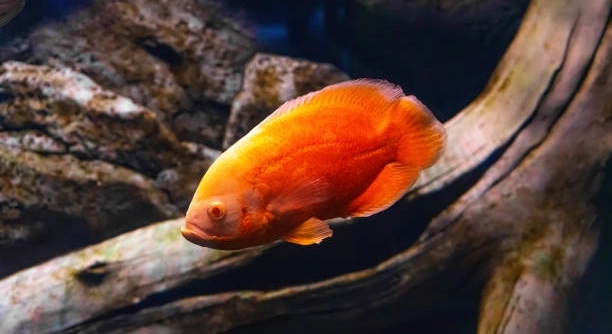
Oscar fish are often active and curious creatures, exploring their tanks with enthusiasm. However, there are times when they suddenly stop exploring, leaving their owners wondering what might be going on. This article will help explain why.
Oscar fish may stop exploring due to a variety of factors such as stress, poor water quality, illness, or a lack of stimulation. These conditions can cause them to feel unsafe or uncomfortable, leading to reduced activity levels.
Understanding these factors can help you address the underlying issues and encourage your Oscar fish to regain its active behavior.
Stress or Anxiety Can Cause Your Oscar Fish to Stop Exploring
Stress is one of the main reasons why your Oscar fish may suddenly stop being active. Changes in the tank environment, like new tank mates or unexpected noise, can make them anxious. Fish are sensitive to their surroundings, and when they feel threatened, they tend to hide or stay in one place for long periods. It’s important to observe your Oscar’s behavior and surroundings closely to identify any potential stressors.
Sometimes, a sudden shift in water parameters, like temperature or pH levels, can also create discomfort. Even the presence of predators or aggressive fish can trigger stress.
To reduce stress, ensure that the tank environment remains stable. Keep the water quality in check, avoid sudden changes, and add decorations or plants to help your fish feel secure. If the stress persists, try isolating aggressive tank mates or providing hiding spots to reduce anxiety. This can help bring back your Oscar’s playful behavior over time.
Poor Water Quality Might Be the Issue
Poor water quality often leads to a decrease in activity.
Oscar fish need clean, well-maintained water to thrive. If ammonia, nitrites, or nitrates build up, it can cause discomfort and make them lethargic. Regular water changes and the use of a filter are crucial to maintain a healthy environment for your fish.
Over time, unclean water can lead to various health issues, making it harder for your Oscar to move around comfortably. The water parameters should be checked frequently, and tanks should be cleaned at least once a week. Proper filtration can also help maintain consistent water conditions. The healthier the water, the more likely your Oscar fish will feel comfortable enough to resume exploring its tank. Regular maintenance can be the key to restoring their usual activity.
Illness Can Cause Reduced Activity in Oscar Fish
Oscar fish, like all animals, can stop exploring if they’re feeling sick. Common symptoms of illness include loss of appetite, cloudy eyes, or changes in their skin color. If your fish shows signs of being unwell, it’s important to act quickly.
If your Oscar seems lethargic, it might be dealing with parasites or bacterial infections. Diseases can affect the fish’s energy levels, making them less likely to swim around or explore the tank. You’ll want to quarantine any sick fish and check for symptoms that could point to a specific illness.
To help your Oscar recover, make sure the tank is clean and the water parameters are correct. Consult with an aquarium specialist or vet for proper treatment, and monitor your fish closely for improvements. A healthy environment and early treatment can make a significant difference in your fish’s behavior and overall health.
Lack of Stimulation May Lead to Boredom
Oscar fish are intelligent and curious, but they need things to keep their minds engaged.
If there’s nothing interesting in the tank, like decorations or new environments to explore, your Oscar may become bored and stop moving around. Even though they enjoy swimming, a lack of stimulation can result in inactivity. Try adding new plants, caves, or tank decorations to encourage exploration.
Additionally, changing the tank’s layout can help. Oscars enjoy exploring new spaces, and introducing different structures into their environment can spark their curiosity. Simple changes, like moving rocks or adding new hiding spots, can provide a much-needed mental challenge. Keeping the tank dynamic helps keep your Oscar fish from becoming too stagnant and encourages natural behaviors.
Tank Size and Environment May Affect Oscar Fish Activity
Oscar fish require plenty of space to feel comfortable. A cramped tank can lead to inactivity because they may not have enough room to swim around.
If your tank is too small for the size of your Oscar, it may feel restricted and less motivated to explore. Oscars can grow quite large, so ensure your tank is appropriately sized to accommodate their growth.
Keeping your tank clean and providing enough space for your fish to move freely will encourage natural behaviors. A larger tank with plenty of room gives your Oscar the freedom to swim and explore without feeling confined.
Overfeeding Can Lead to Lethargy
Overfeeding is another issue that may lead to a less active Oscar.
When fish eat too much, it can cause them to become sluggish or bloated. This can limit their ability to move freely and explore. Ensuring you feed your Oscar the right amount of food for its size is essential.
Feed your fish once or twice a day and remove any uneaten food to maintain proper water quality. Too much food can lead to a range of issues, including a lack of energy, so controlling portion sizes will help your Oscar stay active.
Oscar Fish May Be Resting
Sometimes, Oscar fish may simply be resting, which can be mistaken for inactivity.
Just like other animals, Oscars need their rest and may take breaks from swimming. It’s completely normal for them to spend time at the bottom of the tank or hide in their favorite spot. This behavior usually happens during nighttime or after periods of active swimming.
FAQ
Why is my Oscar fish hiding all the time?
Hiding is a natural behavior for Oscar fish, especially if they are feeling stressed or threatened. Stress factors like changes in the environment, new tank mates, or sudden movements around the tank can cause them to retreat. It can also happen if they are sick or uncomfortable with their water quality. If you notice your Oscar hiding a lot, check the water parameters, ensure there are no aggressive tank mates, and consider adding more hiding spots like rocks or plants. Over time, as they feel more secure, they should come out more often.
Is my Oscar fish sick if it’s not exploring?
Not necessarily. While a lack of exploration can sometimes indicate illness, it’s not always the case. Oscars can become less active if they are stressed, bored, or simply need rest. However, if the lack of movement is accompanied by other symptoms like loss of appetite, cloudy eyes, or abnormal swimming patterns, there may be a health issue. In such cases, monitor the water quality closely and consult a vet if necessary. Ensuring that your Oscar has a balanced diet and a clean, stable environment can help prevent illness-related inactivity.
How often should I change the water to keep my Oscar active?
Oscar fish require clean water to stay healthy and active. Regular water changes are essential to maintain the right environment. A good rule of thumb is to change 25% to 30% of the water every week. If you have a smaller tank or a higher fish load, you may need to change more frequently. This helps remove toxins like ammonia and nitrates that can build up over time, affecting your Oscar’s health and activity. Always make sure that the new water is treated and matches the tank’s temperature and pH levels to avoid stressing the fish.
Can an Oscar stop exploring due to tank size?
Yes, the size of your tank plays a significant role in your Oscar’s behavior. If the tank is too small, your fish might feel confined and stressed, leading to less movement. Oscars need plenty of space to swim and explore. For an adult Oscar, a tank size of at least 75 to 100 gallons is recommended. If the tank is too crowded or doesn’t allow the fish to swim freely, they may become lethargic. Providing a spacious environment with hiding spots, plants, and decorations can help stimulate your Oscar’s curiosity and encourage more active behavior.
What should I do if my Oscar fish refuses to eat and is not moving around?
If your Oscar refuses to eat and is inactive, this could be a sign of stress, illness, or poor water quality. Begin by checking the water parameters—ensure the temperature, pH, ammonia, nitrites, and nitrates are in the correct range. Poor water conditions can make your fish uncomfortable, causing a lack of appetite and activity. If the water quality is fine, try feeding different types of food to see if that sparks their interest. If your Oscar continues to refuse food and remains inactive, it might be time to consult a vet to rule out any health problems.
Can I add more fish to the tank if my Oscar isn’t exploring?
Adding more fish to your Oscar’s tank could help with stimulation, but it depends on your Oscar’s personality and the size of the tank. Oscars are territorial and can be aggressive toward smaller fish or other tank mates. Before adding new fish, ensure your tank is large enough to accommodate everyone and that your Oscar won’t feel threatened or overcrowded. Also, consider adding fish that are large enough to defend themselves from an Oscar’s aggression, like large catfish or other robust species. Adding more fish should be done cautiously, as it could also cause more stress and reduce exploration further.
Can the water temperature affect my Oscar’s activity levels?
Yes, water temperature has a significant effect on your Oscar’s activity levels. Oscars are tropical fish that thrive in temperatures between 74°F and 81°F (23°C to 27°C). If the water is too cold, they may become sluggish, hiding more often and showing reduced movement. Similarly, if the water is too warm, it can cause stress, leading to lethargy or even health issues. It’s important to maintain a stable water temperature within the recommended range and use a reliable aquarium heater to prevent fluctuations that could affect your fish’s behavior.
Why does my Oscar swim in circles or pace back and forth?
If your Oscar swims in circles or paces back and forth, it could be a sign of stress or boredom. This behavior often occurs when the fish is not receiving enough stimulation in its environment. Try adding more decorations, plants, or hiding spots to create a more interesting environment. It could also mean your Oscar feels restricted in its tank, so consider upgrading to a larger tank if needed. In some cases, repetitive swimming patterns can also indicate a medical issue, such as swim bladder disorder, so keep an eye on any other unusual behavior and consult a vet if needed.
Can Oscar fish be inactive during certain times of the day?
Yes, Oscar fish can be less active during certain parts of the day. Like many fish, Oscars have natural resting periods, usually during the night or after eating. They may hide or rest at the bottom of the tank, especially in the evening. This behavior is completely normal and should not be mistaken for illness or stress. However, if your Oscar is inactive throughout the entire day, it could be due to other factors, such as poor water quality, stress, or health issues. Make sure the environment is stable and check for any signs of discomfort or illness.
Can Oscar fish stop exploring if they are too full?
Yes, overfeeding can make your Oscar feel sluggish. If they are too full, they might become lethargic, which can prevent them from swimming or exploring. It’s important to feed your Oscar the right amount of food, which is typically one or two feedings a day with only as much food as they can eat in a few minutes. Any uneaten food should be removed to maintain water quality. Overfeeding not only leads to inactivity but can also cause long-term health problems like obesity and organ damage.
Final Thoughts
Oscar fish are naturally curious and active, but there are several reasons why they might stop exploring. It could be due to stress, illness, poor water quality, or even boredom. Understanding the underlying cause is key to addressing the issue and helping your Oscar return to its usual behavior. Whether it’s adjusting the tank environment, improving water conditions, or offering more stimulation, there are many ways to encourage your fish to become more active again.
It’s important to keep in mind that Oscars, like other fish, have their own personalities. Some may naturally be more laid-back, while others are more energetic. However, if your Oscar’s behavior changes suddenly, it’s often a sign that something is affecting their well-being. Regular water checks, a comfortable tank environment, and appropriate tank mates are essential to ensuring your Oscar feels safe and secure. Keeping these factors in mind will help prevent inactivity and keep your fish happy.
If your Oscar continues to show signs of inactivity, consider consulting an aquarium professional or vet. They can help diagnose potential health issues and provide guidance on how to improve your fish’s environment. Ensuring your Oscar has a balanced diet, clean water, and enough space to explore will go a long way in restoring their natural curiosity and energy. By staying proactive and attentive, you can support your Oscar’s health and enjoy a lively, thriving fish in your aquarium.

Hello,
If you enjoy the content that we create, please consider saying a "Thank You!" by leaving a tip.
Every little bit helps us continue crafting quality advice that supports the health, happiness, and well-being of pets around the world, for pets of all shapes, sizes, and species.
We really appreciate the kindness and support that you show us!