
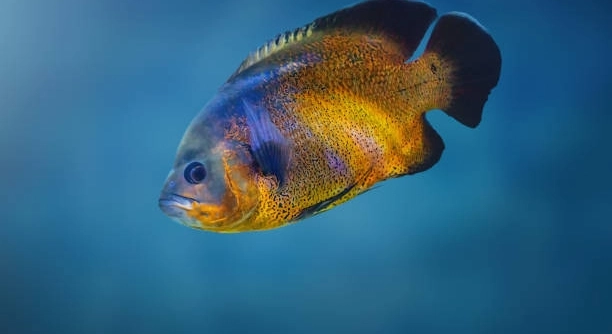
Oscar fish are known for their vibrant colors and energetic nature, but sometimes, they can surprise owners by jumping out of their tanks. If you’re new to caring for Oscar fish, understanding this behavior can help you keep them safe and comfortable.
Oscar fish may jump due to stress, territorial behavior, or an attempt to escape poor water conditions. Additionally, they may jump when startled or seeking a mate. Understanding these reasons can help mitigate this behavior and create a safer environment.
By knowing the factors that contribute to jumping, you can take steps to prevent it and ensure your Oscar fish thrive in their tank. Let’s explore these causes and solutions in detail.
Stress and Anxiety
Oscar fish are highly sensitive to their environment, and stress is a major reason why they might jump. If the tank is too small, they may feel confined and anxious, leading to erratic behavior. Stress can also be caused by sudden changes in the water conditions, such as temperature shifts or fluctuations in pH levels. Additionally, overcrowded tanks can contribute to anxiety, as the fish feel there isn’t enough space to swim freely.
When Oscars feel stressed, they may startle easily, causing them to jump out of the water in an attempt to escape the discomfort.
To reduce stress, ensure your tank is large enough to accommodate the size of the fish. Regularly monitor water conditions, keeping them stable, and avoid making sudden changes. Consider using a lid to help contain the fish and reduce escape attempts. Creating a peaceful environment helps keep Oscar fish calm and less prone to jumping.
Poor Water Conditions
Oscar fish require clean, stable water to thrive. Poor water quality is another common cause of jumping. When ammonia, nitrites, or nitrates build up in the tank, fish may try to escape the unfavorable conditions. High levels of these substances can be toxic, stressing the fish out.
Testing water regularly and performing consistent water changes is essential to maintaining the right balance. Ensure the filtration system is adequate to keep the water clean, as poor filtration can lead to the accumulation of harmful substances. It’s also important to keep the temperature and pH within the recommended range for Oscar fish.
A clean tank not only supports your fish’s health but also prevents behavior like jumping. Take the time to monitor your tank’s water regularly, and invest in good filtration equipment to keep the environment stable. This simple maintenance can go a long way in ensuring your fish feel safe and happy.
Overcrowding
Overcrowded tanks lead to stress for Oscar fish. With too many fish in one space, they feel cramped and become more prone to jumping. Oscars need plenty of room to swim around and establish their territory. If the tank is too crowded, the fish become anxious and more likely to jump out.
To prevent overcrowding, ensure your tank size matches the number and size of your fish. Oscars need at least 55 gallons of water to feel comfortable. If you have multiple Oscars, consider increasing the size of the tank to allow each fish to claim its space.
Overcrowding isn’t just about the number of fish. Tank decorations or plants that block swimming space can also contribute to the feeling of confinement. Give your Oscar fish room to swim freely and avoid adding unnecessary items that may make them feel restricted. A larger, less cluttered tank can make a big difference in reducing jumping behavior.
Temperature Fluctuations
Oscars are sensitive to changes in temperature. If the water in the tank shifts too quickly or varies too much, it can cause stress, leading to jumping. A sudden temperature drop or rise can confuse the fish, making them feel unsafe in their environment.
To prevent temperature fluctuations, invest in a reliable heater and thermometer. Make sure the heater is suitable for the size of the tank and can maintain a consistent temperature within the ideal range for Oscars, typically between 74°F and 81°F. Avoid placing the tank in an area that experiences drafts or sudden temperature changes, like near windows or air vents.
Maintaining a stable, comfortable temperature ensures your Oscar fish feel secure in their home. If temperature changes are drastic or constant, your fish will react by trying to escape the situation. Keep the water temperature steady and monitor it regularly to help reduce stress and prevent jumping.
Territorial Behavior
Oscar fish are known for being territorial, and they may jump to defend their space. They tend to become aggressive when other fish intrude on their area. If they feel threatened, jumping might be an attempt to escape or assert dominance.
Providing plenty of space and hiding spots can help minimize territorial behavior. A larger tank, along with plants and decorations, will give your Oscar a safe space to claim. Avoid adding other aggressive fish that could provoke your Oscar and lead to more frequent jumping.
By offering a peaceful environment and carefully selecting tank mates, you can reduce territorial issues. This allows your Oscar fish to feel more secure and less likely to jump in response to perceived threats.
Sudden Movements or Noise
Oscars are highly sensitive to changes in their environment. Sudden movements or loud noises can startle them, triggering a jump. This could be caused by loud music, the presence of pets, or quick movements near the tank. They react by trying to escape whatever startled them.
To reduce this, try to keep the tank in a quieter, more stable area of the home. Avoid making sudden movements around the tank, and keep noise levels low. These simple adjustments can help keep your Oscar calm and prevent them from jumping due to fear.
Mating Behavior
Oscar fish are known to jump when they are in mating mode. During breeding, they can become highly territorial and excited, leading to erratic behavior, including jumping out of the tank. This is often a sign that they are preparing to mate or guard their nest.
To manage mating behavior, provide a large, separate space for breeding. You can also add more hiding spots to reduce stress between males and females. A breeding tank with minimal distractions can keep the fish calm during this time and prevent them from jumping out of excitement.
FAQ
Why does my Oscar fish keep jumping out of the tank?
Oscar fish jump for various reasons. It’s usually due to stress, poor water quality, territorial behavior, or environmental disturbances like sudden changes in temperature or loud noises. If the tank is too small or overcrowded, they may feel confined and try to escape. Water quality is another major factor—high ammonia or nitrate levels can stress them out. Ensuring the tank is large enough, the water is clean, and the environment is calm can help prevent this behavior.
How can I stop my Oscar fish from jumping out of the tank?
To prevent jumping, first ensure your tank is large enough for your Oscar. They require at least 55 gallons, but bigger is always better. Regularly test the water to keep ammonia, nitrite, and nitrate levels in check. Adding a secure lid to the tank can help contain the fish and prevent them from jumping out. Additionally, minimize loud noises or sudden movements near the tank, as these can startle the fish.
What is the ideal tank size for an Oscar fish?
Oscar fish need a large tank because they grow to a significant size and are active swimmers. A 55-gallon tank is the minimum recommended size for one Oscar, though 75 gallons or more is ideal for long-term health. A larger tank offers more space for swimming and helps reduce stress.
Do Oscar fish need tank mates?
Oscar fish can live alone, and in fact, many prefer it. They are territorial and might become aggressive toward other fish, especially in a smaller tank. If you do want tank mates, choose fish that are similarly sized and not overly aggressive. Larger, peaceful fish like plecos or certain cichlids can work well, but always monitor interactions to ensure they get along.
Can Oscar fish live with other species?
While Oscar fish can live with other species, it’s important to choose tank mates carefully. They may attack smaller fish or any that invade their territory. Tank mates should be large enough to defend themselves but peaceful in nature. Avoid mixing Oscars with very small or shy fish, as they might get stressed or eaten.
What is the best way to maintain water quality for an Oscar fish?
Maintaining water quality involves regular water changes and good filtration. Change 20-30% of the tank water weekly to keep ammonia, nitrites, and nitrates at safe levels. Use a high-quality filtration system that can handle the waste produced by an Oscar fish. Test the water regularly with a reliable kit to ensure the levels of pH, ammonia, nitrites, and nitrates are within the ideal range.
What is the ideal temperature for Oscar fish?
Oscar fish thrive in water that is between 74°F and 81°F. They are tropical fish, so it’s important to keep the water within this range to avoid stressing them. Use a reliable heater to maintain a consistent temperature, and avoid drastic fluctuations, as this can lead to illness or jumping behavior.
How do I know if my Oscar fish is stressed?
Signs of stress in Oscar fish include swimming erratically, hiding frequently, losing color, or displaying aggressive behaviors. They may also stop eating or start jumping out of the tank. If you notice these symptoms, it’s important to check water quality and make sure the tank is not overcrowded. Reducing stress can help keep your fish healthy and reduce jumping.
Why is my Oscar fish attacking its tank mates?
Oscar fish are territorial, and they may attack other fish if they feel their space is being invaded. This behavior is especially common during breeding seasons or when the fish feels stressed or threatened. To minimize aggression, ensure the tank has enough space and hiding spots, and avoid keeping fish that are too small or timid.
How can I help my Oscar fish feel more comfortable?
To make your Oscar fish feel comfortable, provide a tank large enough for it to swim freely. Include hiding spots such as rocks or plants where your fish can retreat if it feels threatened. Keep the water conditions stable by regularly testing and changing the water. Reducing loud noises and sudden movements near the tank can also help the fish feel more at ease.
Can I feed my Oscar fish live food?
Oscar fish are carnivorous and will eat live food in the wild, but feeding live food in captivity can pose risks. Live prey may carry diseases or parasites that can harm your Oscar. Instead, offer a variety of high-quality pellet or frozen food designed for carnivorous fish. If you choose to feed live food, make sure it is from a safe, trusted source.
How often should I feed my Oscar fish?
Oscar fish should be fed once or twice a day, depending on their age and activity level. Younger Oscars tend to eat more frequently, while adult Oscars can be fed once a day. It’s important to provide enough food to keep them full but avoid overfeeding, as excess food can lead to poor water quality and health problems.
Can Oscar fish live in a community tank?
While it is possible for Oscar fish to live in a community tank, it’s not always recommended due to their aggressive and territorial nature. Oscars may bully smaller or more passive fish, especially in a smaller tank. If you decide to have a community tank, choose other large, non-aggressive fish that can hold their own against the Oscar.
What can I do if my Oscar fish is not eating?
If your Oscar fish is not eating, it could be stressed, ill, or the water conditions might be poor. First, check the water quality to ensure it’s at optimal levels. If the water is fine, try offering a variety of foods, including pellets, frozen, and live options. If the fish still refuses to eat, consult a vet to rule out illness.
Why is my Oscar fish turning dark or pale?
Oscars can change color due to stress, illness, or environmental factors. If your fish is turning dark or pale, it could be a sign of stress, poor water conditions, or disease. Test the water quality immediately and adjust if necessary. If the color change persists, seek professional advice from an aquatic vet.
What type of filter should I use for my Oscar fish tank?
For an Oscar fish tank, you’ll need a powerful filtration system capable of handling the high bio-load produced by these large fish. A canister filter or a high-flow filter is ideal for keeping the water clean and oxygenated. Ensure the filter has enough capacity to handle the size of your tank and the number of fish in it. Regular maintenance of the filter is essential to keep the water quality high.
Final Thoughts
Oscar fish can make great pets, but they require attention and care to ensure they stay healthy and happy. One of the biggest challenges Oscar fish owners face is preventing their fish from jumping out of the tank. This behavior is usually a sign that something in their environment is causing stress or discomfort. Whether it’s due to poor water quality, overcrowding, or territorial aggression, it’s important to identify and address the root causes to stop the jumping. By understanding the reasons behind this behavior, you can create a better environment that reduces the likelihood of your Oscar jumping out of its tank.
Providing a comfortable, safe space for your Oscar fish is key to preventing stress. A large tank with plenty of space to swim is a good start. Oscars need room to move around, and a cramped environment can make them feel trapped. It’s also important to monitor water conditions carefully. Regular water changes, proper filtration, and maintaining the correct temperature are essential to their health. Keeping the tank in a quiet, stable area of your home will also help your fish feel secure, as sudden noises or movements can startle them into jumping.
In addition to the physical environment, it’s important to consider the social aspect of keeping Oscar fish. They are territorial and may become stressed if other fish invade their space. Providing hiding spots and ensuring the tank isn’t overcrowded can help reduce aggressive behavior. If you plan on keeping multiple Oscars or other fish in the same tank, make sure the fish are compatible in size and temperament. Understanding and addressing your Oscar’s needs will go a long way in keeping them happy and reducing jumping behavior.

Hello,
If you enjoy the content that we create, please consider saying a "Thank You!" by leaving a tip.
Every little bit helps us continue crafting quality advice that supports the health, happiness, and well-being of pets around the world, for pets of all shapes, sizes, and species.
We really appreciate the kindness and support that you show us!