
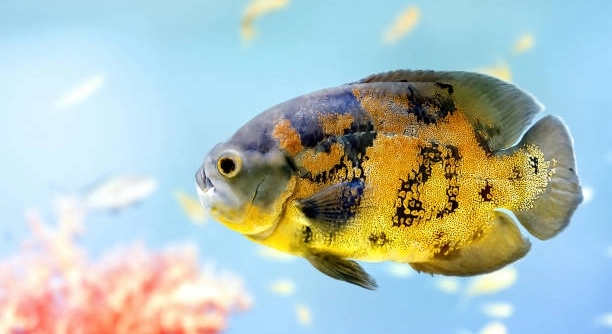
Oscar fish are fascinating creatures, often seen scratching rocks in their tanks. This behavior can be puzzling for many owners. Understanding why your Oscar fish scratches rocks can help ensure their well-being and happiness in your aquarium.
Oscar fish scratching rocks is typically caused by irritation or stress. It could be due to parasites, rough tank surfaces, or a lack of stimulation in the environment. Monitoring water quality and tank setup may help prevent these behaviors.
Addressing these issues can lead to a more comfortable and healthier environment for your Oscar fish.
Possible Causes of Scratching in Oscar Fish
Oscar fish scratching rocks can stem from several causes. One common reason is the presence of external parasites like ich. These parasites cause irritation, prompting your fish to rub against rough surfaces like rocks or decorations in an attempt to relieve discomfort. Poor water quality also plays a role in triggering stress and skin issues, leading to scratching behavior.
In addition to parasites and water quality, physical irritation from rough surfaces in the tank can cause scratching. Oscar fish are known for their curious nature and may come into contact with decorations or objects in their environment that scratch their skin. If the tank setup isn’t suitable, this can lead to consistent rubbing.
Another factor to consider is water temperature. Extreme fluctuations can irritate the skin, leading to abnormal behaviors like scratching. Ensure the water temperature remains steady and within the proper range for Oscar fish to avoid such issues. A consistent environment can improve their health and reduce stress.
Improving Tank Conditions for Healthier Fish
Water changes are a quick fix to prevent scratching. Fresh, clean water promotes better skin health and reduces irritation.
Maintaining a proper filtration system is essential for reducing the risk of infections and stress. It helps keep the water clear of harmful substances like ammonia and nitrites, which can irritate your Oscar fish’s skin. Additionally, regular water changes remove toxins that build up over time. Aim to perform partial water changes every week to ensure optimal water quality.
It’s also important to inspect any decorations in the tank. Decorations with sharp edges or rough surfaces can cause abrasions. Choose smooth, fish-friendly decorations to prevent physical harm. Furthermore, consider adding plants to the tank, which provide hiding spots and enrichment for your Oscar fish. A more comfortable and stimulating environment will reduce the chances of scratching behavior and help your fish thrive.
Tank Temperature and Its Effect on Scratching
Oscars are sensitive to temperature changes. When the water temperature fluctuates, it can cause stress and skin irritation. This makes them more likely to scratch against rough surfaces like rocks. Maintaining a steady temperature between 74°F and 81°F will help keep them comfortable and less prone to scratching.
Sudden temperature shifts, like those caused by heaters malfunctioning or cold drafts near the tank, can also trigger stress. This disrupts the Oscar fish’s natural behavior and can make them more susceptible to skin issues. A reliable aquarium heater can keep the temperature stable, ensuring your Oscar stays healthy. Regularly check the water temperature with a thermometer to avoid any unpleasant surprises.
If the temperature is too high, it can also lead to oxygen depletion in the water, which further stresses your fish. Lowering the temperature slightly and increasing aeration in the tank can help reduce both the scratching behavior and the risk of oxygen-related issues.
Identifying and Treating External Parasites
External parasites like ich are often the root cause of scratching. These parasites attach themselves to the fish’s skin, causing irritation. Infected Oscars may scrape against rocks, decorations, or the tank substrate in an effort to relieve discomfort.
Treatment for external parasites typically involves medicating the tank with an appropriate anti-parasitic treatment. There are several medications available, so it’s important to select one specifically designed for the type of parasite you suspect. Follow the directions closely to avoid harming the fish. In many cases, raising the water temperature slightly can speed up the parasite’s life cycle, allowing the medication to work more effectively.
Once the parasites are under control, make sure the water quality remains optimal. This will prevent further outbreaks and help your fish recover more quickly. Treating the tank as a whole, including decorations, will ensure the environment remains parasite-free, allowing your Oscar fish to heal fully and reduce scratching.
Rough Tank Surfaces and Their Impact
Sharp or rough surfaces can irritate your Oscar’s skin, leading to scratching. If there are decorations or rocks with jagged edges, they could be the cause of the behavior. Smooth, rounded decorations are ideal for minimizing abrasions and providing a safer environment for your fish.
Rearranging or replacing rough objects with softer alternatives can make a significant difference. By switching to smoother surfaces, you reduce the risk of injury and prevent the constant rubbing behavior. Check any aquarium decorations regularly to ensure they are safe and won’t harm your fish’s skin.
Stress and Environmental Factors
Oscar fish are highly sensitive to their surroundings. Loud noises, excessive tank cleaning, or overcrowding can all cause stress, which can result in behaviors like scratching. It’s essential to maintain a calm and quiet environment for them to thrive.
By providing your Oscar fish with enough space and a stable environment, stress is minimized, reducing the likelihood of scratching. Oscars enjoy having their territory, so be mindful of tank companions and avoid overcrowding. A peaceful aquarium can keep them calm and healthy, avoiding unnecessary stress-induced behaviors.
Water Quality and Scratching Behavior
Water quality is a major factor in your Oscar’s overall health. Poor water quality can lead to skin irritation, making scratching more frequent. Ammonia, nitrites, and nitrates can cause damage to your fish’s skin, leaving them more vulnerable to infections and discomfort.
Maintaining a clean tank with a reliable filtration system ensures that the water remains free from harmful chemicals. Regular water changes and testing the water parameters help prevent imbalances that could lead to scratching. Oscars are especially sensitive to changes in water chemistry, so staying on top of it is crucial for their well-being. Healthy water means fewer skin issues and less scratching.
FAQ
Why is my Oscar fish scratching its rocks?
Scratching is often a sign of irritation or discomfort. It could be caused by external parasites, such as ich, which cause the fish to rub against surfaces to relieve itching. Rough tank surfaces, poor water quality, or stress can also contribute to this behavior. Identifying the underlying cause is key to addressing the issue.
How do I know if my Oscar fish has parasites?
You’ll notice that your Oscar may display unusual behaviors, such as excessive scratching, rubbing against objects, or even flashing (quick, darting movements). You may also see visible white spots or lesions on their skin. If any of these symptoms are present, consider treating your tank for parasites.
What can I do to treat external parasites?
To treat external parasites, start by raising the water temperature slightly, as this accelerates the life cycle of many parasites. You can also add a medicated treatment designed for the specific parasite you believe your fish may have. Always follow the instructions carefully to avoid harming your fish.
Is it safe to use a heater for my Oscar fish?
Yes, it’s essential for maintaining a stable temperature in your Oscar fish’s environment. A heater helps regulate the water temperature within the optimal range for Oscars, which is between 74°F and 81°F. Make sure to use a reliable heater and monitor the temperature to avoid sudden fluctuations.
How do I maintain good water quality for my Oscar fish?
Regular water changes and proper filtration are the most important aspects of maintaining good water quality. Test the water regularly to ensure the ammonia, nitrite, and nitrate levels are safe. Replace 25% to 30% of the tank water weekly, and clean the filter to keep everything running smoothly.
Can rough decorations cause scratching in Oscars?
Yes, rough decorations can lead to abrasions on the skin of your Oscar fish. Oscars are naturally curious, and if there are jagged edges in the tank, they may scrape against them, leading to irritation and scratching. Always opt for smooth decorations and rocks to minimize the risk of injury.
How often should I change the water in my Oscar fish tank?
You should perform partial water changes every week, replacing about 25% to 30% of the tank’s water. This helps keep the water clean and reduces the buildup of harmful toxins. Regular water changes are essential for preventing issues like skin irritation, which can lead to scratching.
Can stress cause Oscar fish to scratch?
Yes, stress is a common factor that can lead to scratching. Oscars are sensitive to environmental changes, such as loud noises, overcrowding, or other tankmates. Stress weakens their immune system, making them more susceptible to skin issues and parasites. A stable and calm tank environment is important to reduce stress.
What are some signs that my Oscar fish is stressed?
Signs of stress in Oscars can include rapid gill movement, erratic swimming, hiding, reduced appetite, or rubbing against objects. If your Oscar is consistently showing these signs, it’s important to evaluate the tank environment and water quality to ensure it is not causing unnecessary stress.
Do Oscars need specific water conditions?
Yes, Oscars require stable water conditions. They thrive in water with a pH of 6.5 to 7.5, hardness levels of 8-12 dGH, and temperatures between 74°F and 81°F. Maintaining these conditions is crucial to their health, and any sudden changes can cause stress and skin issues, leading to scratching behavior.
Should I quarantine new fish before adding them to the tank?
Yes, quarantine new fish before introducing them to your main tank. This helps prevent the spread of diseases or parasites that may be carried by new fish. Keep the new fish in a separate tank for at least two weeks and monitor them for any signs of illness before adding them to the main aquarium.
How can I improve my Oscar fish’s environment to prevent scratching?
Improving your Oscar fish’s environment can help reduce scratching. Ensure the tank is large enough for your fish, with plenty of space to swim. Keep the water clean and well-filtered, and remove any rough decorations that could cause injury. Adding hiding spots like plants or caves can reduce stress and promote a sense of security.
Can poor diet contribute to scratching in Oscar fish?
A poor diet can weaken your Oscar’s immune system, making it more susceptible to diseases and skin issues. Feed them a balanced diet, including high-quality pellets, frozen or live foods, and occasional treats. A well-fed Oscar is more likely to have a healthy, strong immune system and fewer skin problems.
What is the best substrate for Oscar fish tanks?
The best substrate for Oscar fish is smooth gravel or sand. Avoid sharp or jagged rocks that could scratch their delicate skin. Smooth substrates are easier to clean and prevent injury. Ensure that the substrate is not too fine, as this can cause issues with water quality.
Is it okay to have tankmates with my Oscar fish?
Oscar fish are territorial and can be aggressive, so it’s important to choose tankmates carefully. Larger fish that can hold their own are ideal companions. Avoid smaller fish that could be seen as prey. Always observe your fish’s behavior when introducing new tankmates to ensure compatibility.
How do I know if my Oscar fish is healthy?
A healthy Oscar will swim normally, have vibrant coloring, and eat regularly. Its scales should be intact and free of lesions, and it should not display excessive scratching or rubbing behavior. If your Oscar seems lethargic or shows signs of illness, check the water quality and tank conditions.
What should I do if my Oscar fish keeps scratching?
If your Oscar fish continues to scratch, first rule out water quality issues and parasites. Test the water and treat for any signs of parasites. If scratching persists despite proper water conditions, examine the tank for rough surfaces or stress factors. Ensuring a peaceful, clean environment is key to resolving the issue.
Final Thoughts
Oscar fish are generally healthy and active when kept in an environment that supports their needs. However, scratching can be a sign that something is off in their tank or their overall health. Identifying the cause is important in helping them return to their usual behavior. Whether it’s rough surfaces, parasites, or poor water conditions, taking action early will prevent further issues.
A stable environment is key to keeping Oscars happy and healthy. Regular water changes, proper filtration, and smooth decorations can greatly reduce the risk of scratching. Stress is another major factor to consider. Oscars do best when they feel secure in their space, so avoiding overcrowding and providing hiding spots can make a big difference. Keeping the tank at a consistent temperature and maintaining water quality also goes a long way in preventing health problems.
By staying proactive and monitoring your Oscar’s behavior, you can easily address any scratching issues that arise. It’s also essential to maintain a well-balanced diet to support their immune system. A healthy Oscar is a happy Oscar, and ensuring that your fish is in an ideal environment will allow it to thrive.

Hello,
If you enjoy the content that we create, please consider saying a "Thank You!" by leaving a tip.
Every little bit helps us continue crafting quality advice that supports the health, happiness, and well-being of pets around the world, for pets of all shapes, sizes, and species.
We really appreciate the kindness and support that you show us!