
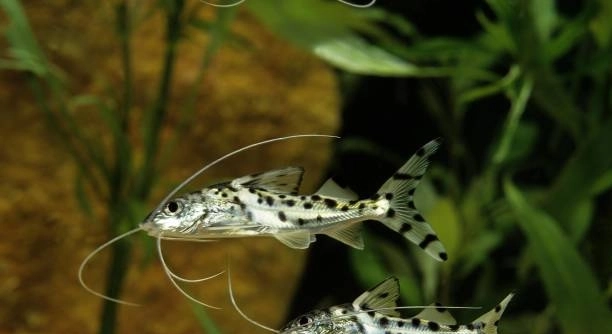
Keeping a Pictus catfish tank healthy requires careful attention to how many fish are inside. Overcrowding can cause stress, disease, and poor water quality. Many tank owners do not realize how quickly problems start when space is limited.
Overcrowding a Pictus tank reduces oxygen levels, increases waste buildup, and raises aggression among fish, which can lead to illness and death. Maintaining proper stocking levels is essential for the well-being and longevity of these sensitive fish.
Knowing why space matters will help you create a better home for your Pictus catfish. This article explains key reasons to avoid overcrowding and how to keep your tank balanced.
Stress and Aggression Increase in Crowded Tanks
When too many Pictus catfish share the same space, stress levels rise quickly. These fish need room to swim freely and avoid constant contact with others. Overcrowding means they compete for hiding spots, food, and territory, which can lead to aggressive behavior. Stress weakens their immune system, making them more vulnerable to infections and disease. In addition, fighting can cause physical injuries that worsen their health. Watching your Pictus struggle or act restless can be upsetting, and it is usually a sign the tank is too full. Giving them enough space helps keep them calm, healthy, and less likely to fight. It also improves their natural behavior, allowing them to explore and interact comfortably without feeling threatened or overwhelmed by other fish.
Stress can be avoided by keeping the tank population at a reasonable level, giving each fish enough space to thrive.
By managing tank size properly, you create a peaceful environment. Pictus catfish need open water and places to hide but not too many neighbors close by. This balance reduces tension and stops fights before they start. A calm tank means healthier fish and less worry for you. Avoiding overcrowding also helps maintain water quality, since fewer fish produce less waste. In a spacious tank, fish swim actively and display their natural behaviors, making them easier and more enjoyable to care for. Your Pictus will show better color and energy when they feel secure and comfortable. Overall, keeping the right number of fish in your tank ensures a happy, healthy group.
Water Quality Declines Rapidly in Overcrowded Tanks
Overcrowding leads to more waste than the tank can handle. Fish produce ammonia, which is harmful in high amounts. When many fish live close together, ammonia and other toxins build up quickly. This harms fish gills, stresses their bodies, and can cause illness or death if untreated. Filters can only process so much waste, and overcrowded tanks overload them. Poor water quality also encourages algae growth, making the tank look dirty and less healthy. Testing water regularly is important, but preventing overcrowding is the best way to keep water clean and safe. Lower fish numbers reduce waste, making maintenance easier and more effective.
Maintaining good water quality is essential for Pictus catfish survival and overall tank health.
Regular water changes help but can only do so much when the tank is crowded. High waste levels cause oxygen depletion, which further stresses fish. Overcrowded tanks often need more frequent cleaning and filter replacements. This adds time and cost to caring for your aquarium. By limiting how many fish you keep, you reduce these problems. The result is clearer water, stronger fish, and a more stable environment. Good water quality also prevents disease outbreaks, which are more common in dirty, overcrowded tanks. Keeping your tank balanced helps fish live longer and look their best. Clean water is the foundation of a healthy tank, and avoiding overcrowding makes this easier to maintain.
Oxygen Levels Drop in Overcrowded Tanks
Pictus catfish need well-oxygenated water to thrive. When the tank is crowded, oxygen levels drop because more fish use up oxygen faster. Low oxygen causes stress, making fish weak and more prone to disease.
In crowded tanks, oxygen depletion happens quickly as many fish consume the available oxygen. Poor water circulation and excess waste worsen this problem by reducing oxygen exchange at the water surface. Fish may gasp near the surface or become lethargic due to lack of oxygen. Without enough oxygen, their metabolism slows, affecting growth and immune function. Regular water changes help but cannot fix overcrowding-related oxygen issues fully. Proper stocking levels are necessary to maintain stable oxygen levels and ensure fish remain active and healthy.
Adding plants and aeration devices can improve oxygen but won’t replace the need for adequate space. Providing enough room for your Pictus catfish prevents oxygen shortages and keeps them comfortable.
Disease Spreads Faster When Fish Are Packed
When Pictus catfish live in close quarters, diseases spread more easily. Infections pass quickly through the crowded environment, putting all fish at risk. Overcrowding also weakens their immune defenses, making illnesses harder to fight.
Tightly packed fish have more physical contact, increasing chances of injury and infection. Bacteria, parasites, and fungi spread rapidly, especially if water quality is poor. Stress from overcrowding lowers immunity, allowing diseases to take hold and spread faster. Treating sick fish becomes difficult because the illness affects the entire tank. Preventing overcrowding reduces stress and disease risk, making tank maintenance easier and improving fish survival rates. Quarantining new fish before adding them also helps prevent disease introduction.
Keeping your tank population in check is one of the best ways to protect your Pictus catfish from common illnesses and keep your aquarium healthy.
Growth and Development Are Hindered
Overcrowding limits space for young Pictus to grow properly. When fish don’t have enough room, they may stop growing or develop poorly. This affects their health and lifespan.
Crowded tanks cause competition for food and space, which can stunt growth. Smaller or weaker fish get pushed aside and don’t eat enough. Without proper nutrition and room to swim, development slows. Healthy growth requires a balanced environment where all fish have access to food and space. Overcrowding disrupts this balance, leading to weaker fish that are more prone to illness.
Increased Maintenance Time and Costs
More fish means more waste, which increases cleaning and filter needs. Overcrowded tanks require frequent water changes and higher equipment costs to keep water safe and healthy.
Pictus Catfish Behavior Changes in Crowded Conditions
Pictus catfish may hide more or become unusually aggressive when stressed by overcrowding. This can affect their natural social habits and overall well-being.
How many Pictus catfish should I keep in my tank?
The ideal number depends on your tank size. A general rule is one inch of fish per gallon of water, but Pictus catfish are active swimmers and need more space. For a 30-gallon tank, keeping 3 to 5 Pictus catfish is a safe choice. This gives them enough room to swim and avoid stress. Larger tanks can hold more, but overcrowding still reduces their quality of life. It’s important to consider adult size since Pictus can grow up to 5 inches. Planning for their full size helps avoid overcrowding later.
What are the signs that my Pictus tank is overcrowded?
Common signs include constant fish chasing or fighting, fish hiding all the time, and visible stress like rapid gill movement. You may also notice poor water quality, such as cloudy water or a bad smell. Fish might gasp at the surface, showing lack of oxygen. Growth stunting and frequent illness are also warning signs. If your fish seem lethargic or are losing color, it may mean the tank is too full. Paying attention to these signs helps catch overcrowding early before serious health problems occur.
Can I add other fish to a Pictus tank without overcrowding?
Yes, but you must calculate total fish size and consider tank volume. Pictus catfish are peaceful but active, so avoid aggressive or very slow species that might get stressed. Small schooling fish like tetras can be good tank mates if the tank is large enough. Make sure the total fish population matches the tank’s capacity. Adding too many different species can increase waste and stress. Keep in mind each species has its own space and water quality needs. Proper planning keeps the tank balanced and healthy.
How often should I clean an overcrowded Pictus tank?
Overcrowded tanks need more frequent cleaning to keep water safe. Ideally, partial water changes should happen weekly, sometimes twice weekly if waste levels are high. Filters must be checked and cleaned regularly to avoid clogging. However, cleaning alone won’t fix overcrowding problems. It’s better to reduce the number of fish than rely on extra maintenance. Overcrowded tanks are harder to maintain and can become unhealthy quickly, so keeping proper stocking levels is the best solution.
Will plants help with overcrowding issues?
Plants can improve water quality by absorbing some waste and producing oxygen, which benefits Pictus catfish. However, plants don’t solve overcrowding itself. Too many fish still create too much waste and stress. Plants add hiding spots and reduce aggression, which helps a bit, but they cannot replace space. Using live plants is a good practice, but only as part of proper tank management, not a way to keep more fish than the tank can handle.
What should I do if my tank is overcrowded?
First, consider moving some fish to another tank or finding new homes for them. Reducing the number of fish will immediately improve water quality and reduce stress. Check water parameters and do a thorough cleaning when possible. Adjust your feeding to avoid overfeeding, which worsens water issues. If you plan to keep the same fish, upgrading to a larger tank is another option. Remember, less crowded tanks mean healthier, happier fish and less work for you.
Can overcrowding cause permanent damage to my Pictus catfish?
Yes, prolonged overcrowding can cause lasting health problems. Chronic stress weakens immune systems, making fish prone to infections and reducing lifespan. Physical injuries from fights can leave scars or make fish vulnerable to diseases. Poor water conditions also damage gills and organs over time. While some damage can heal, long-term overcrowding often leads to permanent harm or death. Prevention is key to keeping Pictus catfish healthy and thriving.
Is it better to keep fewer Pictus catfish or more in a bigger tank?
It’s generally better to keep a reasonable number of fish in a bigger tank than to overcrowd a smaller one. Larger tanks provide more stable water conditions and space for swimming. More room reduces stress and aggression, promoting natural behaviors and better health. However, adding more fish should still respect stocking guidelines. Too many fish in a large tank can cause similar problems. Balancing fish numbers with tank size is the best way to ensure a healthy environment.
How does overcrowding affect Pictus catfish behavior?
Overcrowding makes Pictus catfish more nervous and skittish. They may hide constantly or show aggressive behavior toward tank mates. These changes come from stress and lack of space. Fish might also become less active, losing their usual curiosity and energy. Over time, this impacts their health and reduces their lifespan. Providing enough room and hiding places helps maintain their natural calm behavior and keeps them comfortable.
Can I prevent overcrowding when setting up a new Pictus tank?
Yes, careful planning is essential. Start with a tank size that matches the number of fish you want. Research the adult size of Pictus catfish and their space needs. Avoid adding too many fish at once. Introduce new fish slowly and monitor water quality regularly. Use good filtration and aeration from the beginning. Establish a maintenance routine to keep the tank balanced. Planning ahead saves stress and effort later, creating a healthier home for your Pictus catfish.
Taking care of Pictus catfish means paying close attention to their living space. Overcrowding is a common problem that can cause many issues, from stress and disease to poor water quality and slowed growth. These fish need room to swim freely and stay healthy. When too many fish share a small tank, they suffer in many ways. It is important to keep their environment balanced by not adding too many fish and providing enough space for each one.
Maintaining proper stocking levels helps keep the tank clean and safe. Overcrowded tanks produce more waste, which can overload filters and harm water quality. This leads to low oxygen levels and a higher chance of illness spreading quickly. Keeping fewer fish in a tank means less waste, easier maintenance, and better water conditions. It also reduces aggression and stress among fish, helping them live longer and grow better. Providing hiding spots and good filtration supports their natural behavior and overall well-being.
In the end, the health of your Pictus catfish depends on a good environment. Avoiding overcrowding is one of the best ways to protect them. It may take some effort to find the right balance, but it is worth it. Healthy fish are more active, colorful, and enjoyable to watch. Taking the time to plan and maintain a spacious tank will give your Pictus catfish the best chance to thrive. This creates a peaceful and beautiful aquarium that brings satisfaction for years to come.

Hello,
If you enjoy the content that we create, please consider saying a "Thank You!" by leaving a tip.
Every little bit helps us continue crafting quality advice that supports the health, happiness, and well-being of pets around the world, for pets of all shapes, sizes, and species.
We really appreciate the kindness and support that you show us!