
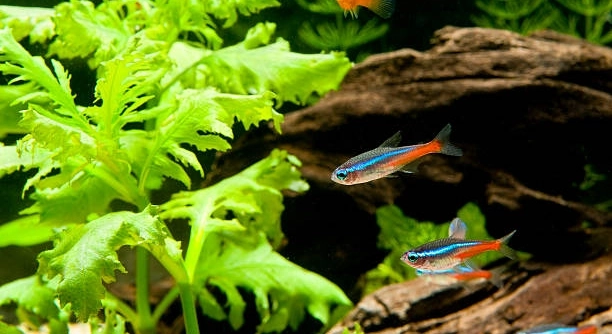
Neon Tetras are popular aquarium fish known for their vibrant colors. However, they may sometimes hover at the bottom of the tank, which can raise concerns. Understanding the causes behind this behavior is important for their well-being.
The most common reasons for Neon Tetras hovering at the tank bottom include poor water quality, stress, illness, or inadequate tank conditions. These factors disrupt their natural behavior, leading to this unusual behavior. Identifying and addressing the cause is crucial.
Correcting water parameters and ensuring a proper tank environment will help improve your Neon Tetra’s health and behavior.
Poor Water Quality
Water quality is one of the most important factors in an aquarium. If the water parameters are not ideal, Neon Tetras can become stressed and may hover at the tank’s bottom. High levels of ammonia, nitrites, or low oxygen levels can disrupt their behavior. Regular water changes and testing for proper pH, temperature, and salinity are essential to maintaining a healthy environment. Filtration also plays a key role. If the filter is not working properly, it can lead to poor water circulation, further stressing the fish. Neon Tetras thrive in clean, stable conditions, and poor water quality can quickly cause them to behave abnormally.
Regular water testing is essential in keeping your tank’s environment in check. Ammonia and nitrites should always be kept at zero, and pH should be stable. Adding a quality filter will improve water circulation, reducing stagnant areas where toxins could accumulate.
Additionally, consider using an air pump to ensure the water gets adequate oxygen. If you notice your Neon Tetra hovering, it could be a sign of oxygen deprivation or poor water circulation.
Stress and Overcrowding
Stress from overcrowding or incompatible tank mates is another reason why your Neon Tetra may hover. A cramped tank increases competition for space and food, creating tension among the fish. Neon Tetras need enough room to swim freely, so overstocking the tank can lead to stress and health issues. Even peaceful species can trigger stress if they aren’t a good match for the Tetras’ temperament. Tank mates that are too aggressive or territorial might cause your Neon Tetra to retreat to the bottom as a defense mechanism.
Ensure your tank is adequately sized and that the number of fish isn’t overwhelming for the space available. Neon Tetras do well in schools of 6 or more, but overcrowding can cause problems. Keep an eye on tankmates that might stress the Tetras, such as larger, more aggressive species. A peaceful community setup is crucial for their comfort and well-being.
Proper space and careful selection of compatible fish help create a peaceful, stress-free environment. This reduces the chance of your Neon Tetra feeling the need to retreat to the bottom.
Illness and Disease
Illness can cause Neon Tetras to act unusually, including hovering at the bottom. Parasites, internal infections, or external wounds may cause discomfort, leading to changes in behavior. If a Tetra seems lethargic or has visible symptoms like cloudy eyes, fin rot, or abnormal swimming, illness is likely.
When treating sick fish, ensure the water is pristine and adjust the temperature and pH to their needs. Depending on the symptoms, medications might be necessary to treat infections or parasites. Quarantine the sick fish if possible to avoid spreading the illness. Ensure their tank is kept clean, as poor water conditions can worsen the problem.
For proper recovery, continue monitoring the health of all your fish. Sick fish need calm, stable conditions to recover. If your Neon Tetra shows signs of illness, take quick action to address the issue. Early intervention will help avoid long-term health problems for your fish.
Improper Tank Setup
Neon Tetras require specific conditions to thrive. If the tank setup doesn’t match their needs, they may hover at the bottom. The lack of hiding spots or excessive lighting can cause discomfort. Proper décor, like plants and caves, provides security for these fish.
Ensure your tank includes enough hiding places to create a sense of safety. Neon Tetras feel more secure in tanks with soft lighting and shaded areas where they can retreat if needed. Avoid placing bright lights directly over the tank, as intense light can stress them. Additionally, ensure that the temperature and water conditions are stable. Neon Tetras prefer slightly acidic water between 72°F and 78°F, with a gentle filter that doesn’t create strong currents.
Revisit your tank’s setup if your fish seem uncomfortable or stressed. A properly arranged aquarium not only keeps your Neon Tetras healthy but also encourages their natural behavior.
Water Temperature Issues
Neon Tetras prefer a stable temperature range between 72°F and 78°F. A tank that’s too cold or too warm can stress them, causing them to hover at the bottom. Sudden temperature changes can also negatively affect their health and behavior.
Using a reliable aquarium heater helps maintain a consistent temperature. Avoid placing the tank in direct sunlight or near drafts, as these can cause temperature fluctuations. If the water gets too cold, your Tetras will become sluggish and seek the warmth of the tank’s bottom.
Regularly monitor the temperature with a thermometer to ensure it remains within the ideal range. Even minor fluctuations can have an impact, so try to keep the environment stable.
Tank Maintenance
A lack of regular maintenance can lead to an unhealthy environment, contributing to your Neon Tetra’s bottom-hiding behavior. Cleaning the tank and ensuring the filter is working efficiently are vital steps.
Regular water changes and checking for debris in the substrate will help keep the tank environment stable. An overcrowded or dirty tank can cause stress, leading to abnormal behavior. Also, avoid overfeeding, as excess food can decay, harming water quality.
Tank Size
Neon Tetras need ample space to swim, as being cramped can lead to stress and bottom-hovering behavior. A tank that is too small will limit their natural movement and make them feel vulnerable.
FAQ
Why is my Neon Tetra staying at the bottom of the tank?
Neon Tetras may stay at the bottom of the tank due to a few reasons, including poor water quality, stress, illness, or an unsuitable tank setup. It’s essential to assess the water parameters, the number of fish, tankmates, and the overall environment. Changes in behavior can also signal underlying health issues, so it’s important to observe closely for signs of illness.
How do I know if my Neon Tetra is stressed?
Stress in Neon Tetras can be caused by overcrowding, incompatible tank mates, or sudden changes in the environment. Signs of stress include abnormal swimming patterns, hiding at the bottom, faded colors, or erratic behavior. If you notice these signs, it’s crucial to address the stressor promptly to avoid further health complications.
Can Neon Tetras recover from being stressed?
Yes, Neon Tetras can recover from stress, but the recovery depends on the cause. Providing a calm, clean environment with stable water conditions will help reduce stress. Adding plants, creating hiding spots, and ensuring compatible tank mates can all assist in providing a more comfortable space for them.
Should I quarantine a sick Neon Tetra?
Yes, quarantining a sick Neon Tetra is advisable to prevent spreading potential diseases to the rest of your tank. A separate quarantine tank with clean water, stable conditions, and minimal stress can aid in recovery without the risk of infecting other fish.
What are common diseases that affect Neon Tetras?
Neon Tetras are prone to various diseases, including ich (white spot disease), velvet disease, and bacterial infections. Symptoms may include faded colors, white spots, lesions, or lethargy. Identifying the disease early will help in choosing the correct treatment, whether it’s medications or improving water conditions.
How can I prevent Neon Tetras from getting sick?
To prevent illness, maintain stable water quality, perform regular water changes, and ensure the tank has proper filtration. Avoid overcrowding and feed a balanced diet to help boost your fish’s immune system. Keeping the tank clean and removing uneaten food can also prevent harmful bacteria from growing.
Can poor water quality cause Neon Tetras to hover at the bottom?
Yes, poor water quality is one of the main causes of abnormal behavior in Neon Tetras. High levels of ammonia or nitrites, low oxygen levels, and incorrect pH can cause them to feel stressed or unhealthy, which may lead to them hovering at the bottom. Regular water testing is essential to avoid this.
How often should I clean my Neon Tetra’s tank?
You should clean your Neon Tetra’s tank regularly, at least once a week. Perform partial water changes of about 25% of the tank volume and clean the filter to prevent debris buildup. Removing excess food and waste will also help maintain water quality, ensuring a healthier environment for your fish.
What water temperature is ideal for Neon Tetras?
Neon Tetras thrive in water temperatures between 72°F and 78°F. Consistent temperature maintenance is essential, as fluctuations can cause stress and health issues. An aquarium heater with a reliable thermometer will help keep the water within the ideal range for your Tetras’ well-being.
Can Neon Tetras live with other species?
Yes, Neon Tetras can live with peaceful species, such as other small fish like Corydoras or shrimp. Avoid housing them with larger, more aggressive fish that may stress them or see them as prey. Ensure the tank provides enough space for all species to reduce territorial behavior and competition.
How can I help a Neon Tetra that is hovering due to illness?
If a Neon Tetra is hovering due to illness, it’s crucial to identify the symptoms and treat accordingly. Quarantine the fish to prevent spreading diseases, adjust water quality, and use appropriate medications based on the illness. Consistent monitoring and a stable environment will also assist in their recovery.
Can Neon Tetras live in tanks with strong currents?
Neon Tetras prefer calm water with minimal current. Strong currents can stress them, causing them to seek shelter at the bottom of the tank. If your tank has a strong current, consider adjusting the filter’s flow or adding plants to create a more tranquil environment for your fish.
Do Neon Tetras need a tank with plants?
While not essential, plants provide valuable hiding spots and security for Neon Tetras. Plants help reduce stress and provide a more natural environment. Live plants also help filter the water, maintain oxygen levels, and contribute to the overall health of the tank. Adding plants can enhance your Tetras’ well-being.
How many Neon Tetras should I keep in a tank?
Neon Tetras do well in schools of at least six individuals. Keeping them in groups promotes their natural behavior and reduces stress. However, the tank should be large enough to accommodate the group size without overcrowding. Generally, a 10-gallon tank is recommended for a small school of Neon Tetras.
Why are my Neon Tetras losing their color?
Faded or dull color in Neon Tetras may indicate stress, poor water quality, or illness. Ensure that water conditions are optimal and check for any signs of illness, like parasites or bacterial infections. Stressors like incompatible tank mates or lack of hiding places can also lead to color loss.
Can Neon Tetras live in a tank without a filter?
While it’s technically possible to keep Neon Tetras in a tank without a filter, it’s not recommended. A filter helps maintain clean water by removing waste and excess food. Without one, ammonia and toxins can build up quickly, negatively affecting your fish. A filter is vital for long-term health.
How do I know if my Neon Tetra is injured?
If your Neon Tetra appears to be injured, look for visible signs such as torn fins, open wounds, or abnormal swimming patterns. Injuries may occur from fighting with tankmates or getting caught in decorations. Treating the injury promptly, ensuring proper water quality, and reducing stress will help with recovery.
Final Thoughts
Neon Tetras are beautiful, active fish that can add vibrant color to any aquarium. However, when they begin to hover at the bottom of the tank, it signals a problem that needs attention. The causes behind this behavior can range from poor water quality to stress or illness. Addressing the root cause is essential to ensuring your Tetras remain healthy and active.
Maintaining clean water with proper temperature, pH levels, and adequate filtration is crucial. Regular water changes, testing for harmful chemicals, and making sure your aquarium environment is stable can go a long way in preventing stress and illness in your fish. In addition, providing enough space and compatible tankmates will allow your Neon Tetras to thrive. Overcrowding and aggressive tankmates are often a source of tension for small fish like Neon Tetras, so ensuring a peaceful environment is key.
Lastly, if your Neon Tetra’s behavior does not improve with adjustments to their environment, it might be necessary to look for signs of illness. Sometimes hovering at the bottom could indicate a more serious health problem. In these cases, isolating the sick fish, treating with the appropriate medications, and providing a stress-free recovery space will help them recover. By staying attentive to the needs of your Neon Tetras and promptly addressing any issues, you can enjoy their beauty and peaceful nature for years to come.

Hello,
If you enjoy the content that we create, please consider saying a "Thank You!" by leaving a tip.
Every little bit helps us continue crafting quality advice that supports the health, happiness, and well-being of pets around the world, for pets of all shapes, sizes, and species.
We really appreciate the kindness and support that you show us!