
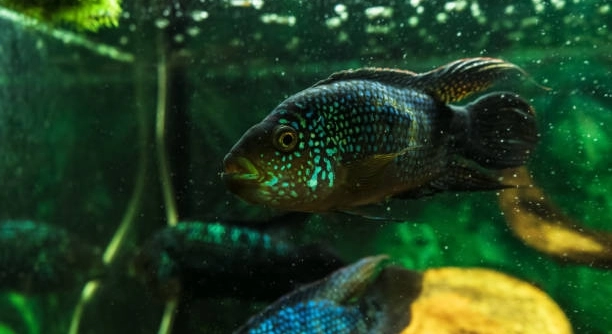
Have you ever noticed your Jack Dempsey fish twitching or shaking while swimming in its tank? These movements can be sudden and puzzling. Observing them closely helps you understand what might be affecting your fish’s comfort.
Jack Dempsey fish may shake or twitch due to stress, poor water quality, parasites, sudden environmental changes, nutritional deficiencies, aggression from other fish, or natural behavioral tendencies. Recognizing the underlying cause is essential for maintaining their health and wellbeing.
Identifying the reasons behind these movements allows you to provide better care. Addressing each factor ensures your fish remain healthy, comfortable, and active in their environment.
Stress in the Tank
Jack Dempsey fish often shake or twitch when they experience stress. Stress can result from overcrowding, sudden changes in the tank environment, or aggressive tank mates. Even minor disruptions, such as moving decorations or changing the water too quickly, can trigger noticeable twitching. Stress weakens the fish’s immune system, making them more vulnerable to illness. It is important to keep the tank environment stable, with proper hiding spots and a consistent routine. Observing your fish’s behavior regularly helps identify stress early, preventing long-term health problems. Reducing sudden stimuli, maintaining good water quality, and keeping compatible tank mates can minimize stress and improve overall wellbeing. A calm and predictable environment allows Jack Dempsey fish to display natural behaviors without unnecessary shaking or twitching, ensuring they remain healthy and active. Proper attention to their habitat promotes longer life and reduces erratic movements.
Stress affects fish behavior quickly and can lead to illness if not addressed promptly. Monitoring daily is essential.
Providing a stable tank environment requires careful planning. Keep water parameters steady, maintain regular feeding schedules, and avoid frequent rearrangements. Introduce new fish slowly and ensure adequate space for each individual. Use decorations to create hiding spots and reduce direct confrontation. Observe interactions to detect aggressive behavior. Consistent lighting and temperature reduce unnecessary stress. Limiting sudden noises or vibrations near the tank also helps. Keeping water clean with regular changes and monitoring ammonia and nitrate levels maintains a healthy environment. Each adjustment contributes to calmer fish. Over time, these steps reduce shaking and twitching, allowing Jack Dempsey fish to thrive. When stress factors are minimized, fish show natural swimming patterns, brighter coloration, and better appetite. Small daily routines create a comfortable environment that supports both physical and behavioral health.
Poor Water Quality
Poor water quality can make Jack Dempsey fish shake or twitch. High ammonia or nitrite levels irritate their gills and body, causing constant movement.
Water quality directly affects fish health. Imbalanced parameters lead to stress, twitching, and long-term damage if ignored.
Maintaining proper water conditions is essential for keeping Jack Dempsey fish healthy. Regular water testing should measure pH, ammonia, nitrites, and nitrates. Ammonia levels above zero are harmful, while nitrite should also remain minimal. Performing partial water changes every week helps dilute toxins and maintain clarity. Filter maintenance ensures efficient removal of waste and prevents buildup of harmful substances. Avoid overfeeding, as uneaten food decomposes and increases waste levels. Temperature stability is equally important, as sudden shifts can shock the fish, triggering twitching. Adding aquatic plants or substrate can assist in balancing water chemistry naturally. Proper water circulation and aeration support oxygen levels, which reduces erratic movements. Keeping a consistent schedule for water checks and adjustments ensures Jack Dempsey fish live in a safe, comfortable environment. Healthy water conditions allow fish to swim normally, display vibrant colors, and remain active without excessive shaking or twitching.
Parasites and Infections
Parasites or infections can cause Jack Dempsey fish to shake or twitch. External parasites irritate their skin and gills, while internal infections can affect their muscles, leading to unusual movements in the tank. Early detection is important for effective treatment.
Parasites like ich or flukes attach to the fish’s body, causing constant twitching as they try to remove irritation. Bacterial or fungal infections can also create similar symptoms. Infected fish may lose appetite, show faded colors, or isolate themselves. Quarantining affected fish and using appropriate treatments can help control the spread. Regular observation and tank hygiene reduce the risk of parasitic infestations. Catching these issues early ensures quicker recovery and prevents serious health problems.
Maintaining clean water and avoiding sudden changes reduces susceptibility to infections. Treating the tank promptly when parasites are detected protects all fish. Monitoring behavior daily helps notice small changes before they escalate. Using medications as recommended, adjusting water parameters, and removing stressed or aggressive fish are key steps. Preventing overcrowding and keeping the environment stable also limits disease transmission. Healthy fish are less likely to twitch unnecessarily and show consistent swimming patterns. Regular preventive measures are more effective than treating severe infections after they develop. A proactive approach keeps Jack Dempsey fish active and comfortable in their habitat.
Sudden Environmental Changes
Sudden changes in water temperature, lighting, or tank decorations can make Jack Dempsey fish twitch or shake. Their sensitive nature reacts quickly to shifts in their environment, even if changes seem minor.
Rapid adjustments, such as moving the tank, changing water too quickly, or altering temperature significantly, create stress responses. Fish may dart, shake, or hide, struggling to adapt. Consistency in lighting schedules, water temperature, and tank layout helps maintain stable behavior. Using gradual changes when needed, like slowly acclimating water or adding new decorations, allows the fish to adjust naturally. These preventive steps reduce erratic movements and protect fish from stress-related health issues.
Consistency and patience are key when managing environmental changes. Slowly adjusting water temperature, maintaining stable lighting cycles, and introducing new decorations gradually prevent unnecessary twitching. Monitoring behavior during transitions helps detect stress early. Keeping the tank in a quiet area, avoiding sudden noises or vibrations, also supports calm behavior. When changes are unavoidable, separating sensitive fish temporarily or providing hiding spots can reduce stress. Maintaining a predictable routine allows Jack Dempsey fish to swim normally, eat regularly, and display natural behaviors. A careful approach ensures healthier, more comfortable fish, minimizing shaking and twitching caused by sudden environmental disruptions.
Nutritional Deficiencies
Jack Dempsey fish may twitch if their diet lacks essential nutrients. A poor or unbalanced diet can affect muscle function and overall health, leading to noticeable shaking in the tank.
Providing a variety of high-quality foods, including pellets, live, and frozen options, helps prevent deficiencies.
Aggression from Tank Mates
Aggressive or territorial tank mates can trigger stress responses, causing Jack Dempsey fish to shake or twitch. Constant harassment or chasing increases anxiety and reduces their ability to rest, directly affecting behavior and health.
Careful selection of compatible species and monitoring interactions ensures a calmer environment. Creating separate territories with plants or decorations reduces confrontations, allowing all fish to coexist peacefully. Observing fish behavior regularly helps detect early signs of aggression. Removing overly aggressive individuals or providing larger tank space can prevent continuous stress. A stable, balanced tank minimizes twitching caused by conflicts and promotes healthier, calmer fish.
Natural Behavioral Patterns
Some shaking or twitching in Jack Dempsey fish is normal. These movements can occur during feeding, mating displays, or when exploring their environment. Observing context helps distinguish natural behavior from health issues.
FAQ
Why is my Jack Dempsey fish shaking in the middle of the tank?
Shaking in the middle of the tank can be a sign of stress, poor water quality, or minor irritation. Fish often move away from surfaces when they are uncomfortable. Checking water parameters like pH, ammonia, nitrites, and temperature helps identify environmental causes. Providing hiding spots and reducing disturbances can calm the fish.
Can poor diet cause twitching in Jack Dempsey fish?
Yes. Nutritional deficiencies affect muscle function and energy levels, causing twitching or irregular movements. Feeding a balanced diet of high-quality pellets, supplemented with live or frozen foods, ensures proper nutrients. Rotating food types prevents deficiencies and supports overall health.
Could parasites be causing the shaking?
External parasites like ich or flukes attach to the skin and gills, causing irritation and twitching. Internal infections or worms can affect muscles. Quarantining affected fish and using recommended treatments helps prevent spreading to other tank mates. Clean water reduces the risk of parasite outbreaks.
Is shaking always a sign of illness?
Not always. Jack Dempsey fish sometimes twitch naturally during feeding, mating displays, or exploration. Observing context and frequency helps differentiate normal behavior from health issues. Persistent, erratic shaking with other symptoms usually indicates a problem.
How do I know if stress is causing the twitching?
Stress often comes from overcrowding, aggressive tank mates, sudden changes in water, or frequent handling. Signs include hiding, loss of appetite, faded colors, or rapid swimming. Stabilizing the environment and creating territories reduces stress and minimizes shaking.
Can water changes trigger shaking?
Yes. Sudden or large water changes can shock Jack Dempsey fish, causing twitching. Gradual water replacement and matching temperature and pH help prevent this reaction. Maintaining a routine schedule for partial water changes reduces stress over time.
Will aggressive tank mates make my fish shake constantly?
Aggressive or territorial fish increase anxiety, resulting in shaking or twitching. Observing interactions and providing enough space or hiding spots helps. Removing overly aggressive individuals or upgrading to a larger tank often restores calm behavior.
Can temperature fluctuations affect their movements?
Jack Dempsey fish are sensitive to sudden temperature changes. Rapid drops or spikes can trigger twitching, sluggishness, or hiding. Maintaining a consistent temperature and using a reliable heater reduces erratic movements. Monitoring daily prevents long-term health issues.
How can I tell if the twitching is serious?
Persistent shaking combined with faded color, clamped fins, loss of appetite, or labored breathing usually indicates a health problem. Immediate action, such as testing water and isolating the fish, can prevent further complications.
Are there preventive measures to stop shaking?
Yes. Maintain stable water quality, provide a balanced diet, choose compatible tank mates, limit sudden environmental changes, and observe behavior daily. Creating a calm, predictable tank environment reduces twitching and supports long-term health. Regular preventive care is more effective than treating problems later.
Does twitching affect their lifespan?
Frequent stress or untreated health issues can shorten lifespan. Addressing causes promptly, keeping water clean, and providing proper nutrition improve survival and reduce erratic movements. Healthy, calm fish live longer and remain more active in the tank.
Can supplements help reduce twitching?
Supplements like vitamins or mineral-enriched foods may help if twitching is related to deficiencies. Avoid overfeeding, as excess nutrients can harm water quality. A balanced diet usually provides sufficient nutrition, but occasional supplementation can support recovery and overall health.
Should I see a vet for persistent twitching?
If shaking persists despite correcting water conditions, diet, and stress factors, consulting an aquatic veterinarian is recommended. They can diagnose underlying infections, parasites, or other health issues that may not be obvious. Early intervention improves chances of full recovery.
Is twitching more common in younger fish?
Juvenile Jack Dempsey fish may twitch more as they are active, exploring, or establishing territories. Adult fish usually show controlled movements unless affected by stress, disease, or poor water quality. Monitoring both age groups helps identify abnormal behavior.
Can adding plants or decorations reduce shaking?
Yes. Plants and structures create hiding spots and territories, reducing stress and aggressive interactions. A well-decorated tank allows fish to feel secure, minimizing twitching caused by anxiety or environmental changes. Strategic placement improves comfort and natural behavior.
How often should I monitor my fish to prevent shaking?
Daily observation is best. Watching swimming patterns, appetite, and interaction with tank mates allows early detection of stress, parasites, or illness. Prompt action prevents minor issues from becoming serious, keeping fish healthy and calm.
Do all Jack Dempsey fish twitch the same way?
No. Twitching can vary depending on the cause, personality, age, and tank environment. Some fish display short, occasional movements, while others may show repeated shaking when stressed or sick. Individual monitoring is essential for proper care.
Can changing tank size impact twitching?
Yes. A tank that is too small increases stress, territorial disputes, and aggression, leading to shaking. Providing enough space for swimming, hiding, and establishing territories reduces erratic movements and supports overall health.
Is twitching reversible once causes are corrected?
Most of the time, yes. Once stress, water quality, diet, or health issues are addressed, Jack Dempsey fish usually return to normal swimming patterns. Consistent care and monitoring are essential to ensure recovery.
How do I differentiate between normal and abnormal twitching?
Normal twitching occurs during feeding, mating, or exploration and is short-lived. Abnormal twitching is frequent, accompanied by other symptoms, or occurs without apparent cause. Context, frequency, and additional signs determine whether intervention is needed.
What long-term practices prevent twitching in Jack Dempsey fish?
Maintaining stable water conditions, providing a balanced diet, observing behavior daily, using compatible tank mates, and minimizing sudden environmental changes prevents twitching. Consistent care and attention support health, reduce stress, and ensure a calm, active fish over time.
Can overcrowding increase shaking?
Yes. Too many fish in one tank increases stress, aggression, and competition for resources, leading to twitching. Providing adequate space per fish and limiting population density reduces erratic movements and promotes stable behavior.
Is it normal for twitching to occur during feeding?
Yes. Quick movements during feeding are natural and usually not a concern. Fish may dart, shake, or twitch while competing for food. These movements are brief and part of normal behavior rather than a sign of illness.
How important is water testing in preventing twitching?
Regular water testing is crucial. Imbalanced pH, ammonia, nitrites, or temperature fluctuations can stress fish and cause shaking. Testing helps detect changes early, allowing adjustments before behavior or health is affected.
Can introducing new fish trigger twitching?
Yes. New tank mates can create stress or provoke aggression, causing twitching. Gradual introduction, quarantine of new fish, and monitoring interactions help prevent prolonged stress or injury in Jack Dempsey fish.
Are there signs that twitching is caused by illness rather than environment?
Yes. Persistent shaking with loss of appetite, faded color, clamped fins, rapid breathing, or lethargy usually indicates disease. Environmental causes typically show shorter, situational twitching without additional symptoms. Identifying these signs helps target the correct intervention.
Does tank location affect shaking?
Yes. Tanks placed in high-traffic areas or near vibrations, loud noises, or bright sunlight can stress fish. Quiet, stable locations reduce twitching and create a calmer environment for Jack Dempsey fish.
Can improper lighting trigger twitching?
Sudden changes in lighting or excessive brightness can stress fish, causing twitching. Consistent light cycles and gradual adjustments when necessary help maintain calm behavior and natural swimming patterns.
Is twitching more noticeable at night?
Some fish may twitch at night due to disrupted sleep cycles or nocturnal activity. Ensuring a proper day-night light schedule helps reduce unnecessary movements and supports normal rest.
How quickly do fish recover once twitching causes are fixed?
Recovery varies. Minor stress or environmental issues can show improvement within hours to days. Health-related causes may take longer, requiring treatment and consistent care. Observing progress helps confirm that interventions are effective.
Are live foods better for reducing twitching?
Live foods can improve nutrition and stimulate natural behavior, potentially reducing twitching caused by deficiencies. However, a balanced diet with high-quality pellets and occasional live or frozen foods is more reliable for long-term health.
Can excessive handling increase twitching?
Yes. Frequent netting or tank disturbances increase stress and twitching. Limiting handling to essential tasks, such as health checks or tank maintenance, helps keep Jack Dempsey fish calm and reduces erratic movements.
What role does tank filtration play in preventing twitching?
Proper filtration maintains water quality, removes waste, and stabilizes the environment. Efficient filters reduce ammonia and nitrite buildup, prevent disease, and minimize stress-induced twitching. Regular cleaning ensures optimal performance.
Does twitching indicate pain in Jack Dempsey fish?
Twitching can indicate discomfort, irritation, or muscle stress. Persistent or severe shaking may signal pain from disease, parasites, or poor water conditions. Addressing the cause improves comfort and overall health.
Can seasonal changes affect twitching?
Temperature fluctuations, light changes, or water source differences during seasonal shifts may stress fish. Gradual adaptation and consistent tank conditions help prevent twitching caused by external seasonal factors.
Is twitching common in all cichlids?
While some twitching can occur in many cichlids, Jack Dempsey fish are particularly sensitive to stress, environmental changes, and water quality. Individual observation is important to distinguish normal behavior from signs of stress or illness.
Can overcrowded tanks cause disease-related twitching?
Yes. Overcrowding increases stress and disease transmission, leading to twitching or erratic behavior. Adequate space and proper tank maintenance reduce infection risk and prevent shaking.
Do Jack Dempsey fish shake during mating?
Yes. Twitching or rapid movements may occur as part of courtship or territory displays. These are normal behaviors and generally short-lived, unlike twitching caused by stress or illness.
How can I track twitching to identify patterns?
Observing fish daily, noting time, location, tank conditions, and interactions helps identify causes. Tracking patterns makes it easier to address underlying issues before they escalate.
Are young fish more prone to twitching than adults?
Juvenile Jack Dempsey fish are more active and may twitch more while exploring. Adults typically show controlled movements unless stressed or ill. Monitoring both age groups helps detect abnormal behavior.
Can water hardness impact twitching?
Improper water hardness may affect fish metabolism or stress tolerance, leading to twitching. Matching water hardness to species needs supports normal behavior and reduces erratic movements.
Is twitching reversible after treating parasites?
Yes. Once parasites are removed and the fish recovers, twitching usually stops. Early treatment prevents long-term irritation and supports full recovery.
Does tank size influence twitching frequency?
Smaller tanks increase stress and aggression, causing more twitching. Providing sufficient space for swimming, hiding, and territories reduces erratic movements and promotes calmer fish behavior.
Can twitching indicate internal disease?
Yes. Persistent shaking with other symptoms, such as weight loss, bloating, or lethargy, may indicate internal infections. Prompt diagnosis and treatment are essential.
Do Jack Dempsey fish twitch during feeding frenzies?
Yes. Quick, short movements while competing for food are normal and not a cause for concern. Monitoring ensures these are natural behaviors rather than stress-related twitching.
How do I prevent twitching long-term?
Stable water conditions, balanced nutrition, compatible tank mates, limited disturbances, and regular observation reduce twitching. Consistent care and preventive measures support long-term health and calm behavior.
Is twitching more noticeable in certain tank locations?
Yes. Fish in areas with strong currents, bright light, or frequent disturbances may twitch more. Strategic tank arrangement helps reduce unnecessary stress and erratic movements.
Can excessive noise or vibration trigger twitching?
Yes. Jack Dempsey fish are sensitive to vibrations or loud noises. Minimizing disturbances near the tank supports calmer behavior and reduces shaking.
Are there medications to prevent twitching?
Medications treat specific causes like parasites or infections but do not prevent twitching from stress or environmental issues. Proper care and prevention remain the most effective approach.
How important is quarantine for new fish?
Quarantining new fish prevents disease introduction, reducing twitching caused by parasites or infections. Observing new arrivals before adding them to the main tank is essential for long-term health.
Can stress from handling cause long-term twitching?
Frequent or rough handling increases stress and twitching. Limiting interaction to essential tasks and maintaining a calm environment prevents long-term behavior issues.
Do all tank mates affect twitching equally?
No. Aggressive or territorial species have a stronger impact on Jack Dempsey behavior. Observing interactions and separating incompatible fish helps maintain calm swimming patterns.
Can water additives reduce twitching?
Some additives improve water quality or support fish health, but consistent care, stable parameters, and proper nutrition are more reliable for reducing twitching. Additives should supplement, not replace, proper maintenance.
Is twitching a sign of aging?
Older fish may show slower movements, but frequent shaking is usually linked to stress, diet, or disease rather than age. Proper care mitigates twitching in older Jack Dempsey fish.
Can sudden changes in pH cause twitching?
Yes. Rapid shifts in pH disrupt fish physiology, causing stress and shaking. Gradual adjustments and stable monitoring prevent erratic movements.
How often should I inspect fish for twitching?
Daily observation ensures early detection of stress, disease, or environmental problems. Prompt action prevents minor issues from escalating.
Can lack of hiding spots cause twitching?
Yes. Jack Dempsey fish feel safer with territories and shelters. Insufficient hiding places increase stress, resulting in shaking or erratic movements.
Are there specific behaviors to watch besides twitching?
Yes. Loss of appetite, color fading, clamped fins, lethargy, or abnormal swimming indicate underlying issues. Monitoring these signs alongside twitching helps diagnose problems accurately.
Does shaking always mean immediate danger?
Not always. Short, occasional twitching during normal activity is harmless. Persistent, frequent shaking, especially with other symptoms, indicates stress, illness, or environmental issues.
Can stress from moving tanks cause long-term twitching?
Yes. Sudden relocations can shock fish, triggering prolonged stress. Gradual acclimation, hiding spots, and stable conditions minimize long-term twitching.
How do I maintain calm behavior in a community tank?
Provide adequate space, compatible tank mates, hiding spots, and consistent care. Monitoring interactions reduces stress and prevents twitching caused by aggression.
Is twitching more common in new tanks?
Yes. New tanks may have unstable water parameters or inexperienced introductions, causing stress. Regular testing and careful observation reduce twitching during the early stages.
Can erratic currents cause shaking?
Strong or uneven water flow can stress fish, triggering twitching. Adjusting filtration and creating calm areas reduces unnecessary movement.
Do Jack Dempsey fish twitch when sick?
Yes. Illness often causes persistent shaking, along with color changes, clamped fins, or loss of appetite. Prompt intervention improves recovery.
Can tank mates recover from twitching caused by one fish?
Yes, once the cause, such as stress, aggression, or disease, is addressed. Stabilizing the environment restores normal behavior in all affected fish.
Are there signs that indicate a permanent issue?
Long-term, unresponsive twitching combined with severe health decline may indicate irreversible damage. Veterinary assessment is recommended.
How do I prevent repeated twitching episodes?
Consistent water quality, balanced nutrition, proper tank mates, gradual changes, and regular observation prevent recurring twitching and maintain healthy, calm fish.
Does tank size influence twitching patterns?
Yes. Larger tanks reduce stress and territorial disputes, minimizing shaking. Proper space allows natural movement and safer interactions.
Can breeding behavior increase twitching?
Yes. Courtship and territorial displays involve rapid movements. These are normal, short-lived, and part of natural reproductive behavior.
How can I tell if twitching is environmental or medical?
Environmental twitching is situational and short-term, often resolving with stable conditions. Medical causes are persistent and accompanied by other symptoms like lethargy or color loss.
Do Jack Dempsey fish recover fully after twitching episodes?
Most recover if the cause is addressed promptly. Stable water, proper nutrition, and reduced stress allow fish to return to normal swimming patterns.
Is twitching a common symptom in all cichlids?
Some cichlids show twitching under stress, poor water, or illness. Jack Dempsey fish are particularly sensitive, requiring careful observation and proactive care.
Can excessive light exposure trigger twitching?
Yes. Bright or fluctuating light can stress fish, causing shaking. Consistent light schedules and gradual adjustments reduce erratic movements.
Are younger Jack Dempsey fish more prone to twitching?
Juveniles are more active and exploratory, making twitching more noticeable. Adults typically twitch only when stressed, sick, or exposed to sudden changes.
Does twitching affect feeding behavior?
Stress-related twitching can reduce appetite or disrupt feeding patterns. Correcting causes ensures normal eating habits and overall health.
Can adding water conditioners reduce twitching?
Conditioners improve water safety by neutralizing toxins, supporting fish health. They help reduce twitching caused by poor water quality but do not address stress or nutrition.
How long should I observe before intervening?
Monitor daily, and intervene if twitching persists, worsens, or is accompanied by other symptoms. Early action prevents serious health problems.
Is twitching reversible in older fish?
Yes, if caused by stress, diet, or environmental issues. Age-related mobility changes may remain, but proper care reduces erratic movements and improves quality of life.
Can shaking indicate oxygen deficiency?
Low oxygen levels may cause gasping or twitching. Ensuring proper aeration, circulation, and water quality supports healthy respiration and movement.
How does overcrowding impact health and twitching?
Too many fish increase competition, aggression, and waste accumulation, leading to stress-induced twitching. Adequate space and proper population management prevent these issues.
Can seasonal water changes cause twitching?
Temperature or chemical differences during seasonal water changes may trigger shaking. Gradual acclimation and monitoring prevent stress-related twitching.
Are there visual cues that twitching is serious?
Yes. Persistent shaking with pale color, clamped fins, lethargy, or erratic swimming indicates underlying health
Jack Dempsey fish are vibrant and active cichlids, and noticing them shake or twitch in the tank can be concerning. While some movements are normal, frequent or erratic twitching often points to underlying issues. Stress, poor water quality, parasites, dietary deficiencies, environmental changes, or aggressive tank mates are the most common causes. Understanding these factors is essential to maintaining the health and wellbeing of your fish. Observing your fish closely, keeping track of their behaviors, and addressing problems early can prevent long-term health complications. Regular attention to tank conditions, nutrition, and compatibility among fish creates a stable environment that reduces unnecessary twitching and supports natural, calm behaviors.
Maintaining water quality is one of the most important aspects of caring for Jack Dempsey fish. Parameters such as temperature, pH, ammonia, nitrite, and nitrate levels should be checked regularly. Frequent partial water changes and proper filtration ensure that the tank remains clean and safe for the fish. Providing hiding spots and maintaining a consistent lighting schedule help reduce stress, while carefully selecting tank mates prevents aggression and territorial disputes. Additionally, feeding a balanced diet that includes high-quality pellets, live foods, and occasional frozen options ensures that your fish receive the nutrients needed for strong muscles and overall vitality. Addressing both environmental and nutritional needs helps prevent twitching caused by stress or deficiencies.
Even with all preventive measures, it is important to remember that occasional twitching can be a part of normal Jack Dempsey behavior. Short movements during feeding, exploration, or courtship are typical and generally do not indicate a problem. However, persistent shaking, especially when combined with other symptoms like faded color, clamped fins, or loss of appetite, should be investigated promptly. Monitoring daily, observing interactions, and reacting quickly to changes in behavior are the best ways to ensure the long-term health of your fish. With careful attention and consistent care, Jack Dempsey fish can thrive in a safe, comfortable environment, displaying natural activity while minimizing shaking and twitching. Proper management of water conditions, nutrition, tank setup, and social interactions creates a stable habitat that supports healthy, active fish for years.

Hello,
If you enjoy the content that we create, please consider saying a "Thank You!" by leaving a tip.
Every little bit helps us continue crafting quality advice that supports the health, happiness, and well-being of pets around the world, for pets of all shapes, sizes, and species.
We really appreciate the kindness and support that you show us!