
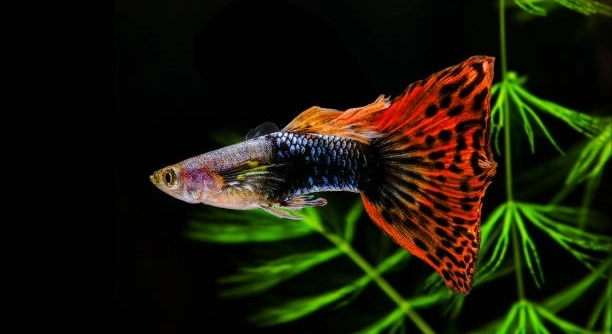
Guppies are small, lively fish often seen swimming in schools. However, it’s not unusual for a guppy to swim alone. There are several reasons why this behavior occurs, ranging from environmental factors to their individual needs.
Guppies may swim alone due to factors such as stress, illness, or the presence of dominant fish. A lack of space or inadequate water conditions can also contribute to this behavior, as it may cause them to seek solitude for safety.
Understanding the reasons behind this behavior will help you ensure your guppies are happy and healthy. Keep reading to learn more about how to address these issues.
Stress from Overcrowding
Guppies are social creatures, but they need space to thrive. If there are too many fish in a tank, they may start to feel stressed. This can lead to some of them swimming alone. When there isn’t enough room for each guppy to move freely, it can cause them to seek out a quieter, less crowded area. Overcrowding also increases the likelihood of aggressive behaviors among the fish, further encouraging them to isolate themselves.
Stress isn’t always easy to spot, but it’s something that should be addressed to ensure your guppies remain healthy.
If your tank feels crowded, consider getting a larger aquarium or removing some of the fish. Providing extra hiding spots and plants can also help your guppies feel more secure, which may reduce their need to swim alone. Proper water filtration and a regular cleaning routine also ensure a healthier environment, reducing stress and promoting better interactions among the fish.
Dominant Fish in the Tank
Sometimes, a dominant guppy will bully the others. These aggressive fish may chase or nip at smaller or weaker ones, forcing them to swim alone. The presence of a dominant guppy creates an uneven power dynamic, where less dominant fish feel compelled to isolate themselves for protection. This can lead to a noticeable shift in behavior, with some guppies choosing to stay apart from the group.
If you notice this happening in your tank, it’s important to intervene. To minimize bullying, try introducing more hiding spots, like rocks or plants, for the smaller fish. You can also consider rehoming the dominant fish to another tank. This ensures the peaceful coexistence of your guppies.
Illness or Injury
When a guppy is unwell or injured, it may prefer to swim alone. Illnesses like fin rot, parasites, or infections can make a guppy feel weak, causing them to seek isolation. They instinctively move away from other fish to avoid spreading disease and to reduce stress.
If a guppy seems to be swimming alone more often, inspect it for signs of illness. Look for changes in its appearance, such as discoloration or damaged fins. Treating the problem as soon as possible helps prevent it from worsening. Use medicated water or a quarantine tank to separate the affected fish from others.
Injury can also lead to isolation. A guppy with a torn fin or other physical damage may find it difficult to keep up with the group. In such cases, separate the injured fish from the rest to allow it to heal without further stress or harassment from other guppies.
Water Quality
Water quality plays a significant role in guppy behavior. Poor water conditions can cause stress and discomfort, prompting a guppy to swim alone. Ammonia, nitrites, and nitrates can build up if the tank isn’t properly maintained, affecting the health of your fish.
To keep your guppies healthy, ensure the water is properly filtered and regularly tested. The pH, hardness, and temperature must be within the ideal range for guppies. Clean the tank regularly and perform water changes as needed to keep the environment stable. This helps reduce the chances of your guppies isolating themselves due to poor water quality.
Fish are sensitive to environmental changes, and if conditions aren’t optimal, they may retreat to quieter corners of the tank. Keeping the water clean and balanced is key to encouraging healthy group behavior among your guppies.
Mating Behavior
During mating season, some male guppies may swim alone, as they focus on attracting females. Males often engage in chasing and displaying their colors to get attention. This can cause some fish to isolate themselves from the group, especially if they’re not involved in the mating process.
The behavior may also stem from an individual’s desire to avoid competition with more dominant males. If your guppy is constantly alone, it might be avoiding more aggressive males trying to mate. Keep an eye on the tank for any signs of competition or stress related to mating.
Tank Size
The size of your tank directly influences how your guppies interact. A smaller tank can create territorial issues, leading to some guppies swimming alone. Lack of space can cause fish to become stressed, forcing them to stay apart from the group to find relief.
A larger tank offers more room for movement and reduces the stress that can come from limited space. This not only prevents isolation but also encourages a more natural social structure among your guppies. Ensure your tank is big enough for the number of fish you have to maintain a balanced environment.
Incompatible Tankmates
Guppies can be picky about their tankmates. If other fish are aggressive or incompatible, your guppy may choose to swim alone to avoid conflict. Fish like bettas or larger species can intimidate smaller guppies, leading them to seek solitude.
Choosing peaceful tankmates is crucial for a harmonious environment. Keep in mind that some species are more aggressive, while others are more docile. Ensuring compatibility among your fish will help prevent isolation and allow your guppies to thrive in a safe, stress-free environment.
FAQ
Why do guppies swim in different parts of the tank?
Guppies may swim in different parts of the tank for various reasons, including stress, illness, or a desire to avoid more dominant fish. When they are feeling threatened or overwhelmed, they might separate from the group to find a quieter, more peaceful space. Water quality, tank size, and even mating behaviors can also influence where they choose to swim.
How can I tell if my guppy is sick?
Sick guppies may show signs like faded colors, torn fins, unusual swimming patterns, or lack of appetite. They might also stay isolated from the group and hide in corners of the tank. If your guppy displays these symptoms, it’s important to monitor its condition closely and consider isolating it in a quarantine tank to prevent the spread of any illness.
Can water temperature affect guppy behavior?
Yes, water temperature can significantly impact guppy behavior. Guppies prefer a stable water temperature between 72°F and 82°F. If the water is too cold or too warm, it can cause stress, making them more likely to swim alone or act unusually. Keep a reliable thermometer in the tank to ensure the temperature stays within the ideal range.
Do guppies prefer swimming alone or in schools?
In general, guppies are schooling fish that prefer to swim in groups. However, certain factors, such as stress, illness, or overcrowding, can cause them to swim alone. If a guppy is constantly swimming alone, it may be reacting to one or more of these factors. Offering a peaceful environment with enough space can encourage group behavior.
How can I reduce stress in my guppies?
To reduce stress in your guppies, provide them with enough space, clean water, and a stable environment. Make sure your tank is appropriately sized for the number of fish you have. Adding plants or decorations can give your guppies places to hide and feel more secure. Also, avoid overcrowding, as too many fish can lead to stress and territorial disputes.
What are the signs that my guppy is stressed?
Stressed guppies may display behaviors like erratic swimming, isolation from the group, hiding, or showing signs of illness. Their colors may fade, and they might lose interest in food. Stress can also cause them to rub against objects in the tank, which is a sign of irritation. Monitoring your guppy’s behavior closely can help you identify stress early.
Can guppies be kept with other types of fish?
Guppies can generally live peacefully with other peaceful species like tetras, mollies, and other small fish. However, they should be kept away from aggressive or larger fish, as these can intimidate or harm them. If you notice your guppy isolating itself due to a tankmate, it may be best to separate them.
How often should I change the water in my guppy tank?
Water changes are crucial to maintaining a healthy environment for your guppies. It’s recommended to change 25-30% of the water every 1-2 weeks. This helps keep the water quality high by removing toxins, such as ammonia and nitrates, that can build up over time. If you have a heavily stocked tank, you might need to change the water more frequently.
Why are my guppies staying at the bottom of the tank?
Guppies that spend a lot of time at the bottom of the tank might be experiencing poor water quality, stress, or illness. Ensure the tank is properly filtered and the water parameters are within the correct range. If the water quality is fine, check for signs of disease or injury. Guppies should generally swim in all areas of the tank, not just at the bottom.
How can I encourage my guppy to interact with others?
To encourage interaction among your guppies, make sure the tank is large enough to accommodate all the fish comfortably. Providing hiding spots and plants can create a more relaxed environment. Avoid overcrowding, as this can cause stress and force guppies to isolate themselves. Introducing more guppies or peaceful tankmates can also help them feel more secure and social.
What type of tank setup is best for guppies?
Guppies thrive in a well-maintained tank with clean water and a temperature between 72°F and 82°F. They need a spacious tank, preferably at least 10 gallons, to swim freely. Adding plants, rocks, and other decorations can provide hiding places, which help reduce stress. A filter is essential to keep the water clean and oxygenated.
Why do my guppies seem to chase each other?
Chasing among guppies is typically part of their natural behavior, often related to mating. Male guppies will chase females to try to mate, while sometimes they may also chase each other to establish dominance. While this behavior is common, if it turns aggressive, it might be a sign of overcrowding or stress in the tank.
Can guppies live in a tank with other species?
Yes, guppies can live with other peaceful species. They do well with fish that are similarly sized and non-aggressive, such as tetras, mollies, or corydoras catfish. It’s important to avoid aggressive species, like bettas, which may stress or harm guppies. Always observe your tank for any signs of conflict between species.
Why does my guppy swim sideways or upside down?
If your guppy is swimming sideways or upside down, it could be a sign of swim bladder disorder. This condition affects the fish’s buoyancy and can be caused by overfeeding, poor water conditions, or injury. To treat this, make sure the water is clean and check for any signs of illness.
Final Thoughts
Guppies are fascinating creatures, and understanding their behavior helps provide them with a better environment. While it’s common for guppies to swim alone occasionally, there are several factors to consider that can influence their actions. Whether it’s their need for space, stress from tankmates, or changes in their environment, recognizing these factors allows us to create a healthier and more balanced tank for them. It’s important to remember that they are social fish, and they thrive when they are kept in a peaceful setting.
By paying close attention to water quality, tank size, and tankmates, guppies can live happy and active lives. If you notice your guppy swimming alone more often, it’s worth checking for signs of stress or illness. In most cases, providing a calm and spacious environment with compatible tankmates can help reduce isolation. Keeping your tank clean and making sure the water conditions are ideal also go a long way in supporting your guppy’s overall well-being.
Ultimately, while some guppies may swim alone due to temporary reasons, most prefer to be part of a group. By understanding what drives their behavior and addressing potential stressors, you can ensure that your guppies have the best chance to thrive. Keeping them in a well-maintained, comfortable space with the right companions will help them lead fulfilling, social lives. With a little care and attention, your guppies will be happier, healthier, and more active in their aquatic home.

Hello,
If you enjoy the content that we create, please consider saying a "Thank You!" by leaving a tip.
Every little bit helps us continue crafting quality advice that supports the health, happiness, and well-being of pets around the world, for pets of all shapes, sizes, and species.
We really appreciate the kindness and support that you show us!