
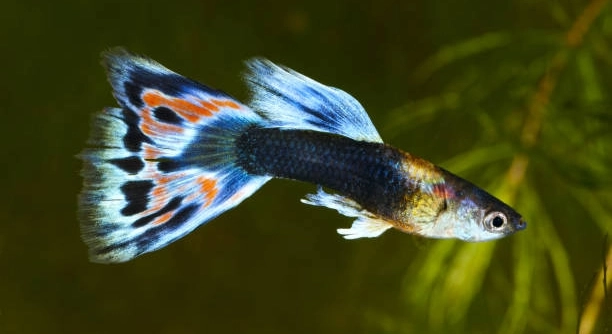
Guppies are lively little fish, often a delight to watch as they swim around. However, when they suddenly stop moving, it can be concerning. Understanding why this happens is key to keeping your guppy healthy.
There are several reasons why guppies may suddenly stop moving, including water quality issues, stress, illness, or inadequate temperature. Poor oxygen levels or environmental factors, such as high ammonia or nitrite levels, can also cause this behavior.
Understanding these factors can help you address any potential issues and improve your guppy’s well-being. Continue reading to learn more about the causes and solutions.
Poor Water Quality
When guppies stop moving suddenly, water quality issues are often the main reason. Poor water quality can lead to stress, and guppies are sensitive to changes in their environment. High ammonia, nitrites, or low oxygen levels can be harmful to them. It’s important to regularly check your tank’s water parameters, especially if your guppy seems sluggish. These factors can prevent them from swimming and cause them to appear lifeless.
If you notice your guppy isn’t moving, test the water for ammonia, nitrites, and pH levels. Keeping the water clean by performing regular water changes can help reduce harmful substances. You can also invest in a good filtration system to keep the water stable.
Regular monitoring of the water quality will allow you to address issues promptly. Keeping the environment clean and ensuring proper filtration ensures your guppy stays healthy. Avoid overfeeding, as excess food can degrade water quality. Maintaining a clean tank will keep your guppies active and happy.
Stress and Overcrowding
Guppies are social creatures, but too many in one tank can cause stress. When a tank is overcrowded, guppies may compete for food, space, and oxygen, leading to fatigue. Stress can cause them to stop moving, making them seem lethargic. Ensuring that your tank isn’t overstocked is essential for their well-being.
To reduce stress, give each guppy enough space and ensure plenty of hiding spots. A spacious tank with proper filtration will help your guppies thrive. This will prevent them from feeling overwhelmed by their surroundings.
Illness or Infection
When guppies stop moving, illness or infection may be to blame. Common signs of sickness include sluggishness, lack of appetite, or abnormal behavior. If a guppy is not swimming or interacting like usual, it’s important to check for any external signs like discoloration, lesions, or fin damage.
Bacterial or parasitic infections can affect their ability to swim and move around. If you notice any unusual symptoms, it’s best to isolate the affected fish to prevent it from spreading to others. Consult with a vet or aquatic specialist to determine the right course of action and treatment.
Guppies are delicate and prone to various health issues, so proper care and quick intervention are crucial. Maintaining a clean tank and monitoring water conditions will help reduce the risk of infections. Early detection and treatment can save your guppy from further complications.
Temperature Fluctuations
Guppies are tropical fish that need stable water temperatures to thrive. Sudden temperature changes can shock them, leading to lethargy and lack of movement. It’s important to maintain the water temperature between 72°F and 82°F to ensure your guppy stays active and healthy.
Fluctuating temperatures can stress your guppy and weaken its immune system. To prevent this, invest in a reliable aquarium heater and thermometer. Avoid placing your tank in direct sunlight or near drafts, as these can cause sudden temperature shifts. Consistent temperature regulation is key to keeping your guppy comfortable.
A stable environment helps guppies stay active and reduces the risk of illness. By keeping the water temperature consistent, you’ll support your guppy’s overall health. Proper temperature control will also help prevent stress, allowing them to move and interact as they should.
Overfeeding
Overfeeding can lead to sluggish guppies. When guppies eat too much, leftover food can degrade water quality, affecting their health. This can cause them to become less active, as they may feel unwell or stressed from poor water conditions.
To avoid overfeeding, offer small amounts of food and monitor how much your guppy consumes. Remove any uneaten food after a few minutes to keep the tank clean. This will help maintain a healthier environment for your fish, reducing the likelihood of them becoming lethargic.
Poor Tank Setup
A poorly set-up tank can affect guppies’ behavior. Inadequate hiding spots or a lack of plants can make them feel exposed and stressed. Guppies need a comfortable environment where they can swim freely without feeling threatened.
Creating a well-planted tank with areas to hide will help your guppy feel secure. Ensure there are places where they can rest if needed, and avoid sharp objects that could injure them. This will improve their quality of life and help them stay active.
FAQ
Why did my guppy stop swimming suddenly?
There can be several reasons your guppy may suddenly stop swimming. Water quality issues, stress, temperature fluctuations, illness, or overfeeding can all contribute. Poor water conditions, such as high ammonia or low oxygen levels, can cause them to become sluggish. Stress from overcrowding or sudden changes in their environment can also make them stop moving. Check the water parameters, ensure the tank isn’t overcrowded, and maintain a stable temperature to avoid these issues.
What should I do if my guppy is lying at the bottom of the tank?
If your guppy is lying at the bottom of the tank, it could be a sign of stress, illness, or poor water quality. First, check the water quality to make sure the ammonia, nitrites, and pH levels are within a safe range. If the water is fine, observe for signs of disease like discoloration or abnormal behavior. It might be a good idea to isolate the guppy if it’s showing signs of illness. Keep the tank clean and ensure the temperature is stable.
How can I tell if my guppy is stressed?
Stressed guppies will often display unusual behaviors such as hiding more than usual, staying near the tank’s surface, or swimming erratically. They may also stop eating. Stress can result from overcrowding, poor water quality, or aggressive tank mates. If your guppy is acting unusually, evaluate the tank conditions and make adjustments. Reducing stress is essential for their overall well-being.
Can temperature affect my guppy’s activity?
Yes, temperature fluctuations can have a significant impact on your guppy’s activity. They are tropical fish that prefer a consistent water temperature between 72°F and 82°F. If the water is too cold or too hot, it can cause stress and lethargy. A stable temperature encourages healthy activity and overall well-being, so investing in a reliable aquarium heater is essential.
How do I fix poor water quality in my tank?
Poor water quality can be fixed by performing regular water changes and ensuring proper filtration. Test the water regularly to monitor ammonia, nitrites, and pH levels. If the water parameters are off, perform a partial water change to bring them back to safe levels. Regular tank cleaning and not overfeeding will help keep the water clean and healthy for your guppy.
Can overfeeding cause my guppy to stop moving?
Yes, overfeeding can lead to water quality issues, which, in turn, can cause your guppy to stop moving. Uneaten food decomposes and releases harmful substances into the water. This can lead to stress and inactivity. Feed your guppy small amounts of food they can consume in a few minutes, and remove any leftover food after feeding.
What are some signs that my guppy is sick?
Sick guppies may display abnormal behaviors such as not swimming, lethargy, or staying at the bottom of the tank. Physical signs of illness can include discoloration, frayed fins, bloated bodies, or lesions on the skin. If you notice any of these symptoms, it’s important to isolate the sick guppy to prevent the spread of disease and treat it promptly.
How often should I clean my guppy’s tank?
A guppy’s tank should be cleaned regularly to maintain healthy water conditions. Perform a partial water change of 25-30% every week to keep the water clean. Clean the substrate and decorations once a month, and check the filter regularly to ensure it’s working efficiently. Regular maintenance is key to preventing poor water quality, which can lead to a sluggish or sick guppy.
Why does my guppy swim in circles?
Swimming in circles can be a sign of stress or boredom, especially if the tank doesn’t have enough space or hiding spots. Guppies need plenty of room to swim and explore. A small or overcrowded tank can lead to this behavior. Additionally, poor water quality can make them more agitated. Consider upgrading your tank size or adding plants and decorations to provide more stimulation and comfort.
Can I use aquarium salt to treat my guppy?
Aquarium salt can be used to treat certain illnesses or conditions in guppies, such as external parasites or wounds. However, it should only be used when necessary, as salt can cause stress in freshwater fish if used improperly. Always research the specific illness your guppy has before using salt and follow the recommended dosage.
How can I prevent my guppy from getting sick?
To prevent sickness in your guppy, maintain proper water quality by performing regular water changes and keeping the tank clean. Feed them a balanced diet and avoid overfeeding. Ensure that the tank is not overcrowded and that the temperature is stable. Regularly monitor your guppy’s health and behavior for any signs of illness so you can address issues early.
How do I know if my guppy is too old?
As guppies age, their activity level naturally decreases. Older guppies may not swim as much and might rest more often. Their colors may also become duller, and they may appear less vibrant than they did when they were younger. While aging is natural, any sudden or severe changes in behavior should still be monitored.
Why did my guppy suddenly die?
A sudden death in a guppy can be caused by various factors, including poor water quality, sudden temperature changes, disease, or stress. It’s important to assess the tank’s conditions to identify any issues. In some cases, guppies can die suddenly due to internal conditions, so regular health checks are crucial to prevent sudden deaths.
Can other fish in the tank cause my guppy to stop moving?
Yes, aggressive or territorial fish can cause stress to guppies, leading them to stop moving or hide. Fish such as bettas or larger species may intimidate your guppy, causing them to become inactive. Consider tank mates carefully and ensure that all species are compatible and won’t cause harm to your guppy.
Final Thoughts
Guppies are generally hardy fish, but they can face issues that cause them to stop moving or become lethargic. It’s important to regularly check water quality, as poor conditions are often the main cause of inactivity. Keeping the water clean, ensuring proper filtration, and maintaining the right temperature are all essential steps in preventing these problems. A stable environment reduces stress and helps your guppy stay healthy and active.
Additionally, proper feeding is key to keeping guppies lively. Overfeeding can lead to water quality issues and make them sluggish. Feeding small amounts that they can consume within a few minutes is the best approach. Removing any uneaten food promptly helps maintain water quality and prevents harmful bacteria from growing. Monitoring your guppy’s eating habits is another way to spot potential problems early.
Finally, it’s important to pay attention to your guppy’s behavior and physical condition. If you notice signs of illness or stress, such as abnormal swimming patterns or changes in color, take action quickly. Isolating sick fish and treating them promptly can prevent the spread of disease. Regular tank maintenance, observing your guppy’s habits, and providing them with a comfortable, well-maintained environment will help ensure their well-being and keep them active for longer periods.

Hello,
If you enjoy the content that we create, please consider saying a "Thank You!" by leaving a tip.
Every little bit helps us continue crafting quality advice that supports the health, happiness, and well-being of pets around the world, for pets of all shapes, sizes, and species.
We really appreciate the kindness and support that you show us!