
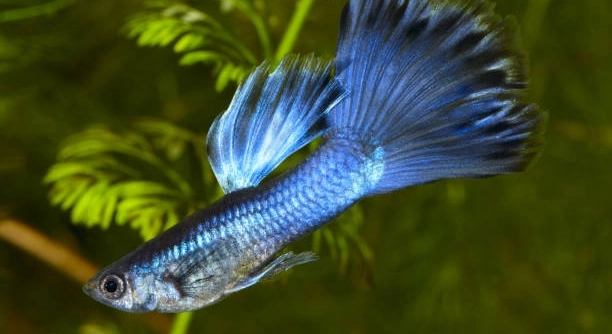
Guppies are known for their lively nature, but sometimes they stop eating, which can be concerning. Understanding the reasons behind this behavior is important to ensure their well-being and maintain a healthy aquarium environment.
The most common reasons for guppies not eating include stress, water quality issues, illness, and overfeeding. Environmental changes, such as fluctuations in temperature or tank conditions, can also contribute to their loss of appetite.
Addressing these issues can help restore your guppies’ eating habits and improve their overall health in the long run.
Stress and Anxiety
Guppies can be very sensitive to their environment. Any changes, whether it’s a new tank mate or alterations in their routine, can lead to stress. Stress often causes them to stop eating, as they are more focused on adjusting to the new circumstances than on food. Common sources of stress include loud noises, frequent movements around the tank, or aggressive fish. If your guppy is stressed, it may exhibit signs like hiding, darting, or resting at the bottom of the tank.
Taking steps to reduce stress can make a noticeable difference. Creating a stable, quiet environment and ensuring the tank is appropriately stocked with plants and hiding spots can help reduce anxiety levels. Keeping the tank’s inhabitants compatible and avoiding sudden changes will create a calmer atmosphere.
In addition to environmental factors, the size of the tank and overcrowding can play a role in how your guppy reacts. A cramped space can increase competition for food, leading to stress and loss of appetite. Maintaining a suitable tank size for the number of fish is essential for their well-being.
Poor Water Quality
If your guppy is refusing food, it could be due to poor water quality. Guppies are highly sensitive to their environment, and even small changes in water parameters can affect their eating habits. High levels of ammonia, nitrites, or nitrates can stress them out, making it harder for them to digest food.
Maintaining clean, well-filtered water is crucial for guppies’ health. Regular water changes and monitoring of pH levels, temperature, and water hardness will help create a stable environment. Poor water quality, left unchecked, may not only cause loss of appetite but can also lead to more serious health issues down the line.
Keeping a close eye on water conditions can help prevent many problems. Testing the water regularly, using an efficient filter, and ensuring the tank has proper ventilation and aeration can help keep your guppy healthy and encourage a healthy appetite.
Illness or Injury
A guppy’s refusal to eat could be a sign of illness or injury. Fish can hide symptoms of illness until they become severe. If you notice that your guppy is lethargic or has unusual spots, swollen areas, or clamped fins, it may be time to investigate further.
Common illnesses affecting guppies include parasites, bacterial infections, and internal worms. These conditions can make it difficult for them to eat. It’s important to quarantine sick fish to prevent spreading any potential infections to other tank mates. Checking for physical injuries, such as fin damage or cuts, is equally crucial.
If you suspect an illness or injury, consult with an aquatic veterinarian. Early intervention can prevent the situation from worsening. Treating the water with medications that target common ailments, while also keeping the tank clean, can encourage your guppy to start eating again.
Overfeeding
Overfeeding can lead to more than just uneaten food in the tank. It can also cause your guppy to lose its appetite. When too much food is offered, it can lead to bloating or indigestion. Overfed guppies often have difficulty processing food, which can make them stop eating.
To avoid overfeeding, stick to a feeding schedule and offer only the amount of food that can be consumed in a few minutes. This ensures that your guppy is eating the right amount without overwhelming its digestive system. The type of food provided also matters—fresh, nutritious food will be easier for your guppy to digest.
If you suspect your guppy has been overfed, skip a day or two of feeding to allow its digestive system to reset. Over time, your guppy will return to its regular eating habits once the bloating subsides and its system recovers.
Temperature Fluctuations
Guppies are sensitive to sudden temperature changes. Fluctuations can cause them stress and prevent them from eating. If the water temperature rises or drops too quickly, it can make guppies lethargic or cause them to stop feeding.
Keeping the water temperature consistent is key. Invest in a good aquarium heater with a reliable thermometer to ensure the water stays within the ideal range of 74-82°F (23-28°C). Sudden temperature drops or heat spikes can lead to health issues and a lack of appetite.
It’s essential to avoid placing your tank in areas where temperature changes are frequent. Moving the tank away from windows, air conditioning units, or heating vents can help maintain a stable environment for your guppy.
Poor Tank Conditions
The overall conditions of the tank can influence your guppy’s eating habits. Tanks with poor filtration, overcrowding, or lack of hiding spots can stress your guppy, leading to a loss of appetite. Guppies thrive in clean, spacious environments.
Regular tank maintenance is necessary to ensure a healthy living environment. Perform routine water changes and keep the filter clean. Consider the number of fish in the tank to avoid overcrowding. A well-maintained tank will reduce stress and encourage feeding.
Adding plants and decorations will also help your guppy feel more comfortable and less stressed, allowing it to eat normally.
Water Hardness
Water hardness, or the mineral content of the water, can impact your guppy’s health and eating habits. If the water is too soft or too hard, it can stress your fish and make them unwilling to eat.
To check water hardness, use test kits available in pet stores. Guppies prefer a moderate water hardness level, typically between 6-12 dGH. Adjusting the hardness with additives or water changes can create a more comfortable environment for your fish, encouraging them to eat.
FAQ
Why is my guppy not eating?
There are several potential reasons your guppy may not be eating. Stress from environmental changes, such as new tank mates, noise, or sudden temperature fluctuations, can cause your guppy to lose its appetite. Poor water quality, including high levels of ammonia or nitrates, is another common issue. Illness or injury could also lead to a lack of interest in food, as well as overfeeding, which can cause indigestion or bloating.
What temperature should my guppy tank be?
Guppies thrive in water that is consistently between 74-82°F (23-28°C). If the temperature fluctuates outside this range, your guppy may become stressed, resulting in a loss of appetite. Use a reliable aquarium heater with a thermometer to maintain a stable temperature in your tank.
How often should I feed my guppy?
Guppies should be fed once or twice a day. Offer only as much food as they can consume in a few minutes. Overfeeding can lead to uneaten food decomposing in the tank, which can affect water quality and cause bloating in your guppy. Stick to a feeding schedule and avoid excessive portions.
Can overfeeding cause my guppy to stop eating?
Yes, overfeeding can make your guppy stop eating. When fed too much, your guppy’s digestive system becomes overwhelmed, leading to indigestion or bloating. In some cases, they may simply lose interest in food. Stick to appropriate portions, and avoid feeding your guppy more than it can consume within a few minutes.
How do I know if my guppy is sick?
Signs of a sick guppy include lethargy, fading colors, clamped fins, unusual swimming behavior, spots, or swelling. If your guppy is refusing to eat and showing these symptoms, it may be suffering from an illness or injury. Isolating the affected fish in a quarantine tank can help prevent further issues in the main tank.
Can stress cause a guppy to stop eating?
Yes, stress is one of the most common reasons guppies stop eating. Changes in their environment, like the introduction of new tank mates, loud noises, or poor water quality, can cause stress. A stressed guppy may hide, swim erratically, or stop eating altogether. Creating a stable, quiet environment will help reduce stress and encourage your guppy to eat again.
What is the best food for guppies?
The best food for guppies includes high-quality fish flakes, pellets, and live or frozen foods such as brine shrimp, bloodworms, and daphnia. Offering a variety of foods will ensure that your guppy receives a balanced diet. Be sure to feed only what they can consume in a few minutes to avoid water contamination.
How can I improve the water quality in my guppy tank?
Maintaining good water quality is essential for guppy health. Regularly test the water for ammonia, nitrites, nitrates, pH levels, and temperature. Perform partial water changes every week to remove toxins and refresh the tank. A good filtration system will also help keep the water clean and oxygenated, ensuring your guppy remains healthy and appetites return.
Can a dirty tank cause my guppy to stop eating?
Yes, a dirty tank can significantly affect your guppy’s eating habits. Poor water quality, such as high levels of ammonia, nitrates, or other toxins, can cause stress and make your guppy less interested in food. Regular cleaning and water changes are essential for maintaining a healthy and comfortable environment.
What should I do if my guppy refuses to eat for several days?
If your guppy has not eaten for several days, it’s important to assess the tank conditions first. Check the water temperature, cleanliness, and make sure the fish is not stressed or ill. If everything seems fine but the guppy still won’t eat, try offering different types of food. If the problem persists, it may be time to consult a vet specializing in fish health.
Final Thoughts
Understanding why your guppy may stop eating involves examining several factors, including water conditions, tank environment, and overall health. Guppies are sensitive creatures, and even small changes in their habitat can affect their eating habits. It’s important to maintain a stable environment to keep your fish healthy. Regular water testing and ensuring the right temperature range can help prevent many issues that might cause a guppy to stop eating.
Another key consideration is diet. Guppies need a balanced diet, and overfeeding or underfeeding can both lead to problems. Providing appropriate portions and avoiding overfeeding helps prevent digestive issues and bloating. Offering a variety of food types, such as live or frozen foods, ensures your guppy is getting the right nutrients. Remember that it’s not just about feeding your guppy; it’s about feeding it properly to avoid health complications.
If your guppy continues to refuse food despite addressing environmental and dietary concerns, it could be a sign of illness or stress. In such cases, isolating the affected fish and observing for signs of disease is essential. Consulting an aquatic veterinarian can help identify the problem and provide the appropriate treatment. Keeping your guppy’s tank clean and stress-free, while maintaining a balanced diet, is the best way to ensure your fish stays healthy and happy in the long run.

Hello,
If you enjoy the content that we create, please consider saying a "Thank You!" by leaving a tip.
Every little bit helps us continue crafting quality advice that supports the health, happiness, and well-being of pets around the world, for pets of all shapes, sizes, and species.
We really appreciate the kindness and support that you show us!