
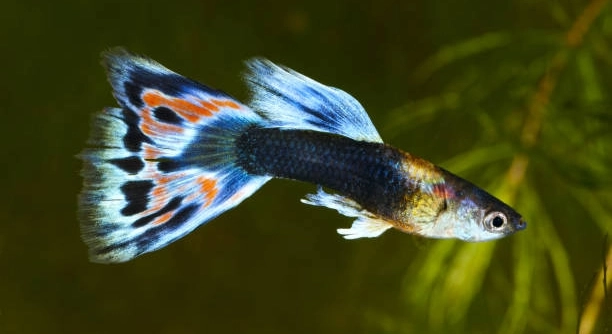
Guppies are often popular for their vibrant colors and playful nature. However, there are times when these little fish stop breeding, leaving aquarists puzzled. Understanding the reasons behind this can help bring balance to their environment.
The primary factors that affect guppy breeding include water quality, temperature, and stress. Guppies require stable conditions, such as the right temperature and clean water, to breed effectively. Stressors like overcrowding or incompatible tank mates can also hinder reproduction.
Knowing the key factors that influence guppy breeding is essential. By adjusting the environment and monitoring for stressors, you can encourage your guppies to breed again and maintain a healthy aquarium.
Water Quality and Its Impact on Breeding
Water quality plays a crucial role in guppy reproduction. Guppies are sensitive to changes in water conditions, so maintaining stable water parameters is essential. High levels of ammonia or nitrites, for example, can stress guppies and cause them to stop breeding. Proper filtration, regular water changes, and monitoring water hardness, pH, and temperature can help prevent these issues. Soft water with a pH level between 7.0 and 8.0 is ideal for breeding. Poor water quality not only affects their health but also prevents the development of healthy offspring.
Water quality isn’t just about cleanliness; it’s about providing the right environment for your guppies to thrive. Clean, well-filtered water ensures that your fish remain healthy and can breed successfully.
Regularly testing the water and adjusting the levels as needed will support your guppies’ breeding efforts. If there are issues like high ammonia or nitrites, consider installing a better filtration system or increasing the frequency of water changes. Ensuring your guppies are in a stable environment can make a significant difference in their reproductive health.
Stress Factors That Affect Breeding
Guppies, like many other fish, can be easily stressed, which can prevent breeding. Stress can come from a variety of sources, such as overcrowding, sudden temperature changes, or aggressive tank mates.
Overcrowding in the tank creates competition for space, which can lead to stress and, eventually, a halt in breeding. Keeping the right fish-to-water ratio is essential for guppy well-being.
Stress can disrupt hormone levels in guppies, making them less likely to breed. Keeping their environment calm by reducing the number of tank mates and maintaining a stable temperature will reduce stress. Adding plants and hiding spots can also give guppies places to retreat when feeling threatened.
Water Temperature and Breeding
Temperature plays a major role in the breeding habits of guppies. They thrive in warmer water, typically between 75°F and 80°F. Anything outside this range can slow down their metabolism and affect their ability to reproduce.
Maintaining a stable temperature is crucial for encouraging guppy breeding. Fluctuating temperatures can stress the fish, causing them to stop breeding altogether. If the water is too cold, their immune system can weaken, making them more vulnerable to diseases. On the other hand, water that is too hot can lead to a lack of oxygen and decreased fertility.
A reliable aquarium heater can help regulate the temperature, ensuring a stable environment. Regularly checking the water temperature with a thermometer ensures you stay within the ideal range for breeding. Keeping the temperature consistent and within the right range helps create the perfect breeding environment for your guppies.
Inadequate Lighting
Guppies, like many fish, rely on natural light cycles to regulate their behavior. Inadequate lighting can disrupt their internal clocks, making it harder for them to breed.
The right amount of light is essential for guppy health and reproduction. A consistent day-night cycle helps trigger breeding behaviors. Too much light can overstimulate them, while too little light can cause them to become disoriented and less likely to breed.
Using a timer for your aquarium lights ensures the guppies receive a balanced amount of light each day. This will help them feel secure and encourage their natural breeding cycles. Proper lighting not only supports their reproductive health but also promotes overall well-being.
Poor Diet and Nutritional Deficiencies
A balanced diet is key to keeping guppies healthy and ready to breed. A lack of essential nutrients can affect their reproductive health and cause breeding to stop.
Guppies require a varied diet, including high-quality flakes, pellets, and occasional live foods like brine shrimp. This variety provides the vitamins and minerals needed for their overall health and reproductive success.
If your guppies are not receiving enough nutrition, they may stop breeding or produce weak offspring. To avoid this, ensure their diet includes all the necessary nutrients to promote healthy breeding behavior and overall vitality.
Overcrowding in the Tank
Too many fish in a tank can lead to overcrowding, which stresses guppies and reduces their chances of breeding. Overcrowding often causes poor water quality, which can further harm breeding conditions.
In addition to the stress of sharing space, overcrowded tanks limit the availability of resources, like food and oxygen, which negatively impacts your guppies’ ability to breed.
Keep your guppy population within a manageable number based on the size of your tank. Proper spacing allows for healthy water conditions and reduces stress, leading to better breeding opportunities.
Unhealthy Tank Mates
Some fish species are not compatible with guppies and can cause stress, which may stop them from breeding. Aggressive tank mates, such as large fish, can intimidate or even harm the guppies.
It’s important to choose peaceful fish that won’t interfere with your guppies’ environment. Fish that harass or chase guppies can cause constant stress, leading to a drop in breeding activity.
Select tank mates that are peaceful and have similar care requirements to guppies. This will help maintain a calm environment, making it easier for your guppies to breed successfully.
FAQ
Why aren’t my guppies breeding?
There are several reasons guppies may stop breeding, including poor water quality, stress from overcrowding, incorrect water temperature, or inadequate lighting. Nutritional deficiencies and incompatible tank mates can also contribute to a lack of breeding. It’s important to assess each factor carefully to pinpoint the issue and adjust accordingly.
How can I improve the water quality for my guppies?
Maintaining clean water is vital for guppy health and breeding. Regular water changes, ideally 25-30% weekly, help remove toxins and maintain water quality. Use a good filtration system to keep ammonia, nitrites, and nitrates at safe levels. Testing water parameters frequently for pH, hardness, and temperature ensures the conditions stay optimal.
What is the ideal temperature for guppy breeding?
Guppies breed best in warm water, typically between 75°F and 80°F. Any significant temperature fluctuation can stress the fish and prevent breeding. Use an aquarium heater to maintain a consistent temperature, and monitor it with a thermometer to ensure it stays within the ideal range.
Do guppies need light to breed?
Yes, guppies need a proper light cycle to trigger breeding behaviors. They thrive with a 12-14 hour light cycle each day. Too much light can over-stimulate them, while too little light can disrupt their natural rhythm. Using a timer for aquarium lights helps maintain a consistent cycle.
Can stress from tank mates stop guppies from breeding?
Stress caused by aggressive or incompatible tank mates can significantly hinder guppy breeding. Fish that chase or bully guppies will cause anxiety, which affects their reproductive health. It’s important to choose peaceful tank mates that won’t disrupt the guppies’ environment.
How often should I feed my guppies to encourage breeding?
Feeding your guppies a balanced diet is essential for breeding. Offer small amounts of high-quality flakes, pellets, and occasional live foods like brine shrimp or daphnia. Feed them 2-3 times a day, but be careful not to overfeed, as this can pollute the water. A nutritious diet boosts their health and fertility.
How many guppies can I keep in my tank?
Overcrowding can stress guppies and prevent breeding. A good rule of thumb is to allow 1 inch of fish per gallon of water, though this can vary based on tank filtration and other factors. Keeping the tank less crowded helps maintain better water quality and reduces stress on the fish.
Do guppies need plants to breed?
While not essential, plants can benefit guppies by providing hiding spaces and reducing stress. Plants offer a natural environment that mimics their native habitats, making them feel secure and more likely to breed. Additionally, plants help with water filtration, creating a healthier tank.
Can guppies breed without a male?
No, guppies require a male to breed. The male fertilizes the female’s eggs during mating. However, female guppies can store sperm from a male for several months, so they may continue to give birth to fry even after the male is no longer in the tank.
How can I tell if my guppy is pregnant?
Pregnant female guppies show a noticeable dark spot near their abdomen called the gravid spot, which becomes more visible as they approach the end of pregnancy. As the pregnancy progresses, the female’s belly will enlarge, and you may see tiny eyes in the fry when they are close to being born.
How long does it take for guppies to breed?
The breeding process in guppies is relatively quick. After mating, the female can give birth to fry in about 21-30 days. However, the time may vary depending on water temperature and other environmental factors.
Can I breed guppies in a community tank?
Yes, but with caution. In a community tank, guppies may breed, but the fry could be eaten by other fish if they are not given enough hiding places. Adding plants or other hiding spots helps protect the fry. You may also want to remove the pregnant female to a breeding tank to ensure a safer environment for the offspring.
Should I remove the male guppy after breeding?
Once the female has mated, it’s not necessary to remove the male unless there are issues with aggression. However, if you are looking to prevent further pregnancies or give the female a rest period, removing the male temporarily can help. Guppies can store sperm for several months, so a male isn’t required for every batch of fry.
How can I ensure my guppies breed successfully?
To encourage successful breeding, provide optimal water conditions, the right temperature, good nutrition, and a peaceful environment. Avoid overcrowding and monitor for signs of stress. Offer plenty of hiding spots, maintain stable lighting, and ensure both male and female guppies are healthy and mature enough for breeding.
What happens if guppy fry are not born in a tank with plants?
If there are no plants or hiding places, guppy fry may not survive long in a community tank. Without a safe environment, other fish may eat the young. Including plants or mesh breeder boxes allows the fry to have a safe space to grow before they are big enough to swim freely in the tank.
Final Thoughts
Guppies can be delightful to keep, especially when they are breeding successfully. However, several factors can interfere with their breeding behavior. Water quality, temperature, lighting, diet, and tank mates all play crucial roles in whether or not your guppies will breed. Ensuring all these aspects are in balance can help promote a healthy and active breeding environment for your fish. Regular monitoring of water parameters and addressing any issues that arise is essential to keep your guppies healthy and breeding well.
If you are experiencing difficulties with breeding, it’s important to take a step back and review your tank setup. Assess whether the water conditions are optimal and ensure your guppies are not stressed by overcrowding or aggressive tank mates. A balanced diet rich in nutrients is necessary for maintaining good health, which directly impacts breeding. Furthermore, lighting should mimic natural day-night cycles, and water temperature should be maintained within the recommended range for guppies. Small changes in any of these areas can sometimes make a big difference in encouraging successful breeding.
By paying attention to these basic factors, you can create an environment where your guppies are more likely to thrive and breed. If breeding does not occur immediately, don’t be discouraged. Sometimes, it takes a little patience and adjustment to find the right balance. Over time, as you better understand your guppies’ needs, you’ll be able to enjoy the process of raising healthy fry. Proper care and observation are the keys to ensuring that your guppies breed successfully and that the young have the best chance to grow and flourish.

Hello,
If you enjoy the content that we create, please consider saying a "Thank You!" by leaving a tip.
Every little bit helps us continue crafting quality advice that supports the health, happiness, and well-being of pets around the world, for pets of all shapes, sizes, and species.
We really appreciate the kindness and support that you show us!