
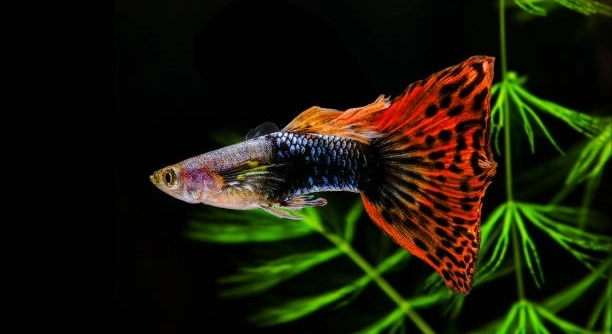
Guppies are a popular fish species found in many aquariums. Their bright colors and energetic personalities make them a favorite among fish keepers. However, there are several factors that help them thrive in their environment and maintain their position at the top.
Guppies maintain their position at the top due to their adaptability, reproductive rate, and ability to tolerate a wide range of water conditions. Their small size and resilience to changes in temperature and water quality contribute to their success in various environments.
Understanding how guppies have earned their place can help aquarium enthusiasts provide better care for them.
1. Guppy Adaptability to Different Environments
Guppies are well-known for their adaptability to various environments. Whether in fresh or slightly brackish water, they can thrive in a wide range of conditions. Their ability to adjust to fluctuating water temperatures and different levels of pH gives them an edge over other species. This flexibility makes them a popular choice for beginners and experienced aquarium keepers alike. Guppies can even survive in water with moderate salinity, further proving their hardiness. Their adaptability allows them to live in areas where other fish might struggle to survive. As long as the water is relatively clean, guppies can usually make themselves at home.
Incorporating the right water conditions will ensure that your guppies remain happy and healthy.
Providing a stable, clean environment with regular water changes helps them thrive and reproduce. With just the right conditions, they will flourish, maintaining their vibrant colors and energy.
2. Guppy Reproductive Speed and Population Growth
One of the reasons guppies remain at the top is their fast reproduction rate. A single female guppy can give birth to anywhere between 20 to 100 fry every 4-6 weeks, depending on her age and health. This rapid breeding ensures that their population remains strong. Guppies are livebearers, meaning the females carry the young until they are fully developed and then give birth to free-swimming fry. This makes it easier for guppies to establish and grow their presence in an aquarium without relying on eggs that may be vulnerable to predation.
This quick breeding cycle contributes significantly to their population, as guppies reproduce throughout the year.
By providing a stable environment and proper care, you can help maintain a steady population of guppies in your aquarium. In no time, your tank will be filled with these colorful fish.
3. Guppy Resilience to Poor Water Conditions
Guppies are quite resilient when it comes to dealing with suboptimal water conditions. They can tolerate mild pollution and slight changes in pH levels, which many other fish species cannot handle. This makes them perfect for beginners who may not always get the water quality perfect. Their ability to survive in less-than-ideal conditions ensures that they don’t quickly die off if the tank water is not immediately adjusted. However, it’s important to remember that while they can endure some fluctuations, maintaining a clean tank is still essential for their long-term health.
Regular water changes and testing for ammonia and nitrate levels are essential to keep them healthy.
If water quality is left unchecked for too long, it can lead to stress and even health problems. Despite their hardiness, maintaining a balanced, clean environment will always yield the best results for guppies.
4. Guppy Behavior and Social Dynamics
Guppies are social fish and thrive in groups. Keeping them in schools enhances their well-being, reducing stress and promoting more natural behaviors. When kept in small groups, guppies display fascinating social structures, such as dominance hierarchies, which help reduce conflict. This social nature allows them to interact and establish peaceful communities. In an aquarium with other compatible fish, guppies are known to be non-aggressive, preferring to swim calmly through the water. This behavior makes them an excellent choice for a peaceful tank environment, even when combined with other species.
The more guppies you keep together, the more natural their behavior will be.
Creating a well-planned tank with plants and hiding spots will help guppies feel safe while interacting with one another. This is key to keeping them active and healthy over time.
5. Guppy Diet and Feeding Habits
Guppies are easy to feed and will eat a variety of foods, from flakes to live foods. Their diet mainly consists of small plant matter and tiny invertebrates in the wild. In aquariums, they thrive on high-quality pellets, flakes, and occasional treats like brine shrimp or daphnia.
Regular feeding, twice a day, with small portions ensures they stay healthy and maintain their vibrant colors.
It’s important to avoid overfeeding them, as this can lead to poor water quality. Guppies are small and do best with smaller portions, which also helps prevent bloating and other health issues.
6. Guppy Lifespan and General Care
Guppies typically live around 2 to 3 years in an aquarium, although some may live longer with proper care. The key to a longer lifespan lies in maintaining consistent water conditions, proper feeding, and a stress-free environment. Overcrowding should be avoided, as it can lead to stress and disease.
Routine maintenance of the tank, including water changes and filtering, ensures the environment remains suitable for them. Keep an eye on water temperature and quality, as fluctuations can impact their health.
When kept in a well-maintained tank, guppies can remain vibrant and active throughout their lifespan. Regular monitoring of their behavior and water conditions will go a long way in helping them thrive.
FAQ
How often should I feed my guppies?
Guppies should be fed twice a day, but only small amounts each time. Overfeeding can lead to excess waste in the tank and poor water quality. It’s important to feed them just enough so they finish eating within a few minutes. If any food remains after feeding, it should be removed to prevent it from contaminating the water. You can adjust their portions based on their activity level and size, but avoid feeding them more than they can consume quickly.
What is the best water temperature for guppies?
Guppies prefer warm water, with an ideal temperature range between 75°F and 80°F (24°C to 27°C). Keeping the water in this range helps them stay active and healthy. If the water gets too cold, their metabolism slows down, and they may become more prone to illness. On the other hand, temperatures above 80°F can stress them out and lead to other problems. Using a heater with a thermostat ensures that the temperature stays consistent.
Can guppies live with other fish?
Yes, guppies are peaceful fish that get along well with other non-aggressive species. They’re often kept in community tanks with fish like mollies, swordtails, and tetras. However, it’s important to avoid keeping guppies with aggressive species that might harass or eat them. Guppies are small and can be intimidated by larger, more territorial fish. When setting up a tank with other fish, be sure to research the compatibility of the species and monitor their behavior to prevent stress or aggression.
How can I tell if my guppies are stressed?
Stressed guppies may show signs such as erratic swimming, hiding, or a lack of appetite. If your guppies are frequently swimming near the surface, darting around, or shaking, it could be a sign that something is wrong with their environment. Stress can also cause them to lose their bright colors or show signs of disease. Common stressors include poor water quality, overcrowding, and fluctuating water temperatures. Regular water changes, proper filtration, and a peaceful tank environment can help reduce stress.
How do I breed guppies?
Breeding guppies is relatively easy, as they are livebearers, meaning they give birth to fully developed fry instead of laying eggs. To breed guppies, you’ll need a male and a female in the same tank. The female will carry the male’s sperm for several months, allowing her to give birth to multiple batches of fry. To avoid overcrowding, consider separating the pregnant females into a breeding box or separate tank to give birth, and then return them to the main tank. The fry will need tiny foods like crushed flakes or baby brine shrimp until they are large enough to eat regular guppy food.
Why are my guppies not reproducing?
There are several reasons guppies might not be breeding. The most common causes are improper water conditions, stress, or incompatible tank mates. Female guppies can also stop breeding if they’ve already mated and stored sperm. If the water temperature is too low or the pH is off, it can affect their reproductive cycle. Additionally, if the guppies are too young or too old, they might not be ready to breed. Ensure the water temperature is in the proper range, and that they are not under stress from overcrowding or aggressive tank mates.
How long do guppies live?
Guppies typically live for about 2 to 3 years in an aquarium. Their lifespan can vary depending on their environment and care. Providing them with clean water, proper food, and a stable environment can help them live longer. Some guppies, particularly those in ideal conditions, may live a bit longer, but on average, they don’t live past three years.
Do guppies need a filter?
Yes, guppies benefit from a filter in their tank. A filter helps to maintain water quality by removing debris and excess waste, which can lead to harmful toxins in the water. Guppies are small and produce waste, so a filter helps keep their environment clean. However, the filter should not create strong currents, as guppies prefer calmer water. A gentle filter is ideal, and regular maintenance will ensure the water stays clear and healthy.
How do I prevent guppy diseases?
Maintaining a clean, stable tank environment is the best way to prevent diseases in guppies. Regular water changes, proper filtration, and monitoring water quality are key. Avoid overfeeding, as uneaten food can contribute to bacterial growth and poor water quality. Quarantining new fish before introducing them to the tank can also help prevent the spread of disease. If you notice any signs of illness, such as lesions, faded colors, or unusual swimming patterns, isolate the affected fish and address the problem promptly.
Can guppies live in a small tank?
Guppies can live in smaller tanks, but it’s important to ensure that the tank is large enough for them to swim comfortably. A minimum of a 5-gallon tank is recommended for a small group of guppies. Overcrowding can lead to stress and poor water quality. If you plan to keep more than a few guppies, a larger tank with proper filtration is ideal. A small tank can work if it’s maintained well, but a larger space will always give them more room to thrive.
What size tank do guppies need?
For a group of 3-5 guppies, a minimum of a 10-gallon tank is recommended. While guppies are small, they still need enough space to swim around. A 10-gallon tank offers more stability in water conditions and allows for better filtration. If you plan on keeping a larger group of guppies or mixing in other species, a bigger tank is preferable. The more space they have, the better their chances are of staying healthy and stress-free.
How often should I clean my guppy tank?
Regular cleaning is crucial for keeping guppies healthy. You should perform partial water changes of 25-30% every 1-2 weeks, depending on the tank’s size and how many guppies are in it. This helps prevent the buildup of toxins like ammonia and nitrates. In addition to water changes, you should clean the substrate and decorations as needed to remove any excess food or waste. Always avoid cleaning the filter too frequently, as it helps maintain beneficial bacteria that break down waste.
What do guppy fry eat?
Guppy fry need tiny, high-protein foods in the first few weeks of their life. You can feed them finely crushed flakes, baby brine shrimp, or specialized fry food. Their small mouths require food that is small enough to fit in. As they grow, they can gradually be introduced to the same food as adult guppies, though in smaller portions. Be sure to feed them multiple times a day to ensure they are getting enough nutrition to grow.
Why are my guppies swimming at the surface?
Guppies swimming at the surface can be a sign that they are trying to get more oxygen. This can happen if the water quality is poor or if the oxygen levels are too low. Check the water parameters and ensure the tank is well-aerated. If you see them constantly at the surface, it may also indicate stress, water temperature fluctuations, or illness. A quick response to adjusting the water conditions will help them feel more comfortable.
Are guppies easy to care for?
Yes, guppies are generally easy to care for, which is why they are a popular choice for beginners. They are hardy, adaptable, and don’t require complex tank setups. As long as their basic needs are met, including proper water conditions, food, and space, they are low-maintenance fish. However, regular maintenance of the tank and monitoring their health are necessary to ensure they thrive.
Final Thoughts
Guppies are among the most popular aquarium fish, and for good reason. They are small, colorful, and relatively easy to care for. With their peaceful nature and active behavior, they make great additions to community tanks. Whether you’re a beginner or experienced aquarist, keeping guppies can be a rewarding experience. They do not require a lot of space, and their needs are simple to meet. As long as their tank is well-maintained and the water conditions are kept stable, guppies can thrive and bring color to any aquarium.
Understanding the basic needs of guppies is essential to keeping them healthy. Regular water changes, proper filtration, and a balanced diet are key to their well-being. The most common issues with guppies arise from poor water quality, which can lead to stress and disease. Being mindful of their tank size, the right temperature, and a stress-free environment can prevent many of the problems that come with keeping them. Additionally, ensuring they have compatible tank mates and enough space to swim will help keep them happy and active.
In conclusion, guppies are a great choice for anyone looking to add a lively and colorful touch to their tank. Their care is simple once you understand the basics, and their vibrant colors make them a joy to watch. As long as you monitor their environment and provide proper care, your guppies will likely live a long, healthy life.

Hello,
If you enjoy the content that we create, please consider saying a "Thank You!" by leaving a tip.
Every little bit helps us continue crafting quality advice that supports the health, happiness, and well-being of pets around the world, for pets of all shapes, sizes, and species.
We really appreciate the kindness and support that you show us!