
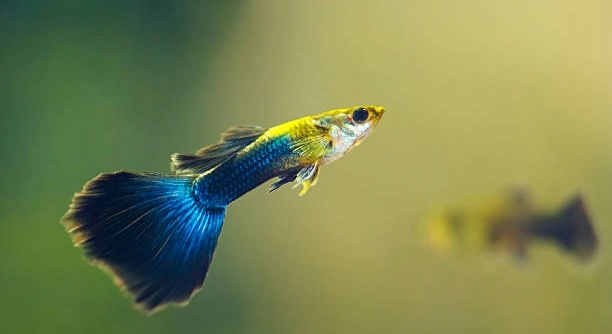
Guppies are popular aquarium fish, known for their colorful appearance and peaceful nature. When choosing tank mates for them, it’s important to consider their temperament. Not all fish are compatible with these friendly little swimmers.
Guppies prefer peaceful tank mates because they are small, non-aggressive, and easily stressed by larger or more aggressive fish. Their calm nature thrives in an environment with companions that won’t intimidate or harm them, ensuring their well-being.
Understanding the ideal tank mates for guppies is crucial to maintaining a peaceful aquarium. By considering their needs, you can create a harmonious environment that promotes their health and happiness.
Why Guppies Prefer Calm Tank Mates
Guppies are peaceful by nature, which makes them very sensitive to the behavior of other fish. When they are in a tank with aggressive or large species, they may become stressed or even frightened. This stress can affect their health, causing issues like decreased appetite, faded colors, or lower immune function. Guppies are small and vulnerable, and their peaceful disposition makes them more suited for calm and non-threatening tank mates. In their natural habitat, they thrive in groups of their own kind or with other peaceful species that won’t harm or intimidate them.
Even though guppies are social fish, they tend to stay away from species that could be seen as a threat. When introduced to an overly aggressive tank mate, the guppy might hide, refusing to eat or engage. These signs of stress can weaken the fish, making them more susceptible to disease and affecting their long-term health.
For guppies to thrive, it’s essential that they are placed in a peaceful environment. Choosing tank mates that match their calm temperament ensures they can swim freely without fear. Guppies are highly social creatures and prefer the company of peaceful fish, such as other guppies, mollies, or tetras. These fish share a similar level of activity and won’t disrupt the balance of your tank. The right tank mates will allow your guppies to feel secure, promoting their health and happiness.
What Happens When They’re With Aggressive Fish
When guppies share a tank with aggressive fish, they may not feel safe or comfortable. Aggressive tank mates can disrupt the peaceful dynamics of the aquarium.
Aggressive fish, like cichlids or large barbs, tend to chase smaller fish like guppies. This constant threat of being chased or bullied puts undue stress on guppies, which may lead to them hiding in corners or staying at the bottom of the tank. If this happens, guppies may stop eating and their colors can become dull. Their natural behaviors are disturbed, which is harmful to their health.
To avoid these issues, it’s crucial to match guppies with fish that share their gentle nature. Small tetras, peaceful danios, or peaceful species of mollies make great tank mates. These fish won’t intimidate your guppies and will allow them to interact and swim freely. Guppies thrive in environments where they feel safe and aren’t under threat from larger or more aggressive species. By choosing peaceful tank mates, you help ensure your guppies live their best life in your aquarium.
Compatibility with Tank Mates
Guppies are best suited with tank mates that have similar swimming speeds. Fast-moving fish can stress out guppies, causing them to feel left behind. Slow-moving fish might also not be ideal as they could unintentionally frustrate the guppy’s natural behavior.
For a peaceful and harmonious tank, choose companions that swim around at a similar pace. Fish like mollies or neon tetras are ideal, as they have comparable swimming habits and aren’t overly competitive. They won’t force the guppy to constantly keep up, reducing the chance of stress. It’s important to create a balanced tank where each species is comfortable. This balance allows your guppies to feel secure, reducing the possibility of stress-induced health issues. Fish that move at a similar pace foster a more relaxed environment for all species involved, ensuring a smoother interaction among tank mates.
Adding peaceful fish with compatible swimming habits can go a long way in reducing stress. Guppies are very active and curious, so when they share a tank with species that swim at similar speeds, they feel more at ease. It gives them a chance to interact with other fish without the worry of being outpaced or overwhelmed. By observing their natural movement patterns and placing them with similar species, you’ll see your guppies thrive in a balanced, peaceful environment. This helps maintain a stable atmosphere in the tank, keeping your guppies and their companions happy and healthy.
How Tank Size Affects Their Behavior
Tank size can make a big difference in how guppies interact with other species. A small tank can make them feel crowded, stressed, or territorial. In contrast, a larger tank provides enough space for guppies to move around comfortably and interact with peaceful companions.
When your tank is small, guppies are more likely to hide in corners, avoiding contact with other fish. This can lead to isolation and stress, weakening their immune systems. In a spacious tank, guppies can freely swim with their tank mates, exploring the environment and forming natural social bonds. A larger space reduces the likelihood of aggression or stress from confinement, giving all fish more room to thrive.
Choosing the right tank size ensures that guppies have enough space to coexist peacefully with their companions. A 20-gallon tank or larger is ideal for a group of guppies and their tank mates. This size allows enough room for them to spread out and reduces the pressure of overcrowding. In a larger tank, each fish can find its own space while still being able to interact comfortably. With enough space, your guppies will feel more secure, and their behavior will be less affected by stress or territorial disputes, leading to a healthier and happier aquarium.
Guppy Social Needs
Guppies are highly social fish and do best in groups. When kept alone, they can become stressed and less active. It’s important to have a small school of guppies so they feel safe and can engage in natural social behaviors.
When they are in groups, guppies show more natural behaviors, such as swimming in schools and exploring their environment. Being around other guppies helps reduce stress and makes them feel more secure. A group of at least three to five guppies can help keep them active and prevent anxiety, ensuring they thrive in their environment.
Proper Tank Conditions
Maintaining proper tank conditions is crucial for the well-being of guppies. They need stable water temperature, pH levels, and filtration to stay healthy. When the water conditions aren’t ideal, guppies can become stressed, affecting their immune system and overall health.
Ensuring proper water quality also supports peaceful interactions with their tank mates. Guppies will thrive in a stable environment, where the water is clean and their tank mates are not competing for resources. Regular water changes and monitoring the tank’s parameters help maintain a safe and comfortable environment.
Choosing Peaceful Species
When selecting tank mates, it’s best to choose peaceful species that won’t cause stress. Guppies do well with other calm fish, like mollies, tetras, or Corydoras catfish. These species have similar temperaments and won’t disrupt the harmony of the tank.
FAQ
What are the best tank mates for guppies?
The best tank mates for guppies are peaceful fish that won’t intimidate or bully them. Some good options include mollies, neon tetras, and Corydoras catfish. These fish have similar temperaments, ensuring a calm environment where guppies can feel secure. Avoid fish that are too aggressive or too large, like cichlids or barbs, as they may harm or stress the guppies.
Can guppies live with goldfish?
While goldfish and guppies may seem like they could coexist, they are not ideal tank mates. Goldfish are much larger and can be more aggressive, making them a potential threat to smaller fish like guppies. Additionally, goldfish prefer colder water, while guppies need warmer temperatures to thrive. Keeping these two species together could lead to stress and health problems for the guppies.
How many guppies can I keep together?
It’s best to keep at least three to five guppies together in a tank. Guppies are social fish, and keeping them in a small group helps reduce stress and promotes natural behaviors. A larger school of guppies can also create a more dynamic and peaceful atmosphere in your aquarium. However, the size of your tank will determine how many guppies can comfortably live together. A 20-gallon tank is a good starting point for a group of guppies.
Can guppies live with bettas?
Guppies and bettas generally don’t make good tank mates, especially if they are males. Bettas are known for being territorial and aggressive, particularly towards brightly colored fish like guppies. Male bettas may attack guppies, especially if they have long, flowing fins. If you want to keep guppies and bettas together, ensure the tank is large enough to provide plenty of space and consider keeping female bettas, as they are usually less aggressive.
Do guppies prefer specific water conditions?
Yes, guppies thrive in stable water conditions. They prefer a water temperature between 72-82°F (22-28°C), a slightly alkaline pH of 7.0-8.0, and soft to moderately hard water. Regular water changes and proper filtration are essential to maintaining these conditions. Stress from poor water quality can weaken guppies, making them more susceptible to disease.
Are guppies aggressive?
Guppies are not aggressive fish. They are peaceful and tend to avoid conflict with other fish. However, male guppies can sometimes be territorial, especially if there are other males around. It’s important to have enough females to balance the male-to-female ratio, as having too many males can lead to aggression among them. Overall, guppies are non-aggressive and do best in peaceful tanks.
How do I know if my guppies are stressed?
Stressed guppies may display several signs, including hiding in corners, a lack of appetite, faded colors, and reduced activity. They may also stop interacting with other fish or swimming in the open. If you notice any of these signs, check the water conditions and make sure there are no aggressive tank mates. Stress can also be caused by overcrowding or sudden changes in water temperature.
Can guppies live with shrimp?
Yes, guppies can live with shrimp, and they can even coexist with species like cherry shrimp or Amano shrimp. Guppies generally won’t bother the shrimp, and the shrimp will help keep the tank clean by scavenging for leftover food. However, make sure the shrimp are not too small, as there is a slight risk that larger guppies might see them as food. Providing plenty of hiding places for the shrimp will also help them stay safe.
Do guppies need a filter?
Yes, guppies need a filter to keep their tank water clean and maintain good water quality. A filter helps remove toxins, excess food, and waste from the water, preventing the build-up of harmful substances. A well-filtered tank reduces stress and promotes the overall health of your guppies and other tank mates. Be sure to choose an appropriate filter for the size of your tank to ensure the water remains clean and oxygenated.
How often should I feed my guppies?
Guppies should be fed small amounts 2-3 times a day. Overfeeding can lead to poor water quality and health problems for your guppies. Provide a variety of foods, including high-quality flake food, pellets, and occasional live or frozen foods like brine shrimp or daphnia. Be sure to remove any uneaten food after a few minutes to prevent it from polluting the tank.
Can guppies live with snails?
Guppies can live peacefully with snails, such as mystery snails or nerite snails. Snails won’t harm the guppies, and they can help keep the tank clean by eating algae and detritus. However, be aware that larger snails might be able to outcompete guppies for food, so ensure there is enough food for everyone in the tank.
How long do guppies live?
Guppies typically live for around 2 to 3 years, although some can live longer with proper care. Their lifespan can be influenced by factors such as water quality, tank mates, and overall environment. Ensuring that they are in a stress-free environment with the right tank conditions can help them live a longer, healthier life.
What temperature do guppies need?
Guppies prefer warmer water and should be kept in a tank with a temperature range of 72-82°F (22-28°C). Temperatures outside this range can stress them out and lead to health problems. Keeping the water temperature stable is important, so a reliable heater is recommended for tanks that experience fluctuations in room temperature.
Final Thoughts
Choosing the right tank mates for guppies is essential to keeping them healthy and stress-free. Guppies are peaceful and social fish, so they do best when they are in an environment where they feel safe and comfortable. When selecting tank mates, it’s important to pick species that share similar temperaments and swimming habits. Avoid aggressive or larger fish that could bully or harm your guppies. Keeping guppies with peaceful fish like mollies, neon tetras, or Corydoras catfish can help create a harmonious tank environment.
The size of the tank also plays a significant role in the well-being of guppies. A larger tank allows for more space, reducing the chances of overcrowding and giving your guppies room to swim and explore. If the tank is too small, it can lead to stress, territorial disputes, and poor water quality. A 20-gallon tank or larger is ideal for keeping guppies with their tank mates, as it provides ample space for all species to coexist peacefully. Regular water changes and proper filtration are also key to maintaining a healthy environment, as poor water quality can stress out your fish.
Guppies are beautiful and fun to watch, but ensuring they live in the right environment with compatible tank mates is crucial. A peaceful tank with the right companions will allow guppies to thrive. They need a calm atmosphere with stable water conditions, a good balance of tank mates, and enough space to move around freely. With the right care, guppies can live long, healthy lives, and their bright colors and playful nature will bring joy to any aquarium.

Hello,
If you enjoy the content that we create, please consider saying a "Thank You!" by leaving a tip.
Every little bit helps us continue crafting quality advice that supports the health, happiness, and well-being of pets around the world, for pets of all shapes, sizes, and species.
We really appreciate the kindness and support that you show us!