
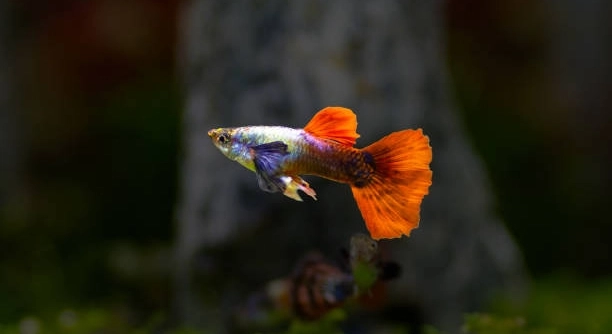
Guppies are popular freshwater fish known for their vibrant colors and active behavior. However, they thrive best in environments where calmness prevails. Understanding why they prefer this type of habitat is key to ensuring their well-being.
Guppies are naturally inclined to calm environments because it reduces stress and supports better health. Rapid water movement or constant disturbances can lead to anxiety, affecting their feeding and overall vitality. A stable, quiet habitat promotes comfort.
Maintaining a peaceful tank environment will not only enhance your guppy’s behavior but also promote their long-term health.
Guppies and Stress Reduction
Guppies are highly sensitive to stress. When placed in environments with too much movement or noise, they can experience anxiety that affects their feeding, growth, and overall health. This stress can result in a weakened immune system, making guppies more susceptible to diseases. In a calm setting, they feel secure, which encourages normal behaviors like swimming and feeding. Providing them with stable water conditions and minimal disturbances creates an ideal space for them to thrive.
A stable environment allows guppies to focus on their natural instincts rather than surviving under stress. They enjoy exploring and interacting with their surroundings when the environment feels safe.
Moreover, the absence of rapid water currents promotes natural behavior patterns. Guppies are less likely to exhaust themselves swimming against strong currents, conserving energy for other activities. A peaceful habitat, therefore, supports overall well-being, reduces the risk of diseases, and helps them live longer, healthier lives.
The Importance of Water Flow
Water flow plays a significant role in maintaining a guppy’s comfort. Excessive current can cause them to struggle to move freely.
The flow rate in a guppy tank should be gentle and steady. Strong currents can force guppies into hiding, reducing their activity levels. They may also have difficulty feeding, as their food is often swept away by the current. On the other hand, a tank with minimal water movement encourages natural swimming patterns and provides them with a more enjoyable environment. To achieve the best results, ensure your filtration system is designed for low water flow, which will help maintain a calm, welcoming atmosphere for your guppies.
Temperature Consistency
Guppies are highly sensitive to temperature fluctuations. Sudden changes in water temperature can stress them, leading to health issues or even death. Maintaining a consistent temperature is crucial for their well-being. A stable water temperature ensures that their metabolic processes function correctly, promoting overall health.
A high-quality aquarium heater is a good investment for keeping the temperature stable. This device will help maintain the water at an optimal range, typically between 72°F and 82°F. By keeping the water temperature consistent, guppies are less likely to become stressed or sick. It also helps them thrive by promoting natural growth and breeding behaviors.
When temperature changes occur too rapidly, it can lead to shock, affecting guppy behavior and weakening their immune systems. Guppies may become lethargic or stop eating when exposed to cold water, reducing their ability to stay healthy. This is why maintaining a stable water temperature should be a priority for any guppy owner.
Water Quality
Good water quality is essential for guppy health. Poor water conditions can lead to bacterial infections, stress, and even death. Regular water changes and proper filtration are necessary to ensure that the water remains clean and free from harmful chemicals or toxins.
Test your water regularly for ammonia, nitrites, and nitrates to ensure they are within safe levels. High concentrations of these substances can lead to poor water quality, which in turn causes stress and disease in guppies. Invest in a reliable filtration system that helps remove debris and waste products, ensuring the water stays clear.
Maintaining proper water quality is not just about cleanliness. A healthy aquatic environment includes the right balance of pH, hardness, and temperature. Guppies thrive in water that closely resembles their natural habitat, so providing the right conditions is vital for their long-term health. Regular monitoring and care of water quality ensure that your guppies remain stress-free and healthy.
Tank Size
Providing the right size tank for your guppies is essential for their comfort. A cramped space can lead to stress and aggression. A minimum of 10 gallons is recommended for a small group of guppies, giving them ample space to swim freely.
In a larger tank, guppies have more room to explore and establish territories. Overcrowding can cause them to feel stressed, which negatively impacts their health. A spacious tank promotes natural behavior and reduces competition for resources, ensuring a calm environment. The more room they have, the more relaxed they will be in their habitat.
Additionally, a larger tank makes it easier to maintain water quality. It allows for better filtration and reduces the buildup of harmful toxins. Guppies will feel more secure in a well-maintained tank with plenty of space to move around.
Lighting
Guppies need a consistent light cycle. Too much light can be stressful, while too little light can make them lethargic. A steady, natural light cycle helps them establish a routine, promoting healthy activity levels and feeding habits.
Using a timer for your aquarium light can ensure your guppies get the right amount of light. Keeping the light on for 8-12 hours a day is ideal, as it mimics their natural environment. Avoid direct sunlight, as it can lead to temperature fluctuations and algae growth.
Proper lighting also supports the growth of beneficial plants in the tank, which help maintain water quality and provide shelter for the guppies. It’s important to maintain a balanced light-to-dark ratio for a stress-free environment.
Compatible Tank Mates
Choosing the right tank mates is important for guppies. Aggressive fish can cause stress, so it’s crucial to select peaceful species that won’t disturb the guppies. Good companions include other small, calm fish like neon tetras or mollies.
Before adding new fish to the tank, research their compatibility with guppies. Some fish may have territorial tendencies or chase smaller species, which can cause stress. When selecting tank mates, ensure that all species have similar care requirements, such as water temperature and pH levels. This will help maintain a balanced and peaceful environment.
FAQ
What temperature is best for guppies?
Guppies thrive in a water temperature between 72°F and 82°F. Keeping the temperature within this range helps ensure they stay active, healthy, and stress-free. Fluctuations outside this range can lead to health problems, so it’s important to use a reliable heater to maintain consistency.
How often should I change the water in my guppy tank?
Water changes are essential to keeping the tank clean and maintaining good water quality. Aim to change 20-30% of the water every week. This helps remove waste, excess food, and toxins, ensuring a healthier environment for your guppies. Regular water changes also prevent the buildup of harmful substances.
Can guppies live with other fish?
Yes, guppies can live with other peaceful fish, such as mollies, tetras, or small corydoras catfish. However, avoid placing them with aggressive species, as this can cause stress or harm. Always research fish compatibility before adding new species to your guppy tank to ensure a harmonious environment.
What is the ideal tank size for guppies?
For a small group of guppies, a tank of at least 10 gallons is recommended. Larger tanks offer more space for swimming, reduce overcrowding, and help maintain water quality. A spacious environment allows guppies to express natural behaviors and reduces the risk of stress.
How can I reduce stress for my guppies?
To minimize stress, keep the water temperature consistent, provide plenty of space, and avoid rapid water currents. Additionally, keep tank lighting consistent and avoid placing your aquarium in high-traffic areas. Offering hiding places with plants or decorations can also make your guppies feel more secure.
Do guppies need a filter in their tank?
Yes, a filter is essential for maintaining clean water and removing debris. It helps to prevent the buildup of harmful substances like ammonia, nitrites, and nitrates. Be sure to choose a filter that suits the tank size and provides a gentle flow to avoid stressing your guppies.
How do I know if my guppy is stressed?
Stressed guppies may display abnormal behavior, such as hiding frequently, swimming erratically, or staying near the surface of the tank. They may also stop eating or become lethargic. If you notice these signs, check water conditions, temperature, and tank mates to identify the source of stress.
Why do guppies need calm water?
Calm water helps guppies conserve energy and reduces stress. Strong currents can exhaust them and make feeding difficult. In a calm environment, guppies can swim freely and maintain healthy behaviors. It’s also easier for them to avoid predators, which contributes to their sense of security.
How can I create a comfortable environment for my guppies?
To create a comfortable environment, ensure stable water temperature, good water quality, and minimal current. Add plants, rocks, or decorations that provide hiding places. Keep the lighting cycle consistent and avoid overcrowding. Regular maintenance, including water changes and monitoring water parameters, is also crucial for long-term comfort.
Are guppies good for beginners?
Yes, guppies are a great choice for beginners due to their ease of care and hardiness. They adapt well to various tank conditions and can live in a range of water types. However, it’s important to learn basic aquarium maintenance, like water changes and temperature control, to keep them healthy.
Can guppies breed in a tank?
Yes, guppies are livebearers, meaning they give birth to fully-formed fry. To encourage breeding, keep a group of males and females together and maintain a stable environment. Once the female is pregnant, she will give birth to small fry, which should be kept in a separate tank to avoid being eaten by adults.
Do guppies need live plants in their tank?
While live plants are not essential, they provide several benefits for guppies. Plants help maintain water quality by absorbing excess nutrients, offer hiding spots, and improve the overall appearance of the tank. Live plants also provide a more natural environment that supports the guppies’ health and well-being.
How do I feed my guppies?
Guppies are omnivores and should be fed a balanced diet of both plant and animal-based foods. Offer high-quality flake food, pellets, and occasional live or frozen food like brine shrimp or daphnia. Feed them small amounts 2-3 times a day to avoid overfeeding, which can lead to water quality issues.
Can I add aquarium salt to my guppy tank?
Aquarium salt can be used in small quantities to treat certain health issues, such as external parasites or wounds. However, excessive salt can be harmful to guppies. Always follow the recommended dosage and avoid using salt in freshwater tanks unless necessary for treatment. Be cautious, as not all fish can tolerate salt.
How do I prevent my guppy tank from becoming overcrowded?
To prevent overcrowding, limit the number of guppies in your tank based on its size. A general rule is one inch of fish per gallon of water. If breeding occurs, be prepared to remove excess fry to another tank. Regularly check your tank’s population to ensure it remains manageable.
What are some signs that a guppy is sick?
Sick guppies may show signs such as faded colors, abnormal swimming, staying near the surface, or clamped fins. They may also refuse to eat or appear lethargic. If you notice these signs, test the water quality and check for any physical symptoms. Isolate the sick fish if necessary and consult a vet.
Do guppies need a heater in their tank?
If your home temperature fluctuates, a heater is recommended to maintain a consistent water temperature. This is especially important in colder climates, where the water could drop below the optimal range for guppies. A stable temperature is vital for their health, activity, and overall well-being.
Can guppies live without a filter?
While guppies can technically live without a filter, it is not recommended. A filter helps keep the water clean and removes waste, making the environment safer for your fish. Without proper filtration, the water quality can deteriorate quickly, leading to stress and health issues for your guppies.
What is the lifespan of a guppy?
On average, guppies live for 2 to 3 years. However, with proper care, they may live longer. Factors like water quality, tank size, and overall environment play a significant role in determining their lifespan. Regular maintenance and a stress-free environment contribute to a longer, healthier life for your guppy.
Final Thoughts
Caring for guppies can be an enjoyable experience when the proper environment is provided. These small fish thrive in calm settings, with steady water temperatures and clean, well-maintained tanks. Guppies are social creatures, so keeping them in groups and selecting compatible tank mates helps reduce stress. A tank that offers enough space for swimming, hiding places for security, and proper water filtration will create a more natural and comfortable habitat for your guppies.
As with any pet, consistent care and observation are key. Keeping the water clean through regular changes, testing the water parameters, and monitoring for any signs of stress or illness are essential to maintaining the health of your guppies. A balanced diet, combined with appropriate tank conditions, will support their well-being. It’s also important to be mindful of their breeding habits, as the population can quickly grow if left unchecked. Taking care to prevent overcrowding and ensuring that every guppy has adequate space is necessary for their long-term health.
Ultimately, guppies are relatively easy to care for, but they still require attention to their specific needs. By focusing on a stable environment, proper tank size, and maintaining the right water quality, you can create a peaceful and thriving habitat for these colorful fish. With the right care, your guppies can live a happy, healthy life, offering you a glimpse into their world of vibrant colors and playful behavior.

Hello,
If you enjoy the content that we create, please consider saying a "Thank You!" by leaving a tip.
Every little bit helps us continue crafting quality advice that supports the health, happiness, and well-being of pets around the world, for pets of all shapes, sizes, and species.
We really appreciate the kindness and support that you show us!