
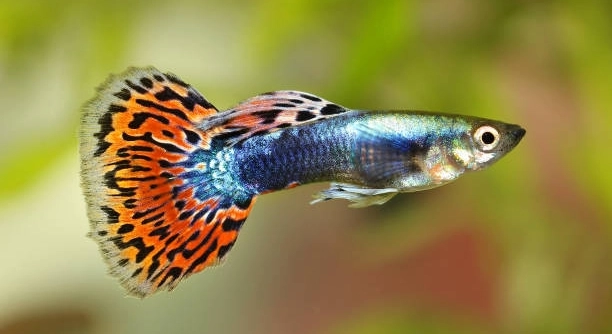
Guppies are a popular choice for aquarium enthusiasts due to their small size and vibrant colors. These little fish bring life to any tank, but they require space to thrive. Understanding why space matters is key to keeping them healthy.
Guppies, like all fish, need sufficient swimming space to maintain their physical and mental well-being. A cramped environment can lead to stress, reduced growth, and even health issues. Adequate space promotes better circulation, exercise, and overall vitality.
When it comes to maintaining a healthy guppy tank, creating an environment that fosters their natural behaviors is essential. Understanding the factors that impact their well-being helps in ensuring they lead a happy life.
Guppies Are Active Swimmers
Guppies are naturally active swimmers, and they need room to move freely. A small tank limits their ability to exercise, leading to stress and poor health. When confined, guppies can’t fully engage in natural swimming patterns like they would in a larger, more spacious environment. This restricted movement can cause muscle weakness and hinder their growth.
Providing ample swimming space helps them stay fit and strong. A tank that offers at least 10 gallons for a group of guppies ensures they can move comfortably. Proper space also reduces aggression between them, especially in crowded tanks.
When guppies have room to swim, they thrive. They can explore different areas of their tank, improving their overall health. Space encourages them to interact with their surroundings and each other, which promotes natural behaviors like schooling. Without enough space, your guppies are more likely to experience stress and a weaker immune system, making them more prone to illness.
Tank Size Matters
Choosing the right tank size is critical for the health of your guppies. Too small a tank limits their movement, affecting their quality of life. Larger tanks give guppies the space they need to swim and grow.
A minimum of 10 gallons for every 3 to 4 guppies is ideal. This size prevents overcrowding and ensures they have enough room to swim without bumping into each other constantly. More space also allows for the addition of plants and decorations, which further enriches their environment.
A larger tank also makes it easier to maintain stable water conditions, such as temperature and pH levels. Smaller tanks can experience fluctuations more quickly, which can stress guppies. A stable environment is key for their well-being. By providing them with sufficient space, you ensure they have a better chance of living a healthy, happy life.
Stress Reduction
Guppies thrive in environments that allow them to move freely without constant barriers. When they are cramped, they experience stress, which weakens their immune systems. A larger tank means they are less likely to feel threatened or trapped, promoting peace and stability.
Stress from overcrowding can also lead to health problems like fin rot or a weakened immune system, making them vulnerable to disease. It’s important to ensure they have enough space to swim around comfortably. A larger tank helps them feel secure, reducing the chances of unnecessary stress and health issues.
When guppies are not stressed, they display healthier behaviors. They are more active, and their colors become more vibrant. A larger environment allows them to explore and engage with their surroundings, enhancing their natural instincts. Stress-free guppies are also more likely to breed and live longer.
Swimming Exercise
Guppies, like many fish, need plenty of exercise to stay healthy. They are active swimmers that need enough space to move around and engage their muscles. Without enough space, they cannot swim naturally and risk becoming weak or lethargic.
Swimming also helps to improve their circulation, supporting better oxygen delivery throughout their bodies. This, in turn, contributes to their overall health and energy. A tank with more space encourages them to move throughout the environment, allowing them to maintain a natural activity level.
Without proper exercise, guppies can become sluggish and more prone to diseases. An active lifestyle keeps them physically fit, which is crucial for their growth and survival. By giving them room to swim, you ensure that your guppies stay strong and lively, avoiding the negative impacts of a sedentary lifestyle.
Reduced Aggression
In smaller tanks, guppies can feel crowded, which often leads to aggression. Limited space forces them to interact more frequently, increasing the chances of fights. A larger tank helps to prevent these aggressive behaviors, allowing guppies to establish their own territory.
When there’s more space, guppies can avoid each other more easily, leading to less conflict. This creates a calmer environment, where fish can coexist peacefully. Without constant fighting, guppies experience less stress and are healthier overall. A tank with sufficient space promotes harmony and reduces unnecessary tension.
Better Water Quality
A spacious tank helps maintain better water quality. With more room, waste and debris are diluted more effectively, making it easier to keep the water clean. This results in a healthier environment for guppies to live in.
Water quality can quickly degrade in a small tank, leading to toxins building up and harming the fish. Larger tanks are more stable, allowing the filtration system to work efficiently. Clean water reduces the risk of disease and stress, contributing to the overall well-being of your guppies.
More Natural Behavior
A larger tank provides guppies with the opportunity to display more natural behaviors. They can swim freely, explore different areas, and interact with their environment. This space allows them to engage in essential activities like foraging and schooling, which are important for their mental health.
Having plenty of room also supports their need to hide or seek refuge when they feel threatened. A varied environment with plants or decorations can help replicate their natural habitat, making them feel more at ease. This space encourages healthier, more active guppies.
FAQ
What is the ideal tank size for guppies?
The ideal tank size for guppies depends on how many you have. A tank of at least 10 gallons is recommended for a small group of 3-4 guppies. This ensures they have enough space to swim, reducing stress and promoting healthier fish. If you plan on keeping more guppies, consider increasing the tank size by 5 gallons for every additional fish. Larger tanks also offer better water quality and more stable conditions, which are essential for their overall health.
Can guppies live in a small tank?
While guppies can survive in smaller tanks, it’s not ideal. A tank that is too small limits their ability to swim freely, which can lead to stress, aggression, and health issues. If you must keep them in a small tank, ensure it is at least 5 gallons, but always aim for a larger space if possible. A cramped environment can cause long-term health problems, and guppies will not thrive in these conditions.
Why do guppies need space to swim?
Guppies are active fish that require space to move and exercise. Without enough room, they can become stressed, which affects their immune system and overall health. Swimming is not just for fun; it’s essential for their physical well-being. In larger tanks, guppies can swim freely, engage in natural behaviors, and avoid aggressive interactions with other fish.
Can guppies live with other fish in a small tank?
In a small tank, it’s challenging to keep multiple species of fish with guppies. When the space is limited, aggression increases, and stress levels rise, which can negatively affect the health of all the fish involved. If you want to keep guppies with other species, it’s better to provide a larger tank to reduce the risk of territorial disputes and overcrowding. Also, choose peaceful species that won’t harass your guppies, as this can lead to further stress.
What happens if guppies don’t have enough space?
If guppies don’t have enough space, they will likely experience stress, which can manifest in various ways, such as faded colors, lethargy, or fin damage. Overcrowding can also lead to increased aggression among the guppies, especially males competing for territory or mates. A small tank limits their ability to swim naturally, affecting their physical health and growth. Stress weakens their immune system, making them more susceptible to disease. Ultimately, a cramped environment can shorten their lifespan.
How can I tell if my guppies are stressed?
Stressed guppies may display a few signs, such as lethargy, lack of appetite, or erratic swimming behavior. Their colors may become dull, and they may swim near the surface or hide more often than usual. If your guppies are showing these signs, it’s important to check their environment for overcrowding, water quality issues, or poor tank conditions. Stress can have serious health consequences, so addressing the cause as soon as possible is crucial.
What is the best water temperature for guppies in a spacious tank?
Guppies thrive in water that is between 72°F and 82°F (22°C and 28°C). Keeping the temperature stable within this range is essential for their health. A fluctuating or extreme water temperature can cause stress, making them more vulnerable to illness. In a larger tank, it’s easier to maintain consistent water temperature, which is beneficial for guppies. Use a reliable aquarium heater to keep the water at the ideal temperature.
How often should I clean a larger tank for guppies?
In a larger tank, the water quality is more stable, but regular maintenance is still essential. Aim to perform partial water changes once a week, removing 10-20% of the water to keep it clean. This helps reduce toxins and waste buildup. Regularly check the filter to ensure it’s functioning properly and clean any decorations or surfaces where algae might form. In larger tanks, the filtration system is more effective, which makes overall maintenance easier.
Can I overcrowd a tank if I have good filtration?
Even with a good filtration system, overcrowding is not recommended. While filtration helps maintain water quality, it does not replace the need for space. Guppies need room to swim and establish their territory, regardless of the filtration capacity. Overcrowding can lead to stress, poor health, and aggression, even if the water is clean. A properly sized tank is essential for the well-being of your guppies.
Do guppies need plants in their tank?
Plants in a guppy tank are highly beneficial. Not only do they provide hiding spots for guppies, which helps reduce stress, but they also improve water quality by absorbing excess nutrients. Plants can also offer a more natural environment for the fish to explore and hide in. They provide additional space for guppies to swim around, and their presence can help create a peaceful, balanced ecosystem in your tank.
How many guppies can fit in a 10-gallon tank?
A 10-gallon tank can comfortably house 3-4 guppies. For every additional guppy, you should consider adding an extra 2-3 gallons of water. This ensures they have enough space to swim freely without overcrowding. Remember, a larger tank offers more room for them to display natural behaviors, which leads to healthier fish. Always keep in mind the importance of proper space to avoid stress and maintain water quality.
Final Thoughts
Providing guppies with enough space to swim is one of the most important aspects of caring for them. These active fish need room to move freely, which helps reduce stress and encourages natural behaviors. When their space is limited, guppies can become anxious, lethargic, and more vulnerable to illnesses. It’s essential to remember that a well-maintained, spacious environment leads to healthier and more vibrant guppies. Larger tanks also support better water quality, which plays a significant role in preventing diseases and keeping your fish happy.
Choosing the right tank size is crucial for your guppies’ well-being. While a 5-gallon tank may work for a small group of guppies, a 10-gallon tank is recommended for a group of 3-4. If you want to keep more guppies or other fish species, it’s important to increase the tank size to ensure they all have enough room to thrive. A bigger tank helps prevent overcrowding, reduces stress, and creates a more stable environment for the fish to live in. Keep in mind that a proper filtration system and regular maintenance are also key to maintaining good water quality.
Ultimately, your guppies’ health and happiness depend on how well you provide for their needs. Ensuring they have ample space to swim, a clean tank, and the right water conditions will lead to a thriving aquarium. While it might take a bit more effort and investment to set up a larger tank, the benefits are well worth it. Healthy, active guppies are a joy to watch, and by giving them the space they need, you’re giving them the best chance for a long and happy life.

Hello,
If you enjoy the content that we create, please consider saying a "Thank You!" by leaving a tip.
Every little bit helps us continue crafting quality advice that supports the health, happiness, and well-being of pets around the world, for pets of all shapes, sizes, and species.
We really appreciate the kindness and support that you show us!