
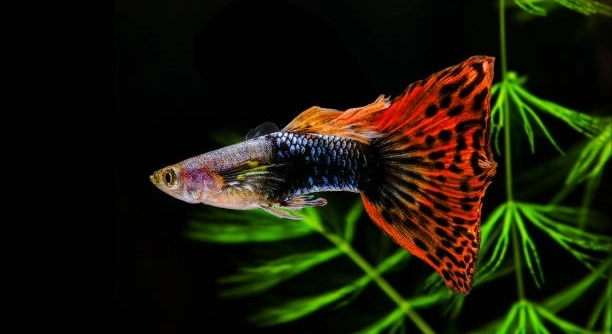
Guppies are popular freshwater fish, often chosen for their vibrant colors and active nature. However, their well-being requires more than just feeding and a clean tank. They need room to explore and interact with their surroundings to thrive.
Guppies, like most fish, need space to move freely. A cramped environment can lead to stress, decreased health, and a lack of natural behaviors. Providing them with adequate space helps improve their overall well-being and ensures they can display natural instincts.
With the right amount of space, your guppies will be able to swim, explore, and exhibit the lively behavior they are known for.
Guppies Need Space for Natural Swimming
Guppies are small but active fish that love to move around. In their natural habitat, they swim freely across large areas, darting through plants, rocks, and other obstacles. This movement is crucial to their physical and mental health. When confined to a small space, guppies can become stressed, affecting their behavior and overall well-being. Their need for space isn’t just about swimming; it’s about creating a habitat that allows them to express their natural instincts. Giving them enough space in the tank ensures they can move as they would in the wild.
Without enough room to explore, guppies can become agitated, leading to aggressive behavior or lethargy.
The space in their environment impacts more than just their physical activity. Guppies rely on exploring for mental stimulation. When they swim, they encounter new areas and experiences, which enriches their lives. A cramped space limits this, making the fish feel trapped. This lack of mental stimulation can lead to stress, which affects their immune system and overall health. To keep your guppies happy and healthy, it’s essential to provide them with an environment that mirrors the natural movement they would experience in the wild.
A Larger Tank Reduces Stress
Stress is a significant factor when keeping guppies. A larger tank gives them a break from constant confinement.
Stress from overcrowding can result in fish becoming more prone to illness. Guppies that feel stressed are less likely to display their natural behaviors. The constant struggle to swim freely in a small tank can lower their immune response. This makes them more vulnerable to diseases and injuries. The more space they have, the better their chances of staying healthy. A bigger tank provides them with different hiding spots and areas to explore. Adding plants, rocks, and other decor also contributes to their well-being, making their environment more engaging. This type of setup encourages the fish to be active, reducing stress and allowing them to interact with their surroundings in a natural way. By ensuring your guppies have space to move and explore, you can create an ideal environment for their long-term health and happiness.
Guppies Need Room for Socializing
Guppies are social creatures, and they thrive when they can interact with others. A tank that’s too small restricts their ability to form bonds and establish their own social structure.
In the wild, guppies naturally swim in groups, forming schools that provide safety and comfort. In smaller tanks, they may struggle to socialize, leading to isolation or aggression. A larger tank allows guppies to find other members of their group, reducing stress and encouraging positive social behavior. This social interaction is essential for their mental health, as it helps them feel secure and supported in their environment. When guppies are given enough space to socialize, they are more active and less likely to engage in harmful behaviors, such as fin-nipping or bullying.
Adding plants or decorations can create separate spaces for different groups, giving each fish room to interact without feeling crowded. This mimics their natural environment, where they can choose to be near others or enjoy solitude when needed.
More Space Means Better Water Quality
A larger tank helps maintain water quality. With more space, there is less chance of overcrowding, which can affect water conditions.
Poor water quality can quickly harm guppies. When a tank is overcrowded, waste from fish builds up faster, which can lead to toxic levels of ammonia, nitrates, and nitrites. These chemicals can damage your guppies’ delicate gills and overall health. In a larger tank, the water has more room to circulate, diluting waste and keeping the environment cleaner. This makes it easier to maintain healthy water conditions with fewer water changes. A bigger tank also gives you more room to add filtration systems that can further help purify the water.
By ensuring that your guppies have a spacious tank, you are also providing them with cleaner, safer water, which directly impacts their longevity and happiness. This simple adjustment can make a significant difference in your guppies’ health and overall quality of life.
Guppies Need Space for Breeding
Guppies breed more successfully when they have the space to do so. A cramped tank may limit their ability to engage in natural mating behaviors.
A larger tank gives male and female guppies room to interact, chase, and display courtship behavior. If there’s not enough space, the fish may become stressed, which can interfere with reproduction. In a more spacious environment, they can find the right areas to breed, like plants or hiding spots, providing them with a safer and calmer space to mate. With enough room, breeding becomes a more natural and less stressful process for both the males and females.
Better Space Means More Swimming Areas
More space in the tank offers additional areas for guppies to explore. This also allows them to find different swimming patterns and avoid conflicts.
In a well-spaced tank, guppies can swim freely without bumping into each other all the time. They can explore the entire environment, moving between plants, rocks, and other features. This reduces stress and encourages healthy behavior. The tank becomes a more engaging and enjoyable place for the fish, allowing them to live more naturally and reducing aggressive tendencies. Guppies that can swim freely are healthier and less likely to exhibit signs of anxiety or illness.
Space Allows for a Healthier Environment
A spacious tank helps balance the ecosystem better, providing a healthier environment for guppies. With more space, water parameters like temperature and oxygen levels can stabilize.
A larger tank offers better filtration, allowing waste to be spread over a larger area, reducing the concentration of harmful chemicals in the water. It also makes it easier to maintain consistent water temperature and oxygen flow, both of which are important for guppy health. A tank that’s too small may not have the capacity to handle these factors effectively, putting the fish at risk. The more space they have, the better the overall environment becomes, benefiting your guppies in the long term.
FAQ
Why do guppies need space to explore?
Guppies need space to move freely and naturally. In their wild environment, they swim across large areas, encountering various plants and obstacles. This helps them stay active, healthy, and mentally stimulated. When placed in a small tank, guppies can become stressed, leading to health issues. A spacious tank provides room for them to display natural behaviors, reducing anxiety and encouraging exploration. This is crucial for their overall well-being, as it helps maintain both their physical and mental health.
How much space do guppies need?
Guppies should have at least 1 gallon of water per inch of fish. For example, a group of 5 guppies (about 2 inches each) should be kept in a 10-gallon tank. This ensures they have enough room to swim and explore without being overcrowded. The more space they have, the better they can thrive. A 20-gallon tank is even better for a larger group or if you plan to add more fish. Always remember that a spacious tank supports healthier water quality, which is vital for their long-term health.
What happens if guppies don’t have enough space?
If guppies are kept in cramped conditions, they may become stressed, which can lead to health problems. They may also display aggressive behavior, such as fin-nipping or bullying other fish. Additionally, they may become lethargic, spending more time hiding or staying in one spot. This lack of movement and social interaction can lower their immune system, making them more prone to diseases. Overcrowding can also affect water quality, increasing toxins that could harm the fish.
Can guppies live with other fish in a small tank?
While guppies are social and can live with other peaceful species, overcrowding is not ideal. Even if the other fish are small and non-aggressive, the tank may become too crowded, leading to stress for all the inhabitants. It’s best to avoid overcrowding and ensure there is enough room for all the fish to swim comfortably. A larger tank will provide each fish with its own space and help maintain a balanced ecosystem. If you’re introducing new fish, always check the tank’s capacity and monitor for any signs of stress or aggression.
Is a 10-gallon tank enough for guppies?
A 10-gallon tank can be sufficient for a small group of guppies, usually around 5-6 fish. It provides enough space for them to swim and interact, but it’s not ideal for a larger group or multiple species. The more space you can provide, the better your guppies will thrive. If you plan to have more than 6 guppies, or if you want to keep other species with them, you may want to consider upgrading to a larger tank, such as a 20-gallon one.
Can guppies survive in a 5-gallon tank?
Guppies can survive in a 5-gallon tank, but it is not ideal for their long-term health. A 5-gallon tank limits their space to swim and explore, which can lead to stress and poor water quality. It may be fine for a small number of guppies for a short period, but a 10-gallon or larger tank is a much better choice. A 5-gallon tank requires more frequent water changes and careful monitoring of water parameters to ensure the guppies remain healthy.
Do guppies need plants or decorations for space?
While guppies do need space to swim freely, plants and decorations also play an important role in creating a healthy environment. Live plants, rocks, and hiding spots provide guppies with areas to explore, hide, and establish territories. This simulates their natural habitat, where they would encounter plants and other structures. The added decorations give guppies more room to move around and reduce stress by offering places to retreat when needed. However, it’s essential not to overcrowd the tank with too many decorations, as that could limit their swimming space.
How often should I clean a tank for guppies?
The frequency of cleaning depends on the tank size, number of fish, and filtration system. In a larger tank, the water stays cleaner for a longer period, so cleaning may only be needed every 1-2 weeks. In smaller tanks, cleaning might be required more often. Always monitor water parameters like ammonia and nitrite levels, as guppies are sensitive to changes in water quality. Regular water changes (about 25% every week or two) are important to keep the environment healthy. It’s also necessary to clean the filter and remove any debris or algae buildup.
Can guppies breed in a small tank?
Guppies can breed in a small tank, but it may not be the best environment for them to do so successfully. A cramped tank limits their ability to exhibit natural mating behaviors, such as swimming freely or selecting breeding sites. The lack of space can also cause stress, which could result in fewer successful breeding attempts. A larger tank provides them with more space to interact, reducing stress and increasing the chances of healthy breeding. It also ensures that the fry (baby guppies) have space to grow and develop without being eaten by adult fish.
Do guppies prefer groups?
Yes, guppies are social fish and thrive in groups. They feel safer and more secure when they are with other guppies, and their social interactions help reduce stress. In a group, guppies form a hierarchy, which can decrease aggressive behavior and improve overall well-being. It’s recommended to keep at least 3-5 guppies together, but larger groups are even better. Just ensure that the tank has enough space to accommodate all the fish comfortably. Larger groups also help boost their confidence, making them more active and vibrant.
What is the ideal temperature for guppies in a tank?
Guppies prefer water temperatures between 72-82°F (22-28°C). This range mimics their natural tropical environment. Consistent temperature is important for their health, as fluctuations can cause stress or illness. A heater is usually necessary to maintain the correct temperature, especially in cooler climates. Make sure to monitor the water regularly with a thermometer to avoid sudden temperature changes that could harm your fish. Keeping the water at a steady, warm temperature helps guppies stay active, healthy, and stress-free.
How do I know if my guppy is stressed?
Stressed guppies often exhibit certain signs, such as swimming erratically, staying at the surface or bottom of the tank, or hiding more than usual. They may also become more aggressive or show signs of illness like faded colors or clamped fins. A stressed guppy may also lose its appetite or stop swimming altogether. If you notice these symptoms, it’s important to assess the tank size, water quality, and the presence of other fish that could be causing stress. Reducing overcrowding, maintaining clean water, and providing more space for the fish to move can help reduce stress levels.
Final Thoughts
Providing enough space for your guppies is essential for their overall well-being. When they have room to explore and swim freely, they are more likely to stay active and healthy. A cramped tank limits their ability to move naturally, which can lead to stress and health issues. By ensuring your guppies have enough space, you’re giving them the opportunity to display their natural behaviors, such as socializing and exploring their environment. A larger tank also helps maintain better water quality, which is critical for their long-term health.
A bigger tank doesn’t just benefit your guppies; it also makes maintaining the tank easier. With more space, you have better control over water quality, temperature, and oxygen levels. It’s easier to clean, and the filtration system can work more effectively. This reduces the risk of harmful toxins building up and helps prevent diseases. Additionally, a larger tank allows for more decorations, plants, and hiding spots, which can help create a more engaging and natural environment for your guppies. It’s important to remember that the goal is to create a space where your guppies can thrive and feel secure.
In the end, the space you provide for your guppies plays a huge role in their happiness and health. While a smaller tank might seem like a simpler option, it often leads to more problems down the line. Giving your guppies a larger, well-maintained space allows them to live more naturally, reducing stress and supporting their physical and mental health. Whether you’re a new guppy owner or someone with experience, investing in a spacious tank will help ensure your guppies are healthy and vibrant for years to come.

Hello,
If you enjoy the content that we create, please consider saying a "Thank You!" by leaving a tip.
Every little bit helps us continue crafting quality advice that supports the health, happiness, and well-being of pets around the world, for pets of all shapes, sizes, and species.
We really appreciate the kindness and support that you show us!