
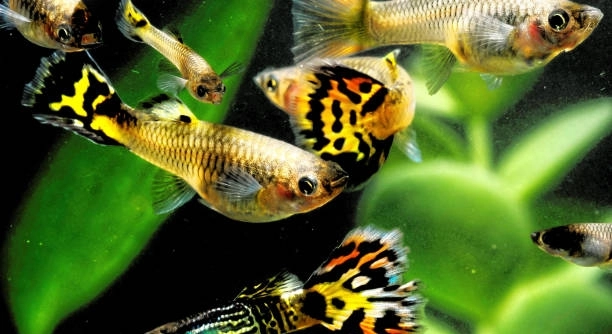
Guppies are popular freshwater fish that thrive in clean and well-maintained water. Many people wonder why regular water changes are necessary for keeping their guppies healthy. It’s important to understand the role water plays in their well-being.
Guppies need regular water changes to maintain water quality, prevent the buildup of harmful toxins, and ensure a healthy environment. Regular changes help to control ammonia, nitrites, and nitrates, which can be toxic to your fish in high levels.
Taking care of your guppies means more than just feeding them. Ensuring clean water helps them thrive, reducing stress and preventing diseases. Regular water changes are essential for keeping your fish happy and healthy for years to come.
The Importance of Clean Water for Guppies
Water quality plays a critical role in the health of your guppies. Over time, waste from fish, leftover food, and decaying plant matter create a build-up of harmful chemicals in the water. This can lead to poor water conditions, which are detrimental to your fish. Regular water changes help to reduce these toxins, keeping the environment safe for your guppies. By maintaining a cleaner tank, you also reduce the likelihood of diseases caused by water pollution.
Changing water regularly helps prevent the build-up of dangerous substances like ammonia and nitrates, which can stress and kill your guppies. It also encourages healthy growth and vibrant colors.
With clean water, your guppies will feel more comfortable, leading to healthier, happier fish. A clean environment also reduces the chance of algae overgrowth, which can cause additional problems. By replacing a portion of the water every week, you’re giving your guppies the best chance to thrive.
How Dirty Water Affects Your Guppies
Dirty water can have immediate and long-term effects on your guppies. It can weaken their immune system, making them more susceptible to diseases. The toxins that build up in stagnant water can cause damage to their gills, affecting their ability to breathe. Poor water quality also leads to stress, which lowers their overall health and lifespan.
If you notice your guppies acting sluggish, hiding more than usual, or swimming erratically, it’s a sign that something may be wrong with the water. Regular changes are the simplest way to keep these problems at bay.
A well-maintained tank helps to preserve the water chemistry that guppies need to stay healthy. It also keeps them active and engaged in their environment, which is essential for their well-being. While a water change may seem like a small task, it is one of the most effective steps you can take for their care.
Prevents Algae Growth
Dirty water encourages algae growth, which can quickly overtake a tank. Algae thrive in conditions with excess nutrients, such as nitrates and phosphates, that build up from fish waste and leftover food. Regular water changes help limit these nutrients, preventing algae from taking over your tank.
Algae can cause problems beyond just a messy appearance. It can block light from reaching plants, interfering with their growth. Some types of algae may even produce toxins that harm your fish. Keeping the water clean ensures that your guppies have a balanced and healthy environment.
Algae blooms are more common in tanks with poor filtration or inconsistent water changes. With regular water changes, you’ll keep nutrient levels in check, which reduces the chances of an algae bloom. A clean tank promotes a balanced ecosystem where your guppies, plants, and other tank inhabitants can thrive together.
Reduces Stress and Promotes Health
Stress is a major cause of health issues for guppies. Poor water quality, high levels of toxins, and fluctuating temperatures can all contribute to stress, weakening their immune system. Regular water changes create a stable, clean environment that helps reduce stress.
Keeping the water fresh also helps your guppies feel more secure in their surroundings. Guppies are sensitive to changes in water conditions, and if those conditions are poor, they can become anxious. Regular water changes help maintain a more stable tank, promoting better overall health.
A consistent water-changing routine not only prevents stress but also boosts the longevity of your guppies. Healthy, less stressed guppies are more active, with bright colors and strong immune systems. With clean water, they are less likely to develop diseases that arise from poor living conditions.
Supports Better Breeding Conditions
For guppies to breed successfully, water quality is crucial. Clean water provides the right conditions for reproduction, encouraging healthy growth of fry. Without regular water changes, harmful toxins can build up, affecting the fish’s ability to breed.
When water is consistently clean, the guppies are less stressed, making them more likely to breed. Stress can interfere with their reproductive cycles, so maintaining good water quality is key to successful breeding.
By ensuring a clean tank, you help your guppies thrive and reproduce in a safe environment. Regular water changes are an easy yet essential part of supporting the breeding process.
Helps Maintain Stable Water Parameters
Guppies need stable water parameters to stay healthy. Fluctuations in temperature, pH, and hardness can negatively impact their well-being. Regular water changes help keep these factors consistent, preventing harmful shifts in the tank’s environment.
By changing the water regularly, you help to keep the water parameters stable. Stable conditions reduce stress and allow your guppies to adjust and thrive without constantly fighting against changing water quality.
Encourages Healthy Tank Inhabitants
When the water is clean, all inhabitants of the tank benefit. Not just the guppies, but also any plants, snails, or shrimp you have will thrive. Regular water changes help maintain a balanced ecosystem, where everyone can live harmoniously.
FAQ
How often should I change the water in my guppy tank?
It’s best to change about 25-30% of the water in your guppy tank every week. This helps maintain a healthy environment by removing toxins, waste, and uneaten food. You can adjust the frequency based on the tank size, filtration system, and the number of guppies. A larger tank may require less frequent changes, but it’s always important to keep an eye on water quality. If you notice an increase in algae or waste buildup, you may need to change the water more often.
Can I change the water too often?
Changing the water too often can lead to instability in your tank’s environment. Sudden changes in temperature, pH, or hardness can stress your guppies. It’s important to find a balance—regular changes are essential, but not excessive. Stick to the recommended 25-30% weekly water change to keep things stable.
What is the best way to perform a water change?
Start by turning off any equipment, such as filters and heaters, to prevent damage. Use a siphon or gravel vacuum to remove water, along with any waste or debris in the substrate. After draining the water, refill the tank with dechlorinated water that matches the temperature and pH of the tank. Avoid adding cold water directly to the tank, as sudden temperature drops can shock your guppies.
Should I clean the tank decorations and substrate during a water change?
Yes, cleaning the tank decorations and substrate is a good idea. Use a gravel vacuum to remove waste that may have settled in the substrate. Gently scrub decorations with an aquarium-safe brush to remove algae or dirt. Just be careful not to disturb the tank too much, as a clean environment is beneficial but sudden changes can be stressful for your guppies.
Do I need to use dechlorinator every time I change the water?
Yes, always use a dechlorinator when adding new water to the tank. Tap water often contains chlorine or chloramine, which are harmful to fish. Dechlorinators neutralize these chemicals, making the water safe for your guppies. Even if you’re only adding a small amount of water, dechlorination is necessary.
Can I just top off the water instead of changing it?
Topping off the water may be convenient, but it’s not a substitute for a full water change. As water evaporates, it leaves behind impurities like salts and minerals. A full water change removes waste, toxins, and excess nutrients, which simply topping off won’t do. Regular water changes are needed to keep the environment healthy.
Is it necessary to test the water regularly?
While not absolutely necessary, it’s a good idea to test your water regularly, especially if you’re new to fishkeeping. Test for ammonia, nitrites, nitrates, pH, and hardness to ensure the water parameters are within the ideal range for guppies. Regular testing can help prevent issues before they become serious.
Can I use the same water-changing schedule for all fish?
Different fish species have different water quality requirements, so it’s important to tailor your water change schedule to your tank’s specific needs. Guppies are relatively hardy and do well with weekly water changes, but other species might need more or less frequent changes. Researching the specific needs of each species in your tank will help you determine the best schedule.
How can I make water changes less stressful for my guppies?
To minimize stress during water changes, ensure that the new water is the same temperature and pH as the water already in the tank. Avoid sudden changes in the water level or drastic alterations to the tank environment. Perform water changes gently and gradually to avoid alarming your guppies. Keeping noise levels low and minimizing disturbances during the process can also help.
Why are my guppies still sick despite regular water changes?
If your guppies continue to show signs of illness despite regular water changes, there may be an issue with the water parameters or an underlying disease. Double-check that the water quality is within the right range for your guppies. If the water is fine, consider checking for common illnesses and consult an aquarium professional if necessary.
Can I use a filter instead of water changes?
Filters help maintain clean water by removing debris and toxins, but they cannot replace regular water changes. A filter will reduce the buildup of waste, but some substances, like nitrates, can still accumulate in the water. Water changes are essential for keeping the tank environment stable and healthy.
Is it okay to change all the water at once?
It’s best not to change all the water at once. A sudden change can cause stress to your guppies by altering the water parameters too drastically. Removing all the water might also disrupt the established bacteria in your tank’s filter and substrate, which help process waste. Stick to partial water changes to maintain stability.
Regular water changes are essential for maintaining a healthy environment for your guppies. Without them, toxins and waste can build up, which can harm your fish. Guppies are small, but they are sensitive to poor water quality, and when the water conditions aren’t ideal, they can become stressed and more prone to diseases. By making regular water changes a part of your routine, you ensure that your guppies live in a stable and safe environment. This will not only keep them healthy but also enhance their colors and overall well-being.
While water changes are important, it’s also necessary to monitor other aspects of your tank, such as filtration, temperature, and water parameters. A good filter can help reduce the amount of waste in the water, but it can’t replace regular water changes. Water testing kits are a helpful tool to keep track of the quality of your tank’s water. Regularly testing for ammonia, nitrites, nitrates, and pH levels will help you understand if your water quality is ideal for your guppies. With a combination of regular water changes, proper filtration, and monitoring, you create a balanced and healthy environment for your fish.
In the end, taking the time to change your guppy tank’s water is one of the simplest ways to ensure their long-term health. It might take a little effort, but the benefits far outweigh the work. A clean tank means happier, healthier fish, and it gives you the peace of mind that your guppies are living their best life. Regular water changes can help prevent many common problems and provide your guppies with the best chance to thrive. Taking care of their environment is key to keeping them vibrant and full of life.

Hello,
If you enjoy the content that we create, please consider saying a "Thank You!" by leaving a tip.
Every little bit helps us continue crafting quality advice that supports the health, happiness, and well-being of pets around the world, for pets of all shapes, sizes, and species.
We really appreciate the kindness and support that you show us!