
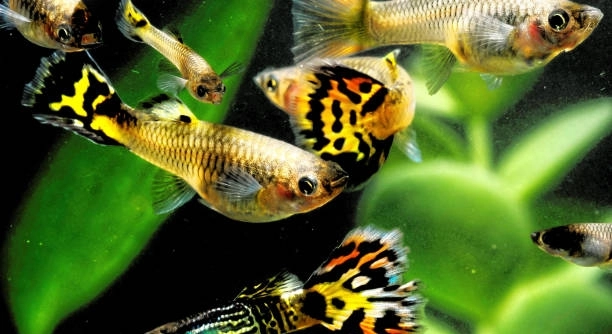
Guppies are small, colorful fish that thrive in clean, well-maintained aquariums. One of the most important factors in keeping them healthy is ensuring they have proper oxygen levels. This is crucial for their overall well-being.
Proper oxygen levels in aquariums are essential for guppies as they support efficient respiration, help maintain metabolic processes, and contribute to their overall health. Insufficient oxygen can lead to stress, decreased immune function, and even death.
Maintaining ideal oxygen levels for your guppies is key to ensuring they live a long, healthy life in your tank. Proper water management and equipment can help you achieve this balance.
Why Oxygen is Crucial for Guppies
Oxygen is vital for guppies because they rely on it to breathe and carry out normal bodily functions. Guppies, like all fish, extract oxygen from water through their gills. The amount of dissolved oxygen in the tank can significantly impact their health and behavior. Without enough oxygen, guppies may become sluggish, stop eating, or even perish. Proper oxygen levels ensure guppies can swim energetically, digest their food properly, and fight off infections.
To maintain proper oxygen levels, it’s important to regularly check water conditions and ensure your filtration system is functioning well. Also, avoid overcrowding your aquarium, as this can reduce the amount of oxygen in the water.
When oxygen levels are too low, guppies may start to gulp at the surface of the water or swim near air stones. This behavior indicates they are struggling to get enough oxygen, so it’s crucial to address the issue immediately. Adding an air pump, improving filtration, or even performing a water change can help.
Factors Affecting Oxygen Levels in Your Tank
There are several factors that can affect oxygen levels in your aquarium. Water temperature is one of the main influences. Warm water holds less oxygen than cold water, so it’s essential to maintain a stable, cool environment for your guppies. The more oxygen your filter introduces into the water, the better. The efficiency of your filter plays a role in circulating the water and increasing oxygen levels.
Aquarium size is another critical factor. Larger tanks have a larger volume of water, which allows more room for oxygen to dissolve. Smaller tanks can become oxygen-deprived more quickly, especially with too many fish. Overcrowding is a common issue in many tanks, and it can quickly reduce the oxygen levels. Regular water changes also help, as old water tends to have lower oxygen levels.
Another aspect to consider is how much surface area the water has. The more surface area, the more oxygen can exchange between the water and air. Adding decorations or plants in the tank can increase the surface area, allowing for better oxygen flow. Be mindful of how much you fill the tank, leaving enough room for oxygen exchange to occur.
Common Signs of Low Oxygen Levels
If your guppies are having trouble with low oxygen, you’ll see them gulping at the surface or swimming in a more sluggish manner. They may also stay near the filter output or air stones. These signs indicate they’re looking for more oxygen.
Another clear sign is when your guppies stop eating or become inactive for extended periods. This often means they are stressed due to insufficient oxygen. Oxygen is essential for metabolism, so without it, your guppies can’t function properly. You may also notice that their colors become dull as they struggle to maintain their usual vibrant appearance. Monitoring their behavior closely can help you detect these early warning signs and take action quickly.
If you notice these signs, it’s important to adjust the oxygen levels immediately. You can start by checking the filtration system and adding an air pump if needed. Regular water changes are also helpful, as they refresh the water and maintain optimal oxygen levels.
Solutions for Improving Oxygen Levels
One of the easiest ways to improve oxygen levels in your tank is by installing an air pump. These devices push air through an air stone, which creates bubbles that increase water surface agitation, promoting better oxygen exchange. Make sure the pump is the right size for your tank.
Another solution is ensuring your filtration system is working properly. A well-functioning filter will help circulate water and add oxygen, so it’s crucial to keep it clean and running efficiently. Sometimes, upgrading your filter can significantly improve oxygen flow, especially if you have a large tank with many guppies.
Additionally, try lowering the water temperature slightly if it’s too high. Cooler water holds more oxygen, which can help your guppies breathe more easily. Keep an eye on the water temperature and avoid overheating, as this can cause stress on your fish and decrease oxygen levels.
The Role of Plants in Oxygenating Your Aquarium
Live plants can help increase oxygen levels in your tank naturally. They release oxygen during photosynthesis, especially when the lights are on. Having a variety of plants in your tank can significantly contribute to oxygen exchange.
While plants help, it’s important to balance their presence. Too many plants can block water flow, limiting oxygen circulation. Ensure that your guppies have enough space to swim freely. Plants should complement the water’s natural flow and not hinder it. It’s also essential to regularly trim plants to prevent overgrowth, which can also limit oxygen exchange.
Using an Oxygen Test Kit
An oxygen test kit is an excellent tool to monitor your tank’s oxygen levels. These kits are easy to use and help you identify whether your tank has enough oxygen for your guppies. Testing regularly ensures your fish are thriving.
Oxygen test kits come in different forms, but they all measure the dissolved oxygen levels in your aquarium. Some kits are liquid-based, where you add a reagent to a water sample and compare the color change. Others use digital meters that provide immediate readings. Consistently testing your water helps prevent issues with low oxygen.
Water Changes and Their Impact
Regular water changes help maintain good oxygen levels in your aquarium. As the water circulates, oxygen levels are replenished, and harmful waste products are removed.
Changing 10-20% of your tank water weekly keeps the oxygen levels stable. Always use a water conditioner to remove chlorine or chloramine that could harm your fish.
FAQ
Why is oxygen important for guppies?
Oxygen is crucial for guppies because they rely on it to survive. It helps them perform basic life functions like respiration, digestion, and energy production. Without sufficient oxygen, guppies can become stressed, weak, or even die. Proper oxygen levels are key to keeping them healthy and active.
How can I tell if my guppies need more oxygen?
Signs that your guppies need more oxygen include gulping at the surface of the water, swimming slowly, or remaining near the filter output. They may also show a lack of appetite or appear lethargic. If you notice these behaviors, it’s time to check the oxygen levels and make adjustments.
How can I increase oxygen levels in my aquarium?
To increase oxygen, you can add an air pump and air stones to create water surface agitation, which helps with oxygen exchange. Ensure that your filter is working efficiently and clean it regularly. Lowering the water temperature slightly can also improve oxygen levels since cooler water holds more oxygen.
Can I use live plants to improve oxygen levels?
Yes, live plants help improve oxygen levels by producing oxygen during photosynthesis. They naturally release oxygen into the water when the lights are on. However, don’t overpopulate your tank with plants as this can block water flow, limiting oxygen circulation.
How often should I change the water to maintain oxygen levels?
Performing regular water changes is essential for maintaining oxygen levels. Aim to change 10-20% of the water weekly. This helps remove waste and toxins while replenishing the water with fresh oxygen. Be sure to use a water conditioner to neutralize chlorine or chloramine, which can harm your fish.
Does tank size affect oxygen levels?
Yes, tank size can impact oxygen levels. Larger tanks hold more water, which allows more oxygen to dissolve. In smaller tanks, oxygen can deplete quickly, especially with overcrowding. Be mindful of stocking levels, and avoid overcrowding your aquarium to ensure adequate oxygen for your guppies.
How does water temperature affect oxygen levels?
Warmer water holds less oxygen than cooler water. When the water temperature increases, it reduces the solubility of oxygen, which can cause lower oxygen levels in your tank. To help ensure sufficient oxygen, keep the water temperature within the ideal range for guppies, typically around 72-78°F (22-26°C).
Can I use a filter to help with oxygen levels?
Yes, a filter can help improve oxygen levels by circulating water and promoting gas exchange at the surface. A filter with a strong flow will help ensure that oxygen is adequately distributed throughout the tank. Make sure your filter is the right size for your tank and is running efficiently.
What type of air pump should I use for my guppy tank?
For a guppy tank, choose an air pump that is appropriate for the size of your tank. A gentle flow is often sufficient for guppies. Too strong of a current can stress them out, so opt for a quiet, adjustable air pump to control the airflow.
Can oxygen levels be too high for guppies?
While high oxygen levels are important, they can’t get too high as it might cause gas bubble disease, which affects the swim bladder of fish. However, this is very rare and typically only happens when oxygen is injected excessively or there is a problem with equipment. Generally, maintaining a balance is key.
Are there any chemicals I can add to boost oxygen in my tank?
Generally, it’s best not to rely on chemicals to boost oxygen levels. Instead, focus on maintaining proper water flow, regular water changes, and using air pumps or aerators. Chemicals designed to increase oxygen could harm your fish if not used correctly.
How do I know if my filter is providing enough oxygen?
If your guppies are active and swimming comfortably, your filter is likely providing enough oxygen. Additionally, if there is surface agitation and water is circulating well, this also indicates good oxygen exchange. If guppies are gulping at the surface or appear lethargic, your filter may need improvement.
Should I monitor oxygen levels in my tank regularly?
Yes, it’s a good idea to monitor oxygen levels in your tank, especially if you notice changes in your guppies’ behavior. You can use an oxygen test kit to check levels periodically. This helps ensure that your guppies are living in an environment with the oxygen they need.
What happens if oxygen levels are too low for a long period?
If oxygen levels stay too low for an extended period, guppies may become weak, stop eating, or show signs of stress like faded colors or difficulty swimming. Prolonged oxygen deprivation can result in serious health issues, such as reduced immune function and even death.
Can I rely on an air stone alone to maintain oxygen levels?
An air stone is a good tool for oxygenating the water, but it should not be the only solution. It’s best to use an air stone in combination with a high-quality filter and regular water changes to ensure optimal oxygen levels. Combining these methods will provide the best environment for your guppies.
Do guppies need a specific oxygen level to thrive?
Yes, guppies thrive when oxygen levels are maintained between 5-7 mg/L. Keeping oxygen levels within this range ensures they have enough for proper metabolic function. Regular testing and good tank maintenance help keep oxygen levels stable, promoting healthy, happy guppies.
Final Thoughts
Maintaining proper oxygen levels in your aquarium is essential for the health and well-being of your guppies. Guppies, like all fish, rely on oxygen to perform basic functions like breathing, digesting food, and staying active. Without enough oxygen, they can become stressed, weak, or even die. Monitoring and managing oxygen levels should be a key part of aquarium care. By ensuring your tank is properly aerated, using tools like air pumps and air stones, and keeping water clean, you can provide a stable environment for your guppies to thrive.
In addition to using equipment, it’s important to consider the natural ways that oxygen can be replenished in your tank. Live plants are a simple yet effective method to help improve oxygen levels. During the day, plants release oxygen through photosynthesis, which benefits all the aquatic life in your tank. However, balancing the number of plants and ensuring proper water circulation is crucial. Too many plants can obstruct water flow and prevent oxygen from reaching your guppies. Regular water changes are also necessary to keep oxygen levels high and reduce waste buildup. Keeping your tank clean is just as important as maintaining the right amount of aeration.
Ultimately, the key to keeping your guppies healthy is finding a balance. Proper water circulation, adequate filtration, and regular testing will ensure your tank has the right amount of oxygen. By paying attention to these factors and monitoring the behavior of your guppies, you’ll be able to address any issues early on. With the right care, your guppies can live happily and healthily in their aquarium, enjoying the proper oxygen levels they need to thrive.

Hello,
If you enjoy the content that we create, please consider saying a "Thank You!" by leaving a tip.
Every little bit helps us continue crafting quality advice that supports the health, happiness, and well-being of pets around the world, for pets of all shapes, sizes, and species.
We really appreciate the kindness and support that you show us!