
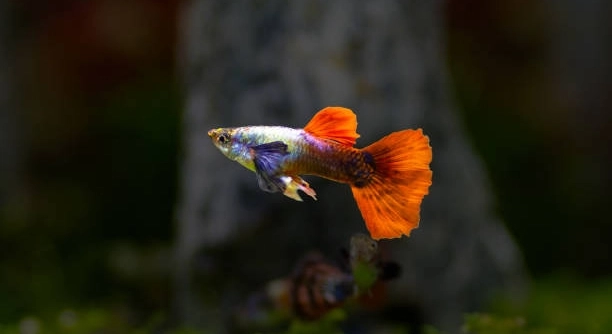
Guppies are popular aquarium fish, but providing them with proper nutrition can sometimes be overlooked. Understanding their dietary needs is essential for their health and well-being. A well-balanced diet ensures they thrive in their environment.
Guppies require a diet rich in essential nutrients, including proteins, fats, vitamins, and minerals. These nutrients promote healthy growth, vibrant colors, and prevent common diseases. Proper nutrition enhances their immune system, making them more resistant to stress and illnesses.
Maintaining a proper feeding schedule and offering the right types of food will benefit your guppies.
Importance of Protein for Guppies
Protein is a crucial part of a guppy’s diet. It helps build muscle, promotes growth, and supports healthy development. Protein-rich foods, like live or freeze-dried brine shrimp, daphnia, or high-quality flakes, should be a staple in their diet. Without enough protein, guppies can experience stunted growth and weakened immune systems. Protein also plays a role in maintaining their vibrant colors, which is why it is essential to provide them with adequate amounts for both health and appearance.
Inadequate protein levels may result in fish that appear dull, weak, or lethargic. Ensuring they receive the right amount promotes their overall vitality.
A well-balanced diet that includes protein will help your guppies stay active and healthy. Keep in mind that overfeeding can lead to excess waste, so it’s important to control portion sizes. You can supplement their diet with occasional treats, but protein should remain the main focus for their daily meals.
Carbohydrates and Fats Matter Too
While protein is crucial, carbohydrates and fats are important as well. These nutrients provide guppies with the energy they need to swim, explore, and stay active. Carbohydrates come from plants, while fats come from sources like small crustaceans or specific fish foods. Both are essential for a well-rounded diet. Over time, a lack of either can cause malnutrition.
When guppies are fed food that balances protein, fats, and carbohydrates, their energy levels remain stable. This balanced approach supports their immune system and overall well-being.
The Role of Vitamins and Minerals
Vitamins and minerals play a vital role in keeping guppies healthy. These nutrients support their immune system, enhance growth, and help in healing wounds. A deficiency can lead to illnesses or poor development. Offering a varied diet that includes vitamin-rich foods like vegetables will ensure they get the right balance.
A lack of vitamins, particularly Vitamin C and A, can weaken a guppy’s immune system, making them more prone to diseases. On the other hand, minerals like calcium and magnesium help with bone development and overall health. These nutrients are commonly found in high-quality fish food that has been properly fortified.
Feeding guppies a diet rich in these micronutrients will promote vibrant health and prevent long-term issues. Offering a mix of plant and animal-based food sources will provide them with essential vitamins and minerals, making it easier to maintain their overall well-being.
The Importance of Fiber in Guppy Diets
Fiber is often overlooked but is necessary for digestion and overall gut health. It helps regulate the passage of food through the digestive tract, ensuring that guppies can efficiently absorb nutrients. Foods like spinach, peas, and algae are good sources of fiber for them.
When fiber is included in their diet, guppies can experience healthier digestion and avoid constipation. High-fiber foods also contribute to regular bowel movements, which are essential for overall gut health. Fiber also helps them process protein and fat more efficiently, reducing the risk of bloating or other digestive issues.
To ensure guppies are getting enough fiber, make sure to include plant-based foods in their meals. This will help keep them feeling energetic and prevent common digestive problems. A proper balance of fiber is key to their long-term health.
Feeding Schedule and Frequency
Guppies should be fed multiple small meals throughout the day. Offering food 2-3 times daily will ensure they receive enough nutrition without overfeeding. Overfeeding can lead to water quality issues and health problems.
Feeding guppies small portions prevents them from getting too full, which can lead to digestive problems. It’s also important to remove any uneaten food after a few minutes to avoid contamination in the tank. A consistent feeding schedule will help maintain their health and keep the water clean.
Choosing the Right Food
Selecting the proper food for your guppies is essential for their health. High-quality flakes, pellets, or live foods like brine shrimp and daphnia offer a balanced diet. These foods provide all the essential nutrients guppies need to thrive.
Different types of food offer various benefits, so it’s good to mix things up to provide variety. Some fish foods also have added vitamins and minerals to support growth and immune health. Ensuring they have a mix of plant and animal-based options will keep them strong and colorful.
Water Quality and Nutrition
Water quality directly affects how well your guppies absorb nutrients from their food. Poor water conditions can lead to stress and reduce their appetite. Regular water changes, proper filtration, and maintaining the right temperature will help keep guppies healthy and ensure they can properly digest their food.
FAQ
How often should I feed my guppies?
Guppies should be fed two to three times a day. Offer them small portions each time, ensuring they can eat it all within a few minutes. Overfeeding can lead to water pollution and digestive issues. It’s important to monitor how much they consume to avoid leftover food that could cause water contamination.
Can guppies live without live food?
Yes, guppies can live without live food, but it is beneficial to offer it occasionally. Live foods like brine shrimp and daphnia are rich in protein and nutrients, enhancing their colors and overall health. If live food isn’t available, high-quality fish flakes or pellets can provide the necessary nutrition.
What vegetables can I feed my guppies?
Guppies can eat various vegetables like spinach, peas, zucchini, and cucumber. These vegetables provide essential nutrients and fiber for healthy digestion. Make sure to blanch them before feeding to soften them, making it easier for the guppies to consume. Remove any uneaten vegetable after a few hours.
Can I feed my guppies only flake food?
Feeding only flake food is not ideal for guppies. While it provides essential nutrients, it lacks variety and may not support all of their health needs. Including live food, frozen food, or vegetables ensures they receive a well-rounded diet with sufficient proteins, fats, and fiber for optimal health.
Is it okay to feed guppies once a day?
While feeding guppies once a day is better than not feeding them at all, it’s not ideal. Guppies benefit from several small meals throughout the day to prevent overeating and improve digestion. Two to three feedings per day allow them to metabolize food efficiently and maintain energy levels.
Can guppies eat too much?
Yes, guppies can overeat, which can cause health problems like bloating, constipation, or poor water quality. Overfeeding is also the main cause of excess waste, which can lead to ammonia buildup and water contamination. Always feed them only what they can consume in a few minutes, and remove any leftover food.
How do I know if my guppy is not eating enough?
Signs of malnutrition in guppies include weight loss, faded colors, lethargy, or a lack of interest in swimming. If your guppy refuses food for several days or shows unusual behavior, it may indicate a lack of proper nutrition or an underlying health issue. In such cases, it’s important to adjust their diet and water conditions.
What’s the best type of food for baby guppies?
For baby guppies, start with infusoria or finely crushed fish flakes. As they grow, they can gradually be introduced to live food such as brine shrimp or daphnia. A nutrient-rich diet is crucial for their development. Be mindful to feed small portions to prevent uneaten food from polluting the tank.
Can I feed my guppies too much protein?
Yes, too much protein can be harmful to guppies. Excess protein can cause them to grow too quickly, leading to organ strain and digestive issues. Additionally, overfeeding protein-rich foods can result in excess waste, which affects water quality. A balanced diet, with a mix of protein, fats, and fiber, is the best approach.
Should I remove uneaten food from the tank?
Yes, always remove any uneaten food after feeding. Leftover food can decay and contaminate the water, leading to poor water quality and potential health issues for your guppies. Using a fish net or siphon helps clean up excess food and maintain a clean tank environment.
How long can guppies survive without food?
Guppies can typically survive for 1-2 days without food, but prolonged fasting can affect their health. It’s not advisable to leave them without food for extended periods, as it can lead to malnutrition. If you’re going away, consider using an automatic fish feeder or asking someone to feed them.
What is the best way to store guppy food?
Store guppy food in a cool, dry place away from direct sunlight. Keep it in an airtight container to prevent moisture from degrading its quality. Proper storage ensures that the food retains its nutritional value and remains fresh. Avoid using expired food, as it may not provide the necessary nutrients.
Can guppies eat freeze-dried food?
Yes, guppies can eat freeze-dried food, but it should be used as a supplement, not as their main diet. Freeze-dried foods, such as bloodworms and brine shrimp, are good for variety and provide protein. However, they lack the moisture content of live or frozen foods, so it’s important to rehydrate them before feeding.
Final Thoughts
Proper nutrition is essential for the health and well-being of guppies. A balanced diet helps them grow, stay active, and maintain vibrant colors. Providing a mix of high-quality flakes, live food, vegetables, and occasional treats will ensure they get all the necessary nutrients. By offering variety, guppies can thrive and avoid health issues caused by nutrient deficiencies.
Monitoring feeding schedules and portion sizes is equally important. Overfeeding can lead to water pollution, which can cause problems like poor water quality and digestive issues in guppies. Feeding smaller portions several times a day helps keep the tank clean and reduces the chances of uneaten food affecting water quality. Always remove leftover food to prevent contamination and ensure your guppies’ environment remains healthy.
Incorporating all aspects of proper nutrition, from the right types of food to the appropriate feeding frequency, will promote long-term health. A well-fed guppy will be active, colorful, and more resistant to illness. It is essential to maintain good water conditions, as water quality directly affects how well your guppies digest and absorb nutrients. With a balanced approach to diet and care, you can keep your guppies healthy and happy for years to come.

Hello,
If you enjoy the content that we create, please consider saying a "Thank You!" by leaving a tip.
Every little bit helps us continue crafting quality advice that supports the health, happiness, and well-being of pets around the world, for pets of all shapes, sizes, and species.
We really appreciate the kindness and support that you show us!