
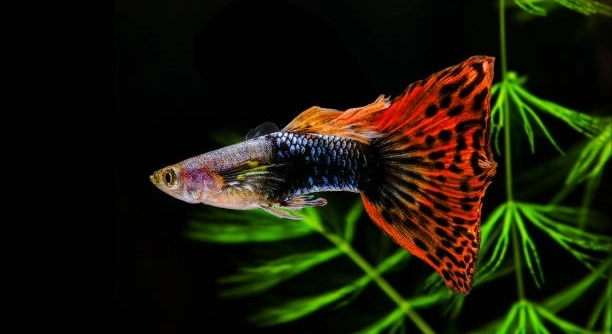
Proper lighting is essential for the well-being of your guppies. It impacts their health, behavior, and overall environment. Understanding the importance of proper lighting will help create a thriving tank that benefits both you and your fish.
The proper lighting in a guppy tank regulates their day-night cycle, promotes plant growth, and helps maintain the aquarium’s temperature. It is crucial for their physical health, stress levels, and natural breeding behavior, ensuring a balanced, thriving ecosystem.
Lighting plays a vital role in your guppies’ habitat. Keep reading to learn how lighting can impact their health and happiness.
Light Helps Regulate Guppy Behavior
Proper lighting helps regulate your guppies’ natural behaviors, such as feeding, mating, and resting. Guppies, like most fish, rely on light to maintain their internal clocks, helping them differentiate day from night. Inconsistent or improper lighting can cause stress, making your guppies more prone to illnesses and reducing their breeding activity. Keeping the right balance of light and dark periods encourages a healthy and natural environment.
Without a consistent light cycle, guppies may become disoriented, affecting their feeding patterns and overall health. It’s important to establish a routine that mimics their natural habitat.
If your guppies don’t get the proper light exposure, they may not thrive. They could even become less active or struggle with reproduction. Ensuring your tank has the right light levels will help your guppies live happier, healthier lives.
Lighting Impacts Plant Growth
The proper lighting in a guppy tank isn’t just beneficial for your fish; it also helps your aquarium plants thrive. Plants are a vital part of the ecosystem, providing oxygen and maintaining water quality.
Without enough light, plants can’t photosynthesize properly, leading to poor plant health. This lack of oxygen can stress out your guppies and other tank inhabitants. The right light will keep plants vibrant and growing, contributing to a healthier tank environment for all.
Lighting Influences Guppy Coloration
Proper lighting enhances the natural colors of your guppies, making their vibrant hues more noticeable. Without adequate light, their colors may appear dull and lackluster. The right intensity and spectrum of light bring out the best in their scales, especially when breeding.
In addition, appropriate lighting mimics natural light cycles that trigger guppies’ natural color changes. This is particularly true during mating seasons, where brighter lighting can highlight their most attractive features. The healthier your tank’s lighting setup, the more vibrant and lively your guppies will appear, improving the overall aesthetic of your aquarium.
When lighting is too dim or too harsh, your guppies may not show their full coloration. You may notice your guppies looking faded or under stress, affecting their overall beauty and well-being. Proper lighting encourages your guppies to thrive and display their best colors.
Lighting Affects Guppy Breeding
Guppies need proper lighting to successfully breed. Consistent light cycles help trigger the natural mating behaviors in guppies. If the light is too intense or not consistent enough, it can disrupt their breeding cycles and cause stress.
Light acts as a signal that helps guppies know when to breed. During the breeding season, the natural light changes that occur throughout the day stimulate the fish to mate. Without the proper lighting setup, you might notice a decline in breeding success or activity. Inconsistent or inappropriate light may even cause your guppies to become more aggressive, reducing breeding chances.
To encourage healthy breeding, ensure your tank has a balanced lighting schedule. Use a timer to provide 10-12 hours of light per day, mimicking natural daylight cycles. Proper lighting keeps your guppies active and ready to breed.
Proper Lighting Helps Prevent Algae Growth
Inadequate lighting can lead to an overgrowth of algae in your aquarium. Algae thrive in poorly lit environments, where the light is too weak or uneven. Balanced lighting helps keep algae in check by preventing excess growth.
A well-lit tank with a consistent light cycle reduces the chances of algae taking over. Proper light levels ensure plants can photosynthesize, outcompeting algae for nutrients. Too much light, however, can cause algae blooms, so it’s important to find the right balance.
Lighting Supports Guppy Health
Proper lighting ensures your guppies stay healthy by regulating their biological processes. It helps with their metabolism, immune function, and overall vitality. A consistent light cycle contributes to their stress-free environment, lowering the risk of disease.
By maintaining regular light cycles, you help prevent stress-induced health problems in your guppies. Guppies in tanks with erratic lighting may show signs of distress, like hiding or reduced appetite. Keeping their environment stable and predictable supports their well-being and ensures a healthier aquarium.
Lighting Affects Water Temperature
The right lighting setup also affects the water temperature in your aquarium. Too much light can raise the water temperature, making the tank uncomfortable for your guppies. Conversely, insufficient lighting may leave your water too cool for optimal fish health.
Properly chosen aquarium lights help maintain a stable temperature, creating an ideal environment for your guppies. Most tropical fish, including guppies, thrive in water temperatures between 72-82°F. Light helps support this range, preventing temperature fluctuations that can stress your fish.
FAQ
What type of lighting is best for guppies?
The best lighting for guppies is a full-spectrum light that mimics natural sunlight. These lights promote plant growth and support the fish’s day-night cycle. It’s also essential to choose a light that doesn’t overpower the tank, as this can stress your guppies and encourage algae growth. LED lights are often a good option because they provide adjustable brightness and are energy-efficient. Aim for about 10-12 hours of light per day to mimic natural daylight cycles.
Can too much light harm my guppies?
Yes, too much light can stress guppies and increase algae growth. Excessive lighting can raise the water temperature, making the tank too warm for your guppies. It also disrupts their natural day-night cycles, affecting their health and behavior. To avoid this, it’s best to use a timer for your lights to ensure a consistent day-night cycle. This will also help reduce the risk of algae blooms caused by too much light exposure.
How long should I keep my aquarium lights on for guppies?
Guppies require around 10-12 hours of light each day, simulating a natural day and night cycle. This helps regulate their circadian rhythms, improving their overall health and reducing stress. It’s important not to exceed 12 hours of light, as it can lead to overheating and unwanted algae growth. Using a timer for your lights will make it easier to maintain a consistent lighting schedule.
Do guppies need UV light?
While UV light isn’t absolutely necessary for guppies, it can be beneficial for the overall health of your tank. UV lights can help with algae control and sterilize the water, improving water quality. However, UV lights should be used sparingly, as too much exposure can stress the fish. Full-spectrum LED lights are typically enough to meet the needs of guppies.
Is it okay to use colored lights for guppies?
Colored lights can enhance the appearance of guppies by making their colors pop, but they’re not essential for their health. Red, blue, and green lights may make your fish look more vibrant, but it’s important to ensure they also get proper full-spectrum lighting for their overall well-being. Colored lights should be used in moderation to avoid disrupting the natural light cycle and causing stress.
What happens if guppies don’t get enough light?
If guppies don’t get enough light, it can lead to several issues. First, their health may suffer because they rely on proper light for their circadian rhythms. This could lead to decreased energy levels, loss of color, and even stunted growth. In addition, inadequate light can affect the plants in the tank, reducing oxygen levels and water quality, which in turn harms the fish. It’s essential to provide your guppies with enough light to maintain a balanced, healthy environment.
Can I use natural sunlight for guppies?
While natural sunlight can provide your guppies with light, it’s not the most reliable option. Sunlight can fluctuate throughout the day and across seasons, leading to inconsistent lighting. It can also cause the water temperature to rise too much, especially in direct sunlight, which can stress your fish. If you want to use natural sunlight, ensure it’s indirect and doesn’t change temperature too drastically. For the best results, consider using artificial lighting designed for aquariums.
Do guppies prefer bright or dim lighting?
Guppies prefer moderate lighting. Too bright, and it can cause them stress, leading to erratic behavior. Too dim, and it can disrupt their natural cycle, affecting their feeding and breeding patterns. Brightness should be balanced, providing enough light for plants to thrive and the guppies to maintain a healthy, stress-free environment. You can adjust the light intensity based on how your guppies respond.
How can I prevent algae with my aquarium lighting?
To prevent algae growth, ensure your aquarium lights are not left on for too long. Overexposure to light promotes algae growth, so it’s important to maintain a consistent lighting schedule, ideally around 10-12 hours daily. Additionally, make sure the light is not too intense. Using a full-spectrum light can help by promoting plant growth, which naturally competes with algae for nutrients, preventing overgrowth.
Should I turn off the aquarium lights at night?
Yes, turning off the aquarium lights at night is crucial for your guppies’ health. They need a clear distinction between day and night for their circadian rhythms. Without this dark period, they may become stressed or disoriented, affecting their feeding, breeding, and overall behavior. It’s important to let them rest in a natural, low-light environment. Use a timer to turn the lights off automatically at night for consistency.
Can I adjust the brightness of my aquarium lights?
Yes, you can adjust the brightness of your aquarium lights, especially if you’re using dimmable LED lights. Lowering the brightness during the night or early morning can help replicate natural light cycles, while increasing it during the day can simulate brighter daylight conditions. Just be careful not to use too bright of a light, as this can cause stress for your guppies and encourage algae growth.
How can I tell if my guppies are stressed from lighting?
If your guppies are stressed from improper lighting, they may exhibit signs such as hiding, reduced appetite, faded colors, or erratic swimming. Some guppies may also swim in circles or stay near the tank’s bottom. If you notice these behaviors, consider adjusting the light intensity, duration, or spectrum. Ensuring a consistent day-night cycle can help alleviate stress and restore a calm, healthy environment for your guppies.
Final Thoughts
Proper lighting is essential for maintaining a healthy environment for your guppies. It helps regulate their natural day-night cycle, supporting their biological processes. Without proper lighting, guppies can experience stress, poor health, and even reduced lifespan. The right light also promotes plant growth and helps keep algae under control, contributing to a balanced aquarium ecosystem.
By choosing the right lighting, such as full-spectrum LEDs, and setting a consistent lighting schedule, you can ensure that your guppies have a stable and comfortable environment. It’s important not to overdo the light, as too much can lead to overheating or algae growth. Finding the right balance in light duration and intensity is key to keeping your guppies happy and healthy.
Overall, keeping the lighting in your aquarium consistent and appropriate for guppies will provide them with the best possible living conditions. Pay attention to their behavior and the condition of the tank’s plants, as these are indicators of how well your lighting is working. With a little effort and attention to detail, your guppies will thrive in their well-lit home.

Hello,
If you enjoy the content that we create, please consider saying a "Thank You!" by leaving a tip.
Every little bit helps us continue crafting quality advice that supports the health, happiness, and well-being of pets around the world, for pets of all shapes, sizes, and species.
We really appreciate the kindness and support that you show us!