
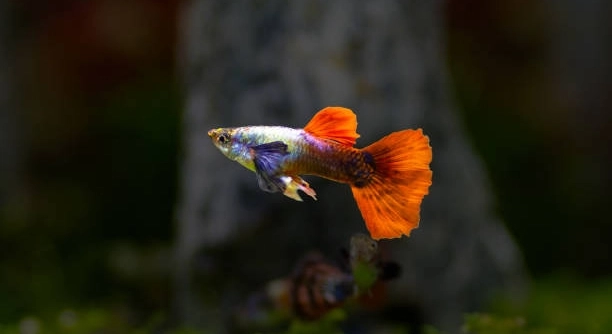
Acclimating guppies to their new environment is essential for their health and well-being. Without proper adjustment, they may face stress and health issues. Knowing the reasons for this process can help ensure your guppies thrive in their new home.
Proper acclimation helps guppies adjust to differences in water temperature, salinity, and pH levels. Sudden changes in these factors can cause shock, weaken their immune system, and even result in death. Acclimating them gradually is crucial for their survival.
Understanding how to acclimate your guppies properly will help them adjust smoothly and enjoy a healthier, more comfortable life in their tank.
Why Acclimation is Crucial for Guppies’ Health
Acclimating guppies to their new environment is a vital step in ensuring their well-being. Guppies are sensitive to changes in water conditions, and without a proper adjustment period, they can experience stress. This stress weakens their immune system, making them more vulnerable to diseases. The goal is to allow the fish to gradually adapt to the water’s temperature, pH, and salinity levels. Skipping this process can lead to shock, which may result in death. Proper acclimation not only reduces the risk of stress but also promotes better overall health for your guppies.
Introducing your guppies slowly to their new home is the best method to keep them healthy. Sudden changes, especially in temperature, can cause them to become disoriented, which might lead to poor eating habits or even fatal outcomes.
Guppies are small, delicate fish that thrive in stable conditions. When transferring them to a new tank, it’s important to match the temperature and water chemistry closely to what they’re accustomed to. If the water in the new tank is too hot or too cold, it can cause their metabolism to speed up or slow down. This can stress them out, making them more susceptible to infections or disease. A good practice is to let your guppies float in their sealed bag in the new tank for about 15–30 minutes. This allows the water in the bag to adjust to the temperature of the new tank before introducing them.
How to Acclimate Guppies the Right Way
A proper acclimation process is necessary for your guppies to adjust successfully to their new environment.
Start by floating the bag with your guppies in the tank for about 15 minutes to equalize the water temperature. After that, slowly add small amounts of tank water into the bag over the course of 30 minutes. This gradual method helps prevent shock.
Acclimating Guppies to Different Water Conditions
When introducing guppies to a new tank, the water conditions must closely match their previous environment. Guppies thrive in stable, slightly alkaline water with a pH of 7.0 to 8.5. If the pH differs too greatly from their previous tank, it can cause significant stress.
The salinity of the water is another important factor. Guppies prefer freshwater with a low salt content. In a new tank, you should test the salinity before introducing your fish to ensure the levels are safe. If there are any significant discrepancies, adjusting the water slowly will allow your guppies to adapt. Adding water gradually during acclimation is one way to avoid sudden changes. If the new tank has saltwater, it’s essential to slowly decrease the salinity over time if you want to maintain freshwater conditions.
The temperature of the tank is just as important. Sudden changes in water temperature can result in shock, causing stress and potentially even death. Before introducing guppies, make sure the temperature is consistent with their original environment. You can slowly raise or lower the temperature of the new tank, but this process should take place over several hours to ensure your guppies adjust properly.
How Temperature Affects Guppy Health
Temperature plays a major role in guppy health. They are tropical fish, preferring water temperatures between 72°F to 82°F (22°C to 28°C). Guppies are highly sensitive to sudden temperature changes, and abrupt shifts can cause physical stress.
If the water in their new tank is too cold, it can lead to sluggish behavior, reduced appetite, and increased susceptibility to infections. On the other hand, water that is too warm can cause guppies to become lethargic and may even shorten their lifespan. When acclimating, gradually match the tank’s temperature with the one they are used to. The best way to do this is by floating the bag they came in within the new tank for a period of time, allowing the temperature to stabilize.
Using a thermometer to monitor water temperatures and make sure they’re in the safe range is important. For accuracy, invest in a reliable aquarium thermometer to help maintain a consistent environment for your guppies.
Importance of Gradual Acclimation
Gradually acclimating guppies helps reduce stress and avoid shock. By slowly adjusting the water conditions, guppies can adapt more easily to their new environment. This process allows them to better handle changes in temperature, pH, and salinity, which is crucial for their overall health and well-being.
A gradual process also helps to avoid sudden disruptions that could negatively affect your guppies. If acclimated too quickly, they can experience immediate physical distress, including erratic swimming, discoloration, or even death. Taking your time ensures that they adjust to their new home without harmful effects.
How Acclimation Helps with Stress Reduction
Proper acclimation can significantly reduce stress in guppies. Stress weakens their immune systems, making them more vulnerable to disease. It can also lead to unwanted behavior, such as hiding or refusing food. By following the right steps for acclimation, you can ensure a smooth transition.
This process allows the fish to adjust slowly to their new environment, preventing the shock caused by sudden temperature and water quality changes. Over time, guppies will adapt to their new home, feeling more secure and less stressed. This is key for long-term health and happiness.
Potential Risks of Incorrect Acclimation
Incorrect acclimation can be harmful to your guppies. If the acclimation process is rushed, they may not adjust to the new water conditions and could face serious health issues. Sudden changes in water temperature, pH, or salinity can cause irreversible damage to their system.
FAQ
How long should I acclimate my guppies?
Acclimating your guppies should take about 30 to 60 minutes, depending on how much the water temperature and pH levels differ from the original tank. A longer period helps them adjust without stress. Gradually add small amounts of the new tank water into the bag every 5–10 minutes. This slow process ensures they adapt to both the water temperature and chemistry.
Can I put my guppies in the tank immediately after purchase?
It’s not advisable to place your guppies directly into the new tank without acclimating them first. Sudden changes in water temperature and chemistry can shock their system and lead to stress, which makes them more prone to diseases. Always acclimate them slowly to avoid harming your fish.
What should I do if the water temperature is too different between tanks?
If the temperature is significantly different, you should acclimate your guppies more slowly. Start by floating the bag in the tank to equalize the water temperature. If the temperature is too high or too low, you can gradually adjust the tank’s water temperature, but be sure to do so over an extended period to avoid shocking the fish.
How do I know if my guppies are stressed during acclimation?
Signs of stress include erratic swimming, gasping for air, hiding, or refusal to eat. If your guppies show these behaviors during acclimation, it might mean the process is too fast or that the water conditions are not right. If the stress continues, check the water quality and temperature, and slow down the acclimation process.
Is there a way to speed up the acclimation process?
It’s not recommended to speed up the acclimation process as this can cause unnecessary stress on your guppies. Acclimating them slowly is essential to ensuring they can adjust properly to the new water conditions. Rushing the process could harm their health in the long run. Be patient and allow at least 30–60 minutes for the acclimation.
How often should I acclimate my guppies?
You should only need to acclimate your guppies when they are being introduced to a new tank or if there are significant changes in water temperature or chemistry. For routine maintenance, such as water changes, acclimation isn’t necessary unless the water parameters change drastically.
What are the most common mistakes during guppy acclimation?
One common mistake is moving the guppies into the tank too quickly without adjusting the water conditions. Another mistake is not matching the water temperature between the bag and the tank. Finally, failing to check the pH and salinity of the new tank water can lead to dangerous stress. Taking your time and ensuring the water conditions are as close to their previous environment as possible is crucial.
Can I acclimate guppies to saltwater?
If you are moving guppies to a saltwater tank, gradual acclimation is especially important. Guppies are primarily freshwater fish, so a sudden switch to saltwater can be harmful. You should introduce the saltwater gradually over time, increasing salinity slowly until they can adjust without stress. Keep a close eye on their behavior throughout this process.
Should I use an air pump when acclimating my guppies?
Using an air pump isn’t necessary during the acclimation process, but it can help improve water circulation in the bag. This can ensure the water inside the bag is properly oxygenated, which is especially helpful if you are acclimating the fish for an extended period. If you don’t have an air pump, gently shaking the bag occasionally will help distribute oxygen.
What if I have more than one guppy to acclimate?
If you have multiple guppies, you can still use the same method of acclimation. However, it’s important not to overcrowd the bag. If there are too many guppies in one bag, it may cause stress due to limited oxygen and space. Acclimate them in batches, if necessary, and ensure the water conditions are stable for each batch.
Can I acclimate my guppies directly to a tank with live plants?
Yes, you can acclimate guppies in a tank with live plants, but ensure the water conditions for the plants and the guppies are compatible. Some plants might prefer slightly acidic water, while guppies thrive in more neutral or slightly alkaline water. You may need to adjust the water parameters to ensure both the plants and fish are comfortable during acclimation.
Final Thoughts
Acclimating guppies to a new environment is an essential process that ensures their health and well-being. By slowly adjusting the temperature, pH, and salinity of the new tank, you allow them to adapt without stress. Stress can weaken their immune system, making them more vulnerable to diseases. With proper acclimation, your guppies will settle in their new home and thrive over time. Taking your time during this process may seem like a small step, but it plays a big role in their long-term health.
While it may be tempting to skip or rush the acclimation process, it’s crucial to understand that guppies, like all fish, are sensitive to sudden changes. Whether you’re introducing them to a new tank or adjusting their environment, these small steps are necessary to avoid shocking their system. Avoiding fast changes will help your guppies remain active, healthy, and stress-free. The key to success is gradual adjustments, monitoring the water conditions closely, and being patient. After all, healthy guppies lead to a better aquarium experience for everyone.
In the end, the more time and care you give during the acclimation process, the better your guppies will adjust to their new environment. Remember, taking care of their needs and paying attention to the small details will prevent bigger issues down the line. A smooth acclimation process will ensure your guppies enjoy a healthy, long life in their new tank.

Hello,
If you enjoy the content that we create, please consider saying a "Thank You!" by leaving a tip.
Every little bit helps us continue crafting quality advice that supports the health, happiness, and well-being of pets around the world, for pets of all shapes, sizes, and species.
We really appreciate the kindness and support that you show us!