
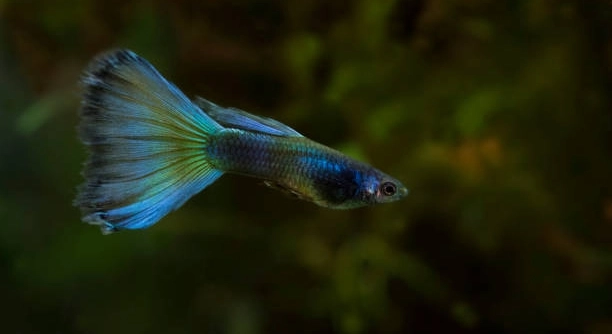
Guppies are vibrant and small freshwater fish that require proper care to thrive. One crucial aspect of their environment is lighting, which can impact their health and overall well-being. Understanding the role of light is essential for their care.
Guppies rely on light for essential biological functions, including regulating their circadian rhythm, supporting proper growth, and stimulating breeding behaviors. Proper lighting helps maintain a healthy environment by promoting natural behaviors and enhancing the colors of these fish.
Knowing how light impacts your guppies will help ensure they are in a healthy and comfortable environment. The right lighting promotes their well-being, and understanding this aspect is key to their care.
Guppies and Their Need for Light
Light plays a crucial role in maintaining the overall health of guppies. Guppies, like many fish, rely on a consistent light cycle to regulate their natural body processes. This light helps maintain their circadian rhythm, influencing sleep patterns and feeding schedules. Without proper lighting, guppies can experience stress, which can lead to health problems. Light also supports their growth by providing the necessary conditions for their immune systems and metabolism. Without it, their development may slow, and they could become more vulnerable to disease. Additionally, light helps stimulate breeding behaviors, ensuring that guppies remain active and healthy.
Providing the right kind of lighting ensures that your guppies maintain a balanced and healthy life cycle. An optimal light-to-dark cycle mimics the conditions found in their natural habitat, which is important for their long-term well-being.
Guppies thrive best when they receive light for around 10 to 12 hours a day, followed by a period of darkness. The light should not be too harsh, as this could stress them. A gentle aquarium light works best.
Lighting and Guppy Behavior
The lighting in your tank can significantly impact guppy behavior. With proper light, guppies stay more active and social. They’re more likely to engage in natural activities, such as swimming around and interacting with tank mates. Inconsistent lighting can confuse them, leading to stress and lethargy.
When exposed to the right light conditions, guppies exhibit healthier, more natural behaviors. Proper lighting mimics the day-night cycle they would experience in their natural environment, supporting their feeding, movement, and social interactions. Without this cycle, they may become disoriented or withdrawn, affecting their overall well-being.
A sudden change in light intensity can also stress them out, making them anxious and less responsive. This can be avoided by gradually adjusting light levels, providing a more natural transition for the guppies. Maintaining a consistent lighting routine is key to keeping them active and thriving.
Impact on Breeding
Guppies rely on light to trigger breeding behaviors. Light can influence their mood and reproductive cycle. Proper lighting encourages guppies to become more active and breed at optimal times, ensuring healthy offspring.
In the right lighting conditions, guppies’ breeding cycles are more regular. Light helps regulate hormone production, which plays a significant role in their ability to reproduce. A stable day-night cycle is crucial for keeping their reproductive behaviors in balance. A disruption in lighting can cause stress, hindering their ability to breed properly and, in some cases, reducing their chances of successful reproduction.
Many aquarium owners use timers to maintain a consistent light schedule, ensuring guppies get the light they need for proper breeding. This also helps avoid issues like overexposure, which could disrupt their natural rhythms. Consistency in light exposure supports healthy breeding, which is important for the sustainability of your guppy population.
Light and Guppy Health
Proper lighting helps boost guppy health by promoting their immune system and metabolism. Guppies exposed to the right amount of light are less likely to fall ill. Too much or too little light can weaken their immune response.
A consistent light schedule mimics their natural environment, reducing stress and ensuring the guppies’ bodies function properly. Stress can weaken their immune system, leaving them vulnerable to diseases. Maintaining a healthy light cycle encourages your guppies to stay active, helping them maintain better overall health.
Proper lighting also helps reduce the chances of skin or eye issues that can arise from irregular light exposure.
Light for Color Enhancement
Lighting plays a big role in the brightness of a guppy’s colors. Inadequate light can cause their vibrant hues to fade, while proper lighting enhances their natural beauty.
Guppies are known for their striking colors, and the right light can make these colors pop. Light influences their pigmentation by stimulating the production of color-enhancing compounds. Without proper light, their colors may dull or become less noticeable. Regular exposure to appropriate light conditions keeps your guppies’ colors vivid, making them a more eye-catching addition to your tank.
How Light Affects Growth
Guppies grow best when exposed to the right amount of light. Growth can be stunted if they don’t receive enough light, affecting their size and health.
A proper light cycle helps regulate their metabolism and supports their growth rate. Guppies exposed to too little light may develop slower, and their overall health may decline. On the other hand, light that is too harsh or constant can cause stress, leading to poor growth.
FAQ
How much light do guppies need?
Guppies typically require around 10 to 12 hours of light a day. This simulates a natural day-night cycle and helps maintain their circadian rhythm. Providing consistent light during the day and darkness at night supports their overall health and behavior. Avoid long periods of light exposure, as this could cause stress. Timers are a good tool to ensure the lighting is consistent.
Can guppies survive without light?
While guppies can survive in low light for a short period, they do need light to thrive. Without light, their natural behaviors, including feeding and social interaction, will be impacted. Lack of light can also disrupt their circadian rhythm, which could affect their immune system and breeding cycle. It’s best to provide them with regular lighting to maintain their health and happiness.
Is natural sunlight good for guppies?
Natural sunlight can be beneficial for guppies, but it must be controlled. Too much direct sunlight can heat the water and cause fluctuations in temperature, leading to stress. It can also promote algae growth in the tank. If you use natural sunlight, ensure the tank isn’t exposed to harsh direct sunlight for prolonged periods. A shaded spot with indirect light is ideal.
What kind of aquarium light is best for guppies?
A full-spectrum LED light is ideal for guppies. These lights provide a balance of light that mimics natural sunlight. Full-spectrum lights help enhance the colors of your guppies and provide the necessary light for their growth. They also tend to be energy-efficient and last longer than other types of lights. Avoid using bright, harsh lights, as they can cause stress. A light with a color temperature of around 6,500K is optimal.
Can I use a regular light bulb for my guppies?
While regular light bulbs can provide some light, they are not ideal for aquariums. Regular bulbs don’t offer a full spectrum of light, and they may produce too much heat, which can affect the water temperature. They also might not provide the right wavelength of light for the guppies. It’s better to use a specific aquarium light designed for fish tanks.
How does light affect guppy breeding?
Light plays a crucial role in guppy breeding. Guppies breed more frequently when exposed to a consistent light schedule that simulates day and night cycles. A regular light pattern helps regulate their reproductive hormones, encouraging them to breed during optimal times. Too much light, however, can lead to stress, which might reduce their breeding success. A balanced light cycle helps maintain healthy breeding behaviors.
How do I know if my guppies are stressed from lighting?
Guppies under stress from improper lighting might display behaviors like hiding, reduced movement, or a lack of appetite. They may also appear darker in color or show signs of lethargy. If they are constantly hiding or seem agitated when the light is on, the intensity or duration of the light may be too much. Adjusting the lighting can help reduce this stress.
Is it okay to use a timer for the lights?
Using a timer is a great idea for guppies. It ensures that the light cycle is consistent, which is important for maintaining their circadian rhythm. A timer can help you avoid accidental overexposure or underexposure to light. Most aquarium owners use timers to automatically turn the light on and off at the same time each day, providing a stable environment for their fish.
What is the best light cycle for guppies?
A typical light cycle for guppies is about 10 to 12 hours of light followed by 12 to 14 hours of darkness. This simulates a natural day-night cycle, which is essential for regulating their sleep, feeding, and breeding behaviors. It’s important not to leave the light on for too long as it could cause stress or disrupt their natural rhythms.
Can guppies live in a tank with no artificial light?
While guppies can live in a tank without artificial light, they still require some form of light. In natural conditions, guppies would be exposed to sunlight, which provides the necessary light for their biological functions. If you don’t have access to natural light, you’ll need to provide artificial light to maintain their health.
Do guppies need dark periods?
Yes, guppies need dark periods to maintain a healthy sleep cycle. Constant exposure to light can disrupt their circadian rhythm, leading to stress and health issues. A regular dark period helps them rest and maintain their natural behavior. It’s important to provide them with a clear transition between light and dark times to keep them comfortable.
Final Thoughts
In conclusion, providing proper lighting for your guppies is essential for their overall well-being. A balanced light cycle helps maintain their natural behaviors, supports healthy growth, and ensures they remain active and social. Guppies are sensitive to light, so it’s important to avoid harsh or erratic lighting that could cause stress. A steady light schedule, with around 10 to 12 hours of light per day, mimics their natural environment and promotes a healthy lifestyle. Inconsistent lighting can cause confusion, affecting their mood and biological functions, so consistency is key.
Lighting also plays a significant role in guppy breeding. The right light conditions stimulate reproductive behaviors and ensure healthy breeding cycles. Exposure to consistent light helps regulate hormones that trigger breeding, increasing the chances of successful reproduction. A stable light cycle also supports color enhancement, making guppies’ natural hues stand out. Healthy lighting promotes vibrant colors that are not only attractive but are signs of good health. Using a full-spectrum aquarium light is the best way to ensure your guppies thrive, as it mimics the sunlight they would naturally receive in the wild.
Overall, understanding the role of light in your guppy tank can make a big difference in their health, breeding, and behavior. Providing them with the right amount of light, while maintaining a natural day-night cycle, is a simple yet effective way to improve their quality of life. Remember to consider the intensity, duration, and type of light you use to ensure your guppies are getting the best care possible. By doing so, you’ll not only enhance their well-being but also create a more enjoyable and visually appealing tank environment.

Hello,
If you enjoy the content that we create, please consider saying a "Thank You!" by leaving a tip.
Every little bit helps us continue crafting quality advice that supports the health, happiness, and well-being of pets around the world, for pets of all shapes, sizes, and species.
We really appreciate the kindness and support that you show us!