
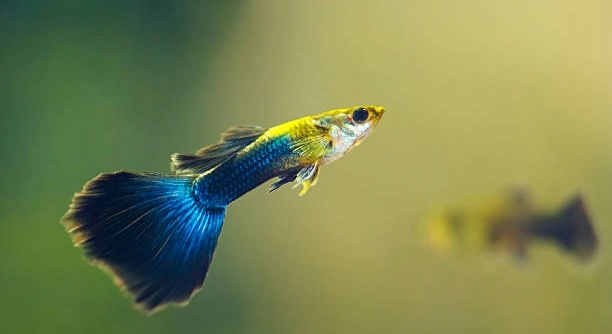
Guppies, known for their vibrant colors and active nature, thrive in environments with the right balance. Floating plants are a simple yet important addition that supports both their health and overall well-being.
Floating plants offer guppies multiple benefits, including improving water quality, providing shelter, and enhancing breeding conditions. These plants create a more natural environment, promoting both physical and psychological health for guppies in home aquariums.
Floating plants also offer additional advantages for your guppies’ habitat, which will be explored further throughout the article.
Floating Plants Improve Water Quality
One of the main reasons floating plants are beneficial for guppies is their ability to improve water quality. These plants absorb excess nutrients, such as nitrates and phosphates, which could otherwise lead to algae blooms. Algae not only affects water clarity but can also create an unhealthy environment for your fish. By naturally filtering the water, floating plants help maintain a clean and safe environment for guppies, promoting better health and more vibrant colors.
In addition, these plants help keep the water’s pH level stable, which is essential for guppy well-being. Maintaining good water quality reduces the frequency of water changes and minimizes the risk of diseases.
Guppies thrive in balanced conditions, and having floating plants in the tank ensures that their surroundings remain optimal. The plants also provide a natural filtration system, which is both effective and low-maintenance, making them a practical choice for fish owners.
Floating Plants Provide Shelter
Guppies are small and naturally seek shelter to feel safe. Floating plants provide hiding spots, which can reduce stress and make guppies feel more secure. These plants create a protective environment, allowing guppies to rest and hide when needed.
When guppies are exposed to too much stress, their immune systems weaken, leaving them more vulnerable to illness. Floating plants help mitigate this risk by providing coverage from other fish and light, allowing guppies to thrive in their environment. The variety of plants available can cater to different tank sizes and types, ensuring there’s a good fit for every setup.
Guppies also benefit from the physical structure that floating plants provide. They offer opportunities for swimming around or through the leaves, which mimics natural behavior. The presence of such plants encourages more active and healthier fish.
Floating Plants Enhance Breeding Conditions
Floating plants create ideal breeding conditions for guppies. They provide cover for newly born fry, offering protection from adult guppies that might eat them. The plants also help create a safer environment by offering hiding spots and places for fry to swim and explore.
The plant leaves create a more natural setting for guppies to mate and give birth. Guppy males often feel more secure when there is enough cover, making them more likely to engage in breeding behavior. The plants also help maintain water quality, further contributing to a healthy breeding environment for both the adults and their offspring.
For the fry, floating plants act as a sanctuary, shielding them from predators while allowing them to grow in peace. As they mature, these plants help them find their way through the tank while remaining sheltered, which is crucial for their survival.
Floating Plants Offer Nutrient Benefits
Floating plants also offer a natural food source for guppies. These plants absorb nutrients from the water, and guppies can feed on algae or small microorganisms that grow on the leaves. This adds variety to their diet and encourages more natural foraging behavior.
Incorporating floating plants into a tank can help balance the ecosystem. Guppies are more likely to exhibit healthy behaviors when they have access to both plant-based material and a variety of microorganisms. This contributes to their well-being, improving their activity levels and overall health.
For fish owners who want a low-maintenance aquarium, floating plants provide natural sources of food for guppies without the need for extra supplements. Over time, these plants improve the tank’s ecosystem by supporting both the fish and the environment.
Floating Plants Help Oxygenate the Tank
Floating plants contribute to oxygen production in the tank. As they photosynthesize, they release oxygen into the water, benefiting both guppies and other aquatic life. This increase in oxygen levels promotes better health and vitality in the entire aquarium.
Having oxygen-rich water helps prevent stress and supports the metabolic processes of guppies. It also keeps the water from becoming stagnant, which is crucial for maintaining an active and healthy aquarium environment. Healthy, well-oxygenated water encourages guppies to remain more active and alert.
This simple addition can make a big difference, especially in smaller tanks where oxygen levels can drop quickly.
Floating Plants Reduce Algae Growth
By absorbing excess nutrients, floating plants help reduce algae growth. They consume the nitrates and phosphates that algae feed on, preventing these unwanted organisms from thriving. This natural form of algae control keeps the tank looking clean and clear.
Algae can be a problem if left unchecked, leading to cloudy water and unhealthy tank conditions. Floating plants offer an efficient, low-maintenance way to keep algae under control while maintaining a natural environment. Their ability to balance the nutrient levels in the tank benefits both the plants and the fish.
Aesthetic Appeal of Floating Plants
Floating plants enhance the overall appearance of an aquarium. Their vibrant colors and graceful movements in the water create a calming, natural atmosphere. They also add layers to the tank, making the environment feel more dynamic and alive.
FAQ
What types of floating plants are best for guppy tanks?
The best floating plants for guppies include duckweed, water lettuce, and Amazon frogbit. These plants are easy to maintain and provide the perfect balance of cover and oxygenation. Duckweed is fast-growing, offering plenty of coverage, while water lettuce and Amazon frogbit have larger leaves that guppies enjoy swimming around and under.
How do floating plants help with guppy fry survival?
Floating plants provide essential hiding spots for guppy fry. When guppies give birth, the small fry need protection from adult fish that may prey on them. The leaves of floating plants create natural shelters where fry can swim and grow without fear of being eaten. This protection greatly improves fry survival rates.
Can floating plants survive without direct sunlight?
Floating plants can survive with indirect light, although they generally thrive in bright, indirect sunlight. If your tank doesn’t have access to natural sunlight, you can use artificial lighting designed for aquatic plants. Most floating plants need about 8 to 10 hours of light per day to stay healthy.
Do floating plants require special care?
Floating plants are low-maintenance, but they do need some attention. Regular pruning to prevent overgrowth is essential, as plants can quickly cover the water’s surface, blocking light. Ensure that your plants aren’t overcrowding the tank, which could lead to oxygen depletion. A little care will keep them thriving.
Will floating plants affect the water quality in the tank?
Floating plants generally improve water quality. As they grow, they absorb excess nutrients, which helps to reduce harmful substances like nitrates and phosphates. This natural filtration process reduces the chances of algae overgrowth and keeps the water cleaner. However, it’s important to monitor the plant growth to ensure they don’t take over the tank.
Can floating plants compete with guppies for nutrients?
Floating plants do take up nutrients from the water, but this generally won’t harm guppies. In fact, they can help regulate nutrient levels, preventing imbalances that could lead to algae blooms. However, if plants grow too quickly and take up too many nutrients, it might leave less available for your guppies and other tank inhabitants.
How often should I change the water in a tank with floating plants?
Water changes should still occur regularly, even in tanks with floating plants. A 25% water change every two weeks is a good rule of thumb. Floating plants help reduce the need for frequent changes by keeping water quality stable, but they cannot eliminate the need for water changes completely. Regular changes help prevent a build-up of waste and toxins.
Do floating plants need fertilizer?
Floating plants can benefit from occasional fertilization, especially if the tank lacks certain nutrients like iron. However, be cautious with fertilizers, as excessive nutrients can lead to algae blooms. Use a balanced, water-soluble fertilizer designed for aquarium plants, and avoid overfeeding your plants.
Are floating plants safe for guppies?
Floating plants are completely safe for guppies. In fact, they provide numerous benefits for the fish, such as shelter, food sources, and improved water quality. As long as the plants are healthy and properly maintained, they won’t harm your guppies and will create a more comfortable and natural environment for them.
What happens if I don’t provide floating plants for my guppies?
Without floating plants, guppies might feel exposed and stressed, as they lack natural hiding places. Stress can negatively impact their health, reducing their lifespan and affecting their overall well-being. Additionally, the water quality might not be as well-maintained, which could lead to algae problems or water imbalances. Providing floating plants helps create a more balanced and secure habitat for guppies.
Can floating plants help prevent stress in guppies?
Yes, floating plants can reduce stress in guppies by offering them places to hide and feel safe. Guppies are naturally cautious fish, and without sufficient cover, they can become anxious. Having floating plants in the tank provides them with a sense of security, which can improve their overall health and activity levels.
How do I control the growth of floating plants in my tank?
Controlling floating plant growth is straightforward. Regular trimming will keep the plants from overcrowding the tank and blocking light. You can also remove excess plants by manually thinning them out. Additionally, limiting the amount of light and nutrients available in the tank can slow down plant growth, but be careful not to hinder their health.
Can I combine floating plants with other types of aquarium plants?
Yes, floating plants can be combined with rooted aquarium plants. Many tank setups benefit from having both types of plants. Floating plants will help improve water quality and offer shelter, while rooted plants can add aesthetic appeal and further contribute to the tank’s overall ecosystem. Just ensure there’s enough space for both types to thrive without overcrowding the tank.
Do floating plants provide enough light for the rest of the aquarium?
Floating plants can block light from reaching the substrate, so it’s important to manage their growth. Too many floating plants can cause the lower plants in the tank to struggle for light. You may need to adjust the lighting or trim the floating plants to ensure all plants in the aquarium receive sufficient light.
How can I encourage floating plants to grow faster?
To encourage faster growth, ensure your floating plants have access to proper light, nutrients, and space. Use a good aquarium light that provides full-spectrum light, and supplement with liquid fertilizers if necessary. Keep an eye on water quality, as clear water promotes faster growth. Keep the plants well-pruned to prevent overcrowding.
Are floating plants necessary for a guppy tank?
While floating plants are not strictly necessary, they offer significant benefits for guppies. They help maintain water quality, reduce stress, provide shelter for fry, and enhance the tank’s aesthetics. Without them, guppies might not feel as comfortable or secure, which can lead to health issues over time.
Final Thoughts
Floating plants offer several advantages to a guppy tank, enhancing the overall environment for both the fish and their ecosystem. They improve water quality by absorbing excess nutrients, which helps to prevent algae growth and keeps the water clean. These plants also provide natural cover, giving guppies and their fry a safe space to hide from predators. This sense of security encourages healthier, more active fish and promotes successful breeding. Additionally, floating plants help oxygenate the water, contributing to a healthier atmosphere for all tank inhabitants.
Floating plants are easy to care for and require minimal maintenance. They don’t demand much attention, but regular pruning is necessary to prevent them from overcrowding the tank and blocking light. Trimming the plants ensures that they continue to provide benefits without overwhelming the tank. It’s important to monitor their growth and adjust the amount of light and nutrients they receive to keep them thriving. While they are low-maintenance, keeping an eye on their health is key to maintaining a balanced tank environment.
Overall, incorporating floating plants into a guppy tank is a practical and beneficial choice. They not only create a more visually appealing aquarium but also contribute to the health and well-being of the fish. Whether it’s providing shelter for fry, improving oxygen levels, or controlling algae, floating plants are a simple yet effective addition. For anyone looking to enhance their guppy tank naturally, floating plants offer an easy way to achieve a healthier, more sustainable environment for both the fish and the aquatic plants.

Hello,
If you enjoy the content that we create, please consider saying a "Thank You!" by leaving a tip.
Every little bit helps us continue crafting quality advice that supports the health, happiness, and well-being of pets around the world, for pets of all shapes, sizes, and species.
We really appreciate the kindness and support that you show us!