
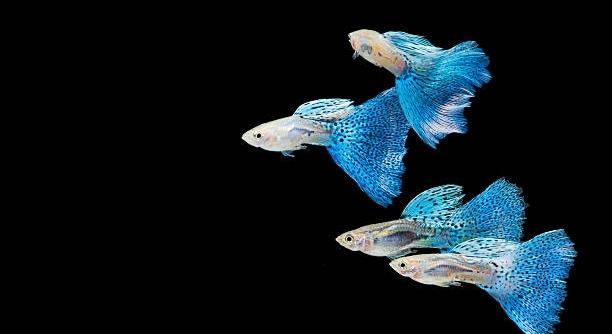
Guppies are popular freshwater fish loved for their colorful appearances and lively personalities. As small, delicate creatures, they require special attention to thrive. One of the most important factors in their care is water parameters.
Consistent water parameters are crucial for guppies’ health, as fluctuations in temperature, pH, and hardness can cause stress, weaken their immune systems, and lead to diseases. Maintaining stable water conditions supports their natural behavior and longevity.
Ensuring your guppies are in a stable environment is essential. Understanding the factors that affect their well-being will help you provide the best care possible.
Stable Water Temperature Supports Guppy Health
Maintaining a consistent water temperature is one of the most critical aspects of keeping guppies healthy. These small fish thrive in temperatures ranging from 72°F to 82°F (22°C to 28°C). Any significant changes in temperature can cause stress, leading to weakened immune systems and making guppies more susceptible to diseases. Rapid temperature shifts can even result in death. A reliable aquarium heater and a thermometer are essential tools for keeping the water temperature stable. Keeping the water within the ideal range helps guppies maintain their natural behavior and activity levels, ensuring they stay healthy.
Temperature fluctuations also affect other water parameters, such as oxygen levels. In warmer water, oxygen levels decrease, which can stress guppies further if the temperature is not consistent. Additionally, extreme cold can slow down their metabolism, leaving them sluggish and more vulnerable to illnesses. Ensuring your tank maintains a stable temperature is key to their overall well-being.
An aquarium heater with a thermostat can be a lifesaver, especially in cooler climates where temperature changes are more frequent.
Water pH and Hardness Are Key to Guppy Comfort
The pH and hardness of the water are just as important as temperature. Guppies prefer slightly alkaline water, with a pH between 7.0 and 8.0. This balance mimics their natural habitat and ensures their biological processes run smoothly. If the pH shifts too much, guppies can become stressed, leading to poor growth and reproductive problems.
Water hardness, which refers to the mineral content, is another factor that influences their health. Guppies do best in moderately hard water, with a general hardness (GH) of 8–12 dGH. Too soft or too hard water can lead to problems like poor digestion and issues with their skin or fins. Testing your water regularly ensures the right conditions are maintained, preventing any imbalances.
To help stabilize both pH and hardness, consider using water conditioners and doing regular water changes. This simple maintenance will help your guppies feel comfortable in their tank and thrive for years.
Regular Water Changes Prevent Toxins from Building Up
Regular water changes are vital for keeping toxins, like ammonia and nitrites, from building up in the tank. These chemicals can quickly become harmful to guppies, even in small amounts. Over time, waste products from uneaten food and fish waste accumulate, leading to poor water quality.
Changing 10-20% of the water weekly is a simple yet effective way to maintain a healthy environment for guppies. Regular water changes help remove harmful substances and replenish beneficial minerals, ensuring the tank’s water remains stable. A good filtration system can also assist in maintaining water quality, but it’s still crucial to change the water routinely.
Not only does this help reduce toxins, but it also ensures the fish can thrive in clean, oxygen-rich water. Make it a part of your regular maintenance routine to improve the overall health of your guppies.
Water Filtration Enhances Stability
A reliable filtration system is an essential part of maintaining stable water parameters. It helps remove waste, excess food, and other contaminants that could negatively affect your guppies. Without proper filtration, your tank can quickly become dirty and cause harmful spikes in ammonia and nitrites.
There are several types of filters to choose from, including sponge filters, hang-on-back filters, and canister filters. Each has its advantages, but the goal is to keep the water flowing smoothly while trapping debris. A good filter will also help maintain a consistent water temperature and prevent sudden fluctuations.
Be sure to clean the filter regularly and replace the filter media as needed. Keeping it in good working condition is crucial for water quality. A well-maintained filtration system adds to the stability of your guppy’s environment, promoting long-term health.
Proper Stocking Levels Reduce Stress
Overcrowding can quickly stress your guppies and cause fluctuations in water quality. A crowded tank leads to higher waste levels and less oxygen, both of which can negatively affect your guppies’ health. It’s important to keep a balanced number of fish based on the tank size.
For a peaceful environment, you should aim for about one inch of fish per gallon of water. This allows guppies to swim freely and reduces the buildup of harmful substances. Overcrowding also makes it harder to maintain stable water conditions, as the filtration system has to work harder to keep up.
By maintaining proper stocking levels, you help your guppies stay healthy and minimize stress, which improves their quality of life.
Acclimating New Fish Protects Water Quality
Introducing new guppies or other fish to your tank requires careful acclimation to prevent sudden changes in water conditions. New fish may bring unwanted bacteria or parasites that could affect the water quality. Acclimating new arrivals helps them adjust to the water parameters without causing stress or health issues.
Take your time when introducing new fish to ensure they are comfortable and the water’s balance is maintained. This process involves slowly adding small amounts of the tank water to the new fish’s bag over a period of time. Doing so reduces the risk of sudden temperature or pH shock.
Proper acclimation is a simple but essential step in ensuring your guppies’ environment remains stable and healthy.
Monitor Water Parameters Regularly
Regular testing of your water parameters is key to maintaining a healthy tank. Using a water test kit helps you keep track of factors like pH, ammonia, nitrites, and nitrates. Monitoring these levels ensures you can address any imbalances quickly.
Test your water weekly, especially if you’re noticing any changes in your guppies’ behavior or appearance. Stable water parameters help prevent stress and illness, promoting longer, healthier lives for your fish. Keep records of your test results to help you spot trends or identify problems before they become serious.
FAQ
How do I know if my guppies are stressed from poor water conditions?
Stress in guppies can show in a variety of ways, such as a decrease in activity, unusual swimming behavior, or loss of color. They might hide more often, refuse to eat, or show signs of fin damage. If you notice these behaviors, it’s a good idea to check your water parameters to see if something is off. Poor water conditions can weaken their immune system, making them more susceptible to diseases.
What’s the ideal water temperature for guppies?
Guppies thrive in water temperatures between 72°F and 82°F (22°C to 28°C). If the temperature fluctuates too much, it can cause stress and potentially lead to health problems. A consistent temperature is essential for guppies to stay active and healthy. Using a reliable heater and thermometer can help maintain the right conditions.
Can guppies live in soft or acidic water?
Guppies prefer slightly alkaline water with a pH between 7.0 and 8.0. If the water is too soft or too acidic, guppies can become stressed and develop health issues. Soft water lacks the minerals they need, and acidic water can cause digestive problems and skin irritation. It’s best to test your water regularly and adjust the pH if needed.
How often should I change the water in my guppy tank?
A good rule of thumb is to change 10-20% of the water in your guppy tank weekly. This helps maintain water quality by removing waste, excess food, and harmful chemicals like ammonia and nitrites. Frequent water changes prevent the build-up of toxins that could stress your guppies and cause illness.
What is the best type of filter for a guppy tank?
There are different types of filters that work well for guppy tanks, including sponge filters, hang-on-back filters, and canister filters. The best one depends on your tank size and needs. Sponge filters are gentle and ideal for small tanks, while hang-on-back filters are great for medium to large tanks. Canister filters provide powerful filtration for larger setups. Choose one that suits your tank size and ensure it is regularly cleaned to maintain good water quality.
How do I maintain stable water parameters in my tank?
To keep your guppies healthy, regularly monitor your water’s pH, hardness, ammonia, nitrites, and nitrates. You can use a water test kit to check these parameters at least once a week. Regular water changes, proper filtration, and keeping the tank stocked correctly all help maintain a stable environment. Always avoid sudden changes in water conditions, as they can stress your guppies.
Can I keep guppies with other fish species?
Yes, guppies can generally live with other peaceful fish species that have similar water requirements. However, avoid keeping them with aggressive or territorial species. Ideal tankmates include other small, non-aggressive fish like tetras or mollies. Always check the temperament and water needs of any potential tankmates to ensure compatibility.
Why do guppies sometimes lose their color?
Guppies can lose their color due to stress, poor water quality, or a lack of proper nutrition. If the water temperature, pH, or hardness is not ideal, it can cause guppies to fade in color. Additionally, a poor diet lacking in essential nutrients may also contribute to this issue. Ensuring your guppies are in a stable environment and feeding them high-quality food can help maintain their vibrant colors.
What should I do if my guppies are getting sick?
If your guppies show signs of illness, such as lethargy, bloating, or abnormal swimming, it’s important to first check the water parameters. Poor water quality is often the root cause of stress and illness. If the water conditions are good, you might need to treat the fish for specific diseases. Always isolate sick fish to prevent the spread of illness and consult a veterinarian or fish expert for treatment advice.
How can I prevent algae growth in my guppy tank?
Algae thrive in tanks with excess light, nutrients, or poor filtration. To prevent algae growth, limit the amount of direct light the tank receives and avoid overfeeding your guppies, as uneaten food can add to nutrient levels. Additionally, maintaining good filtration and performing regular water changes will help keep algae under control. Consider adding algae-eating species, like snails or certain fish, to help keep your tank clean.
How do I acclimate new guppies to my tank?
When adding new guppies, it’s important to acclimate them slowly to avoid shocking them with sudden changes in temperature or water conditions. Float the bag containing the new fish in your tank for about 15-20 minutes to allow the water temperature to adjust. Gradually add small amounts of tank water to the bag over a period of 30-60 minutes. Once the guppies have acclimated, gently release them into the tank. This process reduces stress and helps them adapt to their new environment.
What’s the best food for guppies?
Guppies are omnivores and should be fed a balanced diet that includes both plant and animal matter. High-quality flake food, supplemented with frozen or live foods like brine shrimp, daphnia, and bloodworms, can provide all the essential nutrients. You can also offer small amounts of blanched vegetables like spinach or zucchini for variety. Be careful not to overfeed, as excess food can quickly affect water quality.
How do I maintain the right water hardness for guppies?
Water hardness is important for guppies’ health, and it should be kept in the range of 8-12 dGH (degrees of general hardness). If the water is too soft, you can add a mineral supplement to increase the hardness. Conversely, if the water is too hard, you can dilute it with softer water. Regular testing will help you maintain the right level, ensuring your guppies’ comfort and long-term health.
Final Thoughts
Maintaining consistent water parameters for your guppies is essential to their overall health and well-being. Guppies are small, delicate fish that thrive in stable environments. Sudden changes in temperature, pH, or water hardness can cause stress, making them more vulnerable to diseases. By paying attention to water conditions, you ensure your guppies remain active, colorful, and healthy. A few simple steps, such as regular water changes, monitoring water quality, and investing in proper filtration, can go a long way in keeping your tank in top condition.
One of the easiest ways to prevent issues is by monitoring your water regularly. With the right test kits, you can check parameters like pH, ammonia, nitrites, and nitrates. This helps you spot any imbalances early before they affect your fish. Maintaining a consistent water temperature and stocking your tank appropriately also plays a significant role in water quality. Guppies are sensitive to overcrowding, so it’s important not to exceed the recommended number of fish for your tank size. A good filtration system and proper acclimation of new fish are also crucial factors that help keep your guppies happy and healthy.
By following these simple guidelines, you can create a thriving environment for your guppies. Their bright colors and lively nature make them a joy to care for, and ensuring stable water parameters is one of the most effective ways to support them. Whether you’re a beginner or an experienced aquarist, understanding the importance of consistent water conditions will help you provide the best care for your guppies. With proper attention, they can live long, healthy lives, adding beauty and life to your aquarium.

Hello,
If you enjoy the content that we create, please consider saying a "Thank You!" by leaving a tip.
Every little bit helps us continue crafting quality advice that supports the health, happiness, and well-being of pets around the world, for pets of all shapes, sizes, and species.
We really appreciate the kindness and support that you show us!