
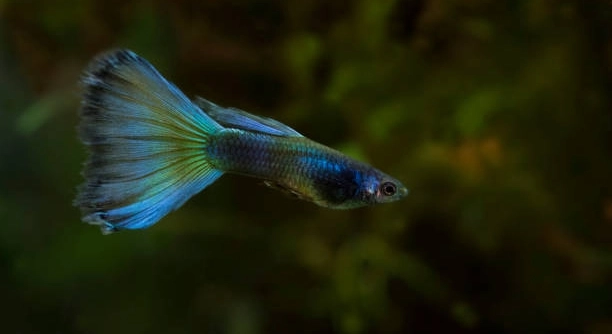
Guppies are popular aquarium fish known for their vibrant colors and playful nature. However, maintaining a healthy environment for them involves more than just providing food and shelter. Water quality plays a crucial role in their well-being.
Consistent water levels are essential for guppies because they help maintain stable water parameters, such as temperature and oxygen levels. Fluctuations can stress the fish, leading to weakened immune systems and increased susceptibility to diseases.
Ensuring a steady water level supports your guppies’ health and prevents issues that can arise from inconsistent environments. Knowing why this matters can make a big difference in creating a stable habitat for your fish.
Stable Water Levels Prevent Stress
When water levels fluctuate, it affects the balance of the aquarium. Guppies are sensitive to environmental changes, especially when it comes to water quality. Drops in water levels can cause their environment to become too warm or too cold, which is harmful. Temperature instability can lead to stress, making it harder for guppies to thrive. A stable water level helps keep the temperature in check, ensuring that guppies are comfortable. They rely on consistency, and any shift in their surroundings can make them more vulnerable to illness and poor growth.
Water changes that cause levels to drop can also lead to oxygen loss. Guppies need oxygen-rich water for proper breathing and healthy organ function. With fluctuating water levels, they might find it difficult to get the oxygen they need.
By maintaining stable water levels, you are offering your guppies a safer and more balanced environment. This stability allows them to focus on feeding, growing, and reproducing instead of spending energy coping with environmental stress. The difference in their health will be noticeable over time.
Prevents Harmful Bacteria Growth
Stable water levels play a part in controlling bacteria growth. When water is allowed to dip, it can affect filtration and water flow, causing waste to accumulate more easily. This creates a breeding ground for harmful bacteria. Proper maintenance of water levels ensures good water flow, making it easier for filters to do their job and reduce the chances of bacterial outbreaks.
A clean, well-maintained tank supports your guppies’ immune system and helps avoid disease.
Maintains Proper Filtration
Consistent water levels ensure your filter works efficiently. When the water level drops too low, the filter may not operate properly, leading to dirty water and increased waste buildup. This compromises water quality, which directly impacts your guppies’ health. A good filtration system removes harmful substances, keeping the environment clean and stable.
Without proper filtration, guppies can be exposed to toxins that accumulate in the tank. Inconsistent water levels can make it harder for the filter to process waste effectively. This can lead to poor water conditions, stressing the fish and potentially causing diseases.
By keeping the water level steady, the filtration system operates as intended, maintaining clear water and a healthier environment for your guppies. This helps prevent issues related to waste accumulation, ensuring your fish stay safe from harmful substances.
Ensures Consistent Oxygen Levels
Oxygen is essential for guppies’ survival, and stable water levels help maintain sufficient oxygen in the tank. Low water levels can reduce the oxygen supply, leaving guppies gasping at the surface. A steady water level, however, supports proper oxygen circulation throughout the tank.
Oxygen plays a crucial role in the metabolic processes of guppies. When the oxygen levels drop due to fluctuating water levels, guppies may experience stress, lethargy, and even difficulty breathing. This can severely impact their overall well-being and growth.
By maintaining consistent water levels, you help ensure that your guppies always have access to the oxygen they need to thrive. This simple action reduces the chances of oxygen depletion, promoting better health and activity levels in your fish.
Prevents Water Parameter Fluctuations
Water parameters like pH, hardness, and temperature can be easily disrupted by fluctuating water levels. A drop in water level can lead to a sudden shift in these parameters, causing stress for your guppies. Consistent water levels help keep these factors stable, ensuring your fish stay healthy.
Sudden changes in pH or temperature can weaken a guppy’s immune system, leaving them vulnerable to diseases. Stable water levels create an environment where guppies can adapt and thrive without being stressed by unexpected changes. This stability plays a significant role in their overall health.
Improves Reproductive Success
Guppies are known for their high reproduction rates, but they need a stable environment for successful breeding. Fluctuating water levels can disrupt their breeding habits, causing stress and lowering their chances of reproducing. A consistent water level supports the conditions necessary for guppies to breed effectively.
When guppies are under stress from unstable water conditions, they may stop breeding or produce fewer offspring. Maintaining a steady water level encourages a more suitable environment for them to breed naturally, increasing the likelihood of healthy fry.
FAQ
Why is maintaining a consistent water level so important for my guppies?
Consistent water levels ensure that the water parameters, like temperature and oxygen levels, remain stable. Guppies are sensitive to sudden changes, and any fluctuation can cause stress, weaken their immune systems, and make them more prone to illness. Keeping water levels steady helps create a healthier and more comfortable environment for them to thrive.
Can fluctuating water levels affect the oxygen levels in my tank?
Yes, fluctuating water levels can reduce the oxygen supply in the tank. When the water level drops too low, the surface area for gas exchange decreases, which makes it harder for oxygen to dissolve in the water. Stable water levels promote better oxygen circulation, ensuring your guppies can breathe easily and stay healthy.
What happens if the water level is too low for too long?
If the water level is too low for an extended period, it can cause several problems. The filtration system may stop working effectively, waste may accumulate, and the oxygen levels could drop. This leads to poor water quality, which can cause stress for the guppies, weaken their immune systems, and increase the risk of diseases.
How can I check if my water level is dropping too low?
One simple way to check the water level is by visually inspecting the tank. If the water line is lower than usual, it’s time to add more water. You can also use a water level indicator or simply monitor the filtration system to see if it’s functioning properly. Keeping an eye on your tank will help prevent any issues with low water levels.
How often should I check my tank’s water level?
It’s a good practice to check the water level regularly, at least once a week. If you notice any evaporation or changes, you can top up the water to maintain a stable level. Regular checks help you stay ahead of any potential issues and ensure your guppies are living in a healthy environment.
What should I do if the water level drops suddenly?
If the water level drops suddenly due to evaporation or water changes, add clean, dechlorinated water immediately. Avoid adding too much water at once, as sudden changes can stress the fish. It’s essential to maintain a gradual and steady water level to keep the environment stable.
Can I use a water level sensor for my tank?
Yes, using a water level sensor can help you monitor the water level more accurately. These sensors can alert you when the water is too low, allowing you to take action before the fish are affected. However, it’s still important to visually check the tank regularly to ensure everything is in order.
Does evaporation affect water levels in the tank?
Yes, evaporation can lower the water level over time, especially in tanks with high surface areas or in warmer environments. While evaporation is natural, it’s essential to keep an eye on the water level and top up the tank regularly to maintain stability for your guppies.
What is the best way to top up water in my guppy tank?
The best way to top up your tank is by adding dechlorinated water at room temperature. It’s crucial to use water that has been treated for chlorine and other harmful chemicals to avoid stressing or harming your guppies. Gradually adding small amounts will help keep the water level stable without disturbing the tank too much.
Can unstable water levels cause my guppies to stop breeding?
Yes, unstable water levels can cause stress and disrupt the breeding process. Guppies prefer a stable environment for mating and giving birth. When water levels fluctuate, guppies may not breed as often, and if they do, the fry may not survive in such conditions. Keeping water levels consistent helps support healthy breeding.
How do I ensure the water level stays consistent over time?
To maintain consistent water levels, perform regular water checks and add water as needed to compensate for evaporation. You can also use a lid to reduce the amount of water lost to evaporation, especially in warm or dry environments. Additionally, make sure your filtration system is running smoothly to avoid any issues with water flow or circulation.
Can consistent water levels prevent diseases in guppies?
Yes, maintaining stable water levels can help prevent diseases by reducing stress and keeping the water parameters in check. Stress from fluctuating water levels can weaken guppies’ immune systems, making them more susceptible to illnesses. Stable water levels contribute to a healthier, more resistant fish population.
What should I do if I notice the water level is too high?
If the water level is too high, it could lead to overflow and issues with water filtration. You can remove some water carefully to restore the level to its proper height. Avoid drastic changes, and ensure that the water is balanced according to your tank’s specifications.
Final Thoughts
Maintaining consistent water levels in your guppy tank is a key aspect of keeping them healthy and happy. These small fish are sensitive to environmental changes, and water fluctuations can easily cause stress. Whether it’s temperature, oxygen levels, or water quality, stability is crucial for their well-being. When the water level is stable, the overall conditions in the tank are more controlled, allowing guppies to grow and breed without unnecessary disruptions.
It’s important to monitor your tank regularly and make adjustments as needed. This might mean topping up the water to compensate for evaporation, or checking the water level after performing water changes. If the water level drops too low, it can affect your filtration system, oxygen circulation, and the overall quality of the water. If the level rises too high, it can lead to overflow or an improper balance in the tank. Keeping water levels steady is a simple yet effective way to ensure the fish live in an optimal environment.
Ultimately, the health of your guppies depends on a variety of factors, and water level is one of the most basic yet important aspects to keep track of. With just a little attention and regular maintenance, you can create a stable, thriving environment for your fish. By keeping their habitat consistent, you help protect them from stress, disease, and poor growth. This leads to happier, healthier guppies that can enjoy their home for years to come.

Hello,
If you enjoy the content that we create, please consider saying a "Thank You!" by leaving a tip.
Every little bit helps us continue crafting quality advice that supports the health, happiness, and well-being of pets around the world, for pets of all shapes, sizes, and species.
We really appreciate the kindness and support that you show us!