
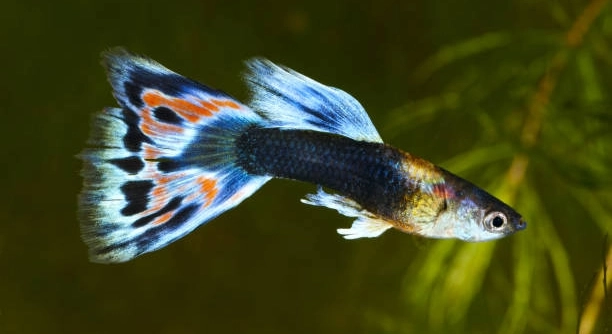
Guppies are small, colorful fish that make wonderful pets. However, their delicate nature requires careful attention to their living environment. One important factor for their well-being is maintaining a consistent temperature in their tank.
Guppies require stable water temperatures because sudden fluctuations can cause stress, weaken their immune systems, and lead to illness or death. Maintaining consistent temperatures ensures that guppies thrive and display their full potential in a healthy environment.
This article will explore the key reasons why consistent temperatures are essential for your guppy’s health. Understanding these factors will help ensure they live a long, happy life in your aquarium.
Consistent Temperatures Help Prevent Stress
Guppies are sensitive to changes in their environment, especially temperature shifts. If the water temperature fluctuates too much, guppies may feel stressed. This stress can make them more susceptible to diseases and can even shorten their lifespan. Guppies are happiest when the water stays within a certain range, typically between 72°F and 82°F. When the temperature is stable, they can focus on swimming, feeding, and thriving. Inconsistent temperatures can cause their metabolism to slow down or speed up, leading to unhealthy behaviors or conditions. Ensuring a steady temperature will go a long way in maintaining your guppy’s well-being.
To keep your guppies happy, investing in a reliable aquarium heater and thermometer is crucial. It will make sure they live in the right conditions, free from temperature-related stress.
When the water temperature is constantly changing, it prevents your guppy from adjusting its body functions properly. As a result, their immune system weakens, making them more vulnerable to infections. This constant strain can take a toll on your guppy’s overall health. Maintaining a consistent temperature ensures that they can stay active and healthy. Furthermore, guppies are less likely to hide, as they will feel more secure in their environment. A stable temperature is the foundation for a long, healthy life for your guppy.
Temperature Impacts Guppy Reproduction
Stable water temperature plays a vital role in guppy reproduction. When the temperature is consistent, female guppies are more likely to reproduce successfully. On the other hand, temperature shifts can cause complications with pregnancy or birth. Female guppies may delay giving birth or absorb their embryos if they feel stressed by unstable conditions.
Keeping the water temperature steady creates an environment where reproduction is more predictable and successful. The female guppy can carry and give birth to healthy fry without interference.
Temperature consistency also helps maintain the proper metabolic rates required for reproduction. If the water gets too cold, female guppies might not have the energy to care for their fry. If it’s too hot, fry may not survive the transition from egg to juvenile. A steady and moderate temperature ensures that guppy breeding goes smoothly, and both mother and fry stay healthy.
Consistent Temperatures Prevent Health Issues
When water temperature fluctuates, guppies are at risk of developing health issues. Conditions like swim bladder disease and fin rot can be triggered by sudden changes in temperature. Keeping the water stable helps avoid these problems, keeping your guppies active and healthy.
If your guppies experience regular temperature swings, their immune system weakens, and they become more vulnerable to bacterial and fungal infections. Healthy, stable water conditions allow guppies to maintain strong immune responses. Additionally, guppies that are stressed by temperature changes tend to have shorter lifespans. It’s best to provide an environment that stays within their preferred temperature range to reduce the risk of health complications. This not only improves the quality of life for your guppy but also minimizes the need for frequent treatments for illnesses.
Guppies’ Growth Depends on Stable Temperatures
The growth rate of your guppies is highly influenced by the temperature of their tank. If the temperature remains constant, guppies grow at a steady pace. On the other hand, temperature fluctuations can stunt their growth or cause them to grow too quickly, leading to health issues.
Young guppies, in particular, are sensitive to changes in their environment. Fluctuating temperatures can interfere with their development, causing them to grow unevenly or struggle to reach full size. A stable temperature promotes optimal growth, helping guppies reach their full potential. Furthermore, their energy levels and activity patterns improve when they live in a consistent environment. Healthy growth patterns contribute to their overall happiness and well-being, allowing them to thrive as vibrant additions to your aquarium.
Consistent Temperatures Reduce Aggression
When water temperature fluctuates, guppies may become more aggressive. Stress from temperature changes can make them feel threatened, leading to fighting or chasing. Maintaining a stable temperature helps keep them calm and reduces territorial behavior.
A consistent environment promotes peaceful behavior. Guppies are less likely to be aggressive when they feel safe and secure in their surroundings. Stable temperatures help create a more balanced aquarium dynamic, preventing the disruption of peaceful interactions.
Stable Temperatures Support Guppy Coloration
The colors of your guppies are influenced by their living conditions. Fluctuating temperatures can cause them to lose their vibrant hues. A steady temperature helps them maintain bright, beautiful colors, showcasing their full potential. Stable conditions also encourage healthy skin and fins.
When guppies experience consistent warmth, their metabolic processes work smoothly, supporting the expression of their natural colors. Stress or sickness from unstable temperatures can cause their colors to dull. By keeping the temperature stable, you allow your guppies to thrive in an environment that enhances their beauty.
FAQ
What is the ideal temperature range for guppies?
The ideal temperature for guppies is between 72°F and 82°F. Maintaining this range ensures that your guppies remain healthy and active. Temperatures outside this range can cause stress or affect their immune system. Keeping the water consistently within this range helps guppies thrive and reduces the likelihood of diseases.
Can sudden temperature changes harm my guppies?
Yes, sudden temperature changes can cause stress, weaken their immune systems, and even result in death. Guppies are delicate and need a stable environment to stay healthy. Gradual temperature changes, if necessary, are better tolerated, but sudden shifts can trigger shock, making them vulnerable to infections and other health issues.
How do I maintain a consistent temperature in my guppy tank?
The best way to maintain consistent temperature is by using a reliable aquarium heater and thermometer. Set the heater to maintain a steady temperature within the recommended range. Regularly check the thermometer to ensure the temperature is stable, especially during seasonal changes. A tank with a lid or cover can also help retain heat.
Can guppies survive in colder water?
While guppies can tolerate temperatures slightly below their ideal range, prolonged exposure to cold water can harm them. If the water temperature drops below 68°F, guppies will become sluggish, and their immune system will weaken. If you live in a colder climate, it’s crucial to use an aquarium heater to maintain the proper temperature.
Can guppies survive in warmer water?
Guppies can tolerate temperatures up to 84°F, but prolonged exposure to higher temperatures can cause stress. Warm water increases their metabolism, leading to faster consumption of oxygen and food, which may reduce their lifespan. To avoid stressing your guppies, ensure the temperature doesn’t exceed 82°F for long periods.
What signs indicate temperature stress in guppies?
Signs of temperature stress include sluggishness, gasping for air, loss of appetite, or hiding. You may also notice changes in their coloration or erratic swimming patterns. If the temperature fluctuates too much, they may show signs of illness or weakness. Keeping the temperature stable can help avoid these issues.
Can a water filter affect the tank’s temperature?
Yes, a water filter can influence the water temperature, especially if it has a built-in heater or is running too hot. Some filters can generate heat, causing the water temperature to rise slightly. However, it’s important to monitor the temperature regularly to ensure it stays within the optimal range for your guppies.
Should I use an aquarium thermometer?
Using an aquarium thermometer is essential for monitoring water temperature. It helps you ensure that the temperature is within the appropriate range for your guppies. Digital or floating thermometers are both effective choices, but a thermometer allows you to spot any temperature issues before they become a serious problem.
Can a heater overheat the water in my tank?
Yes, a malfunctioning or incorrectly set heater can cause the water temperature to rise above safe levels. This can lead to overheating, which is harmful to your guppies. It’s essential to use a reliable heater with a built-in thermostat and to regularly check the temperature to avoid overheating the tank.
How do I know if my guppies are too cold or too hot?
If your guppies are too cold, they may be sluggish, spend more time at the bottom of the tank, or swim slowly. In warmer conditions, they may appear to be gasping for air, swimming erratically, or staying near the surface of the tank. Both conditions indicate stress, and the temperature should be adjusted accordingly.
Is a stable temperature more important than a specific temperature?
Yes, maintaining a stable temperature is more important than reaching a precise number. Guppies adapt better to consistent temperatures, even if it’s a little outside the exact range, than to constantly changing water temperatures. Stability allows their metabolic and immune systems to function properly, reducing the chances of stress or illness.
What is the impact of high temperatures on guppies’ breeding?
High temperatures can speed up the breeding process, but it can also result in poor health or even death for both males and females. Overly warm water can cause the females to absorb their eggs instead of giving birth. To maintain healthy breeding conditions, keep the temperature within the ideal range and avoid extreme heat.
Can I use an aquarium chiller to cool down the tank?
If your tank water becomes too warm, an aquarium chiller is a viable option to lower the temperature. These chillers are designed to cool water efficiently and keep the tank temperature stable. Just ensure that you don’t lower the temperature too quickly, as drastic changes can cause stress to your guppies.
How often should I check the temperature of my tank?
It’s a good idea to check the temperature of your tank daily, especially if you’re using a heater or living in an area with fluctuating temperatures. Regular checks help you stay ahead of any issues that could arise from an unexpected temperature change. Having a thermometer inside the tank helps make this process easier.
Can inconsistent temperatures affect my guppies’ lifespan?
Yes, guppies living in inconsistent temperatures have a shorter lifespan. Constant temperature stress weakens their immune system, making them more vulnerable to disease and injury. By keeping the temperature consistent within their preferred range, you help maximize their lifespan and overall well-being.
Are there any temperature-related diseases in guppies?
Yes, fluctuating temperatures can lead to diseases like white spot disease (Ich), fungal infections, and fin rot. These illnesses are more likely when guppies are stressed due to temperature changes. Keeping the water temperature stable reduces the risk of these common diseases and helps maintain your guppies’ health.
How can I prevent temperature fluctuations in my tank?
To prevent fluctuations, use a good-quality heater and thermometer. Ensure your tank is in a location where the temperature is relatively constant and away from windows or direct sunlight. Avoid opening the tank lid too often and use a cover to maintain the water temperature. Regular maintenance of your tank’s equipment also helps prevent sudden changes.
Maintaining a consistent temperature in your guppy tank is key to their health and well-being. These small fish are sensitive to changes in their environment, and fluctuations in water temperature can cause stress and lead to a range of health issues. Stress from temperature swings can weaken their immune systems, making them more vulnerable to diseases. Guppies that experience constant temperature changes may also show signs of aggression or have trouble breeding. A stable environment is essential for helping them thrive in your aquarium.
To keep your guppies healthy, it’s important to regularly check the water temperature and ensure it stays within the ideal range of 72°F to 82°F. Using a reliable aquarium heater and thermometer will help you maintain this consistency. Avoid placing your tank in areas where it may experience temperature extremes, like near windows or air conditioning units. A small investment in quality equipment, such as a heater with a built-in thermostat, can make a big difference in the overall health of your fish. Regular monitoring ensures that your guppies stay active, vibrant, and free from temperature-related stress.
In the end, providing a stable temperature for your guppies is one of the simplest and most effective ways to care for them. Whether they’re young fry or full-grown adults, keeping their environment consistent helps them feel secure and healthy. A steady temperature supports their natural behaviors, promotes growth, and ensures they remain active and colorful. By taking these steps to maintain the right conditions, you’ll help your guppies live a long, happy life in their aquarium.

Hello,
If you enjoy the content that we create, please consider saying a "Thank You!" by leaving a tip.
Every little bit helps us continue crafting quality advice that supports the health, happiness, and well-being of pets around the world, for pets of all shapes, sizes, and species.
We really appreciate the kindness and support that you show us!