
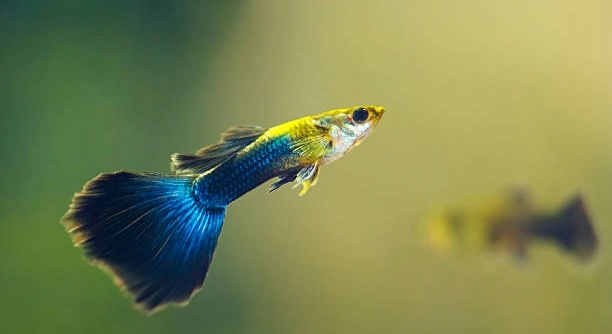
Guppies are small and vibrant fish that need special care to thrive in an aquarium. A key part of their well-being is the lighting they receive. Consistent lighting helps maintain their health and activity.
Consistent lighting is essential for guppies as it helps regulate their internal biological rhythms. Stable light conditions promote better growth, breeding, and overall health, while erratic lighting can lead to stress and weakened immune systems.
Maintaining consistent lighting can also boost their colors and energy levels. By learning how proper lighting affects guppies, you’ll be able to create an ideal environment for them to flourish.
1. Importance of Stable Light for Guppies
Guppies, like many other aquatic creatures, rely on light to regulate their daily cycles. Their body functions, including feeding and breeding, are tied to light. Without a consistent light schedule, guppies can become stressed, which affects their health. Proper lighting mimics their natural habitat, where day and night cycles are predictable. Too much or too little light can disrupt their internal clock, causing them to become disoriented and lethargic. This can also lead to poor breeding results and stunted growth.
A reliable lighting schedule encourages guppies to follow their natural behaviors. With consistent exposure to light and dark periods, they are more active and less likely to experience stress.
Without stable lighting, guppies may suffer from sleep deprivation, which affects their immune system and overall well-being. Over time, fluctuating light can lead to unhealthy fish that are prone to diseases. So, it’s important to provide them with regular light to help them feel secure and healthy.
2. How to Set Up Consistent Lighting
Creating a consistent lighting environment for your guppies can be done by using a timer for your aquarium light. Set the timer to ensure that the lights turn on and off at the same time each day. Ideally, guppies should have 10 to 12 hours of light each day.
This schedule mimics their natural light cycle, helping them stay active and healthy. Setting the light duration too long can be harmful, as guppies also need periods of darkness to rest. You can also consider using aquarium lights with adjustable settings to create the perfect light intensity for your fish. Bright lights are fine during the day, but dimming them at night helps maintain a natural rhythm.
By keeping the light consistent, you’ll support your guppy’s natural behaviors like swimming patterns and rest cycles. It also helps them maintain their vibrant colors. If you notice any signs of stress, you might need to adjust the light schedule or switch to a gentler light source.
3. The Role of Lighting in Breeding
Lighting plays a significant role in guppy breeding. When guppies are exposed to consistent lighting, they feel more comfortable and ready to breed. The right amount of light can trigger hormonal responses, encouraging breeding behaviors. Erratic lighting, on the other hand, can prevent guppies from reaching maturity or cause them to delay mating.
During breeding periods, guppies need a stable light environment to ensure they breed successfully. A balanced light cycle keeps them active and ready for reproduction. If the light schedule is irregular, guppies may become stressed and lose interest in mating. Breeding can be challenging, but proper lighting will make it easier for guppies to feel comfortable enough to reproduce.
Some aquarists use slightly increased light intensity during breeding periods to mimic longer days, which can stimulate guppies to spawn. However, maintaining the correct light-to-dark ratio is still crucial to avoid overwhelming the fish. A consistent light cycle helps to keep the balance right, promoting healthy reproduction.
4. Impact of Light on Guppy Colors
Consistent lighting helps bring out the full potential of your guppies’ colors. When their lighting conditions are stable, they display brighter and more vibrant hues.
The right lighting not only enhances the natural beauty of guppies but also ensures they maintain good health. With regular exposure to light, their colors stay vivid, which is a sign of well-being. Guppies under inconsistent lighting may appear dull or washed out.
Inconsistent lighting or exposure to overly intense light can cause stress, leading to faded colors. By providing stable light, guppies can grow healthy and vibrant, keeping their color patterns as striking as possible. A steady light environment also supports their growth and reduces the likelihood of illness.
5. Effects of Light on Guppy Growth
Lighting is directly linked to the overall growth of guppies. Guppies need light to stimulate their metabolism and promote healthy development. Without a consistent light cycle, their growth can be stunted.
A stable light schedule encourages proper feeding habits, as guppies are more likely to be active and alert during daylight hours. When their internal clocks are aligned with a predictable light cycle, they’re able to grow more efficiently. On the other hand, erratic lighting can cause stress, which slows their growth and impacts their health.
Ensuring that your guppies get consistent light at the right intervals is crucial for their growth. It not only affects their physical development but also supports their immune system. If you notice slow or uneven growth in your guppies, inconsistent lighting could be the cause. Keep the light levels regular to give your fish the best chance to thrive.
6. Consistent Lighting Reduces Stress
Stable lighting is key to reducing stress in guppies. When their light environment is predictable, they feel safer and more comfortable.
Erratic lighting can confuse guppies and lead to stress, making them more vulnerable to illness. This affects their behavior and overall well-being. By ensuring consistent light, you create a calmer atmosphere for your fish.
A calm environment helps guppies remain active and healthy. Stress can weaken their immune system and lead to diseases, making consistent lighting a simple but effective way to keep them safe.
7. Energy Efficiency with Timed Lighting
Using a timer for your aquarium lights is an energy-efficient way to maintain consistent lighting. It eliminates the need for manually turning lights on and off each day.
Timers allow you to set a precise light schedule, ensuring your guppies get the right amount of light while saving energy. This helps reduce electricity costs while keeping your fish healthy. A timer also ensures that lights are not left on longer than necessary, preserving the light cycle.
8. Adjusting Light for Different Needs
As guppies grow or go through different stages, their lighting needs may change. Newborn guppies might benefit from slightly dimmer light to help them adjust, while adults thrive with brighter light during the day.
Adjusting the light can help support specific needs, such as breeding or resting periods. Ensuring the right light conditions at different times promotes better overall health. Too much light can be overwhelming for young guppies, while adult guppies need adequate light to stay active.
By monitoring your guppies’ responses to different lighting conditions, you can create the ideal environment that promotes healthy growth and behavior.
FAQ
How much light do guppies need?
Guppies need about 10 to 12 hours of light each day. This mimics the natural light cycle they would experience in their native environments. Too much light can cause stress, while too little can interfere with their natural behavior. It’s best to use a timer to maintain a consistent light schedule.
Can guppies survive in low light?
Guppies can survive in low light for short periods, but it isn’t ideal for their health in the long term. Low light can cause them to become lethargic and affect their metabolism. For optimal health, guppies need a steady light-dark cycle to regulate their biological rhythms.
What type of light is best for guppies?
LED lights are the best option for guppy aquariums because they are energy-efficient and provide the right amount of light. They also don’t produce much heat, which can be beneficial for maintaining a stable water temperature. You can use daylight-spectrum bulbs, which closely mimic natural sunlight.
Does too much light harm guppies?
Yes, too much light can harm guppies. Prolonged exposure to intense light can stress them out, causing health issues like weakened immunity. Additionally, excessive light can promote algae growth in the tank, which can lead to poor water quality. It’s important to keep the light cycle balanced.
How can I tell if my guppies are stressed from light?
Stressed guppies may exhibit signs like erratic swimming, hiding more often, or appearing less active than usual. They might also lose their bright colors and appear dull or pale. If you notice these signs, it may be time to adjust the lighting schedule or intensity.
Can guppies breed with improper lighting?
Improper lighting can affect guppy breeding. Inconsistent light may cause stress or disrupt their natural breeding cycle, making it harder for them to reproduce. Guppies thrive with stable lighting that mimics the day-night cycle, which helps stimulate their breeding behaviors.
What happens if guppies don’t get enough dark periods?
If guppies don’t get enough darkness, it can disrupt their sleep patterns and internal clock. This may lead to stress, reduced activity, and weakened immune systems. It’s important to have a clear distinction between light and dark periods to help your guppies rest properly.
Can I use a dimmer for aquarium lights?
Yes, you can use a dimmer for aquarium lights, but it’s important to avoid frequent changes in light intensity. Guppies prefer consistent lighting, so sudden dimming or brightening could cause stress. A gentle dimming option might be beneficial during nighttime, but it should still be part of a steady light schedule.
Is it necessary to provide light at night for guppies?
It’s not necessary to provide light at night. In fact, guppies need a dark period to rest and reset their biological clock. Using a timer to ensure lights turn off at night will help maintain a healthy light-dark cycle and provide your guppies with the rest they need.
How do I adjust lighting for breeding guppies?
When breeding guppies, it can help to increase the light exposure slightly, simulating longer days. This can encourage breeding behaviors. However, it’s still important to maintain a day-night cycle with 10 to 12 hours of light each day, as too much light can cause stress and affect their health.
Do I need to change the light if I have baby guppies?
Baby guppies might need a little less light than adults, especially in the first few weeks of life. Dimmer light can help them adjust to their new environment without causing stress. As they grow, you can gradually increase the light intensity to match the needs of the adults.
Can I use sunlight for my guppy tank?
While sunlight can provide some natural light, it’s not the best option for guppies. Direct sunlight can cause fluctuating temperatures and excessive algae growth in the tank. It’s better to use controlled artificial lighting, which allows you to maintain a consistent and stable light schedule for your fish.
How do I maintain a consistent light schedule for guppies?
The easiest way to maintain a consistent light schedule is to use a timer. Set the timer for 10 to 12 hours of light each day, and make sure the light turns off at night. This ensures your guppies get regular exposure to light and darkness, promoting their health and well-being.
Can I use colored lights for guppies?
Colored lights can be used for aesthetic purposes but should not replace the natural light spectrum needed for guppies’ health. Guppies thrive best under white or daylight-spectrum lights, which mimic sunlight. Colored lights may not provide the proper intensity or spectrum to support their overall health and behavior.
How do I prevent algae from growing with aquarium lights?
To prevent algae growth, avoid leaving the lights on for too long each day. A consistent 10 to 12-hour light cycle is ideal. Additionally, ensure the light intensity isn’t too high, as strong light promotes algae. Regular cleaning and maintaining good water quality also help control algae growth.
Can LED lights affect the temperature of the water?
LED lights produce very little heat, so they won’t significantly affect the water temperature. This is one of the reasons they’re a great option for guppy tanks. They help maintain a stable environment by providing the right light without altering the water’s temperature, which is crucial for guppy health.
How can I tell if my guppy tank has too much light?
If your guppy tank has too much light, you might notice that the water starts to develop excessive algae growth. Guppies may also appear stressed, swimming erratically, or hiding more often. Dimming the lights and adjusting the light schedule can help correct this issue.
Final Thoughts
Consistent lighting is essential for the overall health and well-being of your guppies. It helps regulate their biological rhythms, encourages natural behaviors, and supports proper growth. When you provide stable lighting, guppies are less likely to experience stress, which can lead to a stronger immune system and more vibrant colors. A consistent day and night cycle allows them to rest properly, and this rest is just as important as their active time in the light. Without this balance, guppies may become lethargic, lose their brightness, and even experience difficulty in breeding.
Using the right type of light and maintaining a regular schedule helps replicate the conditions guppies would encounter in the wild. LED lights are a good choice because they are energy-efficient and provide the right intensity without producing too much heat. Setting up a timer ensures that the lights are on for the appropriate amount of time and turn off consistently at night. This minimizes any disruption to their internal clocks and prevents stress. It’s also important to note that too much light can be just as harmful as too little. Overexposure to light can lead to algae growth, poor water quality, and even stress in the fish.
By paying attention to the lighting in your tank, you are not only making the environment more comfortable for your guppies but also helping them thrive. Adjusting the lighting for breeding, monitoring the intensity of light, and keeping it consistent throughout the day can go a long way in supporting their health and activity levels. In the end, consistent lighting isn’t just about aesthetics or convenience—it’s a vital part of ensuring that your guppies remain happy, healthy, and vibrant in their aquarium.

Hello,
If you enjoy the content that we create, please consider saying a "Thank You!" by leaving a tip.
Every little bit helps us continue crafting quality advice that supports the health, happiness, and well-being of pets around the world, for pets of all shapes, sizes, and species.
We really appreciate the kindness and support that you show us!