
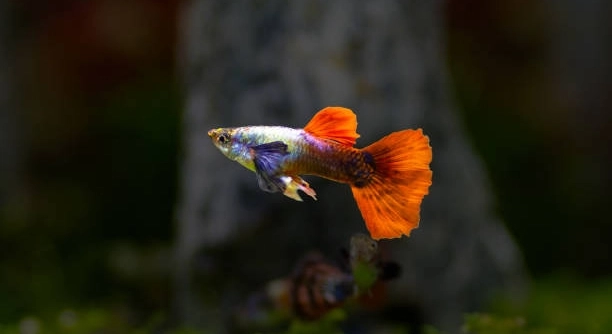
Are your guppies always eagerly waiting at the top of the tank, looking for food the moment you walk by? Maintaining a regular feeding schedule can help keep their routine predictable and their health on track.
Guppies need consistent feeding times to support their digestive health, regulate their behavior, and reduce stress. Irregular feeding can lead to poor eating habits, weakened immunity, and even aggression among tank mates, especially in community aquariums.
Establishing a routine helps support their daily activity, encourages healthy growth, and promotes a stable aquarium environment over time.
Consistent Feeding Supports Healthy Digestion
Guppies thrive when their feeding times are stable. Their small digestive systems function best with structure. Random feeding can lead to stress, bloating, or skipped meals. When fed at the same time daily, guppies become accustomed to a rhythm that promotes more efficient digestion. This also helps prevent overfeeding, as it’s easier to monitor portion sizes when feeding is part of a set routine. Just like humans feel better with a consistent eating schedule, guppies benefit from knowing when food is coming. It reduces anxiety and encourages them to eat calmly rather than in a frantic, stressed manner. Over time, consistent feeding strengthens their overall health and energy levels. Even younger guppies benefit from a schedule, helping them grow steadily and avoid dietary issues early on. Keeping their metabolism regulated through routine feeding makes tank maintenance easier and keeps your fish more active, social, and visibly content.
Keep meals light, regular, and spaced out to avoid digestive stress.
Feeding on a predictable schedule improves absorption of nutrients and gives their systems time to properly break down each meal, reducing the risk of health problems.
Routine Prevents Aggressive Behavior
Guppies often become aggressive or territorial when feeding patterns are inconsistent.
When food becomes unpredictable, guppies may compete more aggressively during mealtimes. This is especially true in community tanks where different species share the space. A consistent feeding schedule lowers the tension, as the fish learn there’s no need to fight for their share. Over time, they associate your presence with routine and not competition. This reduces fin nipping, chasing, and stress-induced behaviors. When all fish are fed at the same time each day, they become more relaxed, knowing food will always be available. It also helps you observe any changes in behavior more clearly, since you’re working from a structured baseline. If aggression does appear, it becomes easier to identify the cause and address it quickly. A set schedule turns feeding into a calm moment instead of a chaotic scramble. Your guppies will display better social behavior and show more vibrant colors when they’re not constantly competing.
Reduces Stress and Promotes Calm Behavior
Guppies feel more secure when they know food comes at the same time daily. Unpredictable feeding can lead to nervous behavior, making them more skittish or inactive throughout the day.
Stress in guppies often shows through sudden hiding, loss of appetite, or erratic swimming. When meals are consistent, guppies develop a sense of routine that helps them feel safe. Their environment becomes easier to predict, reducing the chance of stress-triggered illness. Guppies that aren’t worried about food availability are calmer and more responsive. This also helps their immune system stay strong. Feeding at the same time every day builds a habit that your guppies can rely on. In turn, they’ll be more confident and steady in their behavior. This kind of structure is especially helpful in tanks with new fish or shifting tank setups, as it helps maintain some stability even when other factors change.
Stable feeding schedules improve the entire tank’s atmosphere. With regular meals, guppies interact more peacefully and spend more time swimming openly. This can be especially noticeable in smaller tanks, where territory and space are limited. Without the added stress of unpredictable food, your guppies use their energy for exploring and social interaction rather than reacting to hunger or uncertainty. Calm fish are also easier to observe and enjoy. Keeping your feeding times regular not only helps with their physical health but also brings a sense of calm to their daily routine, making care easier for you too. It’s a small habit that brings steady benefits.
Helps Regulate Their Biological Clock
Feeding your guppies at the same time each day helps set their internal clock. This affects their activity patterns, rest times, and overall energy levels throughout the day.
A consistent routine keeps their sleep and feeding cycles balanced. This leads to better behavior and improved long-term health.
Encourages Better Eating Habits
Guppies that follow a routine are less likely to overeat or skip meals. With a predictable feeding schedule, they learn when to expect food and how much to eat. This supports healthy growth and reduces waste buildup in the tank. When meals are random, guppies may eat out of stress or miss feeding opportunities. Uneaten food then decays, affecting water quality and causing digestive issues. Regular feeding also helps you spot any sudden changes in appetite. If a guppy doesn’t eat during its usual time, it’s easier to notice and address any potential problems early. It keeps the entire feeding process more controlled.
Supports Tank Cleanliness
Consistent feeding helps limit leftover food. When guppies know when to eat, they finish their meals faster, leaving less to sink and rot.
FAQ
How many times a day should I feed my guppies?
Adult guppies should be fed once or twice a day. Feeding them in the morning and evening works well for most setups. This keeps their metabolism steady and gives them enough energy without overfeeding. For younger guppies or fry, feeding them 3 to 4 small meals a day helps support healthy growth. Keep portions small and avoid adding extra food if they haven’t finished the last feeding. Consistency in timing matters more than how often, as it helps them build a reliable eating pattern and reduces tank stress over time.
What’s the best time of day to feed guppies?
Morning and early evening are ideal. Guppies are most active during daylight hours, so feeding them shortly after the lights come on and again before they go off helps match their natural rhythm. Avoid feeding them too late at night or when they’re less active, as they might not eat right away. Once you choose a time, stick with it daily. Keeping this schedule supports their digestion, behavior, and energy levels. It also makes it easier for you to monitor their appetite and quickly notice if something changes.
Can inconsistent feeding harm guppies?
Yes, irregular feeding times can cause stress, poor digestion, and aggression. Guppies may become anxious if food doesn’t arrive when expected. This stress can lower their immune response, making them more prone to illness. Some may overeat when food finally appears, leading to bloating or constipation. Others may miss meals entirely if they’re not prepared to eat. Inconsistent feeding can also affect the tank’s balance. Uneaten food builds up and creates poor water conditions. Keeping their routine steady helps prevent these problems and makes tank care simpler for you.
Should I skip feeding guppies on some days?
Occasional fasting can be beneficial for adult guppies. Skipping one feeding day per week helps clear their digestive system, especially if they’ve been slightly overfed. However, this should be done on a routine basis, not randomly. Guppies adjust best to predictable patterns. For fry or very young guppies, fasting is not recommended. They need regular, small meals for steady growth. If you plan to fast your guppies once a week, keep that break on the same day each time to maintain their sense of structure and reduce stress.
Can I feed guppies while I’m away?
Yes, automatic feeders are a good option if you’re traveling. These devices release small, timed portions of food each day. Make sure to test the feeder before leaving to confirm it works properly. Another option is asking someone you trust to feed them, but give clear instructions and keep portions pre-measured. Guppies can survive short periods without food—up to 3 days for healthy adults—but routine is still important. If possible, avoid skipping more than one day. Keep feeding times close to their usual schedule to help reduce stress.
Why is my guppy not eating at its regular time?
Loss of appetite can be a sign of stress, illness, or poor water quality. First, check your tank parameters. Ammonia, nitrite, or temperature issues can affect appetite. If the water looks fine, observe the guppy’s behavior. Is it hiding, swimming strangely, or showing color changes? Illness or parasites could be the cause. Sometimes guppies also skip a meal due to stress from recent changes like new tank mates or a move. If it skips more than two feedings, monitor closely. Keep feeding at regular times so it knows food is available.
How long can guppies go without food?
Healthy adult guppies can go up to three days without food, though this isn’t ideal. Fry and younger guppies need regular feedings and shouldn’t be left unfed for more than 24 hours. While adult guppies can manage short fasts, routine is still essential for long-term health. Going too long without food can weaken their immune system and cause them to lose energy. If you’re going to be away, plan ahead with a feeder or helper. The less disruption to their routine, the healthier and calmer they’ll stay.
Final Thoughts
Feeding your guppies at consistent times each day does more than just keep them well-fed. It helps build a routine that supports their physical and mental health. Regular feeding times reduce stress, improve digestion, and support natural behavior. Guppies learn when to expect food, which keeps them calm and active. A clear schedule also helps you stay on top of their needs, making it easier to notice changes in appetite or behavior. It’s a simple habit that can lead to better water quality, fewer health issues, and a more stable aquarium.
A feeding schedule is especially helpful in a shared tank. When guppies know when to expect food, they are less likely to fight over it or rush to grab everything at once. This keeps the tank calmer and allows each fish to get a fair share. It also helps reduce leftover food that can sink, rot, and affect water levels. By feeding at the same times every day, you also keep track of how much they are eating. This makes it easier to avoid overfeeding, which can lead to bloating, constipation, and cloudy water. A little consistency can make your entire aquarium setup easier to manage.
Sticking to a schedule does not mean it has to be strict or complicated. Choose times that fit your routine—once or twice a day—and stay with them. You don’t need to follow a clock to the minute, but keeping the general timing the same helps your guppies stay balanced. If something changes, such as a trip or time away, plan ahead with an automatic feeder or ask someone you trust to help. The goal is to avoid large gaps or sudden changes. When feeding is part of the daily routine, guppies thrive. They become more active, more colorful, and easier to care for. It’s a small step that brings noticeable results over time.

Hello,
If you enjoy the content that we create, please consider saying a "Thank You!" by leaving a tip.
Every little bit helps us continue crafting quality advice that supports the health, happiness, and well-being of pets around the world, for pets of all shapes, sizes, and species.
We really appreciate the kindness and support that you show us!