
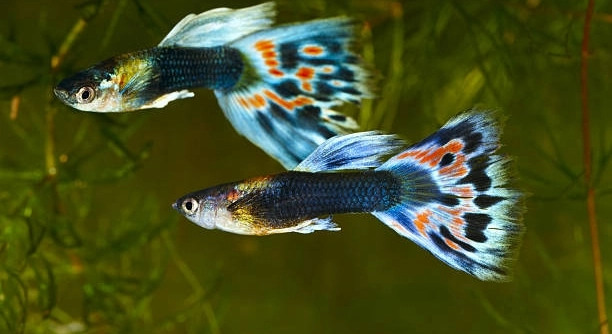
Guppies thrive in diverse environments. A varied habitat enhances their well-being, providing the necessary conditions for them to flourish. Exploring why these fish require a dynamic living space can help ensure a healthier, happier aquarium.
A varied habitat is essential for guppies because it mimics their natural environment, offering different levels of light, water movement, and hiding spots. This diversity encourages natural behaviors, reduces stress, and supports optimal growth and breeding.
Understanding the importance of creating a varied habitat will enhance your guppies’ quality of life.
Why Guppies Need a Varied Habitat
Guppies are small but highly active fish. In their natural habitats, they encounter a range of environments that include varying light, water movement, and plant life. This helps them feel secure and encourages natural behaviors. If kept in a monotonous environment, guppies can become stressed, leading to poor health and reduced life expectancy. A varied habitat ensures that guppies can engage in their natural activities, like exploring, hiding, and socializing, all of which are essential for their well-being.
The range of elements in their habitat is crucial. Providing places to hide, different lighting conditions, and appropriate water currents can reduce stress and improve their health.
Adding plants, rocks, and decorations in their tank mimics their natural environment. Guppies enjoy swimming around and exploring new spaces. Offering these features can reduce territorial behaviors and encourage social interactions. Furthermore, these changes promote physical exercise, which helps keep the fish in optimal condition.
Reduced Stress and Anxiety
A varied habitat helps reduce stress for guppies. Stressful environments with no hiding spaces or stimulation can cause anxiety, leading to unhealthy behaviors. Providing areas to explore and places to hide promotes relaxation. It allows them to retreat when they feel threatened and prevents constant stress, which improves overall health.
In their natural habitat, guppies swim through areas with varying light levels and water movement. Simulating these conditions in the tank can help create a balanced atmosphere. Additionally, plants and decorations provide security, giving them the opportunity to hide when necessary. This reduces stress by offering a sense of safety and predictability.
A stress-free environment is essential for guppies to thrive. It supports their immune systems and enables them to display normal, healthy behaviors. Without such conditions, guppies may become lethargic, or even fall ill. A variety of hiding spaces, gentle water flow, and a few live plants are effective ways to create a stress-free environment for your guppies.
Improved Breeding Conditions
Guppies thrive in environments that offer more than just basic water needs. Breeding conditions require additional space and areas where guppies can retreat. When guppies have access to diverse hiding places, such as plants and rocks, they feel safer during the breeding process. This leads to healthier and more successful breeding.
Recreating their natural environment supports breeding by offering secure locations for fry. These spaces act as protection against adult guppies that might eat their young. A varied habitat with plants, substrate, and rocks mimics the wild conditions where guppies often breed. By incorporating these elements, breeding becomes more likely, and the fry have a better chance of survival.
Furthermore, the quality of the water and lighting plays a key role. Guppies prefer warm water temperatures for breeding, along with mild water flow. Maintaining a stable environment is crucial for healthy reproduction. A varied tank setup gives guppies the proper space and environmental conditions needed for successful breeding.
Better Social Interaction
A varied habitat encourages social behaviors among guppies. When guppies have room to explore and hide, they are less likely to become aggressive. It promotes healthier interactions, such as schooling and grooming. These social behaviors strengthen bonds and prevent isolation, benefiting the overall community of fish in the tank.
Guppies are naturally social creatures and thrive when given the opportunity to interact. Providing hiding spots and varied spaces reduces territoriality and aggression. This setup allows guppies to feel more at ease, making it easier for them to coexist peacefully. When the environment mimics their natural habitat, social harmony is maintained.
Healthier Growth and Development
A diverse habitat impacts guppies’ growth. The variety of spaces encourages physical activity, which strengthens their muscles and improves their overall fitness. Guppies that are more active have better circulation and stronger immune systems. Offering varied conditions helps guppies develop to their fullest potential, promoting long-term health.
Being in a stimulating environment leads to active foraging and exploration. This helps guppies grow faster and stronger as they engage in more natural behaviors. Healthy physical activity is essential for development, and providing multiple hiding spots, plants, and other decorations encourages it. A varied habitat ensures they have a more enriched life, which positively affects their health.
Enhanced Tank Aesthetics
A varied habitat adds to the visual appeal of the tank. It creates a more natural environment, mimicking the way guppies would interact with plants, rocks, and other elements in their wild habitat. This setup not only benefits the fish but also improves the overall aesthetics of the aquarium.
FAQ
What kind of plants should I include in my guppies’ habitat?
Live plants such as Java Moss, Anubias, and Hornwort are great for guppies. These plants provide hiding spaces, oxygenate the water, and enhance the tank’s appearance. They also offer a safe spot for fry, protecting them from adult guppies. When selecting plants, consider ones that grow well in low to moderate light and can thrive in aquarium conditions.
How many guppies can I keep in one tank?
The general rule is one inch of fish per gallon of water. For guppies, this translates to about one fish for every two to three gallons of water. However, it’s important to consider the tank’s filtration system and the presence of other species. Overcrowding can lead to stress and poor water quality, which negatively affects your guppies.
Do guppies need a filtration system?
Yes, guppies need a filtration system to maintain clean and oxygenated water. Good water quality is essential for their health, preventing the growth of harmful bacteria and toxins. A reliable filter will help keep the tank environment stable and reduce the frequency of water changes. It’s also beneficial to have a filter that creates gentle water movement, as guppies are not strong swimmers.
How often should I change the water in a guppy tank?
Water changes should be done regularly to ensure guppies live in a clean environment. A partial water change of about 25-30% should be done every one to two weeks, depending on the tank size and filtration system. More frequent changes may be necessary if the tank is heavily stocked or if water quality is not maintained.
What type of substrate is best for guppies?
A soft substrate like fine gravel or sand is ideal for guppies. It allows for easy plant growth and doesn’t harm their delicate fins. Avoid sharp-edged gravel, as it can injure the fish. The substrate should also be deep enough to support plant roots if you’re adding live plants to the tank.
Can guppies live with other fish?
Yes, guppies are peaceful and do well in community tanks with non-aggressive fish. They can coexist with species like tetras, mollies, and platies. However, avoid keeping them with larger, aggressive fish that may view guppies as prey. When adding other fish to the tank, ensure there is enough space and hiding places for everyone.
How can I tell if my guppy is stressed?
Signs of stress in guppies include erratic swimming, loss of appetite, fading colors, or hiding excessively. Stress can be caused by poor water quality, overcrowding, or a lack of hiding spaces. If you notice any of these signs, check the water parameters and consider adding more plants or decorations to help them feel more secure.
What should I feed my guppies?
Guppies are omnivores, meaning they can eat a variety of foods. A balanced diet for guppies should include high-quality flake food, live or frozen foods like brine shrimp and daphnia, and occasional vegetable matter such as blanched spinach or peas. Overfeeding should be avoided, as it can lead to water quality issues.
Can I keep guppy fry in the same tank as adult guppies?
It is not recommended to keep guppy fry with adult guppies unless you have enough hiding spots or a separate breeding tank. Adult guppies may eat their young. To ensure survival, consider using a breeding box or separating the fry until they are large enough to join the rest of the tank.
What temperature should I keep my guppy tank at?
Guppies thrive in water temperatures between 74°F and 82°F (23°C and 28°C). It’s important to keep the temperature stable and avoid sudden changes, as this can cause stress and lead to health problems. A reliable aquarium heater can help maintain a consistent temperature in the tank.
Are guppies sensitive to water parameters?
Yes, guppies are sensitive to changes in water parameters such as pH, ammonia, nitrite, and nitrate levels. They prefer a slightly alkaline environment with a pH between 7.0 and 8.2. Regular water testing will help ensure the tank remains suitable for your guppies. Proper filtration and water changes are crucial for maintaining stable water conditions.
How can I prevent guppies from becoming aggressive?
Aggression in guppies can occur if the tank is overcrowded or lacks sufficient hiding spaces. To reduce aggression, keep a balanced ratio of males and females and provide enough room for each guppy to swim freely. Adding plants and decorations creates hiding spots, allowing guppies to retreat and feel safe.
Do guppies need UV lighting?
While guppies do not specifically require UV lighting, proper lighting is essential for their well-being. A standard aquarium light provides the necessary light for plants and encourages healthy activity. UV lighting can help prevent certain diseases, but it is not necessary for guppy tanks unless you’re dealing with specific health concerns.
What is the lifespan of a guppy?
The average lifespan of a guppy is around 2 to 3 years, although with proper care, some guppies can live longer. Their lifespan is influenced by factors like water quality, diet, and tank conditions. Regular maintenance, proper feeding, and minimizing stress will help extend their life expectancy.
How can I encourage guppies to breed?
To encourage guppy breeding, maintain a stable and suitable environment with plenty of hiding places and plants. Ensure that water conditions are optimal and provide a balanced diet. Mating is often triggered by water temperature and lighting, so slightly warmer water and natural light cycles can stimulate breeding behavior.
Final Thoughts
Creating a varied habitat for guppies is one of the most important steps to ensuring they thrive in an aquarium. Guppies are active and social fish that need different areas to explore, hide, and interact. By offering a combination of plants, rocks, and decorations, you allow your guppies to engage in natural behaviors like schooling, foraging, and even breeding. A diverse habitat not only makes the tank more visually appealing but also supports the fish’s health, ensuring they stay active and stress-free.
A varied environment also plays a key role in maintaining water quality. Plants help absorb excess nutrients, providing cleaner water, and live plants can assist in oxygenating the tank. Proper filtration combined with live plants creates a stable ecosystem where guppies can live comfortably. Additionally, hiding spots prevent overcrowding and reduce aggression, which is crucial for their well-being. Keeping these elements in balance makes it easier to maintain a healthy aquarium, which directly impacts the guppies’ overall happiness.
Lastly, don’t underestimate the impact of having a well-designed habitat. Guppies are small, colorful, and beautiful fish that deserve an environment where they can express their natural behaviors. By investing time in setting up a varied habitat, you’re not only improving their quality of life but also enhancing the beauty of your aquarium. A little extra effort in designing their home can lead to a happier, healthier, and more vibrant aquarium.

Hello,
If you enjoy the content that we create, please consider saying a "Thank You!" by leaving a tip.
Every little bit helps us continue crafting quality advice that supports the health, happiness, and well-being of pets around the world, for pets of all shapes, sizes, and species.
We really appreciate the kindness and support that you show us!