
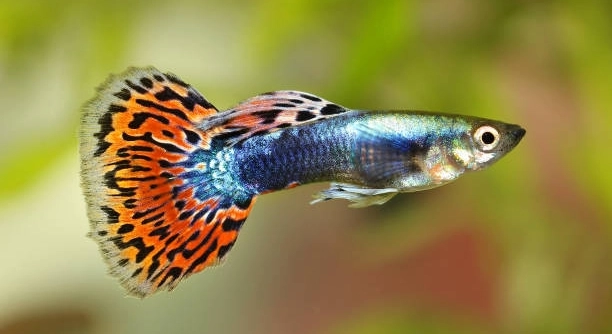
Guppies are vibrant and active fish that require specific conditions to thrive. One of the most important factors for their well-being is maintaining a stable pH level in their aquarium.
A stable pH level ensures that your guppies can absorb nutrients properly, maintain their immune system, and thrive in a healthy environment. Fluctuations in pH can cause stress, leading to poor health or even death in extreme cases.
Maintaining a stable pH can prevent several issues, from diseases to poor growth. Understanding how pH affects your guppies is key to keeping them healthy and happy.
Why pH Levels Matter for Guppies
A stable pH is crucial for guppies because it affects their health and ability to grow. If the water’s pH shifts too much, guppies can become stressed and more vulnerable to diseases. A balanced pH also helps guppies absorb the nutrients they need to stay healthy and vibrant. Consistent pH levels support proper growth, so the fish develop properly and reproduce successfully. For guppies to live a long and healthy life, maintaining the right pH range in the aquarium is essential.
A stable pH also plays a big role in keeping the guppies’ immune system strong. When the pH shifts drastically, it weakens their defense, making them more likely to get sick.
Changing pH levels often happen without warning and can cause immediate harm. A slight change can stress out guppies, leading to symptoms like faded colors, loss of appetite, and reduced energy. Over time, these changes may even shorten their lifespan. Ensuring that pH levels stay stable will allow guppies to flourish in a safe environment, preventing such stress and promoting overall health.
How pH Affects Guppy Behavior
Even small changes in pH can impact how your guppies behave. Stress caused by unstable pH levels may cause guppies to swim erratically or hide more than usual.
Stress from pH imbalances also makes guppies more likely to show signs of illness, including lethargy and loss of appetite. Guppies that are stressed are less likely to interact with each other and may seem unusually timid. Keeping their environment stable helps maintain normal behavior and activity levels. A happy guppy is an active guppy, swimming around and engaging with their surroundings. A healthy pH level supports this behavior.
Impact on Guppy Health
When the pH level fluctuates, guppies are more likely to become ill. It weakens their immune system and makes them more susceptible to infections or diseases. Keeping the pH stable minimizes these risks.
A stable pH ensures that guppies’ internal systems function properly. If pH levels are unstable, guppies may experience digestive issues, skin problems, or even organ failure. The fish’s body struggles to adapt to the changes, leading to stress and weakening overall health. Long-term imbalances could result in more severe health conditions, including deformities or death.
It’s important to test the water regularly to keep the pH in a suitable range for guppies. This small effort can prevent health issues from arising and help keep your fish active and thriving.
Breeding and Reproduction
Guppies are sensitive to changes in water conditions, including pH, which can directly affect their ability to breed. Fluctuations can prevent successful mating or reduce the chances of healthy offspring.
When the pH is stable, guppies are more likely to reproduce successfully. A balanced environment encourages natural breeding behavior and improves the health of both the adult fish and their young. Guppy fry thrive better in a stable pH, growing faster and stronger.
If the pH drops or rises dramatically, it can stress the adults, causing them to stop breeding. Additionally, if the pH changes during the breeding process, it can lead to unsuccessful pregnancies or weak fry. Keeping the water conditions stable encourages healthy breeding and increases the chances of producing healthy offspring.
Stress and Behavior Changes
When pH levels change suddenly, guppies can become stressed. This affects their behavior, making them act out of the ordinary, such as hiding or swimming erratically.
A stressed guppy might stop eating, become lethargic, or swim near the water surface. These behaviors indicate the fish is uncomfortable with its environment. Stable pH levels prevent such issues, helping guppies feel secure and calm in their tank.
Water Quality and Filtration
Proper water filtration and regular cleaning go hand-in-hand with maintaining a stable pH. A good filter removes waste that can affect the pH level.
If water quality deteriorates, pH imbalances are more likely to occur. Regular maintenance keeps the tank clean and free of harmful substances, allowing your guppies to live in a healthy, stable environment. A proper filter ensures the water remains optimal for their health, avoiding sudden pH shifts.
FAQ
How can I test the pH level in my tank?
You can test the pH level using aquarium test kits, which are available in both liquid and strip formats. These kits are easy to use and provide quick results. Liquid kits typically give more accurate readings, but strips are convenient for regular checks. Follow the instructions on the package to ensure accurate testing. It’s a good idea to test your tank’s pH at least once a week, especially if you notice signs of stress in your guppies.
What is the ideal pH level for guppies?
The ideal pH for guppies is between 6.8 and 7.8. This range mimics their natural habitat, ensuring they remain healthy and active. However, it’s best to keep the pH as stable as possible within this range to avoid stressing the fish. A slight variation in pH is acceptable, but large shifts can cause harm to your guppies. If you’re unsure of the exact pH, aim for the middle of this range.
What happens if the pH drops too low?
If the pH drops too low, it can lead to acidic water, which harms guppies. When the water becomes too acidic, it can cause damage to their gills, affect their ability to absorb nutrients, and make them more susceptible to diseases. Low pH can also impact their behavior, causing them to become sluggish or more withdrawn. You may notice them swimming near the surface or hiding more often.
What happens if the pH rises too high?
A high pH level creates alkaline water, which can have similar negative effects. Guppies may experience problems with their organs, and their skin and fins might become damaged. High pH levels also make it difficult for guppies to absorb oxygen properly, leading to respiratory problems. As with low pH, changes in behavior such as lethargy or erratic swimming may occur.
How can I raise or lower the pH safely?
If you need to raise the pH, you can use alkaline buffers or crushed coral in your filter, which gradually increases the pH. For lowering pH, adding driftwood, Indian almond leaves, or using pH-lowering chemicals can help. Always adjust the pH slowly to avoid shocking your guppies. Sudden changes in pH can stress the fish and lead to health issues. It’s important to make changes incrementally and monitor the pH regularly.
Can I use tap water for my guppy tank?
Tap water can be used for your guppies, but it’s important to check its pH before adding it to the tank. Most tap water has a pH that falls between 7 and 8, which is acceptable for guppies. However, the pH of tap water can vary depending on your area. You might also need to treat the water to remove chlorine and other chemicals that could harm your fish. Consider using a water conditioner to make tap water safer for guppies.
How often should I change the water in the tank?
Water changes should be done regularly to maintain stable pH levels. Aim for a 25-30% water change every week. This helps remove excess waste and keeps the water fresh for your guppies. Changing the water regularly also prevents the accumulation of harmful chemicals that can affect pH levels. Be sure to test the new water before adding it to ensure it has a stable pH level.
Can other fish in the tank affect the pH for guppies?
Yes, different fish species produce different waste products, which can affect the pH level of the water. Some species, like goldfish, produce more waste, which can lower the pH over time. If you’re keeping multiple species, it’s important to monitor the pH regularly. Guppies may tolerate slightly different pH ranges than other fish, but keeping the water stable for all species is important for their health.
Why is it important to keep the pH stable?
Guppies are sensitive to pH fluctuations, and unstable water conditions can cause stress, leading to poor health and behavior changes. A stable pH allows guppies to thrive by supporting their immune system, digestion, and overall well-being. Regular monitoring and maintenance of pH levels prevent issues like disease outbreaks, poor growth, or even death in extreme cases.
Can the pH of my tank fluctuate naturally?
Yes, some natural fluctuations can occur, especially in tanks with live plants or certain substrates. For example, the addition of new plants, decomposing organic matter, or a change in temperature can slightly affect pH. However, large fluctuations are not ideal for guppies. It’s important to monitor and stabilize the pH to ensure a consistent environment. Keeping the tank well-maintained and avoiding overfeeding can help minimize drastic pH changes.
What is the best filtration system to maintain pH stability?
A good filtration system helps remove excess nutrients and waste that can cause pH imbalances. Canister filters and hang-on-back filters are popular choices for maintaining water quality. A filter with a biological component is especially helpful for breaking down harmful substances in the tank. Choose a filter that suits your tank size and ensure it’s cleaned regularly to avoid buildup, which can impact the pH.
Maintaining a stable pH level is one of the most important aspects of keeping your guppies healthy. A stable pH ensures that your guppies can thrive in their environment, absorbing nutrients properly and staying strong. Sudden changes in pH, whether high or low, can cause stress, making your guppies more vulnerable to illness and affecting their overall behavior. By paying attention to the pH level and keeping it within the ideal range, you can help prevent these issues and give your guppies the best chance to grow and thrive.
Regular testing of your tank’s water is key to keeping the pH level stable. There are simple test kits available that allow you to check the pH quickly and easily. Testing once a week is a good practice, especially if you’re noticing any signs of stress in your guppies. If you do need to adjust the pH, make sure to do it gradually, as drastic changes can harm your fish. Using safe and gradual methods for adjusting the pH, such as adding natural materials like driftwood or using aquarium-safe pH buffers, can keep the water within the optimal range for your guppies without causing harm.
In addition to monitoring pH, other factors like water quality and tank maintenance also play a role in creating a stable environment. Regular water changes, proper filtration, and removing any waste build-up can prevent harmful shifts in pH. Keeping your tank clean and ensuring that all water parameters are stable will support the health of your guppies and reduce the risk of pH fluctuations. By combining all these efforts, you can create an ideal habitat for your guppies to live happily and healthily for a long time.

Hello,
If you enjoy the content that we create, please consider saying a "Thank You!" by leaving a tip.
Every little bit helps us continue crafting quality advice that supports the health, happiness, and well-being of pets around the world, for pets of all shapes, sizes, and species.
We really appreciate the kindness and support that you show us!