
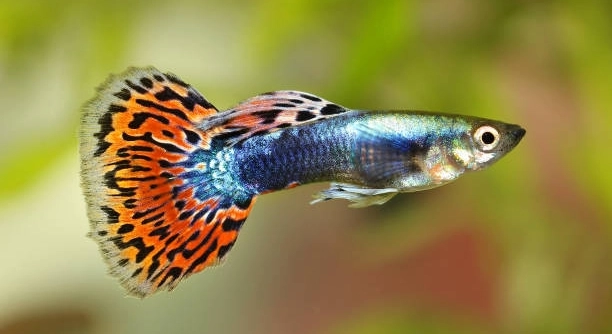
Guppies are delicate fish that thrive in stable environments. These small, colorful creatures are sensitive to changes in their surroundings, which can affect their health and happiness. Understanding how to create a stable habitat is essential.
A stable environment is crucial for guppies as it ensures their well-being. Consistent water temperature, pH levels, and cleanliness are key to keeping them healthy. Fluctuations can cause stress, which weakens their immune system and leads to health issues.
With proper care and attention, your guppies will flourish in their aquatic home. Maintaining a stable environment helps prevent stress and promotes longer, healthier lives for these vibrant fish.
Stable Water Temperature
Maintaining a steady water temperature is essential for guppies. These fish are sensitive to sudden temperature changes, which can cause stress and even death. Guppies thrive in water that stays between 72°F and 82°F (22°C to 28°C). If the water gets too cold or too hot, they may stop eating, become sluggish, or develop diseases. A good aquarium heater can help maintain a consistent temperature. It’s also important to regularly check the temperature with a reliable thermometer to avoid any surprises. Keeping the water within the ideal range ensures your guppies stay active and healthy.
Guppies prefer stable temperatures that mimic their natural environment. Rapid shifts can harm their immune system, making them more vulnerable to illness. A stable tank temperature promotes their overall health and activity level.
In addition to temperature stability, guppies are more likely to breed successfully in a consistent environment. Unpredictable temperature swings can lead to stress, reducing their chances of reproducing. By maintaining a steady temperature, you’re helping create the best conditions for guppy growth, behavior, and breeding. This stability reduces the risk of health problems and encourages natural, happy behaviors in your fish.
Consistent Water Quality
Water quality directly impacts your guppies’ well-being. Regularly test the water for ammonia, nitrites, and nitrates, ensuring they are kept at safe levels. Poor water quality causes stress, which can lead to illness. Keeping the water clean with regular water changes is crucial.
One of the easiest ways to maintain good water quality is by using a filtration system. Filters remove debris, uneaten food, and waste, which helps maintain a balanced ecosystem for your guppies. Additionally, always avoid overcrowding the tank, as this can overwhelm the filtration system and cause water quality to decline. Keeping the tank clean, along with proper filtration, creates a healthier environment for your guppies to thrive in.
Regular water changes, at least once a week, also prevent the build-up of harmful substances in the tank. When performing water changes, be sure to use a water conditioner to remove chlorine or chloramines, which can harm your fish. You can test water quality with an easy-to-use kit, which helps track ammonia levels, pH, and nitrate concentrations. Regular water maintenance ensures your guppies live in a safe and clean environment. By keeping the water quality stable, you help protect their health for the long term.
Stable pH Levels
Guppies need stable pH levels to stay healthy. The ideal pH range for guppies is between 7.0 and 8.0. If the water is too acidic or alkaline, it can cause stress and harm their internal systems. Regularly check the pH using test kits and adjust if necessary.
If the pH level fluctuates too much, it can weaken your guppy’s immune system and make them prone to infections. Using buffers can help maintain stable pH levels in the tank. It’s also important to make gradual changes to avoid shocking the fish. Sudden changes in pH can be more harmful than if the levels are consistently slightly off.
To adjust pH levels, use products specifically designed for aquarium use, and remember that stability is more important than drastic changes. It’s better to maintain the water’s pH within a narrow range than to constantly adjust it. Monitoring your guppy tank regularly for pH imbalances can prevent serious health issues.
Proper Lighting
Proper lighting in the tank is crucial for guppies. They need a consistent light-dark cycle to maintain a healthy biological rhythm. Avoid leaving the light on too long or too short, as this can disrupt their natural behavior.
Guppies do best with about 10-12 hours of light each day. This mimics their natural day and night cycle. A timer is a helpful tool to ensure the light stays on and off for the right amount of time. Too much light can lead to algae growth and stress for your fish.
Additionally, the intensity of the light matters. Overly bright lighting can make guppies feel stressed or uncomfortable, especially in smaller tanks. Choosing the right aquarium light will not only help your guppies feel secure but also promote healthy tank conditions. This balance of lighting will encourage natural behaviors and minimize stress.
Stable Tank Environment
A stable tank environment means keeping your guppies in a space where things don’t change too often. Consistent water temperature, clean water, and the right conditions help your guppies feel safe. Sudden changes, even small ones, can stress them out and affect their health.
Making sure your guppies have a calm and consistent environment allows them to thrive. This means avoiding drastic changes in water parameters, such as temperature or water quality. A filter, regular water changes, and monitoring all elements carefully will ensure a stable and healthy habitat for your fish.
Proper Tank Size
A proper tank size is important for guppy health. A tank that’s too small can lead to overcrowding, which causes stress and poor water quality. A minimum of 10 gallons is ideal for a small group of guppies.
Larger tanks provide more stability in terms of water parameters, reducing the risk of drastic changes. Guppies need space to swim freely and stay active. Overcrowding can lead to aggression and the spread of diseases, so providing the right amount of space is essential for their well-being. A well-sized tank also makes it easier to maintain water quality, ensuring your guppies stay healthy for a longer time.
Stress-Free Environment
Stress affects guppies in many ways. It weakens their immune system, making them more likely to get sick. Keeping your guppies in a peaceful, quiet environment reduces the chances of stress. Loud noises or sudden movements near the tank can cause anxiety.
To reduce stress, avoid overcrowding and provide plenty of hiding spots. Plants, decorations, and smooth surfaces in the tank give your guppies places to retreat when they need to feel safe. Regular feeding routines also help them feel secure, as they know what to expect. Making their environment calm is key to their health.
FAQ
How often should I change the water in my guppy tank?
You should change about 25-30% of the water in your guppy tank every week. Regular water changes help remove waste, excess food, and toxins, ensuring a cleaner and healthier environment. If your tank is smaller or more crowded, you may need to change the water more frequently. Use a water conditioner to neutralize chlorine and chloramines during water changes to avoid harming your fish.
Can guppies live in a small tank?
While guppies can survive in smaller tanks, it’s not ideal for their long-term health. A tank that’s at least 10 gallons gives them more space to swim and keeps the water quality stable. Smaller tanks are harder to maintain, and guppies may feel stressed due to overcrowding. A larger tank offers better filtration and makes it easier to keep water conditions in check.
What is the best temperature for guppies?
The best water temperature for guppies is between 72°F and 82°F (22°C to 28°C). Keeping the temperature in this range promotes healthy metabolism and reduces stress. Avoid temperature fluctuations, as guppies are sensitive to rapid changes. Use an aquarium heater to maintain a consistent temperature, especially in cooler rooms.
How many guppies can I keep in a 10-gallon tank?
A 10-gallon tank can comfortably house 5 to 8 adult guppies. Overcrowding can lead to poor water quality and stress. Guppies are social creatures, so it’s best to keep at least a few together, but remember to consider their growth and the filtration system’s capacity to handle the bioload. Keeping a balanced number of guppies ensures they have enough space to thrive.
Do guppies need a filter?
Yes, guppies do need a filter. A filter helps maintain good water quality by removing waste, uneaten food, and debris. It also keeps the water oxygenated, which is essential for guppy health. Without a filter, harmful toxins can build up, leading to poor water quality and health issues for your fish.
Can I use tap water for my guppies?
Yes, you can use tap water, but it must be treated first. Tap water often contains chlorine or chloramines, which can be harmful to guppies. Use a water conditioner to remove these chemicals before adding the water to the tank. Additionally, test the water’s pH, hardness, and temperature to ensure it is within the safe range for your guppies.
What should I feed my guppies?
Guppies are omnivores, so they can eat a variety of foods. A balanced diet includes high-quality fish flakes or pellets, supplemented with live or frozen foods like brine shrimp, daphnia, or bloodworms. Occasionally, you can add blanched vegetables like spinach or zucchini. Be sure to remove any uneaten food to prevent water pollution.
Why are my guppies not breeding?
If your guppies aren’t breeding, check the water conditions first. Guppies prefer water temperatures between 75°F and 82°F (24°C to 28°C) for breeding. Also, ensure there are enough males and females in the tank—ideally, at least one male for every two or three females. If the water quality is poor or there’s too much stress in the tank, guppies may stop breeding.
What are the signs that my guppies are stressed?
Stressed guppies may show signs like erratic swimming, hiding more than usual, or darting around the tank. Their colors may fade, and they might stop eating or become more aggressive. Stress can also lead to health problems, so it’s essential to keep the tank environment stable and avoid sudden changes in water conditions.
How do I prevent disease in my guppies?
Maintaining stable water quality, a proper diet, and a clean tank are the best ways to prevent disease. Quarantine new fish before introducing them to the tank to prevent the spread of illnesses. If you notice signs of disease, such as white spots, lesions, or sluggish behavior, isolate the affected fish and treat them promptly.
Do guppies need a lot of light?
Guppies do best with 10 to 12 hours of light per day. This mimics their natural environment and helps regulate their biological clock. Too much light can cause algae growth and stress, while too little light can lead to inactive or lethargic behavior. A timer for the aquarium light can help maintain consistency.
Can guppies live with other fish?
Yes, guppies are generally peaceful and can live with other fish. However, they should be housed with non-aggressive species that won’t nip at their fins. Good tank mates for guppies include other small, peaceful fish like tetras, mollies, or platies. Avoid aggressive species like cichlids or larger fish that may bully them.
How do I know if my guppies are healthy?
Healthy guppies are active, have bright colors, and swim steadily. They should have a full, round belly and clear eyes. Look for signs of disease, such as spots on their skin, torn fins, or unusual behavior like lethargy or loss of appetite. A healthy guppy is curious and social, often swimming around and interacting with others in the tank.
Final Thoughts
Creating a stable environment for your guppies is the key to their health and happiness. These small fish are quite sensitive to changes in water conditions, so consistency is important. By keeping the water temperature, quality, and pH levels within the proper ranges, you provide your guppies with the best possible living conditions. Regular maintenance, such as water changes, filter cleaning, and monitoring water parameters, helps ensure your fish thrive in a stress-free environment. When their home is stable, guppies can focus on what they do best—swimming, interacting, and breeding.
In addition to the physical conditions, guppies benefit from a calm environment. Avoid overcrowding the tank, as it can cause stress and lead to poor water quality. Providing hiding spots and keeping their space peaceful helps them feel secure. A good light cycle also plays a role in their well-being, promoting natural behaviors and reducing stress. By paying attention to these factors, you can prevent many common health issues and keep your guppies active and happy.
In the end, guppies are relatively easy to care for if their environment is stable and properly maintained. With the right conditions, these colorful fish can live long, healthy lives. While they are resilient, they thrive best when their needs are met consistently. So, if you’re dedicated to ensuring a balanced, clean, and stable habitat, your guppies will likely reward you with vibrant colors and active behavior. A stable environment isn’t just about avoiding problems—it’s about creating a space where your guppies can live their best lives.

Hello,
If you enjoy the content that we create, please consider saying a "Thank You!" by leaving a tip.
Every little bit helps us continue crafting quality advice that supports the health, happiness, and well-being of pets around the world, for pets of all shapes, sizes, and species.
We really appreciate the kindness and support that you show us!