
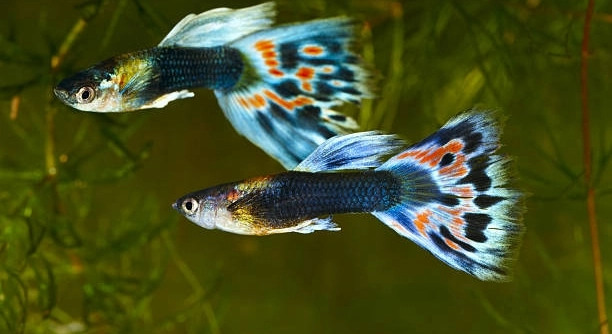
Guppies are popular aquarium fish known for their vibrant colors and lively behavior. Many people keep them as pets, but it’s essential to ensure they thrive in a healthy environment. A proper ecosystem is key to their well-being.
Guppies require a balanced ecosystem for their health and longevity. Factors such as water quality, temperature, food, and tank mates all contribute to a stable environment that supports their natural behavior and ensures their survival.
A healthy ecosystem can make all the difference in the growth and happiness of your guppies. By creating the right environment, you can help them thrive and enjoy their colorful displays for years to come.
Importance of Water Quality for Guppies
Water quality is one of the most important factors for guppies. Clean, well-maintained water helps prevent diseases, promotes healthy growth, and allows guppies to thrive. Water that’s too dirty or has imbalanced levels of chemicals can harm their sensitive bodies. It’s crucial to check for ammonia, nitrites, and nitrates regularly, as these can quickly reach harmful levels.
Using a filtration system will help keep the water clean by removing debris and waste. Regular water changes also support guppy health, but it’s important to change only a portion of the water at a time to avoid shocking the fish. The ideal water temperature for guppies is between 72°F and 82°F. If the water is too cold or too warm, guppies may become stressed, reducing their life span.
Maintaining proper water quality doesn’t have to be complicated. Investing in a reliable water testing kit, setting up a good filtration system, and keeping an eye on the temperature can keep your guppies safe and healthy. Regular maintenance will ensure the ecosystem is balanced and stable, so your guppies can grow and thrive without worry.
Proper Feeding Habits for Guppies
Feeding your guppies the right amount of food at the right time is essential for their well-being. Overfeeding can lead to poor water quality and obesity, while underfeeding can cause malnutrition.
Guppies are omnivores and thrive on a varied diet that includes both plant and animal matter. You can feed them high-quality flake food, frozen or live food such as brine shrimp or daphnia, and even small pieces of vegetables like spinach. Offering a range of foods not only keeps them healthy but also mimics their natural diet in the wild.
Feeding guppies once or twice a day is usually sufficient. Be sure to remove any uneaten food to avoid polluting the water. Overfeeding is a common mistake, so it’s important to observe their eating habits and adjust accordingly. Healthy, well-fed guppies will show vibrant colors and active behavior, indicating they are in a stable ecosystem.
Proper Tank Size for Guppies
The size of the tank plays a significant role in the health of your guppies. A tank that’s too small will lead to overcrowding, which stresses the fish and can result in poor water quality. Guppies need space to swim freely and avoid territorial disputes.
A 10-gallon tank is usually the minimum size for a small group of guppies. With more space, water conditions stay more stable, and the fish have plenty of room to move around. If you plan on keeping several guppies or other species, consider a larger tank. The more space they have, the healthier and more active they’ll be. Additionally, a larger tank makes it easier to maintain good water quality.
Having the right tank size is essential for guppies to thrive. The right environment allows them to display their natural behaviors, grow properly, and enjoy a longer life. A spacious tank, combined with proper water management, will lead to a happier and healthier aquarium.
Tank Mates for Guppies
Guppies are peaceful fish and can live harmoniously with many other species. However, selecting compatible tank mates is important to ensure a peaceful environment. Aggressive fish can harm or stress your guppies, leading to illness or even death.
Good tank mates for guppies include other peaceful fish like mollies, tetras, and platies. Avoid keeping them with larger or more aggressive species, as they may see guppies as prey or disrupt their calm nature. Also, make sure to introduce new fish gradually and monitor their interactions to prevent conflicts.
Choosing the right tank mates helps maintain a healthy and balanced ecosystem in your aquarium. Guppies thrive best when surrounded by peaceful fish, as they feel safe and secure. Always research potential tank mates before adding them, ensuring compatibility for a smooth, stress-free environment.
Light Conditions for Guppies
Guppies need proper light to maintain their health and vibrant colors. Too much light can stress them out, while too little can affect their activity levels and feeding behavior. Providing natural or artificial light helps regulate their day-night cycle.
A timer for the light can help maintain a regular schedule. Aim for 10-12 hours of light per day. This mimics their natural habitat and ensures your guppies get enough rest during the dark period. Too much light can encourage algae growth, so balance is key for a healthy ecosystem.
pH Levels in the Aquarium
Guppies prefer a slightly alkaline environment. The ideal pH level for them is between 7.0 and 8.0. If the water is too acidic or too alkaline, it can affect their health and behavior. Regularly testing the pH is important.
Maintaining a stable pH level is essential for guppy health. Sudden fluctuations in pH can stress the fish, causing illnesses or even death. Make sure to monitor the pH regularly and adjust if needed. Using buffering agents or adding natural decorations like coral can help keep the pH in the ideal range.
FAQ
What should I feed my guppies?
Guppies are omnivores, so a varied diet is important. You can feed them high-quality flake food, pellets, and live or frozen food like brine shrimp or daphnia. Vegetables like spinach or zucchini are also good options. Offer different types of food regularly to mimic their natural diet and keep them healthy. Be sure to remove any uneaten food after a few minutes to prevent water contamination.
How often should I feed my guppies?
Feed your guppies once or twice a day. They don’t need large amounts of food, so a small pinch of food per meal is sufficient. Overfeeding can lead to poor water quality, so monitor how much they eat. If they finish eating quickly, you can offer more food, but always be cautious not to overfeed.
Can guppies live with other fish?
Yes, guppies are peaceful and can live with many other species. However, avoid pairing them with larger or more aggressive fish. Good tank mates include mollies, tetras, and platies. Always do research before introducing new fish to ensure compatibility. Be mindful of any aggressive behaviors and separate them if needed.
What is the best water temperature for guppies?
Guppies thrive in temperatures between 72°F and 82°F (22°C – 28°C). If the water is too cold, they may become sluggish and vulnerable to illness. If the water is too hot, it can cause stress, leading to disease. Use a reliable aquarium heater to maintain a stable temperature.
How do I know if my guppies are stressed?
Stressed guppies may show signs such as swimming erratically, hiding more than usual, or having a loss of color. Stress can be caused by poor water quality, inappropriate tank mates, or changes in the environment. Make sure their water is clean, their tank mates are compatible, and the temperature is consistent to reduce stress.
Do guppies need a filter?
Yes, a filter is essential for maintaining water quality. It helps remove debris, excess food, and waste from the water, preventing harmful toxins from building up. A good filter will help create a stable and healthy environment for your guppies. Be sure to clean the filter regularly to keep it working efficiently.
How often should I change the water in my guppy tank?
It’s recommended to change 20-30% of the water every week to maintain clean conditions. This prevents toxins like ammonia and nitrates from building up, which could harm your guppies. Always use a water conditioner to remove chlorine or chloramine from tap water, as these chemicals can be harmful to fish.
What size tank do guppies need?
The minimum tank size for guppies is 10 gallons. A larger tank provides better water stability and more space for swimming. If you have several guppies or other species, consider a tank of 20 gallons or more. A spacious tank reduces stress and allows guppies to live a longer, healthier life.
Can guppies breed in a community tank?
Yes, guppies can breed in a community tank, but it’s important to be prepared for the increase in baby guppies (fry). If you don’t want baby guppies, consider adding only males or setting up a breeding tank. Female guppies can store sperm for weeks, so even without males, they may still give birth.
What is the ideal pH level for guppies?
Guppies prefer a slightly alkaline environment with a pH level between 7.0 and 8.0. Maintaining stable pH levels is essential for their health. Sudden changes in pH can cause stress, leading to illness or death. Regularly test your tank’s pH and adjust it if necessary using pH buffers or natural decorations like coral.
How long do guppies live?
Guppies generally live for 2-3 years, although some may live longer with excellent care. Their lifespan can be affected by water quality, tank conditions, and diet. By maintaining a healthy ecosystem, your guppies can live to their full potential and enjoy vibrant, active lives.
Do guppies need a lot of light?
Guppies need a moderate amount of light for about 10-12 hours a day. Too much light can stress them, while too little can disrupt their natural behavior. Using a timer for your aquarium light helps maintain a consistent day-night cycle. Ensure the light is not too bright to prevent algae growth.
Can I keep male and female guppies together?
Yes, you can keep male and female guppies together. However, keep in mind that males tend to be more active in chasing females, especially when they are ready to breed. If you don’t want to breed guppies, it may be better to keep only males or separate them if needed.
Final Thoughts
Creating a healthy ecosystem for your guppies is essential to their well-being. A clean tank with good water quality, the right temperature, and proper lighting can make a huge difference in their health and behavior. Regular maintenance, like water changes and monitoring pH levels, ensures that the environment remains stable. It’s not just about having pretty fish in your aquarium—it’s about providing them with the best chance to thrive. Guppies are relatively easy to care for, but they still require attention to detail to keep them happy.
Feeding your guppies a balanced diet is another important factor. They need a variety of foods to get all the nutrients they need. A mix of flake food, live or frozen food, and vegetables will help keep them healthy. It’s also important to avoid overfeeding, as this can cause water quality problems and lead to obesity in your fish. By feeding them the right amount and type of food, you’ll support their natural growth and vibrant colors.
Finally, when it comes to tank mates, it’s important to choose species that are compatible with guppies. While guppies are peaceful, they can be stressed out by more aggressive fish. Pay attention to their behavior and ensure that everyone in the tank is getting along. A calm, stable environment benefits all the inhabitants of your aquarium. With a little time, effort, and care, your guppies will live a long and healthy life in a well-maintained ecosystem.

Hello,
If you enjoy the content that we create, please consider saying a "Thank You!" by leaving a tip.
Every little bit helps us continue crafting quality advice that supports the health, happiness, and well-being of pets around the world, for pets of all shapes, sizes, and species.
We really appreciate the kindness and support that you show us!