
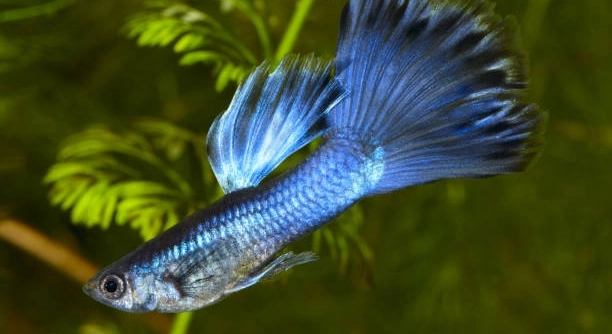
Guppies are small, colorful fish that make wonderful pets, but keeping them healthy requires a little extra care. One important aspect of their well-being is maintaining a clean and safe environment.
A filter is essential for guppies because it helps keep their water clean by removing waste and toxins. This promotes a healthier and more stable environment, preventing water quality issues that can lead to illness or stress for the fish.
By understanding why guppies need a filter, you’ll be able to provide a better home for your aquatic friends. This can help you avoid common issues and ensure they thrive in their habitat.
The Importance of Clean Water for Guppies
Guppies are delicate creatures that require clean, well-maintained water to stay healthy. When waste builds up in the tank, it can cause harmful chemicals like ammonia to accumulate. Ammonia poisoning can damage your guppies’ gills, making it harder for them to breathe. Over time, this can lead to illness and even death. A filter helps remove these toxins by circulating the water and keeping it clean, ensuring your guppies breathe easily and thrive in their environment. Without a filter, the water quality will quickly degrade, leading to a decline in your guppies’ health.
A filter makes a huge difference in water quality by removing toxins, waste, and harmful bacteria. Without it, the water can quickly become dangerous for your guppies.
In addition to maintaining cleanliness, a filter also prevents the buildup of algae in the tank. Algae thrives in dirty water, and it can cloud the water and make the environment unpleasant for your guppies. With a filter in place, it ensures a clear, healthy living space. This not only makes it easier to observe your guppies, but it also reduces the chances of algae outbreaks. In the long run, a filter helps minimize the need for frequent water changes, which can be stressful for both you and your guppies.
Filters Improve Oxygen Levels for Guppies
Filters help maintain proper oxygen levels by promoting water movement. Without enough oxygen, guppies can become stressed, weak, and even die.
The movement created by a filter ensures that oxygen is evenly distributed throughout the tank, allowing your guppies to get enough air. This is crucial because guppies, like all fish, rely on oxygenated water to survive. Without this constant supply of oxygen, they may start to struggle. In a tank without a filter, stagnant water can create areas where oxygen levels are low, leading to poor water quality and unhealthy fish. Filters provide a consistent flow of oxygen, keeping your guppies strong and active.
A well-oxygenated tank promotes good health for guppies by supporting their metabolism and overall immune system. It’s especially important if you’re keeping multiple guppies in the same tank. More fish mean more oxygen is needed, and a filter is a simple solution to meet this need. By ensuring they always have access to oxygen-rich water, you can avoid common issues related to low oxygen levels.
Reducing the Risk of Disease
Filters help reduce the risk of diseases by keeping harmful bacteria and pathogens at bay. Without a filter, waste and leftover food can break down in the water, creating an ideal environment for bacteria to grow.
Guppies are vulnerable to various diseases, especially in unfiltered tanks. Harmful bacteria can quickly multiply in dirty water, putting your fish at risk of infections. By maintaining clean water, a filter lowers the chances of disease outbreaks, allowing your guppies to stay healthy and happy. This also means you spend less time treating illnesses and more time enjoying your aquarium.
A filter acts as a barrier to the spread of harmful pathogens. By removing excess organic matter, it limits the food source for bacteria and parasites. This can significantly decrease the chances of illness spreading throughout the tank. Healthy water conditions also allow your guppies’ immune system to function more effectively, helping them fight off minor infections on their own.
Easier Tank Maintenance
When you have a filter, maintaining your tank becomes much easier. It reduces the frequency of water changes and minimizes the buildup of debris.
Having a filter saves you time and effort. With a cleaner tank, you don’t have to worry about constantly cleaning up waste, leftover food, or debris. It keeps your guppies’ habitat more stable and cleaner for longer, which means fewer disruptions to their environment. This makes it easier for you to manage the tank while still providing your guppies with a healthy living space.
With the filter working continuously, you’ll find yourself cleaning the tank less often. While it’s still important to do partial water changes and check the filter, the system will help reduce the buildup of waste. This makes the process more manageable and ensures your guppies aren’t exposed to toxic substances. Over time, you’ll notice a more stable tank environment and healthier fish, with less maintenance required.
Supports Healthy Growth
A filter ensures that your guppies have the clean, oxygen-rich water they need for healthy growth. Without a filter, water quality can deteriorate quickly, stunting their development.
By keeping the water clean and well-oxygenated, a filter helps guppies grow faster and stronger. Healthy water promotes good metabolic function, which is essential for their overall development.
In a tank without a filter, guppies may experience stunted growth, weakened immune systems, and higher stress levels. With a filter, your guppies will thrive, showing vibrant colors and active behavior as they grow to their full potential.
Prevents Overcrowding of Waste
Waste buildup can lead to poor water quality, stressing guppies. Filters prevent this by removing debris and waste.
When a filter is in place, it helps remove uneaten food and fish waste, keeping the water clean. Without a filter, waste can pile up, leading to ammonia spikes and oxygen depletion.
Improves Tank Aesthetics
A filter keeps the tank clean, making it more visually appealing. Clear water allows you to enjoy the beauty of your guppies and their environment.
Having a clean, well-maintained tank adds to the overall aesthetic of your home. The water is clear, and you can see your guppies swimming around, making the entire aquarium look vibrant and alive. Without a filter, cloudy water can hide the colors of your guppies, diminishing the visual appeal of the tank.
FAQ
Why is a filter necessary for guppies?
A filter is necessary for guppies because it helps maintain clean water, removes waste, and reduces toxins like ammonia that can harm their health. Guppies are sensitive to poor water quality, and a filter ensures their environment remains safe and healthy, which prevents stress and illness. Without a filter, water conditions can quickly deteriorate, leading to disease outbreaks and stunted growth.
Can I keep guppies without a filter?
Technically, it’s possible to keep guppies without a filter, but it requires constant monitoring and frequent water changes. Without a filter, waste and toxins build up faster, making it harder to maintain a clean environment. If you choose to keep guppies without a filter, you’ll need to change the water at least once a week and regularly clean the tank to prevent problems. However, having a filter is much more reliable and easier for long-term tank care.
What happens if I don’t use a filter for guppies?
If you don’t use a filter, the water quality can quickly decline. Waste from your guppies and uneaten food will begin to decompose, leading to harmful substances like ammonia, nitrites, and nitrates building up in the tank. These can harm your guppies’ gills and overall health, making them more susceptible to disease. The water may also become cloudy and unpleasant to look at, making it harder for your guppies to thrive.
How often should I clean the filter for my guppies?
You should clean your filter about once a month, depending on the type of filter and the size of your tank. If your filter becomes clogged or slows down, it might need cleaning sooner. Be sure to follow the manufacturer’s instructions when cleaning, as too much cleaning can harm beneficial bacteria that help break down waste. Cleaning your filter ensures it continues to work effectively, maintaining healthy water conditions for your guppies.
Can I use a sponge filter for guppies?
Yes, a sponge filter can work well for guppies, especially in smaller tanks or fry tanks. It provides gentle filtration and aeration without creating strong currents that could stress out the guppies. Sponge filters are easy to clean and maintain, and they help keep the water oxygenated, which is important for guppy health. However, for larger tanks, a more powerful filter might be needed to maintain water quality.
Is a filter enough to maintain water quality for guppies?
While a filter is essential for maintaining water quality, it’s not enough on its own. You still need to perform regular water changes and monitor water parameters like pH, ammonia, nitrites, and nitrates. A filter helps keep the water clean, but it’s important to maintain good tank hygiene and provide your guppies with a stable environment. Regular testing and proper tank maintenance are key to ensuring your guppies thrive.
Can I use a filter that’s too strong for guppies?
Using a filter that’s too strong can create strong currents in the tank, which may stress out your guppies. Guppies are small and prefer calm water. If the filter’s current is too powerful, it can make it difficult for them to swim or feed. If you’re using a strong filter, consider adding a filter sponge or adjusting the flow rate to prevent a strong current. It’s important to find a balance between filtration and comfort for your guppies.
Do guppies need a filter in their breeding tank?
Yes, guppies in a breeding tank also need a filter. It helps keep the water clean, removes waste, and maintains oxygen levels. However, make sure the filter isn’t too strong to avoid sucking up fry (baby guppies). You can use a sponge filter or a filter with a fine mesh to prevent fry from being caught in the intake. A good filter ensures that both adult guppies and fry are living in a healthy environment.
How do I know if my guppies need a new filter?
If your filter isn’t working properly, it’s time for a replacement. Signs include reduced water flow, unusual noises, or if the filter is no longer keeping the tank as clean as it once did. Check the filter regularly and clean it according to the manufacturer’s instructions. If cleaning doesn’t improve its performance, it may be time for a new one. Also, if the filter is too old or damaged, it’s best to replace it to maintain proper filtration.
What type of filter is best for guppies?
The best type of filter for guppies depends on the size of your tank and the number of guppies you have. For small tanks, a sponge filter or hang-on-back filter works well. For larger tanks, a canister filter or power filter is more effective. Make sure the filter provides enough flow without creating strong currents that could stress your guppies. It’s also important to choose a filter that’s easy to maintain and clean.
Final Thoughts
Maintaining clean water is crucial for the health and well-being of your guppies. A filter plays an essential role in keeping the tank environment stable by removing waste, debris, and harmful toxins. Without a filter, water quality can quickly deteriorate, leading to stressed fish and potential health problems. The filter keeps the water oxygenated, which is also important for your guppies to thrive. While regular water changes are still necessary, a filter makes the entire process much easier and less frequent, ultimately reducing the workload on the tank owner.
Choosing the right filter for your tank depends on its size and the needs of your guppies. A filter that’s too powerful can create strong currents, which may cause stress. On the other hand, a filter that’s too weak may not provide enough filtration, leading to water quality issues. Sponge filters are great for smaller tanks and fry, while power filters or canister filters are better suited for larger setups. It’s important to balance filtration power with your guppies’ comfort to ensure they remain happy and healthy.
Ultimately, using a filter is one of the easiest and most effective ways to ensure your guppies live in a healthy, stable environment. While it’s possible to keep guppies without a filter, it requires much more effort to maintain water quality and prevent illnesses. A filter not only improves the health of your fish but also saves you time in cleaning and maintaining the tank. By investing in a good filtration system, you are setting up your guppies for a long, healthy life.

Hello,
If you enjoy the content that we create, please consider saying a "Thank You!" by leaving a tip.
Every little bit helps us continue crafting quality advice that supports the health, happiness, and well-being of pets around the world, for pets of all shapes, sizes, and species.
We really appreciate the kindness and support that you show us!