
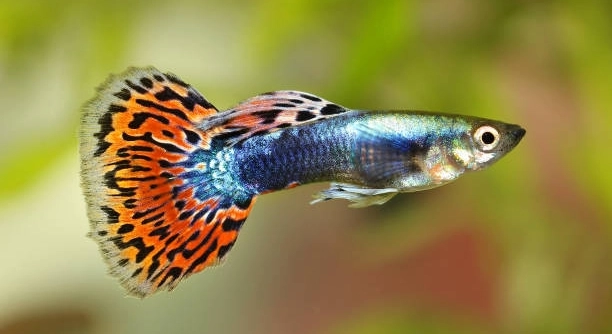
Guppies are popular for their vibrant colors and active nature. Proper care for them involves more than just a clean tank. A balanced diet is essential for their health and well-being, ensuring they thrive in their aquatic environment.
A balanced diet for guppies plays a critical role in maintaining their growth, color, and immune function. It provides essential nutrients that support their metabolism and overall health, preventing common issues like stunted growth or illness.
Feeding guppies the right balance of nutrients can promote a healthy, long life. Understanding their dietary needs ensures they remain energetic and vibrant in your aquarium.
Importance of Protein in a Guppy’s Diet
Protein is a vital part of a guppy’s diet. It helps build and maintain muscles, supports growth, and strengthens their immune system. Without adequate protein, guppies may experience stunted growth and weakened resistance to diseases. You can provide protein by feeding them high-quality fish food, such as those with fish meal or shrimp content. Live foods like brine shrimp or daphnia are also great protein sources. Make sure to offer a variety of protein-rich foods to meet their needs and maintain a balanced diet.
Protein is essential for maintaining health and promoting proper growth in guppies. It supports muscle development and strengthens the immune system, which is crucial for their overall well-being.
To keep your guppies healthy, focus on providing a mix of protein-rich foods. This will ensure that they get the necessary nutrients to thrive, leading to better energy levels, brighter colors, and a longer lifespan.
The Role of Vegetables
Vegetables are also an important part of a guppy’s diet. They provide fiber, vitamins, and minerals that support digestion and overall health.
Incorporating vegetables into their meals will help maintain their digestive system and ensure they receive essential nutrients. You can feed guppies vegetables like spinach, zucchini, or peas. Make sure to blanch them first to soften the texture. Avoid giving them raw vegetables, as they can be difficult to digest and may cause constipation. A mix of veggies should complement their diet to keep them healthy and active.
The Impact of Fats on Guppy Health
Fats are important for guppies as they provide energy and help maintain healthy skin and fins. However, too much fat can lead to obesity and health problems. You can offer them fat in moderation through high-quality fish food, but avoid overfeeding.
Fatty acids, such as omega-3, are particularly beneficial for guppies. They help support their skin, improve coloration, and boost overall vitality. Fish oils or foods rich in these healthy fats can be added to their diet. However, excessive fat should be avoided to maintain their health. Keep portions controlled.
Too much fat in a guppy’s diet can cause them to become sluggish and prone to diseases. To prevent this, it’s important to provide a balanced amount of fats, focusing on healthy sources like fish oils. This will help maintain their energy levels, color, and skin quality.
Feeding Frequency for Guppies
Guppies should be fed small meals throughout the day. Two to three feedings are generally recommended for their optimal health. Overfeeding can lead to water pollution and health issues.
A regular feeding schedule is crucial for their growth and well-being. You can feed them once in the morning and once in the evening, adjusting based on their activity and appetite. The goal is to give them enough food to consume in a few minutes, preventing waste.
Feeding guppies frequently but in controlled amounts ensures they get enough nutrition without overburdening their digestive system. Too much food in one sitting can cause bloating or water quality problems.
The Importance of Variety
A varied diet keeps your guppies healthy and satisfied. It ensures they get a wide range of nutrients, preventing deficiencies. You can rotate between flakes, pellets, live foods, and vegetables to provide balance.
Changing up their meals can also stimulate natural foraging behaviors, keeping them active and engaged. A mix of protein, vegetables, and fat from different sources ensures they get all the essential nutrients. This approach helps avoid the risk of overfeeding any one type of food and supports their overall health.
Hydration and Water Quality
Guppies need clean water to thrive. Poor water quality can lead to stress, diseases, and poor appetite. Regular water changes are crucial.
Maintaining a consistent water temperature and proper filtration system ensures their environment stays clean. Guppies are sensitive to ammonia, nitrites, and nitrates, so testing water quality frequently helps keep them healthy. Clean water supports digestion and encourages healthy feeding habits.
FAQ
How often should I feed my guppy?
Guppies should be fed two to three times a day. This helps maintain their energy levels without overloading their digestive system. It’s important to feed them only what they can consume in a few minutes to prevent uneaten food from affecting water quality.
What foods should I avoid feeding my guppy?
Avoid feeding guppies processed or sugary foods. These can cause digestive issues and harm their health. Also, avoid fatty or oily foods in excess, as they can lead to obesity and other health concerns. Always check food labels to ensure they’re suitable for guppies.
Can guppies eat goldfish food?
Goldfish food is not ideal for guppies. While they might eat it, goldfish food lacks the necessary nutrients that guppies need for optimal health. It’s best to feed your guppy food specifically designed for their dietary needs to promote better growth, color, and energy.
What’s the best way to feed my guppy vegetables?
You can offer vegetables like spinach, zucchini, and peas. Make sure to blanch them first to soften the texture and avoid raw, hard vegetables. Cut the vegetables into small pieces to ensure your guppy can eat them without difficulty. Remove any uneaten food after a few hours to prevent water contamination.
Do guppies need live food?
While live food is not essential for guppies, it can be a great addition to their diet. Live foods like brine shrimp or daphnia offer extra protein and can help enhance their natural hunting instincts. However, it’s important to balance live food with other types of food to maintain variety in their diet.
How do I know if I’m overfeeding my guppy?
Signs of overfeeding include uneaten food in the tank, cloudy water, and lethargy in your guppies. Overfeeding can lead to water quality issues and obesity in your fish. Make sure to remove any excess food after a few minutes and monitor the fish’s behavior to avoid overfeeding.
Can guppies survive on just flakes or pellets?
Guppies can survive on flakes or pellets alone, but it’s best to offer a variety of foods to ensure they get all the necessary nutrients. A diet consisting solely of one type of food may lead to nutritional imbalances. Supplement their diet with vegetables and occasional live food for a more complete nutritional profile.
What’s the best way to store guppy food?
Store guppy food in a cool, dry place away from direct sunlight. Keep it in an airtight container to maintain its freshness and prevent it from becoming stale or losing its nutritional value. Avoid buying food in large quantities to ensure it is used before it expires.
Can I feed my guppy frozen food?
Yes, frozen food can be a good addition to a guppy’s diet. Foods like frozen brine shrimp, bloodworms, or daphnia provide a good source of protein. Always thaw the food before offering it to your guppy and ensure that it’s fresh to avoid contamination.
Is it okay to feed my guppy only plant-based food?
While plant-based food is a healthy part of a guppy’s diet, it should not be the only source of nutrition. Guppies are omnivores and require both plant and animal matter to thrive. A diet that includes a variety of protein sources, along with vegetables, is ideal for their overall health.
Can I feed my guppy treats like worms?
Treats like worms are a good protein source for guppies, but they should be given in moderation. Overfeeding treats can lead to imbalances in their diet and cause health problems. Treats should be offered occasionally as part of a varied diet.
How do I ensure my guppy’s diet promotes vibrant colors?
A balanced diet rich in high-quality protein and healthy fats will help enhance your guppy’s colors. Foods with added color-enhancing ingredients, like astaxanthin, can also help bring out the brightest shades. Maintaining a clean tank and a stress-free environment is equally important for keeping colors vivid.
What should I do if my guppy is not eating?
If your guppy is not eating, it could be a sign of stress, illness, or poor water quality. First, check the water parameters to ensure they’re within the ideal range. If the water is fine, observe your guppy for other signs of illness, and consider isolating it from the tank if necessary.
How do I transition my guppy to a new type of food?
To transition your guppy to a new type of food, start by mixing the new food with their current food. Gradually increase the amount of new food over the course of a few days while decreasing the old food. This method ensures a smooth transition without stressing the guppy.
Final Thoughts
Maintaining a balanced diet for guppies is essential to their health and well-being. Guppies thrive when they receive a combination of proteins, fats, vegetables, and live foods. Each type of food contributes to their growth, energy, immune system, and vibrant colors. Offering a variety of food options helps avoid nutritional deficiencies and encourages natural behaviors like foraging. By providing the right mix of food and monitoring feeding practices, you can ensure that your guppies remain active, healthy, and visually striking.
It is important to establish a regular feeding schedule to prevent overfeeding and water pollution. Feeding guppies in small amounts, multiple times a day, ensures they receive the nutrients they need without excess food lingering in the tank. Always remove any uneaten food promptly to avoid harming water quality. Healthy water conditions are equally important for guppy health. Regular water changes, maintaining a proper filtration system, and monitoring temperature are essential components in creating a suitable environment for your fish to thrive.
By paying attention to the food types, feeding habits, and water conditions, you can provide your guppies with a healthy and enjoyable life. A balanced diet promotes not only their physical health but also their longevity and well-being. Taking these simple steps ensures your guppies stay energetic and colorful, adding life and beauty to your aquarium.

Hello,
If you enjoy the content that we create, please consider saying a "Thank You!" by leaving a tip.
Every little bit helps us continue crafting quality advice that supports the health, happiness, and well-being of pets around the world, for pets of all shapes, sizes, and species.
We really appreciate the kindness and support that you show us!