
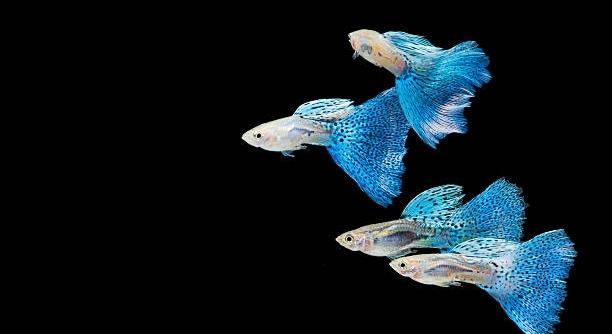
Guppies are active and curious fish. They often seek out hiding spots in their tank, but this behavior may be linked to several important factors that contribute to their overall well-being and natural instincts.
Guppies instinctively seek hiding spots to feel secure. These spaces help reduce stress and offer protection from potential threats. In their natural habitats, such environments provide safety from predators and allow them to thrive in a healthy, balanced ecosystem.
The role of hiding spots in guppy behavior is crucial for their comfort and health.
The Importance of Hiding Spots for Guppies
Hiding spots provide guppies with a sense of security and privacy. In nature, these fish would naturally look for places to escape predators and harsh conditions. By offering similar hiding areas in a tank, you allow them to express natural behavior and reduce stress. This is important, as excessive stress can lead to health problems or even death. Guppies are small, quick-moving fish, and they rely on hiding places not just for survival but also for resting. They feel safer when they can retreat from the open water, whether it’s a cave, plant, or decorations. These spots also allow them to find shelter when they need rest, which helps them recover energy for swimming and exploring.
Hiding spots also help prevent aggression between guppies, as they can retreat when other fish become too dominant or territorial.
A well-planted tank with plenty of hiding spots creates a more natural and balanced environment. Providing several options for your guppies to hide means that they can avoid getting overwhelmed by other tank mates. This reduces the likelihood of territorial disputes and enhances overall tank harmony. Hiding spots can also be used as breeding areas for guppies. Since these fish are livebearers, pregnant females benefit from secluded spots where they can give birth in peace. This is crucial for their survival and the well-being of the fry. Having plenty of hideaways in the tank allows the new fish to stay protected from being eaten by adults. Additionally, when guppies feel secure, they tend to show off their vibrant colors and more natural behaviors, contributing to a lively and beautiful aquarium setup.
Types of Hiding Spots for Guppies
Providing a variety of hiding spots gives your guppies the freedom to choose.
Common options include plants, rocks, caves, and aquarium decorations. Live plants are especially beneficial as they mimic the fish’s natural environment, offering both shelter and a place to forage for food.
How Hiding Spots Reduce Stress in Guppies
Providing hiding spots can significantly lower stress levels in guppies. A tank without any shelter can make these fish feel exposed and vulnerable.
When guppies are stressed, they might show signs of disease or even start behaving erratically. Stress compromises their immune system, leaving them more susceptible to infections. By offering hiding spots, you provide a safe space for them to retreat, which can make a huge difference in their overall health. Guppies, like many fish, are sensitive to changes in their environment. A well-maintained, secure space in the tank helps them feel at ease and avoids unnecessary stressors.
Guppies are social fish, but they can also be skittish. Offering them hiding spots helps them regain confidence and minimizes stress-induced behaviors like hiding for extended periods or darting around the tank. When they feel safe, they are more likely to swim confidently, explore the tank, and interact with tank mates.
How to Create Hiding Spots
Creating hiding spots doesn’t have to be complicated. Simple aquarium decorations can serve as great shelters.
Natural-looking plants, caves, and rocks are the easiest ways to add hiding spots to your tank. Choose items that are large enough for your guppies to fit inside but not so big that they overwhelm the tank. Additionally, live plants offer both shelter and the opportunity for your guppies to nibble on natural foods. A mix of floating and rooted plants provides various hiding levels in the tank, creating a balanced, dynamic environment for your fish.
The Role of Hiding Spots in Breeding
Hiding spots are essential for breeding guppies. Pregnant females need secluded areas to give birth safely.
Without enough hiding spots, newborn fry are at risk of being eaten by adult fish. Providing these spaces ensures that the fry can grow without the threat of predators.
For successful breeding, a mix of plants and decorations will help create natural hiding spots for both the pregnant female and the fry. These spaces also reduce stress for the female, who may prefer a quiet area to give birth away from the other fish.
Hiding Spots for Newborn Fry
Newborn fry are tiny and vulnerable. Providing them with hiding spots is crucial for their survival.
Tiny plants or mesh breeding boxes can keep the fry safe until they are large enough to swim with other fish.
FAQ
Why do guppies need hiding spots?
Guppies are naturally shy fish and seek hiding spots for protection and comfort. Without these spaces, they may feel stressed, leading to health issues. Hiding spots help them feel secure, reduce aggression, and provide a safe space to rest. In a tank, these areas mimic the guppies’ natural environment, where they would typically hide from predators.
How many hiding spots should I have for guppies?
A good rule of thumb is to have multiple hiding spots to ensure all guppies can find a place to retreat. The number depends on the size of your tank and the number of fish. For a small tank with a few guppies, three to five hiding spots may suffice. In larger tanks with more fish, more hiding spots will be needed to keep the tank balanced and ensure every fish has a safe space.
Can guppies breed without hiding spots?
While guppies can breed without hiding spots, providing secluded areas increases the chances of successful breeding. Pregnant females need a calm, stress-free environment to give birth. Without hiding spots, they might feel threatened, causing complications or stressing the female. Fry also need these spots to hide from adult fish, who may eat them.
What types of hiding spots are best for guppies?
Live plants, caves, and aquarium decorations are some of the best hiding spots for guppies. Plants offer both cover and food, while caves or decorative items provide shelter. It’s best to include a variety of hiding spots at different levels of the tank. This allows your guppies to choose the spot that makes them feel most comfortable.
Can guppies hide in the substrate?
Yes, guppies can hide in the substrate, especially if it’s made up of gravel, sand, or fine substrate that allows them to burrow. While not all guppies will choose to hide in the substrate, some may find it a comforting space, especially if there are plants or decorations for additional cover.
Should I create hiding spots for both adult guppies and fry?
Yes, it’s essential to provide hiding spots for both adult guppies and fry. Adult guppies need these spaces for security and to reduce stress, while fry require protection from potential predators. A mix of plants, caves, and other decorations can provide both types of fish with areas to hide, rest, and feel safe.
How do I set up hiding spots for guppies in a small tank?
In a small tank, it’s crucial to maximize the available space. Use small plants or compact decorations that can create hiding areas without taking up too much room. Live plants, like Java Moss or Anubias, are great for small tanks because they provide cover and don’t take up too much space. Additionally, mesh breeder boxes can help create isolated spaces for fry.
Can guppies live in a tank with no hiding spots?
Guppies can survive in a tank without hiding spots, but they will likely experience higher stress levels. Without hiding spaces, guppies may feel exposed, leading to anxiety, aggression, or even illness. It’s always better to provide some form of shelter to promote their overall health and well-being.
How often should I clean the hiding spots?
It’s essential to clean the hiding spots regularly, as they can accumulate debris and waste. Cleaning once a week should suffice, but it can vary based on the tank’s size and the number of fish. When cleaning, be sure not to disturb any plants or decorations too much, as guppies may rely on them for security.
Do guppies prefer live or artificial plants for hiding?
Guppies seem to prefer live plants, as they offer natural cover and a source of food. Live plants can help simulate the environment guppies would find in the wild, creating a more secure atmosphere. Artificial plants can also be used but should be soft to avoid damaging the fish.
What should I do if my guppies are constantly hiding?
If guppies are constantly hiding, it could indicate stress or poor water conditions. Check the water parameters, including temperature, pH, and ammonia levels, as these factors can affect their behavior. Ensure the tank has adequate hiding spots but isn’t overcrowded. Also, check for any aggressive tank mates that may be causing stress.
Can I use rocks or stones as hiding spots for guppies?
Yes, rocks and stones can serve as effective hiding spots for guppies. Make sure the rocks are smooth, as sharp edges can harm the fish. You can arrange the rocks in a way that creates small caves or crevices, providing the guppies with a secure and safe place to hide.
Will adding more hiding spots reduce aggression among guppies?
Yes, adding more hiding spots can help reduce aggression. Guppies can be territorial, and if there aren’t enough places to hide, they may fight over space. By adding more hiding areas, you give each fish the option to retreat when they feel threatened, preventing unnecessary aggression.
Can guppies hide in aquarium filters or equipment?
Some guppies might hide in or around aquarium filters or equipment, but it’s not ideal. Filters can create strong currents, which can stress guppies. Ensure that any equipment in the tank doesn’t pose a danger to the fish and that they have proper hiding spots away from machinery.
How do I make sure my guppies feel safe in their hiding spots?
To ensure your guppies feel safe, make sure the hiding spots are well-placed and offer enough cover. The spots should be located in areas of the tank where they can easily access them and retreat when needed. Make sure the environment is calm, with proper water parameters and tank mates that aren’t overly aggressive.
Final Thoughts
Hiding spots are an essential feature in any guppy tank. They provide security and comfort for these fish, reducing stress and promoting a healthier environment. Without enough hiding spaces, guppies can feel exposed, which may lead to anxiety, aggression, or even illness. Offering a variety of hiding spots, such as plants, rocks, and caves, ensures that guppies have the opportunity to retreat when they feel threatened. This also mimics their natural habitat, where they can escape predators and find rest when needed. Ensuring that your guppies feel secure in their environment is crucial for their overall well-being.
In addition to offering safety, hiding spots play a vital role in breeding. Pregnant females need quiet, secluded areas to give birth, away from the potential threats posed by other fish. Newborn fry also need places to hide from adult guppies, who may eat them. By providing these safe areas, you help guarantee that your guppies can breed successfully and that the fry have a better chance of growing into healthy adults. The right setup can make a significant difference in the success of your guppy tank and its long-term health.
Ultimately, a well-designed tank with ample hiding spots will lead to a more balanced and peaceful aquarium. Guppies are active, social fish, but they also need their moments of solitude. Providing both open swimming areas and hidden spaces allows them to thrive in their environment. Whether you’re breeding guppies or simply enjoying them as pets, creating a tank with a variety of hiding spots will improve their quality of life and keep them safe, happy, and healthy.

Hello,
If you enjoy the content that we create, please consider saying a "Thank You!" by leaving a tip.
Every little bit helps us continue crafting quality advice that supports the health, happiness, and well-being of pets around the world, for pets of all shapes, sizes, and species.
We really appreciate the kindness and support that you show us!