
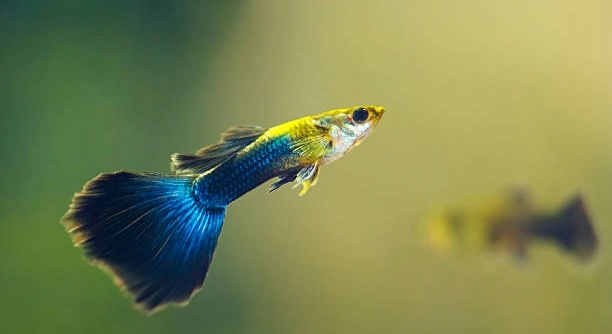
Guppies are known for their vibrant colors, which add beauty to any aquarium. However, there are times when their colors may start to fade, leading to concerns among fish owners. Understanding why this happens is key to addressing it.
Several factors contribute to guppies losing their bright colors, including poor water quality, inadequate diet, and stress. Additionally, genetics, aging, and environmental factors can also affect the intensity of their coloration. These elements can be managed to maintain vibrant fish.
Learning about the underlying causes will help you take steps to ensure your guppies maintain their stunning hues. Understanding these factors is essential for keeping your fish healthy and colorful.
Poor Water Quality Can Dull Your Guppies’ Colors
The water in your aquarium plays a major role in your guppies’ health and appearance. If the water is not properly filtered or contains harmful toxins, it can cause stress, affecting their vibrant colors. Fish thrive in stable environments where water parameters like temperature, pH, and ammonia levels are balanced. When these factors are off, guppies may begin to lose their bright hues.
Maintaining water quality is easy with regular testing and water changes. Clean water promotes healthy fish and keeps their colors intact.
Guppies are sensitive to fluctuating water conditions. They need a steady, clean environment to thrive. Water that is too acidic, alkaline, or has high levels of toxins can impair their ability to produce bright colors. Over time, this stress can lead to a loss of their vibrant appearance. Regularly check the temperature and water conditions in your tank, and invest in a good filtration system to help keep the environment stable. Clean water prevents many health issues, including faded colors, helping your guppies stay lively and colorful.
Stress Is a Major Factor
Stress is another leading cause of faded guppy colors. When fish feel threatened or unsettled, they can lose their brightness. Common stressors include overcrowding, sudden changes in their environment, and aggressive tank mates.
Fish that are constantly stressed may also show signs of illness. Reducing stress will help your guppies retain their color.
Inadequate Diet Can Lead to Fading Colors
A poor diet can quickly affect the brightness of your guppies. If they are not getting the right nutrients, it will show in their colors. Guppies need a balanced diet rich in vitamins and minerals to maintain vibrant hues.
A variety of food options, such as high-quality flakes, pellets, and occasional live or frozen treats, will ensure they receive the proper nutrition. This variety helps boost their overall health and coloration. Poor or unbalanced diets can lead to a pale, unhealthy appearance. Supplementing with color-enhancing foods can also improve the vibrancy of their colors.
Overfeeding or feeding a single type of food can also be harmful. Guppies benefit from a mix of protein, fiber, and essential nutrients. When their diet lacks diversity, they may not get all the nutrients needed to maintain their bright, colorful scales. It’s important to pay attention to their eating habits and adjust their diet accordingly to support both their health and color.
Genetic Factors Play a Role in Coloration
Not all guppies are born with the same potential for bright colors. Genetics have a significant influence on the natural hues of guppies, and some fish are simply predisposed to be less vibrant.
Selective breeding can also impact the intensity of their coloration. Some guppies are bred to emphasize certain traits, like specific color patterns, while others may naturally have more muted colors. When choosing guppies, keep in mind that their genetics can limit how bright they will be, regardless of their care and environment.
Aging Can Dull Their Colors
As guppies age, their colors may naturally fade. This is a normal part of their life cycle. Older fish tend to lose some of their vibrant coloration, even if their environment remains ideal.
Older guppies may not be as active as they once were, which can also contribute to duller colors. Their metabolism slows down, and they no longer produce the same amount of pigment in their scales. While this is natural, younger guppies will generally display more intense hues.
Environmental Changes Affect Their Appearance
Guppies are sensitive to changes in their environment. Even small shifts in temperature, light, or water quality can cause them to lose color.
Stress from sudden environmental changes can overwhelm your fish, leading to dullness. For instance, moving the tank or adjusting the light source can impact their color production. It’s essential to maintain a consistent environment to avoid stressing the guppies. Regular monitoring and gradual changes will keep them healthy and vibrant.
Poor Tank Conditions Reduce Color Intensity
The conditions in your tank directly impact your guppies’ coloration. Overcrowding, poor filtration, or improper water parameters can lead to fading colors.
A dirty tank with high ammonia or nitrite levels creates an unhealthy environment for your guppies. They will experience stress, leading to diminished color. Proper filtration, regular water changes, and monitoring of water quality help prevent these issues. Keeping the tank clean ensures your guppies stay vibrant and healthy.
FAQ
Why do guppies lose their color?
Guppies can lose their color due to a variety of reasons. Poor water quality, stress, inadequate diet, and even aging can all contribute to fading colors. When guppies are not in an optimal environment, their health declines, which can result in dullness. Other factors like genetics and environmental changes can also play a role.
How can I improve my guppies’ color?
To improve their color, ensure that your guppies have clean water, a balanced diet, and a stable environment. Regular water changes, proper filtration, and maintaining the correct temperature and pH levels are essential. Offering high-quality food, including color-enhancing options, will help boost their appearance.
Can diet really affect my guppy’s color?
Yes, diet plays a significant role in a guppy’s coloration. Guppies require a varied diet that includes high-quality flakes, pellets, and occasional live or frozen foods. Foods rich in carotenoids, such as spirulina or beta-carotene, can enhance their colors. A well-balanced diet promotes their health and vibrant hues.
Does stress cause guppies to lose their color?
Stress can absolutely cause guppies to lose their color. Factors like overcrowding, aggressive tank mates, and sudden environmental changes can stress them out. When guppies are stressed, they often lose their brightness and become pale. Creating a peaceful, stable environment is key to maintaining their color.
Do genetics affect guppy color?
Genetics play a big role in a guppy’s coloration. Some guppies are genetically predisposed to have bright colors, while others may have more muted hues. When selecting guppies, consider their genetic background, as this can impact how vibrant their colors will be throughout their life.
Can water temperature affect guppy colors?
Yes, water temperature can impact guppy color. Guppies thrive in water that is between 75-80°F (24-27°C). Temperatures outside of this range can cause stress, which can lead to fading colors. Maintaining the right temperature will help keep your guppies healthy and vibrant.
Does aging affect guppy color?
Aging can cause guppies to lose some of their color. As they get older, their metabolism slows down, and they produce less pigment in their scales. While this is a natural part of their life cycle, younger guppies will generally show more vibrant colors compared to older ones.
What are the signs of poor water quality for guppies?
Signs of poor water quality include cloudy water, an ammonia smell, and visible algae growth. Guppies might show stress behaviors like swimming erratically, staying near the surface, or hiding. Keeping the water clean and monitoring ammonia, nitrite, and nitrate levels will ensure your guppies stay healthy and colorful.
Can overcrowding cause guppies to lose their color?
Yes, overcrowding can cause guppies to lose their color. When there are too many fish in a tank, they become stressed, and this can lead to fading colors. Guppies need enough space to swim freely and feel secure. Proper tank size and avoiding overcrowding will help maintain their brightness.
How often should I feed my guppies for vibrant colors?
Feed your guppies once or twice a day, but don’t overfeed. Providing small amounts of food ensures they get the necessary nutrients without polluting the water. Offering a variety of foods, including those designed to enhance color, will help maintain their vibrancy.
Can tank decorations affect guppy color?
Tank decorations can have an indirect effect on guppy coloration. Bright, reflective surfaces can sometimes enhance their colors, while dark or dull environments may make them appear less vibrant. It’s important to create an environment where your guppies feel comfortable and safe, which supports their overall health and appearance.
Does lighting impact guppy colors?
Yes, lighting can impact how vibrant your guppies appear. Soft, natural light is ideal, as it helps bring out their colors without causing stress. Too much harsh lighting can cause stress, while too little light can make them appear dull. A balanced lighting schedule will keep your guppies looking their best.
What should I do if my guppy’s color doesn’t improve?
If your guppy’s color doesn’t improve after addressing water quality, diet, and stress factors, it may be due to genetic factors or age. It’s important to monitor the guppy for any signs of illness. If the issue persists, consider consulting with a fish expert or vet to rule out other potential problems.
Final Thoughts
Guppies are beautiful and vibrant fish that can add color to any aquarium. However, maintaining their bright colors requires careful attention to their environment, diet, and overall well-being. Whether it’s ensuring clean water, providing the right nutrients, or keeping them stress-free, there are several factors that directly influence their color. Understanding these factors is key to keeping your guppies healthy and colorful for a long time.
Diet plays a huge role in how bright your guppies stay. A well-balanced diet with high-quality food, including color-enhancing options, can help them maintain their natural vibrancy. Similarly, providing variety in their diet, such as live or frozen foods, can encourage good health and prevent color dulling. Along with food, the water quality and temperature are crucial. Keeping the tank clean and maintaining a stable, comfortable temperature helps minimize stress and allows guppies to thrive.
Lastly, it’s important to keep in mind that some factors, like genetics and aging, may affect how brightly colored your guppies are. Some guppies are naturally predisposed to more muted hues, while others may lose some color as they get older. Still, by offering the best care possible, you can ensure that your guppies have the best chance of maintaining their bright and beautiful colors throughout their life.

Hello,
If you enjoy the content that we create, please consider saying a "Thank You!" by leaving a tip.
Every little bit helps us continue crafting quality advice that supports the health, happiness, and well-being of pets around the world, for pets of all shapes, sizes, and species.
We really appreciate the kindness and support that you show us!