
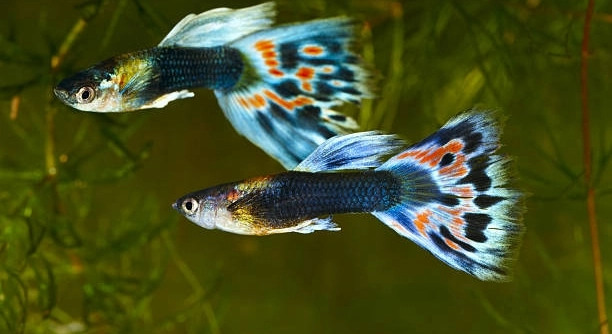
Guppies are popular aquarium fish known for their colorful appearance and active nature. Many owners wonder how they can create an environment that benefits these little swimmers. One important factor is live plants in the aquarium.
Live plants provide essential benefits for guppies, including oxygenating the water, offering hiding spots, and improving the overall health of the tank. They also help with water quality by absorbing excess nutrients that could harm the fish.
From providing natural food sources to enhancing the aesthetic appeal of the tank, live plants are a key part of a guppy’s well-being.
Providing Hiding Spots for Guppies
Live plants in your aquarium create plenty of hiding spots for guppies. These small fish often appreciate having places to hide when they feel threatened or stressed. Plants like Java Moss or Hornwort offer dense foliage where guppies can swim through and take cover. This makes them feel safe and secure, especially in tanks with other more active or larger fish. Adding these plants not only boosts the fish’s comfort but also helps reduce stress. Stress can lead to health problems in guppies, so having natural hiding spaces contributes to their overall well-being.
Additionally, providing hiding spots is essential for breeding guppies. The females can seek shelter in the plants when they are ready to give birth, keeping the fry hidden from any predators in the tank. The presence of plants also makes it easier for the newborn guppies to find small food particles as they grow.
The plants also offer a peaceful environment, encouraging natural behavior. Guppies often love swimming around, weaving in and out of the leaves, which helps keep them active and engaged. The more plants in your tank, the more places your guppies will have to explore.
Maintaining Water Quality
Live plants are also helpful in keeping the water quality stable. They absorb excess nutrients, such as nitrates, that can build up over time. Without plants, these chemicals can accumulate, leading to algae growth, which can harm guppies and other tank inhabitants. By having live plants, you are naturally improving the water’s overall quality and making it more stable.
Plants like Anubias, Amazon Sword, and Vallisneria can help keep the water cleaner. They filter out excess nutrients while also creating a more natural-looking environment. This can make the aquarium more pleasant and healthier for guppies to live in.
Promoting Natural Behavior
Guppies are naturally active swimmers, and live plants help mimic their environment in the wild. In their natural habitat, guppies would often swim through dense plant life. By incorporating live plants, you encourage these natural behaviors. Guppies feel more comfortable and enjoy exploring their surroundings.
Plants also promote more interaction with the environment. Guppies often nibble on algae or small particles found on the plants, which gives them a natural food source. This can help supplement their diet and keep them more engaged with their habitat. When guppies have access to a natural, stimulating environment, they are likely to be healthier and happier.
It’s also worth noting that live plants provide benefits for water chemistry. They can help reduce the pH fluctuations, keeping the water more stable, which is ideal for guppies. A stable environment encourages breeding and supports the overall health of your fish.
Natural Food Source for Guppies
Live plants can provide a natural food source for guppies. Algae and small microorganisms grow on the plants, which guppies can nibble on. This type of food is healthy and helps mimic their natural diet. It also encourages them to forage and stay active.
Guppies will often graze on the biofilm that develops on plant surfaces. This biofilm contains beneficial microorganisms that are part of their natural diet. By having plants like Java Fern or Moss in your tank, you’re offering your guppies a more balanced, natural diet. It’s also easier for them to find food that’s close to them, reducing the chance of stress.
A diet that includes a mix of natural food sources can improve their health and boost their immune system. The plants also provide variety in their eating habits. This encourages guppies to behave more naturally and maintain their energy levels.
Oxygenation and Water Circulation
Live plants play an important role in oxygenating the water. They produce oxygen through photosynthesis, which improves the overall quality of the water in your aquarium. This is essential for guppies, as it supports their gill function and ensures they can breathe more easily.
In addition to oxygenation, plants help with water circulation. The movement of water around the plants helps distribute oxygen evenly throughout the tank. This creates a healthier environment for all the tank inhabitants, not just the guppies. Plants like Elodea or Water Sprite help stir up the water, making it easier for oxygen to reach all parts of the aquarium.
This natural filtration process reduces the need for mechanical filtration in some cases. However, it is still important to maintain your filter system to avoid any imbalances. Together, plants and filtration systems create an ideal environment for guppies to thrive in.
Aesthetic Appeal of the Aquarium
Live plants enhance the overall aesthetic of the aquarium. The lush greenery creates a more visually appealing environment, making the tank look natural and lively. Guppies benefit from this beauty as it helps replicate their natural habitat, where plants are abundant.
Plants like Amazon Sword or Water Wisteria add a vibrant touch to any tank. The green hues contrast well with the bright colors of guppies, creating a peaceful and attractive aquarium setup. This aesthetic can improve your enjoyment of the tank and provide a calming atmosphere for both you and your fish.
Reducing Algae Growth
Live plants help control algae growth by absorbing excess nutrients, like nitrates, in the water. Algae thrive in nutrient-rich water, but plants act as a natural filter, making it harder for algae to take over. This leads to clearer water.
With plants actively reducing algae, your tank will stay healthier for guppies. Less algae growth means your fish can enjoy a cleaner environment with better water quality. It also reduces the amount of time you’ll need to spend cleaning your tank.
Supporting Fish Health
Healthy plants support guppy health by creating a balanced ecosystem. Plants help maintain stable water parameters and reduce harmful fluctuations. This is crucial for keeping guppies in optimal condition.
By maintaining a natural balance, plants help prevent disease and promote a healthy, thriving community. Healthy guppies are more active and resilient to stress, contributing to a more peaceful and happy aquarium. Healthy fish also breed more successfully, ensuring that your guppy population remains stable.
FAQ
How do I choose the right plants for my guppy tank?
Choosing the right plants for your guppy tank depends on several factors, such as tank size, lighting, and water conditions. Opt for plants that thrive in low to medium light and tolerate a range of water parameters. Plants like Java Moss, Anubias, and Hornwort are great choices. They require little maintenance and grow well in aquariums with guppies. Ensure the plants have enough space to grow and allow your guppies to swim freely.
Can guppies eat the plants in my tank?
Yes, guppies might nibble on soft plants, especially if they are hungry or if there are not enough other food sources in the tank. However, most plants like Anubias or Java Fern have tougher leaves, which are less likely to be eaten. Providing a balanced diet for your guppies can reduce the chances of them munching on plants. It’s important to keep plants healthy, as well, so they can continue to thrive and offer benefits for the tank.
How often should I change the water in a tank with live plants?
Water changes in a planted tank should still be done regularly, though the plants help keep the water quality stable. A good rule of thumb is to change 25-30% of the water every 1-2 weeks. However, in a well-established planted tank, you might be able to reduce this frequency depending on the size of the tank and the number of fish. Always check water parameters such as ammonia, nitrites, and nitrates to ensure they remain safe for your guppies.
Do live plants help with tank maintenance?
Yes, live plants can significantly reduce the need for maintenance. They naturally absorb excess nutrients, which helps prevent algae buildup. Plants also help oxygenate the water and stabilize the pH, leading to a healthier environment for guppies. While you will still need to clean the tank and monitor the water quality, plants can help lessen the workload.
Can I use any type of plant in my guppy tank?
Not all plants are suitable for a guppy tank. Some plants need specific water conditions or lighting that might not be ideal for your setup. For example, plants like carpet plants or those requiring high light intensity may not thrive in low-light or less-maintained tanks. It’s better to choose hardy plants like Java Fern, Amazon Sword, or Cryptocoryne, which can tolerate a variety of conditions. Avoid plants that may become invasive in the tank or require heavy maintenance.
Are there any plants that are harmful to guppies?
While most plants are safe for guppies, certain plants may be harmful if they are not maintained correctly. Some plants, like the floating plant Water Lettuce, can overcrowd the tank and limit swimming space for guppies. Additionally, plants treated with pesticides or chemicals before purchase can be harmful to your fish. Always buy plants from reputable sources and ensure they are free from any harmful chemicals.
Can guppies breed in a tank with live plants?
Yes, live plants provide an ideal environment for guppies to breed. The dense foliage creates a safe space for female guppies to give birth and for the fry to hide. The plants provide cover for the young guppies, keeping them away from adult fish that might see them as food. Having plants like Java Moss or Hornwort will help increase the survival rate of the fry in your tank.
What do I do if my plants start to die?
If your plants start to die, it’s important to assess the tank’s water quality, lighting, and nutrient levels. Ensure that the plants are receiving adequate light, as low light can cause them to wither. Check for nutrient imbalances in the water, as plants need certain minerals to thrive. Adding liquid or root fertilizers can help. If the plant continues to die, you might need to replace it with another that is better suited to your tank’s conditions.
Do live plants prevent fish diseases?
While live plants can’t directly prevent diseases, they contribute to a healthier tank environment. By absorbing excess nutrients and improving water quality, plants help keep harmful bacteria and algae at bay. A cleaner tank with balanced water conditions reduces stress on your guppies, making them less susceptible to illnesses. However, proper fish care and regular water testing are still essential in keeping your guppies healthy.
How do I maintain a planted tank with guppies?
Maintaining a planted tank with guppies involves regular water changes, proper lighting, and occasional trimming of plants. Keep an eye on the water’s pH, ammonia, nitrite, and nitrate levels to ensure a stable environment. You may need to add fertilizers or CO2 if the plants show signs of poor growth. Also, clean the tank regularly to remove debris, uneaten food, and any dying plant material. Make sure your guppies are fed a balanced diet to reduce plant nibbling.
Can live plants help with water temperature control?
Live plants can indirectly help with temperature control. While they don’t actively regulate the water temperature, they can provide shade and shelter for guppies, which may help moderate the temperature fluctuations in the tank. Plants also reduce the chances of sudden temperature spikes, which can stress your fish. Ensure your tank has a stable water heater, as live plants alone won’t maintain the correct temperature for your guppies.
Final Thoughts
Adding live plants to your guppy tank brings multiple benefits. They not only improve the tank’s appearance but also help maintain water quality. Plants like Java Fern, Anubias, and Hornwort are easy to care for and create a natural environment for your fish. Guppies thrive when they have a space that mimics their natural habitat, and plants help provide that. They act as a hiding place, offer natural food sources, and contribute to overall tank health by oxygenating the water and reducing harmful substances like nitrates.
However, it’s important to choose the right plants based on your tank conditions. Some plants need more light or special care, while others can grow well with minimal attention. It’s also necessary to keep an eye on water quality and ensure that the plants are thriving. While live plants help with filtration and oxygenation, regular water changes and monitoring parameters like pH, ammonia, and nitrate levels are still important. If a plant starts to die or becomes overgrown, it might need to be replaced or trimmed. Taking the time to maintain both your plants and guppies will lead to a healthy, balanced aquarium.
Overall, the presence of live plants in a guppy tank is a win-win. They provide numerous advantages, from making the tank look more beautiful to promoting better health for your fish. When chosen carefully and properly maintained, live plants can significantly improve the well-being of your guppies. If you’re looking to create a more natural, vibrant aquarium, incorporating live plants should definitely be part of the plan. Your guppies will appreciate the change, and you’ll enjoy the peaceful and thriving aquatic environment they help create.

Hello,
If you enjoy the content that we create, please consider saying a "Thank You!" by leaving a tip.
Every little bit helps us continue crafting quality advice that supports the health, happiness, and well-being of pets around the world, for pets of all shapes, sizes, and species.
We really appreciate the kindness and support that you show us!