
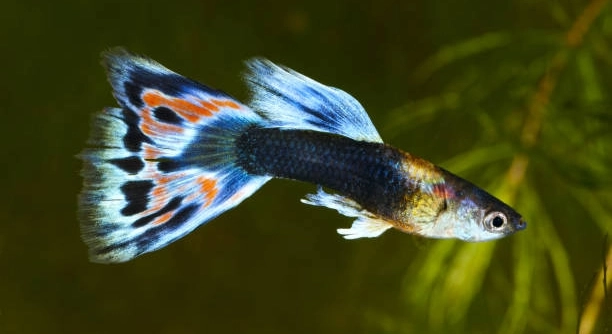
Guppies are popular aquarium fish, known for their vibrant colors and lively personalities. However, you may notice them avoiding certain levels in their tank. Understanding why can help improve their health and comfort.
Guppies tend to avoid certain tank levels due to factors like water quality, temperature, and light intensity. They also seek out areas with specific oxygen concentrations and often avoid regions where they feel stressed or unsafe.
Understanding these behaviors helps in creating an optimal tank environment for your guppies. This can improve their overall well-being and happiness in their home.
Water Quality and Guppy Behavior
Water quality plays a vital role in how guppies behave in their tank. If the water contains high levels of ammonia, nitrites, or nitrates, guppies are likely to avoid certain areas. They seek cleaner, oxygen-rich zones to maintain their health. A good filtration system is essential for keeping the water quality in check. Regular water changes also help prevent toxins from building up. If the water pH is off or fluctuating, guppies may avoid the middle or bottom sections of the tank. A stable environment encourages your guppies to feel safe and active, which can reduce stress.
Regular water testing and adjustments are necessary for maintaining a healthy aquarium. Ensure that ammonia and nitrate levels are within safe ranges for guppies. A water conditioner can help neutralize harmful chemicals and toxins.
Proper water maintenance improves the quality of life for your guppies. When they feel safe and healthy, they are more likely to explore the entire tank without hesitation.
Temperature and Tank Levels
Temperature is another key factor influencing guppy behavior. Guppies prefer water that ranges from 72 to 82°F (22 to 28°C). A water temperature outside this range can cause them to avoid certain tank areas.
When the tank water is too warm or cold, guppies will seek cooler or warmer areas within the tank. Guppies tend to swim in the areas where they feel most comfortable, whether it’s near the heater or in cooler corners. Sudden temperature changes can cause stress and discomfort, making your guppies hesitant to explore the tank.
To maintain a consistent temperature, use a reliable aquarium heater with a thermometer. This will help create a more predictable environment where guppies are likely to thrive. Ensure that the heater does not cause localized hot spots, which can discourage guppies from moving freely. They prefer areas that allow for gradual adjustments in temperature. By keeping the tank at a stable, appropriate temperature, guppies will feel more confident in their surroundings and avoid areas that may be uncomfortable.
Light Intensity and Guppy Preferences
Light intensity impacts how guppies behave in their tank. Too much light can cause stress, while too little may leave them hiding. Guppies tend to avoid brightly lit areas, preferring shaded or dimly lit spots.
Guppies are naturally drawn to areas of the tank that provide a balance between light and shade. In tanks with strong lighting, guppies will typically seek out areas where the light is diffused or weaker, such as near plants or decorations. This behavior helps them feel secure. Additionally, overexposure to harsh light can lead to stress and weakened immune systems.
Providing proper lighting is key to keeping guppies comfortable. Using a timer to regulate lighting can create a more natural day-night cycle, giving guppies time to rest. Ensure that light levels are moderate, mimicking natural conditions found in their native habitats.
Tank Size and Guppy Movement
Tank size is a significant factor in how guppies explore and avoid specific areas. A cramped environment forces guppies into smaller spaces, often making them uncomfortable.
In a larger tank, guppies have the freedom to swim around and explore different levels. However, if the tank is too small or lacks hiding spots, they may limit their movement to a confined area. Adding plants, rocks, or other decorations creates territories where guppies can feel safe. This allows them to avoid specific tank levels they perceive as unsafe.
A well-sized tank with appropriate hiding spaces ensures that guppies move freely and naturally. It prevents them from feeling stressed and encourages them to explore without hesitation.
Tank Decor and Guppy Behavior
Tank decor significantly affects how guppies navigate their environment. Plants, rocks, and other structures offer hiding spots that make guppies feel secure. Without proper decor, they may avoid certain areas where they feel exposed.
Guppies naturally seek out areas where they can hide and feel safe. Decorations like plants or driftwood provide both shelter and stimulation, encouraging them to explore. However, overcrowding the tank with too many decorations can also limit their space, making them uncomfortable. The key is balance: enough decor to promote security but not so much that it restricts movement.
Water Flow and Guppy Movement
Water flow is another factor that affects how guppies move within their tank. They prefer mild currents but will avoid areas with excessive or violent water movement.
Strong water flow pushes guppies toward calmer spots in the tank. They will seek areas where they can swim freely without fighting against the current. It is important to avoid using overly powerful filters that disturb the water flow excessively, as this can cause stress and discourage normal behavior.
Overcrowding and Stress
Overcrowding the tank creates stress for guppies, forcing them to stay in specific areas. Too many fish in a small space can limit their movement and increase competition for food and territory.
FAQ
Why do my guppies hide in certain areas of the tank?
Guppies may hide due to stress, illness, or a need for security. If the water quality, temperature, or lighting is unsuitable, they will seek sheltered areas. Guppies are also prey fish and naturally look for places where they feel protected from potential threats. Adding plants and decorations can provide them with safe spots to relax.
How can I make my guppies feel more comfortable in the tank?
To help your guppies feel comfortable, focus on water quality, stable temperatures, and appropriate lighting. Adding plants, rocks, and other decorations can create hiding spots and encourage natural behavior. Regular water changes and keeping the tank clean will also contribute to a stress-free environment.
What is the ideal tank size for guppies?
The ideal tank size for guppies depends on how many you have. As a general rule, allow at least one gallon of water per guppy. For example, a 10-gallon tank can house about 10 guppies. This size allows them to swim freely and reduces the risk of overcrowding, which can lead to stress.
Can guppies live in small tanks?
Guppies can live in small tanks, but it’s not ideal for their long-term health. Small tanks are harder to maintain, especially in terms of water quality, which can quickly fluctuate. A tank of at least 5 gallons is recommended for a pair of guppies, with more space for larger groups.
Do guppies need a filter?
Yes, guppies need a filter to maintain clean and oxygenated water. A filter helps remove debris and toxins from the tank, creating a healthier environment for the fish. Choose a filter with a gentle flow to avoid stressing the guppies, as they prefer mild currents.
How often should I change the water in my guppy tank?
Water changes should be done regularly, usually once a week, to maintain optimal water quality. For tanks with heavy fish loads, you may need to change 25-50% of the water each week. This helps remove toxins and prevents harmful bacteria from building up.
What temperature should the water be for guppies?
Guppies thrive in water temperatures between 72°F and 82°F (22°C – 28°C). Keeping the tank within this range will ensure the fish stay healthy and active. Sudden temperature fluctuations can cause stress, so using a reliable aquarium heater is important for maintaining a stable environment.
Can guppies live with other fish?
Guppies are peaceful fish and generally do well with other non-aggressive species. However, they may not be ideal tank mates for larger, more aggressive fish that might view them as food. Good tank mates include small, peaceful species like tetras, snails, or shrimp.
Why are my guppies swimming at the top of the tank?
If your guppies are swimming at the top of the tank, it could be a sign that the oxygen levels are low. Ensure proper aeration by adding an air stone or adjusting the filter to increase water movement. It may also indicate they’re searching for food or simply exploring their environment.
How do I know if my guppies are stressed?
Signs of stress in guppies include erratic swimming, hiding more than usual, loss of appetite, or faded colors. Stress can be caused by poor water quality, high temperatures, overcrowding, or inappropriate tank mates. Addressing these issues can help reduce stress and improve their well-being.
How can I breed my guppies?
Breeding guppies is relatively easy, as they are livebearers. Provide them with a separate breeding tank that has plenty of plants and hiding spots. A male guppy will court a female, and after mating, she will give birth to live fry. The fry should be separated from adult guppies to avoid being eaten.
Do guppies need light?
Yes, guppies need light to maintain a healthy day-night cycle. However, the light should not be too intense or constant, as this can stress them. Aim for around 10-12 hours of light per day, and use a timer to regulate the light cycle. This will help maintain their natural rhythms.
Why do my guppies swim in circles?
Swimming in circles can be a sign of stress, confusion, or limited space. Ensure the tank is large enough and that water conditions are stable. Guppies may also swim in circles if they are chasing each other or playing. However, if this behavior persists, check for water quality issues or the presence of disease.
What should I feed my guppies?
Guppies are omnivores and will eat a variety of foods, including flakes, pellets, and live or frozen foods like brine shrimp. A balanced diet that includes protein, vegetables, and fats is important for their health. Avoid overfeeding, as excess food can pollute the water.
Can guppies live without a heater?
Guppies can technically survive without a heater if the water temperature remains within their preferred range. However, temperature fluctuations can be harmful. If you live in an area with colder temperatures, using a heater ensures a more stable and comfortable environment for your guppies.
Final Thoughts
Understanding why guppies avoid certain tank levels can help improve their overall health and behavior. These fish are sensitive to their environment, and small changes can have a big impact on their comfort. Factors such as water quality, lighting, tank decor, and water flow all influence where guppies prefer to swim. By paying attention to these elements, you can create a more natural and enjoyable habitat for your fish. Keeping the tank clean, maintaining a stable temperature, and ensuring proper lighting will go a long way in reducing stress and promoting normal behavior.
Proper tank size and the right decorations are also essential. Overcrowding can lead to stress, making guppies avoid specific areas of the tank, and can even affect their health. On the other hand, providing a larger tank with enough hiding spots helps them feel secure and encourages them to explore different levels. When guppies feel safe, they are more likely to swim freely throughout the tank, showing a wider range of natural behaviors. Using plants, rocks, or other hiding spots helps mimic their natural habitat, where they would typically seek shelter from predators.
In conclusion, creating the right environment for your guppies requires attention to various factors. By maintaining good water conditions, providing enough space, and using appropriate tank decor, you can make sure your guppies live happily and healthily. These simple adjustments will not only encourage better movement and behavior but also contribute to their overall well-being. Whether you are a beginner or have been keeping fish for a while, ensuring that your guppies are comfortable should always be a priority.

Hello,
If you enjoy the content that we create, please consider saying a "Thank You!" by leaving a tip.
Every little bit helps us continue crafting quality advice that supports the health, happiness, and well-being of pets around the world, for pets of all shapes, sizes, and species.
We really appreciate the kindness and support that you show us!