
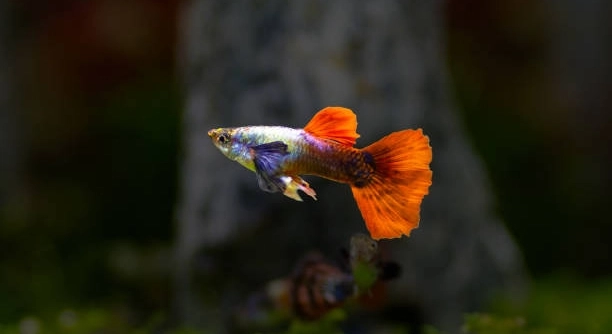
Guppies are among the most popular fish for home aquariums, thanks to their vibrant colors and ease of care. Their small size and active nature make them a great choice for both beginners and seasoned fish enthusiasts alike.
The main reasons guppies are popular in home aquariums include their striking colors, low maintenance, adaptability to different water conditions, and ability to thrive in small spaces. Their peaceful temperament also makes them a perfect fit for community tanks.
These factors contribute to their widespread popularity, and understanding more about guppies can enhance your experience in caring for them. You’ll soon see why they make such a delightful addition to any aquarium.
Vibrant Colors and Patterns
Guppies are known for their stunning colors and intricate patterns. They come in a range of hues, from reds and blues to yellows and purples, making them eye-catching additions to any aquarium. These colorful fish can have solid colors or more complex designs, like spots or stripes. Their vibrant appearance often makes them the centerpiece of a tank, adding life and visual appeal to the space. In fact, guppies are often selectively bred for their bold and unique color patterns, giving aquarium owners a wide variety to choose from.
Guppies’ colors are enhanced by their health and the quality of their environment. A well-maintained tank with appropriate lighting can make their colors pop even more.
With proper care, guppies will thrive and maintain their beauty. Healthy guppies are typically brighter and more vibrant, especially when kept in stable water conditions. Additionally, their colors can vary depending on the genetic mix of the particular fish, offering a wide range of options for customization in a tank. If you’re looking for an aquarium fish that adds color and personality, guppies are an excellent choice.
Low Maintenance Care
One of the most appealing factors of keeping guppies is their low maintenance care requirements. They don’t demand extensive attention or expensive equipment to thrive.
Guppies are hardy fish that can adapt to a range of water conditions. They don’t need fancy filtration systems or strict temperature controls, making them a perfect choice for those with busy lifestyles.
While they prefer clean water and a stable temperature, guppies are relatively easy to care for. They don’t need frequent water changes, and their small size means they don’t require large tanks. Simple tasks, like feeding them a few times a week and keeping their tank clean, will be enough to keep them healthy. Their adaptability makes them suitable for beginners, as they don’t pose many challenges.
Adaptability to Various Water Conditions
Guppies can thrive in a variety of water conditions, making them an ideal choice for a wide range of aquariums. They can live in both fresh and brackish water, and they are capable of adjusting to changes in temperature.
These fish are tolerant of various water parameters, such as pH levels and hardness. While they prefer slightly alkaline water, they can still survive in a variety of setups, as long as the water is clean and stable. Guppies are known for their resilience, which makes them adaptable to different environments. Whether your tank is warmer or cooler, these fish can adjust to their surroundings with minimal issues.
For those new to aquarium keeping, guppies’ tolerance to different water conditions is a huge advantage. It gives room for error, allowing even those who are still learning about water chemistry to enjoy them without constant worry about precise water parameters. This flexibility makes guppies one of the easiest fish to keep.
Small Size Perfect for Compact Tanks
Guppies don’t require large tanks, making them an ideal option for those with limited space. Their small size allows them to be housed in aquariums as small as 5 to 10 gallons.
Guppies usually reach only about 1 to 2 inches in length, which means they don’t need much room to swim around. This makes them a great choice for apartment living or small homes where space is at a premium. Their small size also means they don’t require as much water or as large a filtration system, which is another bonus for owners with limited space or budget.
If you’re working with a smaller tank, you can still maintain a healthy and vibrant aquarium. The small size of guppies also makes it easy to add plants, decorations, and other small fish, allowing you to create a thriving, diverse aquatic environment. With proper care, a small tank can host a beautiful community of guppies.
Peaceful Nature
Guppies are known for their calm and peaceful temperament, making them a great addition to community tanks. They rarely exhibit aggressive behavior, which makes it easier to house them with other peaceful fish.
Their non-confrontational nature ensures they get along well with other species, including tetras, mollies, and even shrimp. Guppies prefer to swim in schools, which further helps keep them calm and reduces any territorial behavior. As long as they are not kept with overly aggressive species, guppies tend to live harmoniously in a shared tank.
Easy to Breed
Breeding guppies is relatively simple and doesn’t require much effort. They are livebearers, meaning they give birth to live fry rather than laying eggs.
When kept in a healthy environment, guppies will breed easily, often giving birth every 30 days. The female guppy can carry eggs for a few weeks before giving birth to multiple fry. If you’re not interested in breeding, it’s a good idea to keep only males or separate males and females. This makes it easy to control the population in the tank.
Long Lifespan
Guppies can live for up to 2 to 3 years with proper care. While they may not live as long as some other aquarium fish, their lifespan is still a decent length for those who want a lasting addition to their tanks.
With regular maintenance and good water conditions, guppies can reach their full life potential. Although they may not live as long as other species, their vibrant colors and energetic behavior will brighten up your tank for the time they are with you.
FAQ
How many guppies can I keep in a 10-gallon tank?
A 10-gallon tank can comfortably house around 5 to 8 guppies. The general rule of thumb is one inch of fish per gallon of water. Since adult guppies typically reach about 1.5 to 2 inches, you can safely keep up to 8 guppies in this size tank. However, it’s important to maintain proper filtration and regular water changes to ensure a healthy environment for your fish.
Can guppies live with other types of fish?
Yes, guppies are generally peaceful and can live with many other types of fish, especially those that are calm and non-aggressive. They do well with species like neon tetras, mollies, and platies. However, it’s best to avoid housing them with aggressive fish that might nip at their fins, such as bettas. When keeping guppies with other species, make sure the tank has enough space and hiding spots to prevent stress.
What do guppies eat?
Guppies are omnivores and have a varied diet. You can feed them a mix of high-quality flake food, pellets, and live or frozen foods like brine shrimp or daphnia. Offering a combination of protein-rich and plant-based foods helps to keep them healthy and vibrant. Guppies also enjoy occasional vegetable matter like spinach or cucumber. Avoid overfeeding to prevent water contamination.
How often should I feed my guppies?
Feed your guppies 2 to 3 times a day, giving them only what they can eat in a few minutes. Overfeeding can lead to poor water quality and health problems. If you notice leftover food, adjust the feeding schedule accordingly. It’s also a good idea to give them occasional fasting days to help their digestion and keep the water cleaner.
Do guppies need a heater in their tank?
Guppies are tropical fish and prefer water temperatures between 72°F and 82°F (22°C to 28°C). In most homes, a heater may be necessary, especially in colder climates or rooms with fluctuating temperatures. A reliable aquarium heater will maintain a stable environment, promoting better health and activity levels in your guppies.
How can I tell if my guppies are male or female?
Male guppies are generally smaller, more colorful, and have a pointed anal fin, while females are larger and more subdued in color. Male guppies often have bright tails and more vibrant colors as part of their courtship display. Female guppies have a rounded belly, especially when pregnant. Identifying the differences can help you manage breeding if desired.
How long do guppies live?
Guppies typically live for 2 to 3 years, although this can vary depending on water quality, diet, and care. With proper maintenance and attention to their environment, you can help your guppies reach their full lifespan. Stress, poor water conditions, and diseases can shorten their life expectancy, so it’s important to keep their habitat clean and stable.
Do guppies need a filter?
While guppies can survive in tanks without a filter, having a filter is highly recommended. A filter helps maintain water quality by removing waste, excess food, and toxins. It also provides aeration to the tank, ensuring oxygen flow. Regular water changes and monitoring water parameters are still necessary, even with a filter.
How do I breed guppies?
Guppies are livebearers, meaning they give birth to live fry rather than laying eggs. To breed them, simply house both male and female guppies together. Once a female is pregnant, she will give birth to a batch of fry after about 3 weeks. To prevent the fry from being eaten, provide plants or hiding spots where they can escape from the adults. You can also separate the pregnant females into a breeding box until they give birth.
What size tank do guppies need?
A 5-gallon tank is the minimum size recommended for a small group of guppies, but larger tanks are always better. A 10-gallon tank is ideal for 5 to 8 guppies, giving them ample space to swim and explore. Larger tanks provide better water stability, and they are easier to maintain, especially when housing more fish. The more space you provide, the happier and healthier your guppies will be.
Why are my guppies swimming at the surface?
Guppies may swim at the surface for several reasons. It could be a sign that the water temperature is too low, or they may be seeking more oxygen if the water quality is poor. Another possibility is that they are hungry and are waiting for food. Ensure the tank is well-oxygenated, and check water parameters to make sure they are in the ideal range.
Do guppies need a lid on their tank?
Yes, it’s a good idea to use a lid for your guppy tank. Guppies are curious and active swimmers, and they may jump out of the tank if it’s open. A lid helps keep them safe and prevents any accidents. It also helps maintain the humidity inside the tank and keeps debris from falling into the water.
How do I prevent my guppies from breeding?
To prevent guppies from breeding, simply keep only males in the tank. If you already have females, you can separate them or use a breeding box to keep them isolated from males. Another option is to remove pregnant females and raise the fry in a separate tank to avoid overcrowding and unwanted breeding.
Final Thoughts
Guppies are a wonderful addition to any home aquarium, offering a vibrant splash of color and a peaceful nature that makes them easy to care for. They are perfect for beginners due to their adaptability to different water conditions and their relatively low maintenance needs. Whether you’re new to keeping fish or an experienced aquarium owner, guppies provide a lot of value for the effort required to care for them. Their small size, peaceful temperament, and ability to thrive in various tank setups make them a versatile and popular choice.
One of the main advantages of guppies is their ability to adapt to a wide range of water conditions. This flexibility allows them to be housed in tanks of various sizes, and they can even tolerate fluctuations in temperature. This makes them a stress-free option for people who might not have the most stable environment for their tank. Additionally, their peaceful nature means they can coexist with many other species of fish without causing trouble. With proper care and attention to water quality, guppies will remain healthy and vibrant for years, offering a consistent source of enjoyment.
However, it is important to remember that guppies do need regular care to thrive. Keeping their tank clean, monitoring the water quality, and ensuring they are fed a proper diet are all necessary for maintaining their health. While they are not as demanding as some other fish species, neglecting these basic needs can lead to issues. By following simple guidelines for care, you can ensure that your guppies live a long, happy life, bringing joy and color to your home aquarium for a long time.

Hello,
If you enjoy the content that we create, please consider saying a "Thank You!" by leaving a tip.
Every little bit helps us continue crafting quality advice that supports the health, happiness, and well-being of pets around the world, for pets of all shapes, sizes, and species.
We really appreciate the kindness and support that you show us!