
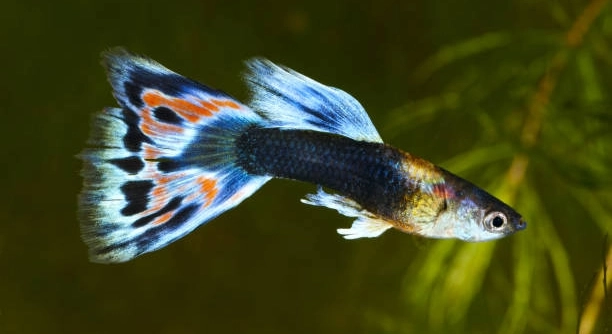
Guppies are popular aquarium fish, admired for their colorful appearance and active nature. However, it can be concerning when they begin to lose weight. If you’ve noticed your guppies becoming skinnier, it’s time to explore why.
Guppies may lose weight for several reasons, including poor diet, inadequate water quality, stress, or even underlying health issues. Addressing these factors is essential to ensuring your guppies remain healthy and continue to thrive in their environment.
Understanding the causes behind your guppies’ weight loss can help you take the necessary steps to improve their overall well-being. Keep reading to learn more about these potential issues and how to fix them.
Poor Diet and Nutrition
If your guppies aren’t getting the right food, it can lead to weight loss. Guppies need a balanced diet that includes high-quality fish flakes, pellets, and occasional live or frozen foods like brine shrimp or daphnia. Without the right nutrients, they can become weak and lose weight. Overfeeding can also cause health problems, but underfeeding is often the main issue. Lack of variety in their diet can result in nutritional deficiencies, leading to poor health.
To avoid nutritional issues, make sure you feed your guppies the proper amount and variety of food. This can help ensure they get the right nutrients. Be mindful of their feeding schedule and portion sizes to prevent any imbalances.
A healthy, balanced diet is essential for guppies to stay active and maintain a healthy weight. Ensure you’re providing food high in essential vitamins and minerals, which are crucial for their metabolism. Over time, a proper diet will help your guppies regain their energy and strength, allowing them to thrive.
Water Quality and Cleanliness
Water quality plays a significant role in a guppy’s health. Poor water conditions can cause stress, making it difficult for your fish to maintain a healthy weight. Guppies are sensitive to changes in water chemistry, so regular water changes and proper filtration are necessary. Low oxygen levels or high ammonia, nitrites, or nitrates can make your guppies weak, affecting their ability to eat and digest food properly.
Maintaining a clean and stable environment is key to preventing weight loss. Regularly test the water for harmful chemicals and toxins to keep your guppies in top condition.
Keeping the tank clean and ensuring the water is safe can help prevent the issues that lead to weight loss. Water quality is often an overlooked factor, but it’s vital for the overall well-being of your guppies.
Stress and Aggression
Stress can quickly lead to weight loss in guppies. It often results from poor tank conditions, aggressive tank mates, or sudden changes in their environment. Guppies are sensitive to stress, which can reduce their appetite and make them less active. Continuous stress can weaken their immune system, causing long-term health issues.
Ensure that your guppies are in a peaceful tank setup. Avoid keeping aggressive fish with them, as this can lead to constant stress. Also, sudden temperature or lighting changes should be avoided to maintain a stable environment. Regularly observe their behavior to catch signs of stress early.
Providing hiding spots and plants can help reduce stress, allowing guppies to retreat and feel secure. Keeping a calm and stable environment will allow your fish to flourish. Stress-free guppies are more likely to eat regularly and maintain their health.
Underlying Health Issues
Guppies are susceptible to various diseases that could cause weight loss. Conditions like internal parasites, swim bladder disease, or bacterial infections often lead to a decrease in appetite. Infected guppies may become lethargic, show abnormal behavior, or refuse to eat altogether. When left untreated, these health problems can rapidly deplete their body mass.
If you notice any abnormal behavior in your guppies, it’s important to act quickly. Isolate any affected fish to prevent the spread of disease and consult a vet. Some medications are available for treating common fish ailments, but always follow the proper treatment guidelines.
To prevent health issues, make sure your guppies are housed in a clean, properly filtered tank. Avoid overstocking the tank and provide the correct water parameters. Regularly check for signs of disease and treat any issues as soon as they appear. A proactive approach can help keep your guppies healthy and happy.
Inadequate Tank Size
If the tank is too small, it can cause stress and prevent guppies from thriving. Overcrowding reduces the amount of oxygen available, which can lead to weight loss. A small tank also limits the space guppies need to swim freely, which is crucial for their health.
Make sure your guppies have enough space to swim around. A general guideline is to provide at least one gallon of water per guppy. Providing more space will help reduce stress and improve the overall well-being of your fish. A larger tank also makes it easier to maintain clean water.
Inconsistent Water Temperature
Temperature fluctuations can have a significant impact on your guppies’ health. Guppies prefer a stable temperature range of 72-82°F (22-28°C). Too cold or too hot water can stress them out, decrease their appetite, and contribute to weight loss.
Investing in a reliable aquarium heater can help maintain a consistent water temperature. Regularly monitor the temperature to avoid sudden shifts that could harm your guppies. Keeping the temperature stable ensures they are comfortable and able to digest food properly.
Poor Water Circulation
Water circulation plays an important role in maintaining water quality. If the water in the tank is stagnant, it can cause an increase in toxins and waste buildup, leading to poor health for your guppies. This can lead to weight loss, as they become less active and stressed.
Ensure your tank has proper filtration and water movement to keep the water clean. Adding a filter that provides gentle water flow will help maintain a healthy environment. This also supports the oxygenation of the water, allowing your guppies to breathe easily and thrive.
FAQ
Why is my guppy losing weight despite eating?
If your guppy is eating regularly but still losing weight, it could be due to a few factors. Poor water quality, stress, or even a hidden illness might be preventing them from absorbing nutrients properly. Ensure the water is clean and at the right temperature. If everything seems fine in the environment, it’s best to check for signs of illness and consult with a vet.
Can stress cause my guppy to lose weight?
Yes, stress is a major factor that can lead to weight loss in guppies. Stress can make them less active, reduce their appetite, and even make them more susceptible to disease. Factors like aggression from other tank mates, poor water conditions, and a lack of hiding spaces can all contribute to stress. Keeping your tank environment calm and stable is essential for their health.
How can I tell if my guppy is sick?
Guppies show several signs when they’re unwell. Look out for unusual behavior like swimming erratically, hiding more than usual, or not eating. Physical signs such as faded colors, clamped fins, or swollen bellies can also indicate illness. If you notice these symptoms, it’s a good idea to isolate the sick guppy and seek treatment.
How often should I feed my guppies to prevent weight loss?
Feeding your guppies once or twice a day is generally recommended. Offer small portions that they can consume within a few minutes. Overfeeding can lead to water quality issues, while underfeeding can result in weight loss. A balanced diet of fish flakes, pellets, and occasional live or frozen foods will keep your guppies healthy.
Can water temperature affect my guppy’s weight?
Yes, water temperature is critical for guppy health. Guppies thrive in water between 72-82°F (22-28°C). If the water is too cold or too hot, it can stress your fish, decrease their appetite, and cause weight loss. Invest in a reliable heater and monitor the temperature regularly to keep your guppies comfortable.
Is it normal for guppies to lose weight after giving birth?
It is common for female guppies to lose weight after giving birth. This is because they expend a lot of energy during the birthing process. However, if the weight loss is excessive or continues for an extended period, you may need to check water conditions or provide additional nutrition to help her recover.
How can I reduce the chances of my guppies losing weight?
To prevent weight loss, ensure your guppies are in a well-maintained tank with good water quality, proper temperature, and enough space to swim. A balanced diet and regular water changes will also help maintain their health. Keep their environment stable and stress-free, avoiding aggressive tank mates.
What should I do if my guppy refuses to eat?
If your guppy refuses to eat, the first step is to check the water quality and ensure the temperature is suitable. Stress or illness can also cause a lack of appetite. Try offering a variety of foods, such as live or frozen shrimp, to stimulate their interest. If the problem persists, consider isolating the fish and seeking treatment.
How can I prevent overfeeding my guppies?
To avoid overfeeding, only give your guppies as much food as they can consume within 2-3 minutes. It’s easy to overfeed if you’re unsure, but remember, it’s better to underfeed slightly than overfeed. You can also invest in an automatic fish feeder that dispenses small portions of food at regular intervals.
Can overstocking a tank lead to weight loss in guppies?
Yes, overstocking can stress your guppies, leading to weight loss. Overcrowding increases competition for food, reduces oxygen levels, and leads to poor water quality. This puts your guppies at risk of stress and health issues. Always make sure your tank is appropriately sized for the number of fish you have.
Is it necessary to quarantine new guppies?
Yes, it’s a good idea to quarantine new guppies before introducing them to your main tank. This can help prevent the spread of diseases or parasites that might be present in the new fish. Quarantine for about two weeks, ensuring that the new fish are healthy before adding them to the tank.
Can guppies recover from weight loss?
Yes, guppies can recover from weight loss if the underlying cause is addressed. Ensuring they have a proper diet, clean water, and a stress-free environment will help them regain weight. If an illness is the cause, treating the disease can also aid in their recovery.
Should I treat my guppy with medication if it’s losing weight?
If your guppy is losing weight due to illness, using medication may be necessary. Consult with a veterinarian or fish expert to determine the right course of treatment. If the cause of weight loss is related to water quality or stress, medication may not be needed, and environmental adjustments will help.
How can I improve my guppy’s water quality?
Improving water quality starts with regular water changes. Aim to change 25-30% of the water weekly. Use a good filtration system, and test the water for ammonia, nitrites, and nitrates to ensure levels are within safe limits. Maintaining the proper pH and temperature is also crucial for guppy health.
Can different types of food help my guppies gain weight?
Yes, offering a variety of foods can help guppies gain weight. High-quality fish flakes or pellets should form the base of their diet, but adding live or frozen foods like brine shrimp, daphnia, or bloodworms can provide additional nutrients. Variety ensures they receive a balanced diet to promote healthy growth.
Can tank mates affect my guppy’s weight?
Yes, aggressive or overly dominant tank mates can cause stress, which may lead to weight loss in guppies. Keep guppies with peaceful species and avoid overcrowding. If you notice signs of aggression, consider rehoming or separating the fish to reduce stress and ensure your guppies thrive.
Final Thoughts
Guppies are resilient fish, but they can face challenges that affect their health, including weight loss. Understanding the factors that contribute to weight loss, such as poor water quality, stress, and an inadequate diet, can help prevent these issues. Regular maintenance of the tank, ensuring proper water conditions, and offering a balanced diet are essential for your guppy’s well-being. Monitoring their behavior and physical condition will also help catch any problems early, allowing for quicker interventions.
Addressing weight loss in guppies requires a careful look at their environment. Poor tank conditions, such as overcrowding or incorrect water temperature, can lead to stress, which affects their appetite and overall health. By ensuring the tank is large enough, maintaining clean water, and keeping the temperature consistent, you can minimize these risks. Providing hiding spots and keeping tank mates compatible will also reduce stress and allow your guppies to feel secure in their environment.
Lastly, be patient with your guppies if they experience weight loss. Sometimes, it takes time to correct environmental factors or adjust their diet. If you notice that your guppy’s condition does not improve despite your efforts, it might be worth consulting a vet to rule out any underlying diseases. With attention to their needs and care, your guppies can regain their health and thrive in a comfortable, stress-free tank.

Hello,
If you enjoy the content that we create, please consider saying a "Thank You!" by leaving a tip.
Every little bit helps us continue crafting quality advice that supports the health, happiness, and well-being of pets around the world, for pets of all shapes, sizes, and species.
We really appreciate the kindness and support that you show us!