
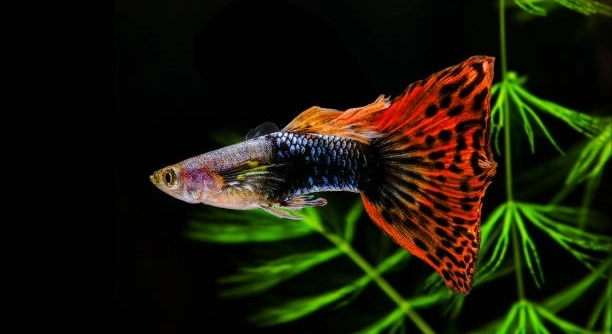
Guppies are lively and curious fish, often seen exploring their tank. However, it’s not unusual for them to jump out unexpectedly. Understanding why they do this can help ensure your tank stays secure and your fish remain safe.
The most common reasons guppies jump out of the tank include stress, water quality issues, overcrowding, and a lack of hiding spots. These factors can create discomfort, prompting them to leap out in search of a more suitable environment.
By addressing these key factors, you can reduce the chances of your guppies jumping and create a safer, more comfortable space for them to thrive.
Stress from Tank Environment
Guppies are sensitive to changes in their environment. Sudden shifts in temperature, lighting, or tank decoration can cause them stress. When stressed, guppies may attempt to escape their tank as a reaction to feeling threatened or uncomfortable. These changes can disrupt their natural behavior, making them restless. Even small adjustments can trigger anxiety, leading to attempts to leap out of the water. It’s important to maintain a stable environment, keeping the temperature consistent and avoiding drastic changes in the tank setup. Providing a calm, predictable space will reduce their need to jump.
A consistent tank environment minimizes stress, promoting comfort and security for guppies.
Stress can also arise from aggressive tank mates. Guppies may try to jump if they feel unsafe or threatened by other fish, particularly if they are in a crowded tank. Adding adequate hiding spots or rearranging the layout can help alleviate tension and prevent jumping.
Poor Water Quality
Water quality is crucial for guppy health. If the water conditions are poor, it can lead to discomfort, making the guppies more prone to jumping. High levels of ammonia, nitrites, or low oxygen can cause significant distress. Guppies require clean, well-filtered water to thrive. Testing the water regularly and performing partial water changes is essential for maintaining good water quality. Proper filtration ensures that harmful substances are removed, keeping the tank environment safe and comfortable. Without proper maintenance, guppies may feel trapped or suffocated, which can drive them to leap out of the tank.
Regular water testing and consistent tank maintenance help prevent water quality issues that could lead to jumping.
To avoid poor water quality, be sure to monitor pH levels, temperature, and nitrate levels. When guppies face poor water conditions, they may display unusual behavior, like jumping or hiding. Maintaining optimal water parameters ensures your guppies stay healthy and content. Regular cleaning and filtering will not only improve the fish’s comfort but also keep your tank environment stable.
Overcrowding in the Tank
Overcrowding is a common issue that leads to stressed guppies. Too many fish in a small tank increases competition for space and resources, creating an uncomfortable environment. Guppies need space to swim freely, and without it, they may start jumping in search of more room.
If the tank is too crowded, guppies may feel trapped and overwhelmed, causing them to jump. A well-sized tank for the number of fish allows them to behave naturally and reduces the likelihood of jumping. Keeping only a few fish per gallon of water helps maintain a peaceful environment and ensures your guppies stay relaxed.
To prevent overcrowding, always consider the fish-to-water ratio when adding guppies to your tank. A general rule is one inch of fish per gallon. Larger tanks provide more space and reduce the chances of stress-related behavior like jumping. Consider upgrading your tank if the space feels cramped.
Lack of Hiding Spaces
Guppies, like many fish, seek comfort in places where they can hide. Without hiding spaces, they may feel vulnerable and exposed, which can lead to stress. Guppies that feel unsafe are more likely to attempt escaping their tank to find protection elsewhere.
Providing plants, rocks, or other structures for your guppies to hide behind can help them feel secure. When they have access to places to retreat, they will be less likely to jump out. These hiding spaces mimic their natural habitat and allow them to behave as they would in the wild.
Adding plants or decorations not only helps with the guppies’ comfort but also makes your tank more visually appealing. It’s essential to have a variety of hiding spaces to accommodate all the fish, especially if your tank has multiple species.
Inconsistent Lighting
Guppies rely on consistent lighting to maintain their natural day-night cycle. Sudden changes in light intensity or timing can disrupt their behavior, leading to stress. If they’re exposed to light for too long or not enough, they may jump as a reaction.
A stable light schedule is crucial for guppy health. Providing 10-12 hours of light each day, with a period of darkness, helps regulate their internal clocks. Without this, guppies may feel unsettled, prompting them to jump. Investing in a timer for your lights ensures consistency and minimizes stress.
Temperature Fluctuations
Guppies are sensitive to water temperature changes. Even slight fluctuations can lead to discomfort. If the temperature rises or falls too quickly, guppies may try to escape. Maintaining a consistent, warm water temperature is essential for their well-being.
A heater can help regulate the temperature, keeping it within the ideal range of 72–82°F (22–28°C). Sudden drops or increases can cause shock, making them more likely to jump. Regularly check the temperature with a thermometer to avoid unexpected changes.
FAQ
Why are my guppies jumping out of the tank?
Guppies may jump out of the tank due to several reasons, including stress from poor water quality, overcrowding, sudden changes in their environment, or a lack of hiding spaces. They could also be reacting to inconsistent lighting or temperature fluctuations. Identifying and addressing these factors will help reduce the chances of guppies jumping.
How can I stop my guppies from jumping?
To stop your guppies from jumping, ensure their tank environment is stable. Keep water conditions clean, maintain proper temperature, and avoid overcrowding. Add hiding spots for security, provide consistent lighting, and reduce sudden changes in their environment. A secure tank lid can also help prevent them from escaping.
Is it normal for guppies to jump?
Jumping is not uncommon for guppies, but it is a sign of discomfort or stress. While guppies are naturally curious, excessive jumping may indicate an underlying issue in their environment that needs to be addressed. Identifying and fixing these factors will reduce this behavior.
What kind of tank setup is best for guppies?
A suitable tank setup for guppies includes proper filtration, regular water changes, and plenty of swimming space. Guppies enjoy a tank with plants, decorations, and hiding spots. A well-maintained tank with stable water quality, temperature, and light is essential to prevent stress and unwanted behaviors like jumping.
Can other fish cause guppies to jump?
Yes, other fish can cause stress and make guppies jump. Aggressive or territorial species may chase, nip, or overcrowd the guppies, leading them to feel unsafe. To reduce the risk, keep peaceful tank mates with similar temperaments and avoid overstocking the tank.
Do guppies need a lid on their tank?
Yes, guppies can jump out of the tank, especially if they feel stressed or crowded. Using a tank lid can prevent them from escaping and protect them from any potential harm. A secure lid also helps maintain water temperature and reduces the risk of contamination from dust or debris.
What is the ideal water temperature for guppies?
The ideal water temperature for guppies is between 72°F and 82°F (22°C to 28°C). Keeping the water temperature within this range ensures they stay comfortable and reduces the likelihood of jumping due to temperature fluctuations. Invest in a reliable aquarium heater to maintain consistent temperatures.
How often should I change the water in my guppy tank?
Water changes should be done regularly to maintain a clean environment. Typically, changing 10-20% of the water every week is sufficient for most guppy tanks. This helps remove waste and maintain proper water quality, reducing stress on your fish and decreasing the chances of jumping.
Do guppies need a filter?
Yes, guppies need a filter to ensure water remains clean and properly oxygenated. A filter helps maintain water quality by removing waste and excess nutrients. Without a filter, the water can become polluted, leading to poor water quality that could stress the guppies and cause them to jump.
How do I know if my guppies are stressed?
Signs of stress in guppies include erratic swimming, hiding, loss of appetite, or excessive jumping. If you notice these behaviors, it’s important to check the water quality, temperature, and overall tank conditions. Stress can lead to health issues, so addressing the problem promptly is crucial for their well-being.
Can guppies live with other species of fish?
Guppies can live with other peaceful species of fish, but they should not be kept with aggressive or territorial fish. Species like bettas, cichlids, or larger predatory fish may harm or stress the guppies. Always research tank mates before adding them to avoid causing undue stress or aggression.
How can I tell if the water quality is poor for my guppies?
Poor water quality can be detected by observing your guppies’ behavior. If they are gasping at the surface, swimming erratically, or showing signs of illness, the water quality may be poor. Test the water for ammonia, nitrites, and nitrates, and adjust as needed. Regular water testing will keep your tank healthy.
Why do guppies jump when I clean the tank?
Guppies may jump during tank cleaning due to stress or sudden changes in their environment. Cleaning can disturb their habitat, alter water parameters, or cause them to feel insecure. To minimize jumping, avoid making drastic changes to the tank setup and ensure the water conditions are stable after cleaning.
What are the best tank mates for guppies?
Guppies do well with peaceful tank mates like tetras, mollies, and platies. Small, non-aggressive species help maintain a calm environment and reduce stress. Avoid large, aggressive fish that may chase or nip at the guppies, as this will cause them to feel threatened and could result in jumping.
Final Thoughts
Guppies are generally peaceful and easygoing fish, but when they start jumping out of their tanks, it’s a sign that something in their environment isn’t right. Whether it’s overcrowding, poor water quality, temperature fluctuations, or a lack of hiding spaces, each of these factors can cause stress, leading your guppies to seek an escape. It’s important to regularly check your tank’s conditions and make adjustments to ensure the well-being of your fish.
A well-maintained tank with proper filtration, stable temperature, and enough space for your guppies will help them thrive. Regular water changes are essential to keep the water clean, and the right balance of plants, decorations, and hiding spots will allow your guppies to feel secure. Keeping the lighting consistent and not exposing them to sudden changes can also reduce the likelihood of jumping. When your guppies feel comfortable in their tank, they’re less likely to display jumping behavior.
By understanding the reasons why guppies jump and taking the right steps to address these issues, you can create a peaceful and stress-free environment for your fish. It’s about finding the right balance in their habitat, ensuring their needs are met, and preventing problems before they arise. Keeping your guppies healthy and happy doesn’t have to be difficult, but it does require attention to their tank’s conditions and an understanding of their behavior. With the right care, your guppies can live a long and peaceful life in their aquarium.

Hello,
If you enjoy the content that we create, please consider saying a "Thank You!" by leaving a tip.
Every little bit helps us continue crafting quality advice that supports the health, happiness, and well-being of pets around the world, for pets of all shapes, sizes, and species.
We really appreciate the kindness and support that you show us!