
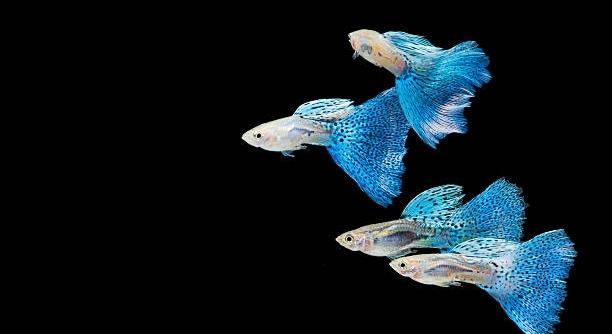
Guppies are lively and colorful fish that bring joy to any aquarium. However, it’s common for them to jump out of their tanks. Understanding why they do this can help you prevent accidents and keep your fish happy.
Guppies jump for several reasons, including stress, poor water quality, inadequate tank size, or improper tank conditions. Their behavior may also be triggered by changes in their environment, such as sudden temperature shifts or the presence of other aggressive fish.
There are simple ways to address these causes and improve your guppy’s living conditions. This will help ensure your fish stay safe and comfortable, reducing the chances of them jumping out of the tank.
Poor Water Quality
Water quality is one of the main reasons guppies jump. If the water is too dirty, it can cause stress or make them uncomfortable. Ammonia, nitrites, and nitrates build up over time, especially if you don’t perform regular water changes. High levels of these substances can be toxic to guppies, causing them to jump out of the tank in search of cleaner water.
It’s crucial to test the water regularly to ensure it’s safe for your fish. Poor water conditions, such as high levels of chlorine or incorrect pH, can create an unstable environment. These factors contribute to stress and may drive guppies to try and escape.
To prevent water quality issues, perform regular water changes. Keeping the tank clean and ensuring the filter is working properly will create a stable environment for your guppies. Adding live plants can help maintain water quality by absorbing excess nutrients and providing oxygen. Testing the water regularly will keep your guppies healthy and prevent them from jumping.
Tank Size and Space
Guppies can become stressed if their tank is too small. A cramped space limits their ability to swim freely and can lead to discomfort. Even though guppies are small fish, they need enough space to move around.
When choosing a tank size, aim for at least 10 gallons for a small group of guppies. A larger tank allows for better water circulation, which helps maintain good water quality. It also provides more hiding places and plants, which help reduce stress.
Guppies are active swimmers, and they thrive in a tank that offers space for them to explore. If their environment is too small or overcrowded, they may feel threatened or frustrated. Overcrowding can also cause poor water quality, which compounds the stress. Ensure you have the proper tank size and avoid overfilling it with too many fish. Guppies are happier in a spacious tank where they can swim freely without feeling cramped or threatened.
Stress from Tank Mates
If guppies are kept with aggressive tank mates, they may jump to escape the stress. Fish like bettas, larger cichlids, or fin-nipping species can make guppies feel unsafe. Constant harassment or being chased around the tank can lead to anxiety, which triggers jumping behavior.
It’s important to research which species are compatible with guppies. Peaceful fish like neon tetras, mollies, or other guppies make much better tank mates. If you notice your guppies are constantly hiding or seem stressed, consider separating them from more aggressive fish.
In some cases, even overly active or territorial fish can stress guppies. This stress affects their overall health and may lead them to attempt an escape. Observe your guppies closely, and if they show signs of stress, it might be time to rearrange the tank or switch out tank mates. Keeping them in a peaceful environment is key to their well-being.
Improper Temperature
Guppies are sensitive to temperature changes, and fluctuating temperatures can stress them out. If the water is too cold or too warm, they might try to jump out. Ideal water temperature for guppies is between 72°F and 82°F (22°C and 28°C).
Sudden shifts in temperature, such as from a heater malfunction or placing the tank near a draft, can disturb your guppies. To prevent this, ensure the aquarium is in a stable environment, away from windows or doors that may let in cold air. A reliable heater can help maintain a constant temperature, but it’s important to monitor it regularly.
Using a thermometer in the tank can also help you track the temperature. If you notice sudden fluctuations, it’s a sign that adjustments are needed. Keeping the water at a stable, comfortable temperature is essential for guppies to feel safe and reduce the risk of them jumping.
Overfeeding
Overfeeding can cause your guppies to feel uncomfortable in their environment. Excess food can lead to water quality issues and excess waste, which increases stress levels. Additionally, guppies may become sluggish and less active, making them more prone to jumping.
It’s important to feed guppies only what they can eat in a few minutes. Remove any uneaten food after feeding. This helps maintain water quality and keeps your fish active and healthy. A consistent feeding routine also ensures your guppies stay happy without overloading the tank with unnecessary waste.
Feeding your guppies in smaller, controlled portions will help prevent this problem. By keeping their environment clean and avoiding overfeeding, you reduce the risk of stressing them out. It’s a simple yet effective way to improve their well-being and prevent them from jumping.
Tank Cover
Having a tank cover is a basic yet important step in preventing your guppies from jumping. Guppies are small, energetic fish that sometimes leap out, especially when startled. A cover will keep them safely inside the tank.
A simple mesh or glass lid is enough to keep them in place. Ensure that it fits snugly and doesn’t leave gaps. This can help you avoid the stress of constantly having to look for escaped fish or clean up after them.
A good cover will also help maintain the tank’s temperature and prevent evaporation, which is another benefit. It’s a small investment to make sure your guppies stay safe and comfortable in their home.
FAQ
Why do guppies jump out of the tank?
Guppies may jump due to stress caused by various factors such as poor water quality, inappropriate tank mates, improper temperature, or overcrowding. A sudden change in their environment, like a shift in water temperature or the presence of an aggressive fish, can trigger their jumping behavior. Additionally, if they feel unsafe or trapped, they might attempt to escape.
How can I prevent guppies from jumping out of the tank?
To prevent guppies from jumping, ensure your tank is well-maintained, with stable water quality and temperature. Use a tank cover to prevent escapes and provide enough space for them to swim comfortably. Avoid keeping aggressive or territorial fish with guppies, and ensure the tank is not overcrowded. Keeping the water clean and properly filtered also reduces stress, which is a major factor in jumping.
Is it normal for guppies to jump?
While it’s not uncommon for guppies to jump, it’s usually a sign that something in their environment isn’t quite right. If your guppy is jumping frequently, it’s important to investigate the potential causes and address them. Guppies are generally calm fish and won’t jump unless they feel stressed, uncomfortable, or threatened.
Can jumping damage a guppy?
Yes, jumping can lead to serious injury or even death. If a guppy jumps out of the tank, it may land on a hard surface, causing physical harm. In some cases, guppies may also fall into areas that are difficult to reach, leading to prolonged stress or dehydration. It’s crucial to address the cause of their jumping to prevent such accidents.
What is the ideal tank size for guppies?
The ideal tank size for guppies depends on how many you plan to keep. For a small group of guppies, a tank of at least 10 gallons is recommended. This allows enough space for the fish to swim freely, reduces stress, and helps maintain better water quality. A larger tank also provides more options for tank mates, reducing the chances of aggression.
How often should I clean the tank to prevent jumping?
Regular tank cleaning is essential for preventing stress and maintaining water quality. You should perform partial water changes every one to two weeks, depending on the size of the tank and the number of fish. Additionally, clean the filter monthly and remove any uneaten food promptly. Keeping the environment clean reduces toxins and helps prevent jumping due to discomfort or poor water conditions.
What is the best water temperature for guppies?
Guppies thrive in water temperatures between 72°F and 82°F (22°C and 28°C). Extreme temperature fluctuations can stress them out, causing them to jump. Using a reliable aquarium heater and thermometer will help maintain a stable temperature. Ensure your tank isn’t placed in a spot with drafts or direct sunlight, as this can cause sudden temperature changes.
Can overcrowding cause guppies to jump?
Yes, overcrowding can cause significant stress to guppies, which may lead them to jump. When there are too many fish in the tank, there isn’t enough space for them to swim, and the water quality deteriorates quickly. This can lead to poor oxygen levels and a build-up of toxins, which makes guppies feel trapped. It’s essential to ensure you have enough space for each fish.
Are guppies aggressive toward other fish?
Guppies are generally peaceful and social, but they can become stressed if kept with aggressive or territorial fish. While guppies won’t usually pick fights, they may become anxious around more dominant species, leading to jumping. To prevent this, it’s important to choose tank mates carefully. Peaceful species like tetras, mollies, or other guppies are best.
How can I tell if my guppy is stressed?
Signs of stress in guppies include rapid swimming, hiding, loss of appetite, and discoloration. If your guppy is constantly near the surface or swimming erratically, it could be stressed. You might also notice them becoming lethargic or exhibiting abnormal behavior like jumping. Identifying these signs early can help you address the problem and reduce stress.
Final Thoughts
Guppies are lively and beautiful fish that can bring a lot of joy to your home. However, when they start jumping out of the tank, it can be concerning. While jumping is a natural behavior, it usually happens because of stress or discomfort. Identifying and addressing the cause of this behavior is key to keeping your guppies healthy and happy. Whether it’s poor water quality, improper tank conditions, or the presence of aggressive tank mates, there are many factors that can make your guppies feel unsafe. The good news is that by making a few simple adjustments, you can create a better environment for them.
The most important thing is to maintain a stable environment. Regular water changes, proper filtration, and consistent water temperature will go a long way in reducing stress for your guppies. Make sure the tank is large enough for them to swim freely and avoid overcrowding. Keeping their space peaceful by choosing appropriate tank mates can also prevent unnecessary stress. Guppies thrive in calm, clean, and well-maintained tanks, and creating this environment is essential for their well-being. Using a tank cover will also help protect them from jumping out, keeping them safe.
Lastly, it’s important to observe your guppies closely and pay attention to their behavior. If they are jumping or showing signs of stress, it’s a good idea to review their living conditions. Small changes, like adjusting the temperature or introducing a better filtration system, can make a significant difference. By keeping their environment as stress-free as possible, you not only reduce the chances of them jumping but also improve their overall health and happiness. With proper care, your guppies will continue to thrive in their tank without the need to jump out.

Hello,
If you enjoy the content that we create, please consider saying a "Thank You!" by leaving a tip.
Every little bit helps us continue crafting quality advice that supports the health, happiness, and well-being of pets around the world, for pets of all shapes, sizes, and species.
We really appreciate the kindness and support that you show us!