
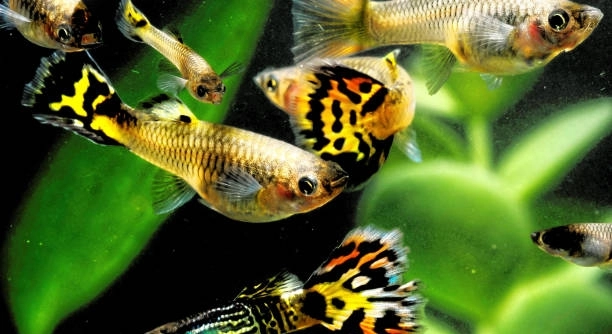
Guppies are popular fish among aquarium enthusiasts due to their vibrant colors and easy care requirements. They’re especially known for being simple to breed, making them an appealing option for beginners. Let’s explore why that is.
Guppies breed easily due to their high fertility rate, short gestation period, and adaptability to various environments. They reproduce quickly, often giving birth to numerous offspring that mature rapidly, making them ideal for breeding in controlled setups.
Understanding why guppies are so easy to breed can help you create the right environment for their growth. Keep reading to learn more about how to successfully breed these delightful fish.
High Fertility Rate Makes Breeding Easy
Guppies are known for their impressive fertility. A female can give birth to 20 to 50 fry in a single batch, sometimes even more. This is because guppies have a relatively short breeding cycle. They can start reproducing at around 2 to 3 months old. Due to their ability to reproduce quickly, guppies can populate an aquarium in no time. Their high fertility ensures that even if some fry are lost, there will still be plenty of new fish to keep the cycle going. This makes them an excellent choice for anyone looking to breed fish with minimal effort.
Breeding guppies is so simple because of their high fertility rate. You only need one male and a few females to start the process. It’s a reliable and fast way to grow your guppy population.
In fact, a single mating can result in multiple generations of guppies. As long as the water quality is maintained, guppies will continue to breed without much intervention. The fry grow quickly, reaching maturity in about 3 to 4 months. With such a rapid breeding rate, keeping track of each generation can be fun and rewarding.
Short Gestation Period Keeps Things Moving
One of the most appealing traits of guppies is their short gestation period. Female guppies carry their fry for about 21 to 30 days before giving birth. This fast reproduction cycle means that breeding doesn’t take long to start producing results. In just a few weeks, you’ll have new fish swimming around. This is a major benefit for anyone looking to breed fish in a relatively short amount of time.
The short gestation period allows for faster results in breeding guppies. They do not require long waits between batches, making them a great option for anyone interested in quickly expanding their aquarium.
Their quick pregnancies contribute to the overall ease of breeding. After each birth, females can mate again soon after, ensuring a continuous cycle. This means you’ll often see new batches of fry every few weeks, giving you plenty of opportunities to grow your guppy population rapidly without needing to wait for long intervals.
Adaptability to Different Environments
Guppies thrive in various water conditions. They can handle a range of temperatures, from 72°F to 82°F, and different water types. This adaptability makes breeding much easier, as they can live in a variety of tanks and conditions without significant adjustments.
When it comes to breeding, guppies’ ability to adapt to different environments is a huge benefit. Whether your tank is a bit warmer or cooler than usual, guppies can still breed successfully. This flexibility means that you don’t need to worry about creating a perfect, specific environment. Guppies are hardy and able to adjust to slight changes in their surroundings.
Their resilience also extends to water quality. While they do prefer clean water, they are not as sensitive to minor fluctuations in water parameters as some other fish species. This trait makes them a great choice for beginners who may not yet have perfected their tank maintenance routine. Even with minor mistakes, guppies will still thrive and reproduce.
No Special Feeding Needs
Guppies don’t require special food for breeding. They will eat a variety of fish flakes, live foods, or even frozen food. This simplicity in their diet ensures that they stay healthy and are ready to breed without additional steps or care.
Feeding guppies during their breeding cycle doesn’t need to be complicated. Providing them with a balanced diet of commercial fish food, supplemented with occasional live foods like brine shrimp, will support their reproductive health. It’s an easy, straightforward process. You don’t need to purchase any fancy or expensive foods to encourage breeding.
As long as you maintain a regular feeding schedule, guppies will remain healthy and active. Overfeeding should be avoided, but they do well with small, consistent meals throughout the day. This minimal effort in their care allows you to focus on other aspects of breeding, such as water quality, without worrying about their nutrition.
Fast Growth of Fry
Guppy fry grow quickly, which makes breeding even easier. Within a month or two, they can reach a size where they no longer need protection from adult fish. This fast development helps ensure that your guppy population keeps growing rapidly.
The fry will often start swimming on their own shortly after birth. They are small but already capable of feeding. As they mature, they quickly become independent and blend into the tank. You’ll start seeing new guppies reaching adult size faster than you might expect. This quick growth rate is another reason why guppies are easy to breed.
Low Maintenance for Breeding
Guppies require very little maintenance to breed. Once you’ve set up a stable tank with clean water, you don’t need to worry much. Simply provide a few hiding spots for the fry, and the rest takes care of itself.
Maintaining a balanced environment without complex adjustments will allow your guppies to breed naturally. Keeping the tank clean and feeding them regularly is all that’s needed to keep the cycle going. No constant intervention or complicated care routine is necessary.
FAQ
How long does it take for guppies to breed?
Guppies can breed in as little as two to three months after birth. Females are ready to reproduce quickly, and the gestation period lasts between 21 to 30 days. Once the fry are born, the process begins again almost immediately. This fast reproduction cycle makes guppies ideal for anyone looking to breed fish with minimal wait times.
How many fry do guppies have at once?
A healthy female guppy can give birth to anywhere from 20 to 50 fry in one batch. In some cases, especially with very healthy or well-conditioned females, the number can be even higher. The exact number depends on factors like the age, size, and overall health of the female.
Do guppies need a mate to reproduce?
Yes, guppies require both a male and a female for breeding. The male will fertilize the female’s eggs, which she will later give birth to. However, female guppies can store sperm for several months after mating, meaning they can have multiple batches of fry from a single mating.
How can I tell if a guppy is pregnant?
Pregnant female guppies will have a noticeably swollen abdomen. The gravid spot, a dark area near the back of their abdomen, will also become more visible as the pregnancy progresses. As the birth date approaches, you may see the fry forming inside her belly.
Can guppy fry survive without a separate tank?
While it’s possible for guppy fry to survive in the same tank as the adults, it’s usually a good idea to provide a separate breeding tank or a breeding box. Adult guppies may eat their fry, so keeping them in a more secure environment for the first few weeks helps ensure their survival.
How often do guppies breed?
Guppies can breed every 30 days or so. After giving birth, the female can mate again almost immediately, leading to continuous breeding cycles. A female guppy can give birth to multiple batches of fry in just a few months, which is part of the reason why guppies can populate an aquarium so quickly.
How can I encourage guppies to breed?
To encourage guppies to breed, make sure the water conditions are optimal. Keep the water temperature between 72°F to 82°F, and maintain a pH between 6.8 and 7.8. Providing a balanced diet of high-quality fish food and occasional live foods like brine shrimp will also help. Additionally, ensure there are plenty of hiding spots for the fry to avoid being eaten by adults.
What is the best tank size for breeding guppies?
A tank of at least 10 gallons is ideal for breeding guppies. This size gives the fish enough space to swim and breed comfortably. A larger tank will also help maintain stable water parameters and reduce stress on the fish. Make sure to include plenty of plants or decorations where fry can hide.
Should I separate male and female guppies?
While it’s not necessary to separate males and females all the time, if you’re looking to control the breeding, separating them is a good idea. Males tend to constantly court females, which can be stressful for the females if not properly managed. Separating them can help regulate the breeding cycle.
Can guppies breed in freshwater?
Yes, guppies can breed in freshwater. They thrive in a wide range of freshwater conditions, and this includes breeding. As long as the water temperature and quality are well-maintained, guppies will breed happily in freshwater tanks.
What should I do if the fry are getting eaten by the adults?
To protect the fry, consider using a breeding box or separate tank for the first few weeks of life. You can also increase the number of hiding spots in the tank by adding plants or decorations. Guppies are livebearers, and while the fry can be born in the same tank, adult guppies often eat them if there isn’t enough cover.
How can I tell when a female guppy is ready to give birth?
A female guppy will appear more bloated as she nears the end of her pregnancy. The gravid spot near her abdomen will darken, and you may see the fry moving around inside her. When she’s about to give birth, she’ll start seeking out a quiet, private space in the tank.
Do I need to do anything special for guppy fry after they’re born?
After the fry are born, they don’t require much special care other than protection from adult guppies. Feed them fine powdered fish food or newly hatched brine shrimp. Make sure the water quality remains high, as fry are sensitive to changes in water conditions. Keep the tank clean and well-maintained for their healthy development.
How do I prevent inbreeding among guppies?
Inbreeding can be avoided by ensuring there is genetic diversity in your guppy population. You can achieve this by introducing new males and females from different sources. If you’re breeding guppies in a small tank, it’s a good idea to occasionally bring in new fish to avoid genetic problems.
Can I keep other fish with my breeding guppies?
Yes, guppies can live with many types of fish, but it’s important to choose species that won’t pose a threat to them. Avoid aggressive fish, as they may stress out the guppies or even eat them. Peaceful species like neon tetras or corydoras catfish make good tank mates.
Breeding guppies is an accessible and rewarding experience for anyone interested in keeping fish. With their high fertility rate, short gestation period, and fast-growing fry, guppies make the process straightforward and enjoyable. Their adaptability to different water conditions and low maintenance needs also make them a good choice for beginners. As long as the environment is stable, they will thrive and reproduce without much effort. For those who are looking to breed guppies, it can be a fun and educational experience as you watch the small fish grow and reproduce.
One of the main advantages of breeding guppies is how quickly they reproduce. The females can give birth to a large number of fry in a short amount of time, allowing you to build your guppy population quickly. Additionally, their ability to adapt to different water conditions means that even if you are still learning the ins and outs of aquarium care, your guppies will likely still breed successfully. All you need is a clean, well-maintained tank, and the right diet, and the breeding process can run smoothly. It’s a simple process that doesn’t require complicated steps or constant monitoring.
However, it’s important to remember that while breeding guppies is easy, it does come with its own set of responsibilities. You’ll need to monitor the tank’s water quality regularly, and provide food that supports both adult and fry growth. Also, managing the population can become tricky as guppies breed so frequently. Keeping track of generations and ensuring the fry are safe from adults requires some attention, but it’s all part of the fun. Ultimately, breeding guppies can be a rewarding experience that adds life to your aquarium and allows you to witness the beauty of new generations of fish.

Hello,
If you enjoy the content that we create, please consider saying a "Thank You!" by leaving a tip.
Every little bit helps us continue crafting quality advice that supports the health, happiness, and well-being of pets around the world, for pets of all shapes, sizes, and species.
We really appreciate the kindness and support that you show us!