
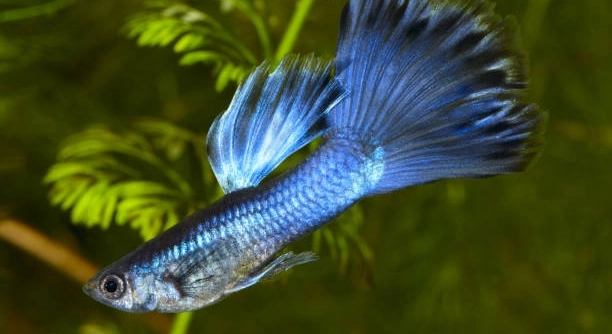
Guppies are a popular choice for those new to the world of fishkeeping. Their vibrant colors and easy care make them an attractive option for beginners. Understanding their needs can help ensure a successful start in the hobby.
Guppies are ideal for beginners due to their low maintenance, small size, and ability to thrive in various water conditions. Their hardy nature, coupled with their peaceful temperament, makes them suitable for first-time aquarium owners, providing an enjoyable experience.
With just a bit of knowledge, you’ll be on your way to a thriving guppy tank. Keep reading to learn more about these wonderful fish and why they are a great addition to any beginner’s aquarium.
Guppies Are Low Maintenance
Guppies are known for their resilience and adaptability. They don’t require constant attention, making them perfect for those just starting out. They can live in a variety of tank conditions and are not too demanding when it comes to water quality. They can tolerate a range of temperatures and pH levels, which allows new fish keepers to focus on other aspects of aquarium care, such as feeding and tank cleanliness. With proper care, guppies thrive in most beginner setups, offering vibrant color and movement with minimal effort.
For those who may be intimidated by more complex fish care, guppies are an excellent option. Their easy-going nature and low requirements make them ideal for beginners.
These fish are also quite social, which means you don’t need to worry about keeping them entertained or isolated. As long as their basic needs are met, they will stay healthy and active in a tank, bringing life to any aquarium.
Guppies Are Affordable
One of the biggest draws of guppies is their affordability. They are commonly found in pet stores and are relatively inexpensive compared to other species. Their easy breeding habits also contribute to the low cost, as they can often reproduce in your own tank.
This means you don’t need to constantly buy new fish, making them an even better choice for beginner hobbyists. The cost-effectiveness of guppies allows you to focus more on setting up your aquarium rather than worrying about expenses.
They do not require fancy or costly equipment to keep them healthy. A simple filtration system and proper lighting will usually suffice. Guppies can thrive with minimal investment, which makes them ideal for those just starting out and looking for a cost-effective introduction to fishkeeping.
Guppies Are Peaceful
Guppies are peaceful and get along well with other species. They are not aggressive, which makes them ideal for a community tank. Their friendly nature allows them to coexist with other fish, even those of different sizes. This trait makes them a popular choice for beginner aquariums.
They do best in tanks with other peaceful species. Avoid putting them with aggressive fish, as they may get stressed or hurt. Guppies thrive when kept with similar-sized, calm companions like tetras or small shrimp. Their docile nature ensures a harmonious environment for both them and their tank mates.
Because of their temperament, guppies can also help ease any worries about aggression or territorial behavior in your tank. Whether you’re new to fishkeeping or not, their peaceful demeanor offers reassurance, ensuring you won’t have to constantly monitor their interactions with other fish.
Guppies Are Easy to Feed
Guppies are easy to feed and don’t have complicated dietary needs. They will happily eat a variety of fish food, from flakes to frozen or live food. This flexibility makes feeding them straightforward for beginners. Their small size means they don’t require large portions, which helps prevent overfeeding.
Offering them a balanced diet, including high-quality flake food supplemented with occasional live or frozen foods like brine shrimp, will keep them healthy. It’s important to feed them in small amounts that they can consume in a few minutes, avoiding excess food that could pollute the water.
Additionally, they are not picky eaters and can adapt to different types of food. This makes maintaining a healthy diet easy for anyone, regardless of experience level. Their appetite is consistent, and you won’t need to worry about spending too much time preparing meals for them.
Guppies Are Hardy
Guppies are incredibly hardy and can survive in a variety of water conditions. They are tolerant of fluctuations in temperature and water quality, making them ideal for new aquarium owners. Their resilience ensures that even small mistakes won’t harm them, allowing you to learn as you go.
This hardiness makes them forgiving of beginners’ errors, such as incorrect water changes or minor fluctuations in water parameters. Guppies adapt quickly to new environments, allowing you to avoid constant worry. As long as the basics are covered, such as regular cleaning and feeding, they will thrive without requiring constant adjustments.
Guppies Reproduce Easily
Guppies reproduce quickly and easily, adding to their appeal for beginners. Once they settle in, they will start to breed, producing fry that grow into adult fish. This can be a rewarding experience, especially when watching the fry grow and develop their vibrant colors.
While this can be a fun process, it’s important to manage the number of fish in your tank. If the fry are not removed, they can quickly increase the population. Some beginners may choose to separate the babies into a separate tank to prevent overcrowding.
Guppies Are Colorful
The colors of guppies are another reason they stand out. They come in a variety of vibrant colors, including red, blue, yellow, and green. Their lively hues add visual appeal to any tank, making them a joy to observe. Their colorful appearance is one of the main attractions for beginners.
FAQ
How many guppies should I keep together?
Guppies should be kept in groups of at least three or four, as they are social fish. Keeping them in groups ensures that they feel comfortable and less stressed. A small group allows them to interact and display natural behaviors. If you’re keeping them in a community tank, make sure the group is large enough to prevent any individual guppy from becoming isolated or stressed. It’s important to have a good balance of males and females to avoid overbreeding or aggression, with more females than males being ideal to reduce male-female conflict.
What size tank do guppies need?
Guppies do well in small to medium-sized tanks. A 10-gallon tank is typically recommended for a small group of guppies, providing enough space for swimming and territory. If you plan to keep a larger group, you’ll need a bigger tank, such as a 20-gallon tank. Guppies need plenty of swimming space, so avoid overcrowding them in a small tank. Also, ensure that the tank has a proper filtration system to keep the water clean and oxygenated, as guppies thrive in well-maintained environments.
What do guppies eat?
Guppies are omnivores and can eat a variety of foods. Their diet typically consists of high-quality flake food, but they also enjoy live and frozen foods such as brine shrimp, daphnia, and bloodworms. It’s important to offer a balanced diet to ensure they receive the nutrients they need. You can supplement their diet with vegetables like spinach or peas. Feed them small amounts once or twice a day to avoid overfeeding, as excess food can lead to water pollution and health issues. Variety is key to keeping your guppies healthy.
How often should I feed my guppies?
Guppies should be fed small amounts once or twice a day. Overfeeding can lead to poor water quality and health problems. Feed them only what they can consume in about 2-3 minutes. If any food remains uneaten, remove it promptly to prevent it from polluting the water. Offering a variety of foods, such as flake food, live food, and occasional vegetables, can help provide balanced nutrition for your guppies. They are not picky eaters and enjoy a mix of protein and plant-based foods.
How can I tell if my guppy is pregnant?
A pregnant guppy will typically show signs of swelling in her abdomen as the pregnancy progresses. The most obvious sign is a dark gravid spot near her tail, which becomes more pronounced as she approaches the end of her pregnancy. The belly will also appear rounder and larger. Pregnant guppies often become less active as they near delivery. If you notice these signs, it’s a good idea to place the female in a breeding tank or a separate area to protect the babies from being eaten by other fish in the main tank.
How do I care for baby guppies?
Caring for baby guppies, or fry, is not too difficult but requires some attention. After birth, remove the mother from the tank to prevent her from eating the fry. The babies are small but already capable of swimming and foraging for food. Feed them finely crushed flake food or specialized fry food. It’s important to provide a separate tank or a breeding box for the fry, as they can easily be eaten by adult guppies. Keep the water clean, ensure it’s well-oxygenated, and maintain a steady temperature to promote healthy growth.
Can guppies live with other fish?
Yes, guppies are peaceful and can live with other non-aggressive fish. They do well in community tanks with other small, calm species such as tetras, mollies, and Corydoras catfish. However, avoid keeping them with large or aggressive fish that may harm them. Guppies are small, so it’s important to choose tank mates that won’t bully them. If you want to add other species to the tank, make sure they have similar water requirements and temperament to ensure compatibility.
Do guppies need a filter?
Yes, guppies require a filter to maintain a healthy environment. A filter helps remove waste, excess food, and other pollutants from the water. It also ensures that the water is properly oxygenated, which is important for the guppies’ overall health. Even though guppies are hardy fish, clean water is essential for their well-being. Without a filter, the water can quickly become polluted, leading to stress and health issues. Make sure to clean the filter regularly to keep it functioning properly and replace it when needed.
What temperature should the water be for guppies?
Guppies prefer water temperatures between 72°F and 82°F (22°C and 28°C). Keeping the water in this range will ensure that your guppies remain active and healthy. Sudden temperature changes can cause stress and affect their immune system, so it’s important to maintain a stable temperature. You can use a reliable aquarium heater to regulate the temperature in the tank. Make sure to check the temperature regularly with an aquarium thermometer to ensure it remains within the ideal range for your guppies.
How long do guppies live?
Guppies typically live for about 2 to 3 years, though with optimal care, they may live slightly longer. Their lifespan can vary depending on factors such as water quality, diet, and tank conditions. Keeping the water clean, feeding them a balanced diet, and maintaining proper temperature and pH levels can help ensure your guppies live a long and healthy life. Regularly checking their health and addressing any issues early will also contribute to a longer lifespan.
Final Thoughts
Guppies are an excellent choice for beginners looking to start their aquarium journey. Their hardy nature, peaceful demeanor, and simple care requirements make them ideal for new fishkeepers. With proper tank setup, they thrive in various water conditions, offering an easy way to gain experience in aquarium care. Their vibrant colors and active personalities make them a joy to watch, adding life to any tank.
While guppies are relatively low-maintenance, there are a few key aspects to consider for their well-being. Ensuring the right tank size, water quality, and appropriate food will help them live a healthy life. Overcrowding, poor water conditions, or improper feeding can lead to stress and health problems. It’s important to maintain a stable environment and monitor the conditions in the tank regularly. With simple attention to these factors, guppies can thrive for years in your care.
Whether you want to observe their playful behavior, enjoy their colorful displays, or experience the process of breeding, guppies offer many rewards. Their ability to adapt to various tank setups and environments makes them a versatile and engaging species. If you’re a beginner, starting with guppies can provide a fulfilling and educational experience. With minimal effort, they can become a rewarding part of your aquarium setup.

Hello,
If you enjoy the content that we create, please consider saying a "Thank You!" by leaving a tip.
Every little bit helps us continue crafting quality advice that supports the health, happiness, and well-being of pets around the world, for pets of all shapes, sizes, and species.
We really appreciate the kindness and support that you show us!