
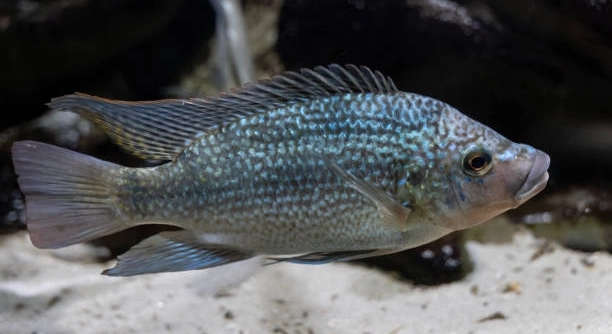
Fry are delicate and need careful attention during their early growth stages. Even in well-maintained aquariums, some fry may lag behind while others thrive, making their development unpredictable and sometimes frustrating for caretakers.
Fry may not grow at the same rate due to differences in genetics, nutrition, water quality, temperature, stress, competition, and disease. Each of these factors can directly impact metabolism, growth efficiency, and overall health, resulting in uneven development among fry.
Understanding these influences can help improve growth consistency and overall fry health. Small adjustments in care routines can make a noticeable difference over time.
Genetics and Natural Differences
Some fry are naturally slower growers due to their genetic makeup. Even when all conditions are perfect, variations in size and growth rates can appear among the same batch. Certain genes influence metabolism and the efficiency of nutrient absorption, which can make some fry more prone to slower growth. Breeding two fish with slower growth tendencies can increase the chances of uneven development in offspring. While genetics cannot be changed, understanding its role helps set realistic expectations. Observation is key. Over time, slower fry may catch up, but in some cases, they will remain smaller. Tankkeepers often notice that the most active or assertive fry eat more quickly, further emphasizing the role of inherent differences. Monitoring growth and providing consistent care can help mitigate the effects of genetics. Selecting breeding pairs carefully can reduce extreme variations in future batches and promote a more uniform fry population. Genetics sets the base, but proper care builds on it.
Even with perfect water and food, genetic differences mean some fry will always grow slower than others in the same environment.
Providing even feeding opportunities and monitoring the tank closely can help balance growth rates and reduce stress from competition.
Nutrition and Feeding Practices
Uneven growth often comes from differences in food intake. Fry require tiny, frequent meals rich in nutrients. If some fry eat more aggressively, others may not get enough, leading to slower growth. High-quality food, appropriately sized for fry mouths, ensures all individuals can absorb the nutrients they need. Overfeeding can also harm fry by polluting water, while underfeeding leaves them weak. Rotating food types, like infusoria, baby brine shrimp, or specialized fry flakes, provides balanced nutrition. Using a feeding schedule helps prevent dominant fry from taking too much. Observing feeding behavior can highlight which fry need extra attention. Separating slower-growing fry into a smaller tank for targeted feeding is sometimes necessary to give them a fair chance to catch up. Consistent nutrition supports healthy development and strengthens immune systems. Balanced feeding reduces competition, promotes uniform growth, and helps fry reach their potential more quickly. Nutrition shapes growth directly, so careful feeding practices are essential.
Even small changes in feeding methods can make a significant difference in fry growth and overall health.
Providing a consistent, balanced diet and adjusting quantities carefully prevents slower fry from falling behind while keeping the water clean and safe for everyone.
Water Quality and Tank Conditions
Poor water quality can slow fry growth quickly. High ammonia, nitrite, or nitrate levels stress fry and reduce their ability to feed and digest properly. Even small changes in pH or temperature can affect metabolism. Clean, stable water helps fry grow evenly.
Maintaining proper water conditions is essential for fry health. Regular testing for ammonia, nitrite, nitrate, and pH ensures the environment stays safe. Frequent water changes, ideally 10-20% daily or every other day, remove toxins and prevent harmful buildup. Overcrowded tanks make water quality worse, so keeping fry density low helps. Filtration should be gentle to avoid sucking up fry while still removing debris. Substrate and decorations can trap waste, so careful cleaning around hiding spots is important. Even small fluctuations in temperature can stress fry, so maintaining a stable range encourages steady growth. Proper aeration keeps oxygen levels high, supporting metabolism.
Fry are sensitive to their surroundings. Minor water changes, proper filtration, and careful monitoring can dramatically improve growth rates and overall survival.
Stress and Environmental Factors
Stress slows fry growth by weakening their immune system and reducing appetite. Loud noises, sudden movements, or frequent handling can make fry skittish and less likely to feed consistently. A calm environment promotes steady development.
Temperature changes, overcrowding, and sudden light shifts all contribute to stress. Fry in a tank with too many siblings may compete aggressively for food, leaving slower fry behind. Stress also makes fry more vulnerable to disease, compounding growth issues. Minimizing disturbances and providing hiding spots gives shy fry a chance to eat and rest. Monitoring interactions can identify aggressive fry that may need separation. Even small improvements, like consistent lighting schedules or quiet tank placement, can reduce stress levels. A stable, predictable environment encourages healthier growth patterns.
By reducing stress and controlling the tank environment, fry have a better chance to develop evenly, stay healthy, and reach their growth potential without unnecessary setbacks.
Temperature and Growth Rates
Fry growth is closely linked to water temperature. Cooler water slows metabolism, making fry less active and reducing appetite. Warmer water increases metabolic rates, but sudden shifts can be dangerous. Maintaining a stable, appropriate temperature encourages consistent growth.
Even a small fluctuation in temperature can stress fry. Using a reliable heater and thermometer ensures conditions remain steady. Stable warmth supports digestion and nutrient absorption, allowing fry to grow at a healthier pace without unnecessary setbacks.
Competition for Food
Fry that compete heavily for food often grow unevenly. Dominant fry eat first, leaving weaker fry undernourished. Managing feeding methods and tank population can reduce this imbalance.
Disease and Health Issues
Illness can slow or stop fry growth entirely. Common infections, parasites, or bacterial problems weaken fry, lowering appetite and energy. Quick detection and treatment are key. Proper quarantine practices and maintaining cleanliness help prevent outbreaks, keeping fry development on track.
Tank Space and Crowding
Limited space increases stress and competition. Fry in crowded tanks grow slower and are more prone to illness. Providing enough room helps maintain healthy growth and reduces aggressive behavior.
FAQ
Why are some fry smaller than others even in the same tank?
Differences in size are usually due to genetics, nutrition, and access to food. Some fry naturally grow slower, while others may be outcompeted during feeding. Genetics determine metabolism and growth efficiency, and dominant fry often eat more, leaving smaller fry behind.
Can water changes really affect fry growth?
Yes. Dirty water increases stress and exposes fry to harmful chemicals like ammonia or nitrites. Regular, small water changes keep water clean, stable, and safe. This reduces stress, supports digestion, and allows fry to feed and grow consistently.
How often should I feed my fry?
Fry need frequent small meals, often two to four times daily depending on species. Tiny amounts ensure each fry can eat without fouling the water. Rotating food types like infusoria, baby brine shrimp, or specialized fry flakes helps provide balanced nutrition.
Does temperature affect growth speed?
Yes, water temperature has a direct effect. Cooler water slows metabolism, while warmer water increases appetite and activity. Sudden changes can stress fry and slow growth, so maintaining a steady, species-appropriate temperature is essential for uniform development.
Can stress really make fry stop growing?
Stress weakens the immune system and reduces appetite. Causes include overcrowding, aggressive tankmates, loud noises, or sudden light changes. Minimizing stress by providing hiding spots, proper tank size, and calm surroundings helps fry feed and grow more evenly.
How do I prevent disease in fry?
Disease often slows or stops growth. Quarantining new fish, maintaining clean water, and avoiding overcrowding reduce risk. Watch for signs like lethargy, faded colors, or abnormal swimming. Early treatment and consistent care help fry recover and continue growing.
Is it normal for some fry to catch up later?
Yes. Slower fry sometimes grow steadily after adjusting to their environment. Targeted feeding or separating them temporarily can help. Even genetically slower fry can improve with careful care, though some will always remain smaller than others.
Does tank size matter for fry growth?
Absolutely. Crowded tanks increase competition and stress. Fry in larger tanks have more room to swim, eat, and rest. Proper spacing reduces aggressive behavior and supports healthier, more uniform growth.
How do I know if a fry is not eating enough?
Signs include staying at the bottom, appearing thin, or being smaller than peers. Observing feeding times helps identify fry that need extra attention. Targeted feeding with small amounts can help them catch up.
Can changing food types help slower fry grow?
Yes. Some fry may struggle with certain foods due to size or preference. Offering a variety like live baby brine shrimp, micro worms, or high-quality fry flakes ensures proper nutrition and encourages growth among weaker individuals.
Will separating slow-growing fry improve their growth?
Sometimes. Placing slower fry in a smaller tank or separate area reduces competition and stress. They can eat at their own pace and often catch up with peers when given targeted feeding and stable conditions.
How long does it take for fry to grow evenly?
Growth rates vary by species, genetics, and care. With consistent feeding, clean water, and stress-free conditions, most fry show noticeable improvements in a few weeks. Slower individuals may take longer, but careful attention helps them reach healthier sizes.
Can light affect fry growth?
Yes. Sudden or intense lighting can stress fry. Consistent, gentle lighting encourages normal activity and feeding patterns, supporting metabolism and steady growth. Avoid abrupt changes in light duration or intensity to keep fry comfortable.
Are all slow-growing fry unhealthy?
Not always. Some fry are naturally smaller due to genetics or metabolism. While disease and stress can slow growth, small size alone does not indicate poor health. Monitoring behavior, appetite, and water conditions helps determine if there’s a real issue.
Does overcrowding affect feeding efficiency?
Yes. When many fry compete for the same food, weaker individuals may not get enough nutrition. Spreading out feeding areas, increasing food frequency, and reducing tank density can help ensure all fry receive adequate nutrition.
How can I tell if water quality is affecting growth?
Watch for sluggish behavior, faded colors, or gasping at the surface. Regular testing for ammonia, nitrite, nitrate, and pH keeps water safe. Maintaining stable conditions supports appetite, digestion, and overall fry development.
Can I use supplements to help slower fry?
Certain liquid vitamins or fortified foods can support growth, especially in undernourished fry. Use sparingly to avoid polluting the water. Consistent, balanced nutrition remains the most effective way to improve growth naturally.
Do all species of fry grow at the same rate?
No. Growth speed varies widely among species. Some are naturally fast growers, while others develop slowly. Understanding species-specific needs, including temperature, food type, and water conditions, helps optimize growth for each type of fry.
How much does handling affect fry growth?
Handling increases stress, which can reduce appetite and slow growth. Minimal interaction is best. Observing fry from outside the tank and only intervening when necessary helps maintain a calm environment and supports steady development.
Can pH or water hardness affect fry growth?
Yes. Fry are sensitive to pH and hardness changes. Unstable conditions can stress them and impair digestion. Maintaining species-appropriate water chemistry encourages healthy growth and prevents developmental setbacks.
How important is oxygen for fry growth?
Very important. Low oxygen levels reduce metabolism and feeding activity. Gentle aeration or surface agitation ensures sufficient oxygen, allowing fry to digest food properly and grow at a healthier pace.
Is it normal for some fry to remain tiny long-term?
Yes. Genetics play a major role. Even with perfect care, some fry will stay smaller than their siblings. Providing consistent nutrition and clean, stress-free conditions ensures they remain healthy despite their smaller size.
Can water flow impact fry growth?
Strong currents can tire fry and reduce feeding efficiency. Gentle, steady water movement is best, providing oxygen and cleanliness without causing stress. Proper flow supports healthier, more consistent growth across all fry.
Does lighting duration influence fry metabolism?
Yes. Consistent light cycles regulate activity and feeding patterns. Too much or too little light can disrupt appetite, causing uneven growth. Maintaining a predictable light schedule encourages regular feeding and metabolism.
Are slow-growing fry more prone to disease?
They can be. Weaker fry often have lower immunity, making them more susceptible to infections. Proper nutrition, clean water, and stress reduction help protect them and support catch-up growth.
How do I balance feeding for mixed-size fry?
Feed small amounts more frequently, and observe which fry get left behind. Consider separating very slow growers temporarily or providing targeted feeding to ensure all fry receive enough nutrition. Consistency is key.
Will removing aggressive fry help others grow?
Yes. Dominant fry often monopolize food and space. Separating aggressive individuals allows slower fry to eat freely and reduces stress, giving them a better chance to grow evenly.
How often should I check fry growth?
Weekly observation is usually enough. Track size, behavior, and feeding success. Early detection of growth issues allows adjustments in feeding, water quality, or tank setup before problems worsen.
Can tank decorations affect growth?
Yes. Decorations provide hiding spots but can trap waste. Balancing shelter with cleanliness ensures fry have safe spaces without compromising water quality or growth conditions.
Is it okay if some fry always lag behind?
Yes. Variation is natural. With proper care, smaller fry can remain healthy even if they never match the size of their fastest-growing siblings. Focus on health rather than uniform size.
Does changing water temperature suddenly harm fry growth?
Sudden shifts can shock fry, reduce appetite, and slow metabolism. Gradual, controlled temperature adjustments are safer and help maintain consistent growth.
Can poor water circulation stunt fry growth?
Yes. Stagnant water reduces oxygen levels and can accumulate toxins. Gentle circulation ensures oxygen distribution and cleanliness, supporting better growth and overall health.
How can I encourage shy fry to eat?
Provide hiding spots and feed smaller amounts frequently. Observing them quietly without disturbing the tank helps shy fry gain confidence and access food, promoting steadier growth.
Is slow growth always a problem?
Not always. Some fry grow slowly but remain healthy. Focus on nutrition, water quality, and stress reduction. Only investigate further if fry show signs of illness or extreme weakness.
Can adjusting light and temperature together improve growth?
Yes. Coordinating light cycles with stable temperature supports natural feeding rhythms, digestion, and metabolism, leading to more consistent growth among fry.
Are smaller fry more vulnerable in community tanks?
Yes. They may get bullied or outcompeted for food. Providing sufficient space, hiding spots, and monitoring interactions can protect smaller fry and help them grow safely.
Does water hardness change feeding efficiency?
Yes. Extreme hardness can affect digestion. Maintaining species-appropriate hardness supports nutrient absorption and overall fry growth.
How do I know when fry are growing properly?
Consistent size increase, active swimming, and normal feeding behavior are good indicators. Minor size differences are natural, but unhealthy fry may appear weak, inactive, or fail to gain weight.
Can I help fry grow faster safely?
Focus on clean water, proper temperature, frequent balanced feeding, and reducing stress. Avoid overfeeding or drastic environmental changes, as these can harm fry instead of helping growth.
Do fry need different care at different growth stages?
Yes. As fry grow, food size, frequency, and tank space need adjustment. Meeting developmental needs at each stage ensures healthy, steady growth for all fry.
Is it normal for fry to grow unevenly at first?
Yes. Early differences are common. With consistent care, many fry catch up, but some variation is always expected due to genetics and behavior.
How long should I monitor fry growth closely?
Until fry reach juvenile size and feeding becomes less competitive. Close observation helps detect health issues, adjust care, and promote uniform development during critical growth phases.
Fry growth can be unpredictable, even in the best conditions. Many factors influence how quickly they develop, from genetics to water quality, feeding habits, and stress levels. Some fry naturally grow slower than others, and this is perfectly normal. Understanding the main reasons behind uneven growth helps set realistic expectations and allows for more effective care. Observing your fry closely over time makes it easier to spot problems early and take action before they become serious. Even small adjustments in water temperature, tank space, or feeding routines can make a noticeable difference. Keeping everything consistent and stable helps fry grow at a steadier rate. It is important to remember that size differences are common and do not always indicate illness or poor health. With proper care, most fry will develop into healthy juveniles, even if some remain smaller than their siblings. Patience is key when managing fry, as growth takes time and attention.
Proper nutrition is one of the most significant factors for healthy fry growth. Feeding small, frequent meals ensures that all fry have access to the nutrients they need. Live foods like baby brine shrimp or infusoria, along with high-quality fry flakes, provide essential proteins and vitamins. Rotating foods can prevent nutrient deficiencies and encourage steady development. It is also important to monitor feeding to make sure smaller or shy fry are not left out. In some cases, temporarily separating slower-growing fry for targeted feeding can help them catch up without causing stress. Avoid overfeeding, as excess food can pollute the water and harm fry health. Maintaining clean water while providing proper nutrition creates the best conditions for all fry to grow efficiently. Careful observation, balanced feeding, and patience are the foundations of healthy growth in a mixed batch of fry. Over time, these efforts can reduce size disparities and support stronger, more resilient fish.
Environmental conditions play a major role in fry development. Water quality, temperature, and tank space all affect metabolism, appetite, and overall health. Stress from overcrowding, aggressive tankmates, or sudden changes in lighting and temperature can slow growth and make fry more vulnerable to disease. Providing a calm, stable environment with hiding spots and gentle filtration reduces stress and promotes even growth. Regular water testing and maintenance are essential to prevent toxin buildup, which can quickly affect fry development. Consistent care helps fry stay healthy, and even slower growers can catch up when conditions are optimal. While genetics determine some natural differences, proper nutrition, water quality, and low-stress conditions give every fry the best chance to thrive. Watching your fry over time, making small adjustments, and being patient can turn a challenging batch into a healthy and successful group of young fish.

Hello,
If you enjoy the content that we create, please consider saying a "Thank You!" by leaving a tip.
Every little bit helps us continue crafting quality advice that supports the health, happiness, and well-being of pets around the world, for pets of all shapes, sizes, and species.
We really appreciate the kindness and support that you show us!