
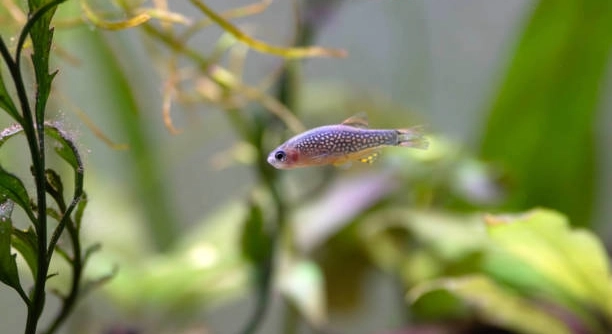
Moving a tank can be an exciting change for your Danio fish, but sometimes their bright colors seem to fade afterward. Many fish owners notice this subtle shift and wonder what might be affecting their pet’s vibrancy.
Danio color fading after tank moves is primarily caused by stress, changes in water parameters, and environmental adjustments. These factors impact pigmentation cells and overall health, making the fish appear dull until they adapt to the new surroundings.
Understanding the reasons behind this color change can help you create a stable environment for your fish. Proper care ensures they regain their natural brightness and continue thriving in their new home.
Stress From Moving
When I moved my Danio tank last month, I noticed their colors dimmed almost immediately. Fish are sensitive creatures, and sudden changes can trigger stress responses. Even if the tank looks identical, minor differences in lighting, position, or water flow can unsettle them. Stress affects their overall health, weakening their immune system and slowing recovery. During this period, they may eat less and stay hidden more often. Providing hiding spots and reducing disturbances can help them feel safe. Gradual acclimation, such as slowly introducing water from the new tank into the old tank before a move, can also minimize stress. Observing their behavior carefully helps identify when stress levels are decreasing, allowing their colors to return naturally. Stress management is critical for maintaining the vibrancy of Danios, and attention to their comfort can make a noticeable difference in how quickly they regain their bright hues.
Stress can make Danios lose color and appear dull until they adjust to their new environment.
Keeping tank changes slow and steady reduces stress and helps Danios recover their natural color faster.
Water Parameter Changes
Water conditions like pH, hardness, and temperature directly impact Danio pigmentation. Even small shifts can cause noticeable fading. When I moved my tank, I didn’t test the water immediately, and their colors dulled within hours. Danios are adapted to stable environments, and any abrupt change forces their bodies to prioritize survival over display coloration. Testing and adjusting water parameters before and after a move is essential. Using a reliable water test kit ensures pH, ammonia, nitrite, and nitrate levels stay safe. Temperature consistency is also important, as fluctuations can stress fish and reduce color vibrancy. Even if the water looks clear, chemical changes invisible to the eye can have an effect. Frequent monitoring during the first days after moving helps spot issues early. Adding plants and decorations that replicate their previous habitat also encourages comfort, indirectly supporting brighter colors. A stable, familiar water environment allows Danios to regain their natural appearance more quickly and feel secure in their new tank.
Water changes can have a big effect on how Danios look after a move, influencing both their health and appearance.
Ensuring consistent water conditions and monitoring chemical levels supports color recovery. Gradual acclimation and gentle adjustments make it easier for the fish to adapt without prolonged stress. A stable environment encourages natural behavior, helping their colors return faster.
Lighting Differences
Lighting changes can quickly affect Danio colors. Moving a tank to a new room or changing bulb types may make their vibrant shades look dull. Fish rely on consistent lighting to display natural pigmentation.
When I switched my tank near a brighter window, I noticed the colors on my Danios fading within a day. Light intensity and spectrum influence how pigments are expressed. Too much direct sunlight can stress the fish, while low or inconsistent lighting can suppress color. Adjusting the light gradually after moving the tank helps them adapt without sudden shock. Using timers to keep a steady day-night cycle can also support natural coloration. Observing the fish under different lighting helps determine what brings out their brightest shades. Ensuring consistent, moderate lighting prevents unnecessary fading and keeps Danios looking healthy and vibrant.
Even slight differences in lighting can cause noticeable changes in Danio pigmentation. Regular adjustments and monitoring help maintain their bright appearance.
Proper lighting management, including consistent duration and intensity, encourages pigment recovery. Avoid sudden changes and provide shaded areas so the fish can control exposure, allowing colors to return naturally. Consistency is key for long-term vibrancy.
Diet and Nutrition
A poor diet can make Danios lose color quickly. Moving a tank sometimes disrupts feeding routines, which affects their appearance. Fresh, high-quality food supports pigmentation.
After my tank move, I realized I had been feeding my Danios mostly flakes, which lacked color-enhancing nutrients. Adding frozen or live foods rich in carotenoids, like brine shrimp or daphnia, improved their vibrancy over a few weeks. Balanced nutrition strengthens their immune system and helps them cope with stress from relocation. Vitamin supplements designed for ornamental fish can also support color restoration. In addition to variety, consistent feeding schedules prevent stress-related color loss. Observing their appetite during and after the move helps ensure they are eating enough to recover.
Diet plays a crucial role in maintaining and restoring Danio color after environmental changes.
High-quality food, variety, and proper feeding routines combined with stable water and lighting conditions help Danios regain and maintain vibrant colors efficiently.
Tank Size and Space
A smaller or overcrowded tank can make Danios stressed, causing colors to fade. Adequate space allows them to swim freely and display natural pigmentation.
Even subtle changes in tank size or layout after a move can affect their behavior. Providing enough room and hiding spots reduces stress and helps maintain color vibrancy.
Acclimation Period
Danios need time to adjust after a tank move. Sudden changes in environment, water, or lighting can temporarily dull their colors. Gradual acclimation allows their bodies to adapt without prolonged stress, helping pigment cells return to normal. Proper monitoring during this period ensures a smooth transition and color recovery.
Disease or Parasites
Illness can become apparent after a move, as stress weakens their immune system. Faded colors may indicate early signs of infection. Early detection and treatment prevent serious health problems, keeping Danios healthy and their colors intact.
Why did my Danio’s color fade after moving the tank?
Color fading after a move is usually caused by stress and sudden environmental changes. Danios are sensitive to water parameters, lighting, temperature, and space. Even if the tank looks identical, small differences can make them feel unsettled. Stress affects pigment cells, so colors may appear dull until they adjust.
How long does it take for Danio colors to return?
Recovery time varies depending on the fish and conditions. Some Danios regain color in a few days, while others may take a couple of weeks. Providing stable water conditions, proper lighting, and a nutritious diet accelerates the process. Reducing disturbances and giving them hiding spots helps them feel safe.
Can water quality affect pigmentation?
Yes. Changes in pH, hardness, ammonia, nitrites, and nitrates can directly impact color. After a tank move, testing and adjusting water is important. Even minor chemical changes invisible to the eye can dull pigments. Consistent, clean water supports both health and natural coloration.
Does stress from moving make Danios sick?
Stress weakens the immune system, increasing the risk of illness or parasites. Faded colors can be an early warning sign. Keeping the environment calm and monitoring for unusual behavior, like hiding or reduced appetite, helps catch problems early before they worsen.
Can lighting changes really change color?
Yes, lighting affects how pigments are expressed. Too bright or too dim light can reduce color vibrancy. Using consistent light intensity and a regular day-night cycle helps maintain bright coloration. Providing shaded areas allows fish to control exposure and stay comfortable.
Does diet impact color recovery?
Absolutely. Diets lacking carotenoids and other nutrients make colors dull. Feeding high-quality flakes, frozen or live foods, and occasional supplements helps restore vibrancy. A balanced feeding routine also supports the immune system, making it easier for Danios to cope with stress.
Is tank size important for color maintenance?
Yes, a cramped tank increases stress, which can dull colors. Adequate swimming space and hiding spots help Danios feel secure. After moving, make sure the new tank provides enough room and structure to reduce stress and support natural behavior.
Should I treat faded colors with medication?
Not unless disease or parasites are present. Fading from stress or environmental changes usually resolves naturally. Overmedicating can harm healthy fish. Focus first on stable water, proper lighting, diet, and minimal disturbances. Treat only if symptoms of illness, like spots, frayed fins, or lethargy, appear.
Can temperature changes affect coloration?
Yes. Danios prefer stable, moderate temperatures. Sudden shifts can stress them, causing color loss. Monitoring and maintaining the same temperature as before the move helps reduce stress and supports pigment recovery. Avoid placing the tank near heaters, air conditioners, or drafty areas.
Is it normal for colors to fade temporarily after a move?
Yes, temporary fading is common. It’s a natural response to stress and environmental adjustments. With proper care, stable water, good nutrition, and gentle handling, colors typically return to normal within days to weeks, depending on each fish’s resilience.
How can I speed up color recovery?
Maintain consistent water conditions, provide nutritious food, keep lighting stable, reduce disturbances, and offer hiding spots. Observing their behavior helps identify when stress is lowering. Small improvements in environment and care can noticeably speed up pigment restoration and overall health.
What signs indicate the color won’t return naturally?
Persistent dullness, combined with lethargy, poor appetite, or visible illness, may indicate disease or parasites. If these signs appear, testing water and consulting a veterinarian or experienced fish keeper is important. Early intervention prevents further health issues and protects the tank community.
Can adding plants or decorations help?
Yes, familiar decorations and live plants provide comfort and security, reducing stress. A tank that mimics their previous environment encourages natural behavior and helps color recovery. Hiding places also let fish control exposure and feel safe while adapting to the new surroundings.
Are there differences between male and female Danios in color fading?
Males usually display brighter colors and may show more noticeable fading under stress. Females may appear duller by default, but they can also lose color temporarily after a move. Care practices should be the same for both, focusing on minimizing stress and maintaining optimal conditions.
Can multiple moves affect color long-term?
Repeated moves increase stress and may prolong recovery, sometimes causing longer-term dullness. Minimizing tank relocations and ensuring gradual adjustments for each change helps protect natural coloration. Consistency and careful monitoring are key to preventing repeated fading episodes.
This FAQ provides detailed insight into why Danio colors fade after moving and how to restore vibrancy effectively, addressing both environmental and health-related factors.
Moving a Danio tank can be more challenging than it seems, especially when you notice their colors fading afterward. Color changes are often one of the first signs that your fish are adjusting to a new environment. Stress, water parameters, lighting, diet, and tank setup all play a role in how vibrant your Danios appear. Even small differences in their surroundings, such as water temperature, pH levels, or light intensity, can cause temporary fading. It’s important to remember that this is usually a normal response to change rather than an immediate cause for concern. Taking note of the conditions before and after the move helps identify which factors might be contributing to the color loss. Observing behavior alongside color changes gives a better understanding of how well your fish are adjusting. Some fish may hide more or eat less during this period, and their colors may remain subdued until they feel secure and comfortable in their new tank.
Supporting your Danios during this transition is essential to help them regain their natural appearance. Stable water conditions are the foundation for a healthy tank, so monitoring pH, hardness, ammonia, nitrites, and nitrates is critical. Introducing a balanced diet with nutrient-rich foods, including flakes, frozen or live options, and occasional supplements, provides the building blocks for strong coloration. Lighting should be consistent, with a moderate intensity and a regular day-night cycle, which helps pigment cells function properly. Adding plants, decorations, or other elements that mimic their previous environment can also reduce stress and encourage natural behaviors. Small changes in the tank’s layout or lighting should be done gradually to give the fish time to adjust without additional strain. These combined efforts create a safe and supportive environment where Danios can recover their vibrant colors more quickly.
Patience is an important part of the process, as recovery does not happen overnight. Some Danios regain their colors within a few days, while others may need a couple of weeks to fully adjust. Monitoring their health during this time ensures that any potential problems, such as illness or parasites, are caught early. Avoid overmedicating unless there are clear signs of disease, and focus on maintaining stable conditions, providing quality nutrition, and minimizing disturbances. Over time, with proper care and attention, most Danios return to their bright, lively colors and resume their normal behavior. Understanding that fading is often temporary and manageable helps make tank moves less stressful for both you and your fish. Keeping these considerations in mind ensures the long-term health, happiness, and beauty of your Danios in their new home.

Hello,
If you enjoy the content that we create, please consider saying a "Thank You!" by leaving a tip.
Every little bit helps us continue crafting quality advice that supports the health, happiness, and well-being of pets around the world, for pets of all shapes, sizes, and species.
We really appreciate the kindness and support that you show us!