
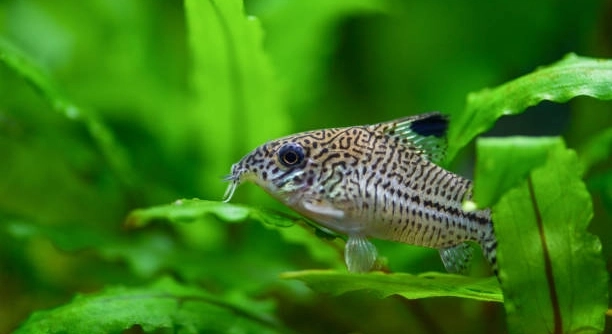
Corydoras catfish are small, peaceful fish that thrive in tanks with limited space. They are often chosen by aquarium enthusiasts who want a vibrant, low-maintenance species. But why are they such a great fit for small tanks?
Corydoras catfish are ideal for small tanks due to their small size, peaceful nature, and low care requirements. They stay at the bottom of the tank, helping keep it clean. Their calm temperament also makes them compatible with other species.
Their unique qualities make them perfect companions for tiny aquatic environments, bringing both charm and function to your aquarium.
Perfect for Small Spaces
Corydoras catfish are small, peaceful fish that make a perfect addition to small tanks. They only grow to about 2.5 inches, which makes them well-suited for limited space. Their small size doesn’t mean they lack personality, though. Corydoras are active and social creatures, often seen swimming together in small groups. Despite their small stature, they help keep the bottom of the tank clean, eating leftover food and debris. This behavior makes them a practical choice for those looking to maintain a tidy aquarium without adding too much complexity. Their calm nature also makes them easy to keep with other fish species, adding a harmonious balance to your tank.
Their small size and peaceful nature make them perfect for confined spaces.
For those with limited space, these fish provide great value. They are easy to care for and won’t outgrow their environment. Their ability to adapt to various water conditions further enhances their suitability for small tanks. This means they can thrive in a variety of setups, even with less than ideal conditions.
Low Maintenance
Corydoras catfish are easy to care for, making them great for beginners or those with little time to dedicate to tank maintenance. They don’t require special water conditions and are hardy enough to adapt to most environments.
They thrive in temperatures between 70°F and 78°F and are not very picky about pH levels. As long as the tank is regularly cleaned and the water is changed as needed, Corydoras will remain healthy. They don’t need complicated feeding routines either, as they will happily eat most types of fish food, including pellets, flakes, and even live or frozen food on occasion.
Their simple care requirements make them an excellent choice for anyone looking for a hassle-free fish. They do not require constant attention, which makes them suitable for busy individuals or those who prefer low-maintenance pets. Regular tank cleaning and feeding once or twice a day are enough to keep them thriving.
Peaceful Nature
Corydoras catfish are peaceful and get along well with most other fish species. They are bottom-dwellers, rarely competing for space with others, and often prefer staying in groups.
Their calm temperament makes them a good choice for community tanks. They won’t chase or bother other fish, even in smaller tanks. Corydoras are often seen resting on the substrate or swimming quietly, creating a peaceful atmosphere in your aquarium. This non-aggressive behavior helps ensure a stress-free environment for other fish, contributing to a harmonious aquarium setup.
In addition, their social nature means they prefer being in groups. Having at least three or more Corydoras in a tank is recommended for their well-being, as it keeps them active and reduces stress. Their peaceful behavior can be an asset to a community tank, providing balance and preventing potential conflicts.
Easy to Feed
Corydoras catfish are not picky eaters. They will eat a variety of foods, from flakes and pellets to live or frozen options. Their ability to adapt to different types of food makes them easy to feed.
They feed primarily at the bottom of the tank, looking for leftover food. This can help reduce waste, as they will consume whatever is left behind by other fish. They also enjoy eating sinking pellets, which makes feeding time simple. Since they are not fussy, it is easy to maintain a regular feeding schedule without needing special food.
Tank Compatibility
Corydoras are compatible with many other species, including peaceful fish like tetras, guppies, and rasboras. Their calm nature means they won’t disrupt other fish or cause any aggression.
This makes them perfect for community tanks. Since they stay at the bottom and prefer calm surroundings, they do not compete with other fish for space or food. Their peaceful temperament contributes to the overall balance in the tank. Whether you have a small or large community aquarium, Corydoras are adaptable and thrive alongside other non-aggressive species.
Long Lifespan
Corydoras catfish can live for 5 to 10 years with proper care. Their longevity makes them a long-term commitment, providing enjoyment for years to come.
Their hardy nature and simple care requirements help them live a long, healthy life. With regular tank maintenance and a suitable diet, Corydoras thrive in both small and large tanks. Their lifespan is one of the reasons they are such a popular choice for aquarium owners.
FAQ
What size tank do Corydoras catfish need?
Corydoras catfish are small and do well in tanks as small as 10 gallons. However, they are social creatures and should be kept in groups of at least three or more, which means a 20-gallon tank is often recommended. A larger tank will also provide more space for them to swim and explore, which keeps them active and healthy. The size of the tank will also help maintain stable water conditions, making it easier to manage the overall health of your fish.
Can Corydoras catfish live with other fish?
Yes, Corydoras catfish are peaceful and get along well with most other species. They are bottom-dwellers, so they don’t compete with other fish for space. Corydoras do well in community tanks with other peaceful fish, such as tetras, guppies, and bettas. However, it’s important to avoid aggressive fish, as they may stress out the Corydoras. Corydoras are social and prefer to be in groups of three or more, which can also help reduce any stress or anxiety.
Do Corydoras catfish need a filter?
Yes, Corydoras catfish require a filter to maintain clean water. Like all fish, they produce waste, and a filter helps remove toxins and maintain water quality. Corydoras are sensitive to poor water conditions, so using a filter is crucial for their health. A gentle filter is ideal, as too strong of a current may make them uncomfortable. Regular water changes and proper filtration help keep the tank stable and the fish healthy.
What do Corydoras catfish eat?
Corydoras catfish are not picky eaters and will happily eat a variety of foods. They enjoy sinking pellets, flakes, and frozen or live foods like bloodworms and brine shrimp. Their primary diet should be high-quality sinking pellets, as this is how they naturally forage at the bottom of the tank. Corydoras are scavengers and will also eat leftover food that sinks to the bottom, helping to keep the tank clean. However, it’s important not to overfeed them, as uneaten food can pollute the tank.
How often should I feed Corydoras catfish?
Corydoras catfish should be fed once or twice a day, with a small amount of food. They are bottom feeders, so they may take a little longer to find their food. It’s best to feed them only what they can eat in 2-3 minutes to avoid overfeeding and water contamination. As they are scavengers, they will also eat any leftover food that sinks to the bottom, helping keep the tank tidy. However, overfeeding can lead to health problems, so portion control is key.
Do Corydoras catfish need a heater?
Corydoras catfish are tropical fish and require warm water to thrive. Ideally, the water temperature should be between 70°F and 78°F. If your home’s temperature drops below this range, it is recommended to use an aquarium heater to maintain a stable temperature. This will help ensure the catfish remain healthy and active. It’s important to monitor the temperature regularly, as fluctuations can cause stress and health issues.
How can I tell if my Corydoras catfish is healthy?
A healthy Corydoras catfish is active, has clear eyes, and swims smoothly without any signs of distress. Their body should be free of sores, discoloration, or lesions. They should also exhibit normal feeding behavior, eagerly looking for food at the bottom of the tank. If your Corydoras is sluggish, has abnormal swimming patterns, or stops eating, these may be signs of illness. Additionally, any unusual changes in their coloration or fins may indicate a problem that requires attention.
Do Corydoras catfish need a special substrate?
Corydoras catfish prefer a soft substrate, such as fine gravel or sand. Their sensitive barbels (whiskers) can get injured on rough or sharp gravel, so it’s important to choose a substrate that won’t harm them. A fine sand substrate is often the best choice, as it mimics their natural environment and allows them to sift through the sand for food. Avoid using large rocks or sharp gravel that can cause physical damage to their delicate barbels.
Can Corydoras catfish breed in a tank?
Yes, Corydoras catfish can breed in an aquarium if the conditions are right. They usually breed in groups, and the males will chase the females until they are ready to lay eggs. Once the female lays the eggs, she will typically deposit them on a flat surface or plant leaves. The male fertilizes the eggs, and the parents will often protect them. After hatching, the baby Corydoras (called fry) will be small and need to be fed special food until they grow large enough to eat regular fish food. Breeding may be encouraged by changes in water temperature or water changes to simulate the rainy season in their natural habitat.
Do Corydoras catfish require a lot of attention?
Corydoras catfish are low-maintenance and do not require a lot of attention. They are not demanding when it comes to tank conditions, and they are relatively easy to care for. Regular water changes and a suitable diet are all they need to stay healthy. They do not require constant handling or special treatments, making them perfect for beginners or people with busy schedules. Simply providing a clean environment, appropriate food, and a comfortable tank setup is usually enough for them to thrive.
Final Thoughts
Corydoras catfish are an excellent choice for small tanks due to their peaceful nature, easy care requirements, and compatibility with other fish. They thrive in community aquariums, making them a great addition to any tank. Their small size and active behavior make them a joy to watch, as they spend their time foraging at the bottom of the tank. With a lifespan of 5 to 10 years, they offer long-term enjoyment for aquarium owners. Their adaptability and simple feeding needs make them perfect for both beginners and experienced aquarium enthusiasts.
One of the best things about Corydoras is their ability to help maintain a clean tank. As bottom dwellers, they naturally scavenge for leftover food, preventing waste from accumulating on the substrate. This makes them valuable tank mates, especially in a community setup where food can often be left uneaten by other fish. Their diet consists mainly of sinking pellets, live or frozen food, and whatever they find on the tank floor. This simple feeding routine ensures that aquarium owners don’t have to worry too much about complex food schedules or special requirements.
In addition to their easy care and helpful nature, Corydoras are quite hardy. With proper tank conditions and regular maintenance, these fish can live for years without much trouble. They adapt well to various water parameters and temperatures, though it is important to keep their tank stable and clean. As long as you provide them with a suitable environment, they will thrive and remain a peaceful presence in your tank. Their calm temperament, combined with their useful scavenging habits, makes them a perfect fit for any small tank or community aquarium.

Hello,
If you enjoy the content that we create, please consider saying a "Thank You!" by leaving a tip.
Every little bit helps us continue crafting quality advice that supports the health, happiness, and well-being of pets around the world, for pets of all shapes, sizes, and species.
We really appreciate the kindness and support that you show us!